Malaysia · Perak
Where to Stay in Ipoh, Perak
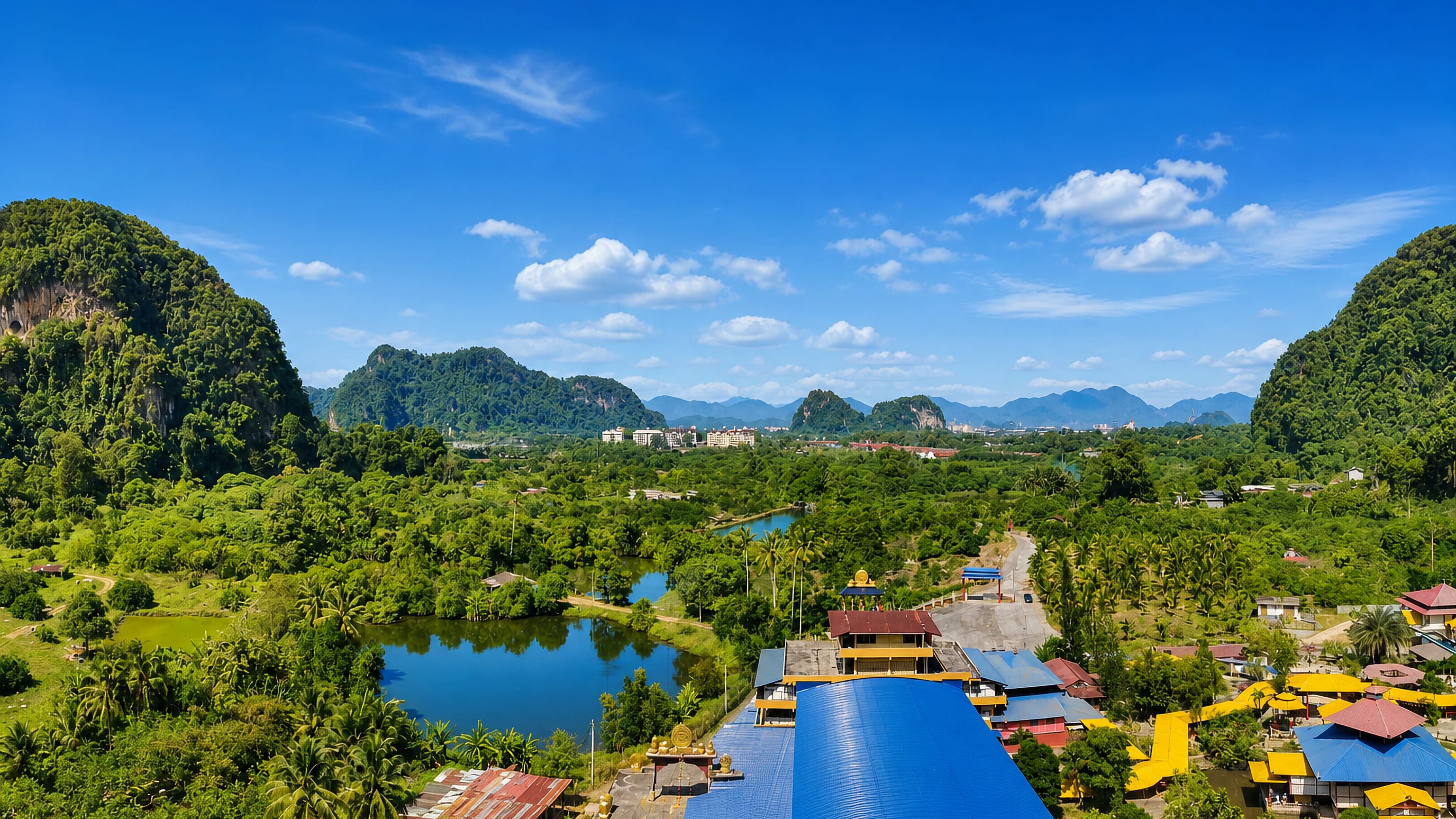
Steep limestone hills close around Ipoh, the tin-town capital of Perak on the Kinta River in Malaysia, known for its old town and hawker food.
Hotel links are affiliate links: booking through them may earn us a commission, at no extra cost to you. It never affects how places are ranked. How this works


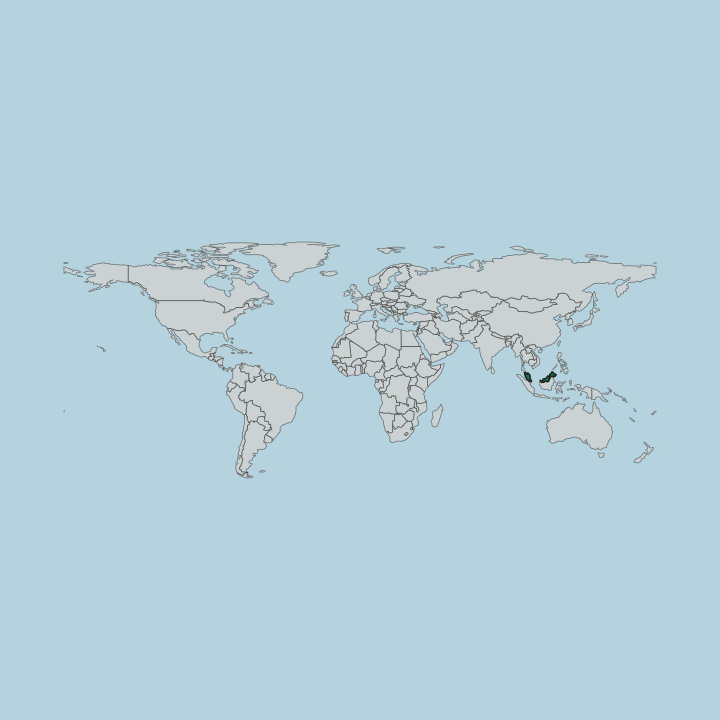
Where to stay in Ipoh
Where the beds are, and what that means for the visit.
Ipoh splits across the Kinta River into an old town and a newer grid, and its stays follow that line. West of the water, the colonnaded shophouse streets of the old town hold the heritage guesthouses, cafes, and the mansion of Han Chin Pet Soo within a short walk. Book here for the food.
East of the river, the wider blocks of the new town run past the Darul Ridzuan Museum and larger hotels, busier and more modern, handy for onward transport. Quieter guesthouses sit out toward the limestone hills, where cave temples pierce the rock at the city's edge below Perak's ridges. You want the old town for the hawker stalls and heritage walks, and the new town for a straightforward, well-connected base near the station.
Find hotels in Ipoh
Direct booking searches for these neighbourhoods.
The old town
The colonnaded shophouse streets west of the Kinta River hold heritage guesthouses, cafes, and the tin-era mansion of Han Chin Pet Soo within a short walk.Find hotels in The old townA well-connected base near the stationThe new town
The wider blocks east of the Kinta River run past the Darul Ridzuan Museum and larger hotels, busier and handy for onward transport.Find hotels in The new townCave temples and quiet nightsThe limestone edge
Guesthouses out toward the limestone hills sit where cave temples pierce the rock at the city's rim below the ridges of Perak.Find hotels in The limestone edgeHotel links are affiliate links: booking through them may earn us a commission, at no extra cost to you. It never affects how places are ranked. How this works
Things to do in Ipoh
Ranked by global recognition; descriptions from Wikidata (CC0).
Museums & Galleries
2- Darul Ridzuan Museum Heritage
- Han Chin Pet Soo
Churches & Religious Sites
3- Saint John's Church
- St Michael's Church
- Wesley Methodist Church, Ipoh
Stadiums & Sports
1- MBI Sports Complex
worth knowingacross 3 categories in Ipoh
About Ipoh
What is Ipoh known for?
Ipoh is known as the tin-mining boom town that became the capital of Perak. The wealth dug from the Kinta Valley built the grand shophouses and civic buildings of its old town, ranged along the Kinta River. Food made its second name.
Its hawker stalls and coffee shops draw people across Malaysia for the local dishes born here. The colonnaded streets, the whitewashed St Michael's Church, and the tin-era mansion of Han Chin Pet Soo hold the story of the boom in the shadow of the limestone hills.
What are the main landmarks in Ipoh?
Ipoh's landmarks record its tin-boom heyday and the churches that came with it. Han Chin Pet Soo, a former tin miners' club, preserves the world of the Kinta Valley magnates behind a plain old-town front. The whitewashed St Michael's Church and the smaller Saint John's Church and Wesley Methodist Church trace the colonial town.
Nearby stands the Darul Ridzuan Museum. Beyond the built streets, cave temples set into the limestone hills mark the edge of the capital of Perak.
What is the history of Ipoh?
Ipoh grew from a riverside village into a boom town on the wealth of tin. The rich lodes of the Kinta Valley drew miners and traders through the late nineteenth century, and the settlement on the Kinta River swelled into one of the great mining centres of the region. Money built the town.
Grand shophouses, clubs, and churches rose in a rush, and Han Chin Pet Soo served the Chinese magnates who ran the mines. Ipoh became the capital of Perak and the hub of the tin belt that ran through the limestone hills. When the tin trade faded, the boom-era streets were left largely intact.
The old town survived as a near-complete record of the mining age. Its fortunes turned on the ore beneath it. The shophouses, mansions, and churches of Ipoh stand as the frozen portrait of a town the Kinta Valley made rich.
Where is Ipoh?
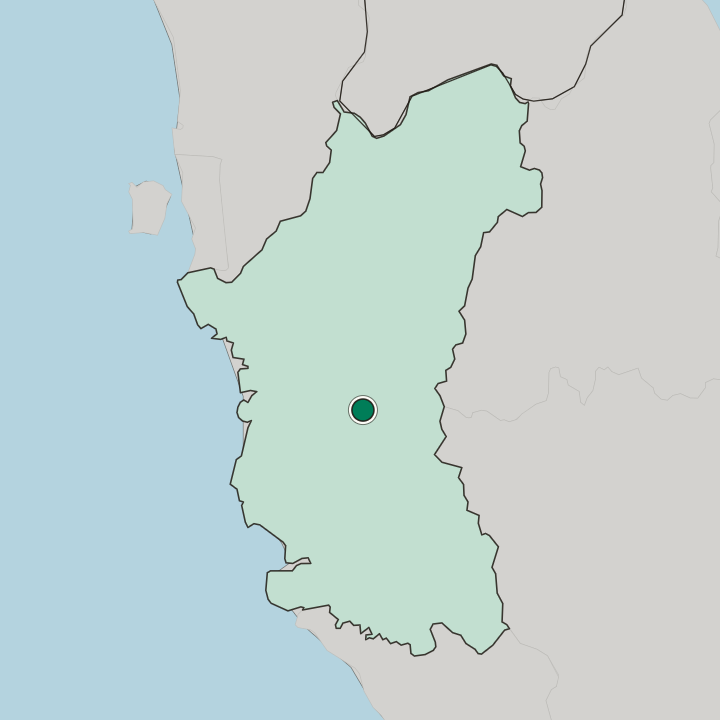
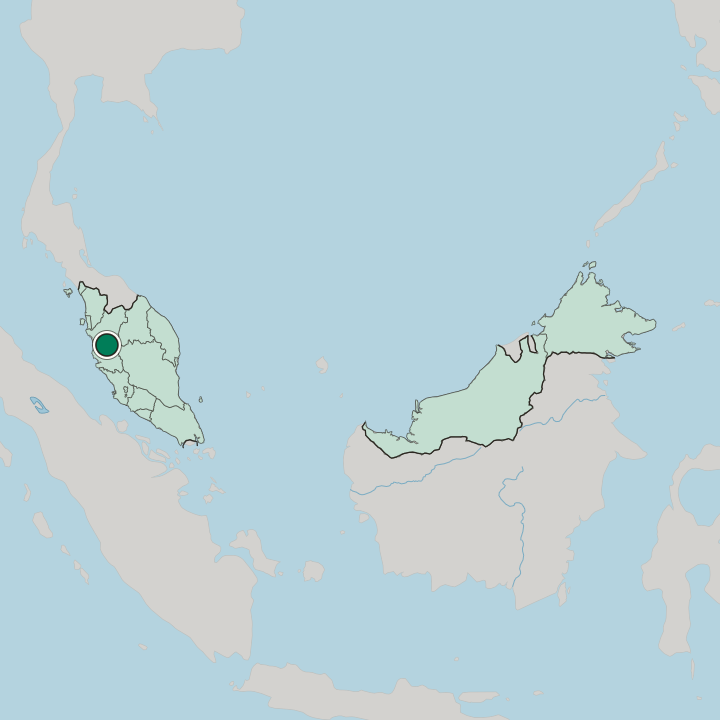
Ipoh lies on the Kinta River in the state of Perak, on the west coast of Peninsular Malaysia. Steep limestone hills ring the city, rising in sheer grey cliffs from the valley floor and honeycombed with caves. The Kinta Valley opens around it.
The river runs through the centre, splitting the old town from the new, while the mineral-rich ground of the valley made the town, so Ipoh sits cupped between the Kinta River and the limestone ridges north of Kuala Lumpur.
What is the climate of Ipoh?
Ipoh has a hot, humid tropical climate in the Kinta Valley. Heat holds all year. The surrounding limestone hills trap warmth and moisture, and heavy rain arrives in monsoon spells rather than a cold season, with cloud often clinging to the cliffs above the town.
There is no winter here. The inland setting in Perak keeps the days consistently warm and the air heavy across the whole year.
How do you get to Ipoh?
Ipoh sits on the main north-south corridor of Peninsular Malaysia, between Kuala Lumpur and George Town. Fast electric trains stop at its restored station, and the North-South Expressway runs past the city, so rail and road both reach it easily from the capital. A local airport handles some flights.
The compact old town is walkable once you arrive, its shophouse grid framed by the limestone hills of the Kinta Valley in Perak.
Common questions
What is the best area to stay in Ipoh?
The old town: Hawker stalls and heritage walks. The new town: A well-connected base near the station. The limestone edge: Cave temples and quiet nights.
Good for
More cities in Perak
Updated September 2026