Malaysia · Perak
Where to Stay in Teluk Intan, Perak
Teluk Intan curls around an oxbow bend of the Perak River, seat of Hilir Perak District and, until 1982, the port town of Teluk Anson.
Hotel links are affiliate links: booking through them may earn us a commission, at no extra cost to you. It never affects how places are ranked. How this works


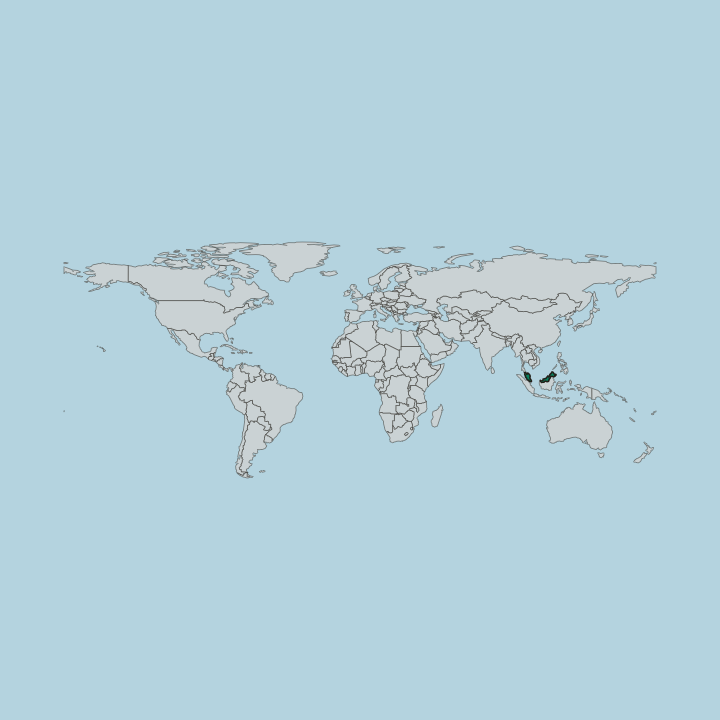
Where to stay in Teluk Intan
Where visitors usually base themselves, and why.
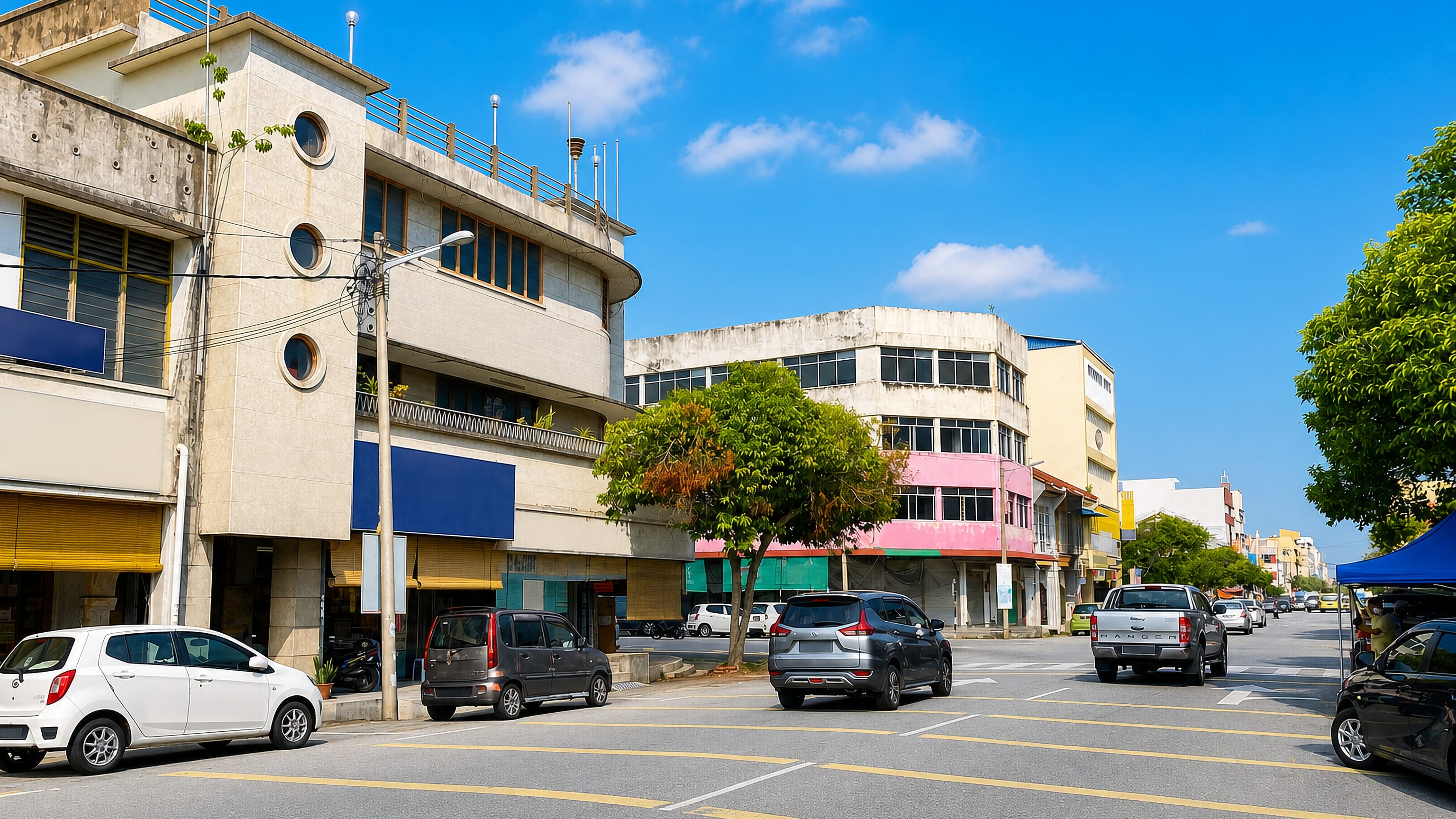
Two streets carry most of the beds. Jalan Sultan Abdullah holds the longest run of hotels, and since it is also the state route into town, a car can be parked once and left there. Jalan Changkat Jong is the other axis.
Rooms along it sit a few minutes from the Leaning Tower of Teluk Intan and the brick plaza beneath it, where the Saturday night market sets out its stalls and most walking tours of the town begin. Jalan Sekolah is quieter. It runs past the schools and the fenced ruin of the Raja Muda's palace, and Rumah Rehat Teluk Intan, the old rest house, stands in the same part of town.
Staying central is mostly about eating. Medan Selera Glutton Square, the nasi kandar counters at Mastan Ghani near the tower, and Keng Heng Kopitiam for a morning plate of mee are all inside the old grid. If you are working across Hilir Perak District, this is the practical base, because Langkap, Chenderong Balai, and Batak Rabit are all short drives and no other settlement in the district carries this many rooms.
One night covers the sights. Batu Tenggek, Hock Soon Temple, and the Sri Subramaniam Temple can be walked in a morning, which leaves an afternoon for Kompleks Menara Condong or the road out to Bidor. Chitra Pournami is the exception.
The festival shuts the centre streets for three days and fills the hotels, so a bed booked late may end up out toward Tapah.
About Teluk Intan
What is Teluk Intan known for?
The Leaning Tower of Teluk Intan is what the town is known by, an eighty-five-foot brick water tower raised in 1885 by Leong Choon Cheong that began to lean four years later over an underground stream, and whose clock still strikes every 15 minutes. Locals call it Jam Tinggi. It once guided ships upriver.
Heong Peah, the malt and shallot pastry baked here, leaves town by the tin, and on the Chithrai full moon the Sri Subramaniam Temple takes its silver Velli Ratham through the old streets for Chitra Pournami.
What are the main landmarks in Teluk Intan?
Most of the sights sit inside one loop of the centre. The Leaning Tower of Teluk Intan anchors it, and Jalan Ah Cheong, the main street through the middle of town, is named for the builder who raised the tower. Batu Tenggek, a granite boulder on a dressed stone base beside the Lower Perak Club, doubles as the war memorial and carries a couplet from Laurence Binyon.
Hock Soon Temple, built for Seng Gong, faces a century-old mosque. St. Anthony's Church is the other listed building. The Raja Muda's palace stands empty.
What is the history of Teluk Intan?
Perak's court came here first. Refugees from the Malacca Sultanate, following Raja Muzaffar Shah after the Portuguese took Malacca in 1511, settled the bank of the Perak River near the present town, and the rulers held court in this reach from 1528 until Kuala Kangsar became the royal town in 1877. The name arrived later.
It came from Mak Intan, a Mandailing trader out of Sumatra, whose landing gave Teluk Mak Intan its name, while Tamil settlers knew the same ground as Anjugramam, the five villages. Three of those villages mattered: Durian Sebatang, Pasir Bedamar, and Batak Rabit. Durian Sebatang took in the tin coming down from Batang Padang, Bidor, and Tapah, and it was there that Raja Abdullah, Dato' Maharajalela, and other chiefs planned the killing of J. W. W. Birch, the first British Resident of Perak, who died at Pasir Salak.
Hugh Low pressed for a single administrative town. Archibald Anson drew the plan, and in 1882 the State Council renamed the place Teluk Anson after him. Rails followed the plan.
The fourth railway line in Malaya ran from Tapah to a station and wharf at Batak Rabit, and between 1934 and 1940 the port ranked second only to Port Swettenham, shipping tin, rubber, and timber out of the peninsula. Sultan Iskandar Shah made the town a royal seat for the Raja Muda in 1938. Then the river shallowed.
Silt and bank erosion took the wharves in the 1970s, Shell Malaysia shifted its petroleum store to Lumut before the end of the 1980s, and the branch line closed with the trade. The last engagement of the Malayan Emergency was fought in marshes outside town in 1958, and the Malayan National Liberation Army units there gave themselves up. Renaming came at the centenary, when the Sultan of Perak granted the name Teluk Intan in 1982.
Municipal rank followed in 2004, the fourth in Perak after Ipoh, Taiping, and Manjung.
Where is Teluk Intan?
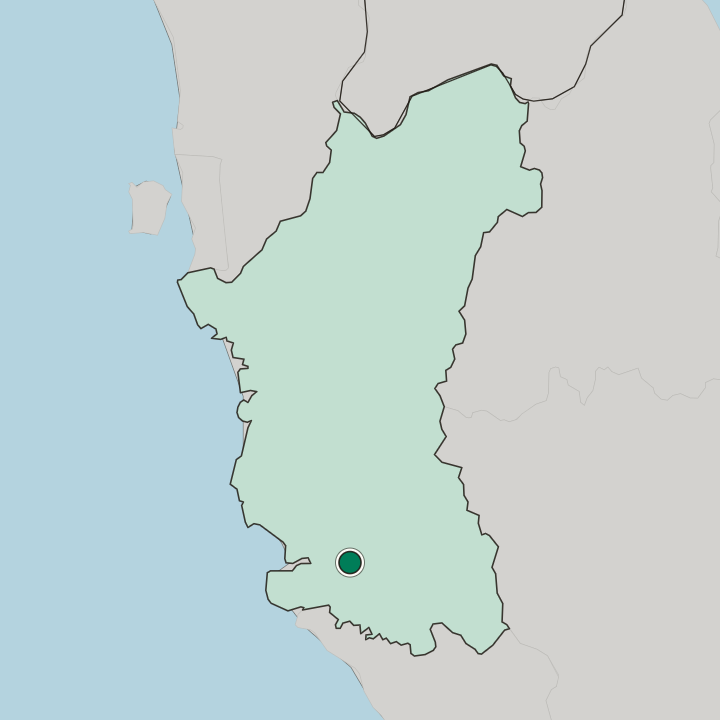
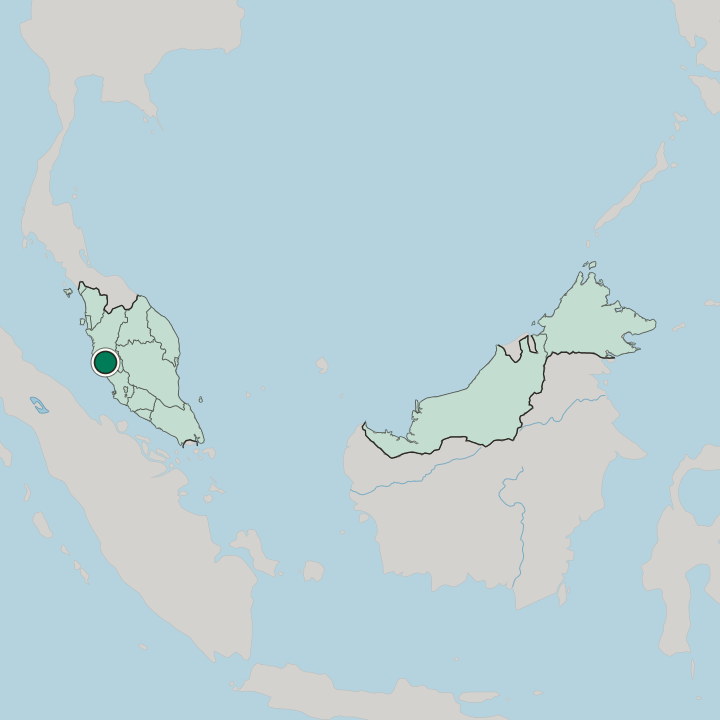
The Perak River loops almost all the way round the town, and the neck of that oxbow has narrowed enough that the channel may one day cut through and leave Teluk Intan an island. Sungai Bidor drains the same flat lowland. The ground is alluvium washed down from the tin workings of Batang Padang and the Kinta Valley, which is why the water runs opaque.
Changkat Jong sits a little higher. Nipah palm and mangrove filled the meander until the 1970s, and the opposite bank produced thatch and mangrove wood.
What is the climate of Teluk Intan?
Rain and tide, not temperature, set the calendar here. Teluk Intan lies low beside the Perak River, close enough to the sea that a spring tide pushes water back up the meander, and watergates and earth banks were built to keep it out of the streets. Flash floods were routine.
Since the Temenggor Dam was built upstream, they have become far less frequent. Humidity stays high in every month.
How do you get to Teluk Intan?
Five roads converge here. Federal Route 58 runs through as Jalan Changkat Jong and Jalan Maharaja Lela, state route A151 arrives as Jalan Sultan Abdullah, and A147 comes in as Jalan Padang Tembak. Buses from Ipoh leave Medan Kidd, those from Kuala Lumpur use Puduraya and Hentian Duta, and Star Shuttle links the town to KLIA by way of Bidor.
Lebuhraya Pesisiran Pantai Barat brings traffic in from Sitiawan and Lumut on the coast. The trains are gone. The Tapah branch line and the wharf at Batak Rabit closed in the 1970s, so nothing arrives by rail.
More cities in Perak
Updated September 2026