Malaysia
Perak, Malaysia — Towns & Travel Guide
Perak is a tin-country state on Malaysia's west coast, where the Kinta Valley and the Perak River shaped its towns.
Hotel links are affiliate links: booking through them may earn us a commission, at no extra cost to you. It never affects how places are ranked. How this works


Towns & cities in Perak
Pick a town or city — each links to where to stay.
 Malaysia
Ipoh
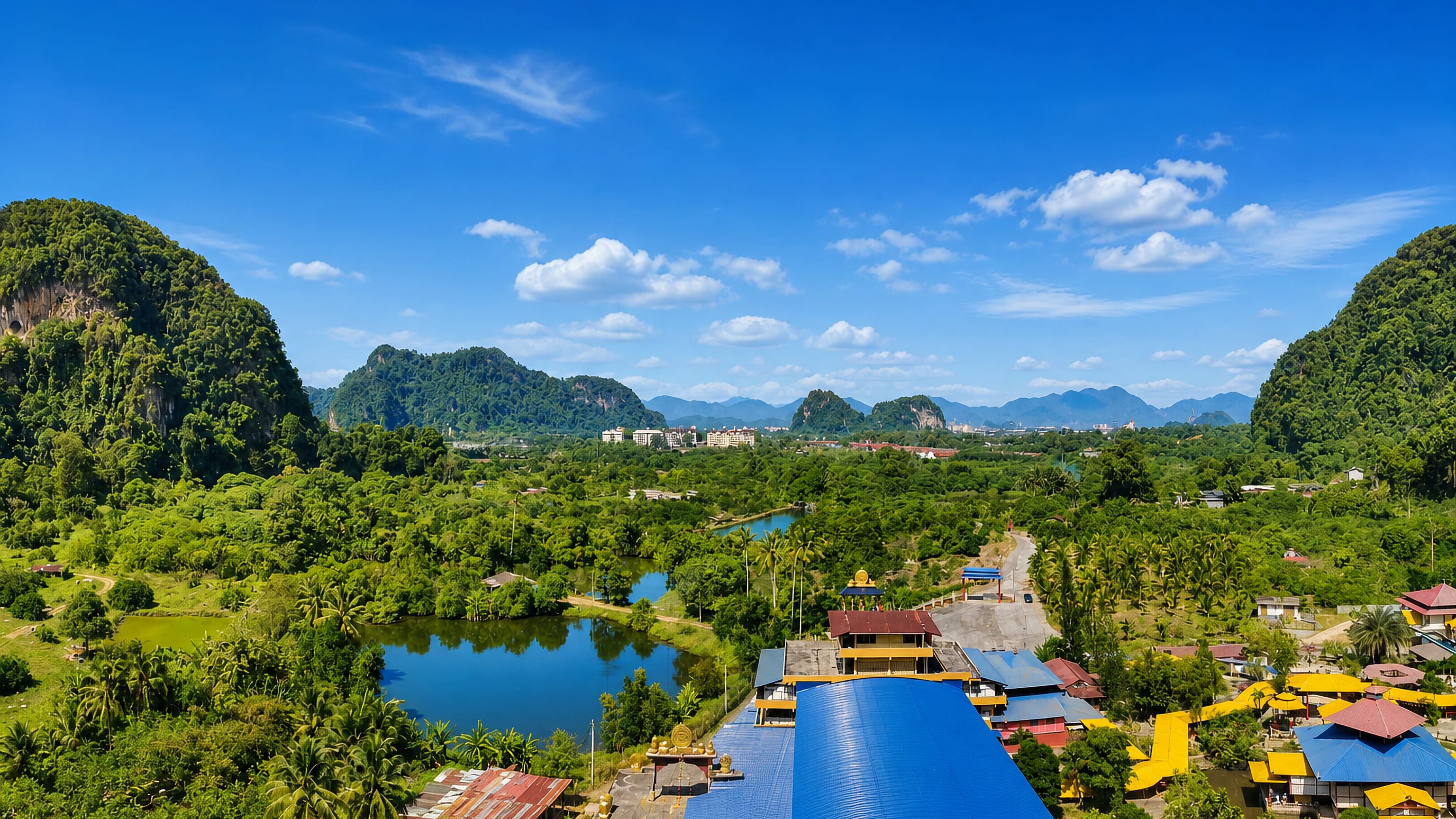
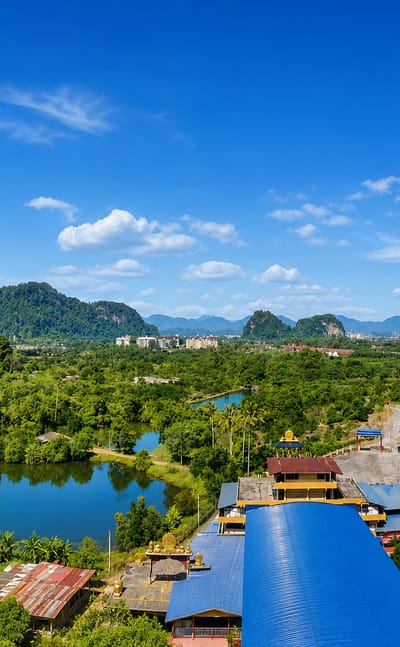
Steep limestone hills close around Ipoh, the tin-town capital of Perak on the Kinta River in Malaysia, known for its old town and hawker food.Where to stay →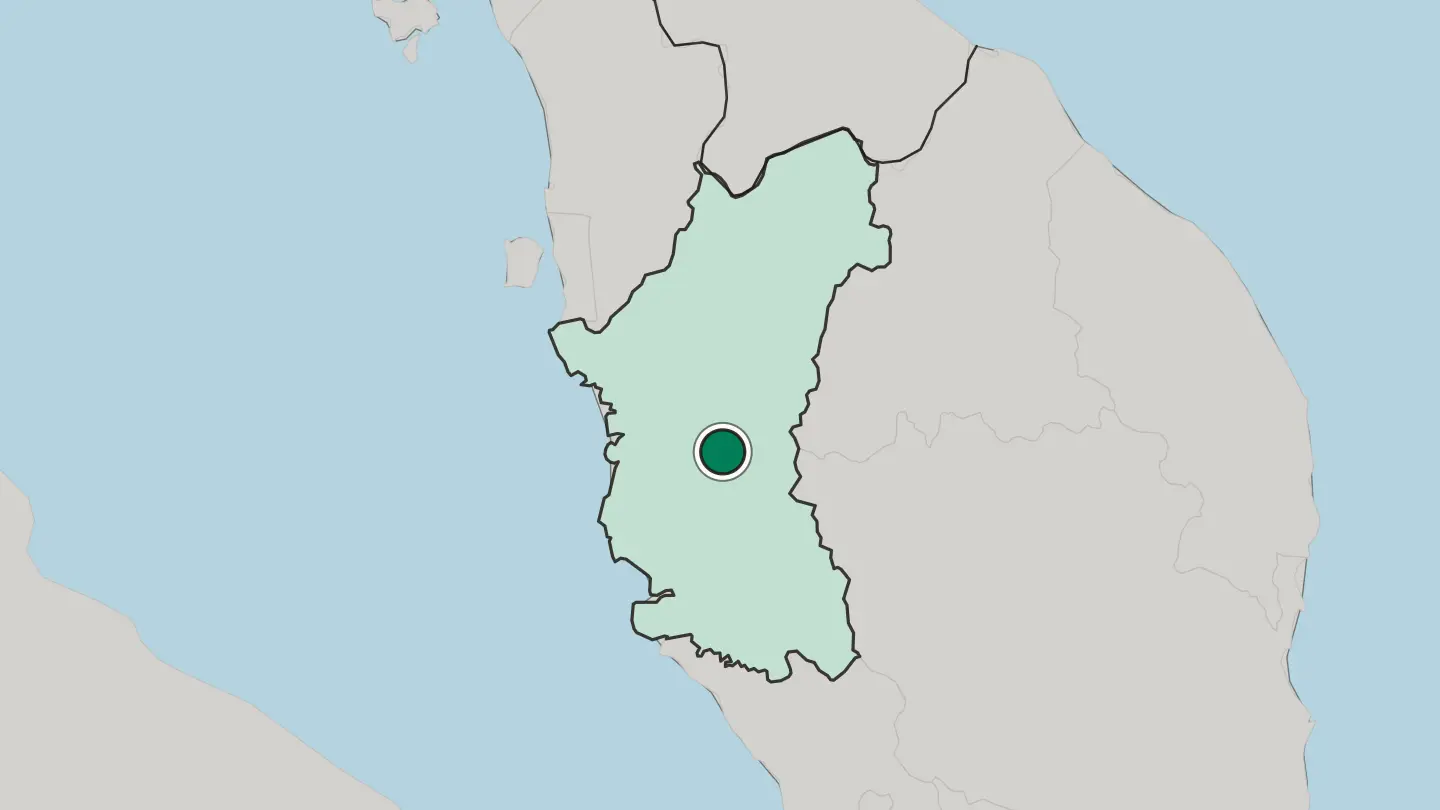
 Malaysia
Teluk Intan
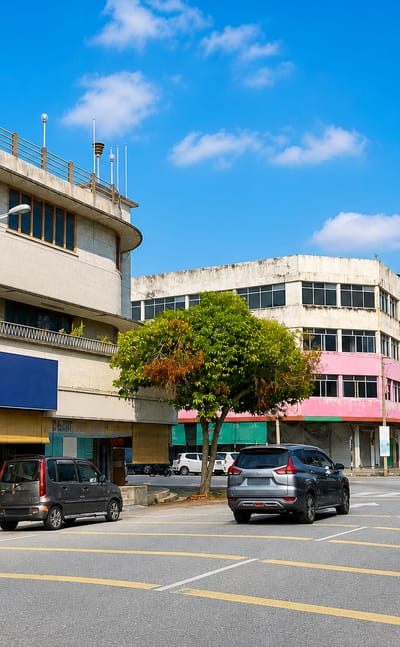
Teluk Intan curls around an oxbow bend of the Perak River, seat of Hilir Perak District and, until 1982, the port town of Teluk Anson.Where to stay →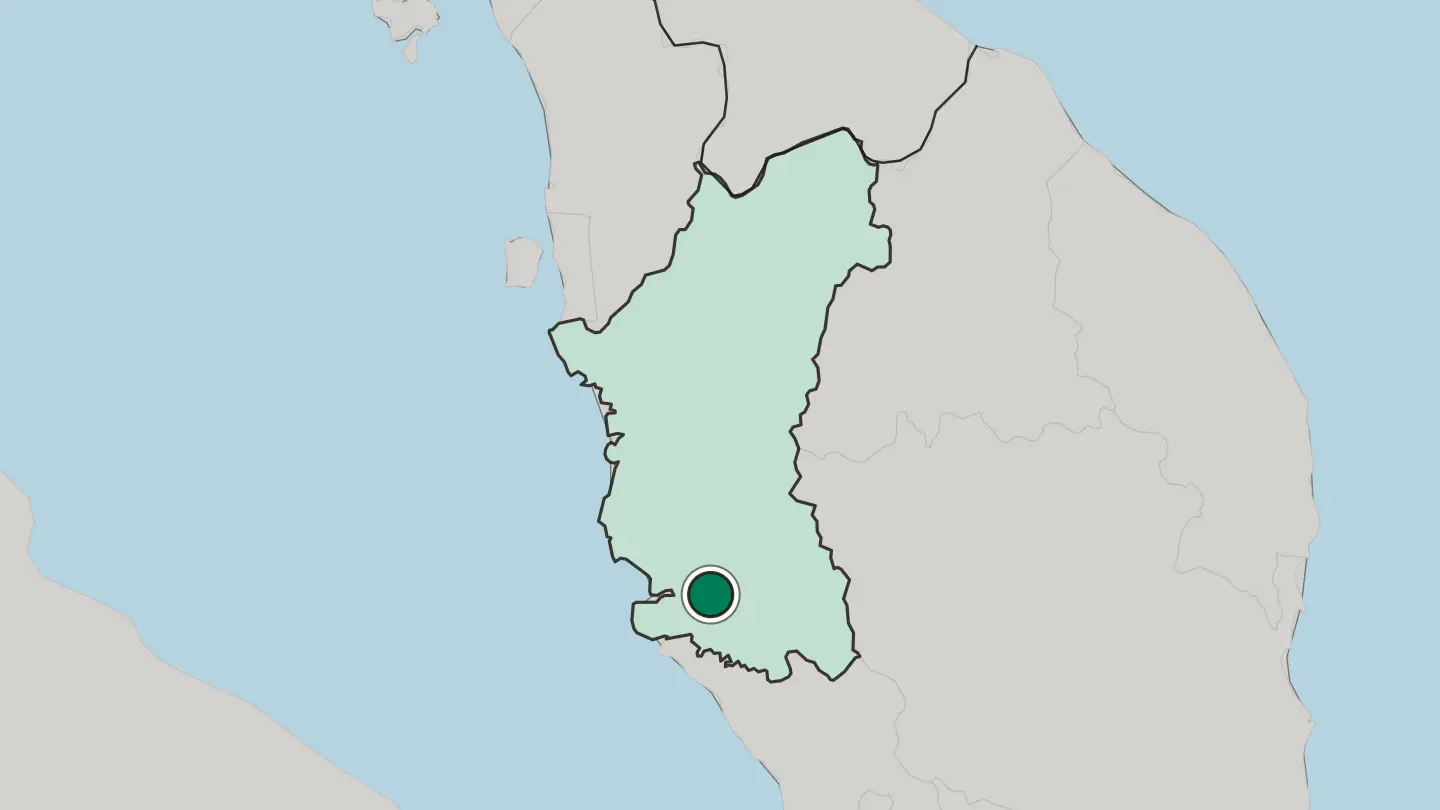
 Malaysia
Taiping
Taiping is Perak's second city, a museum town in the Larut, Matang and Selama District northwest of Ipoh.Where to stay →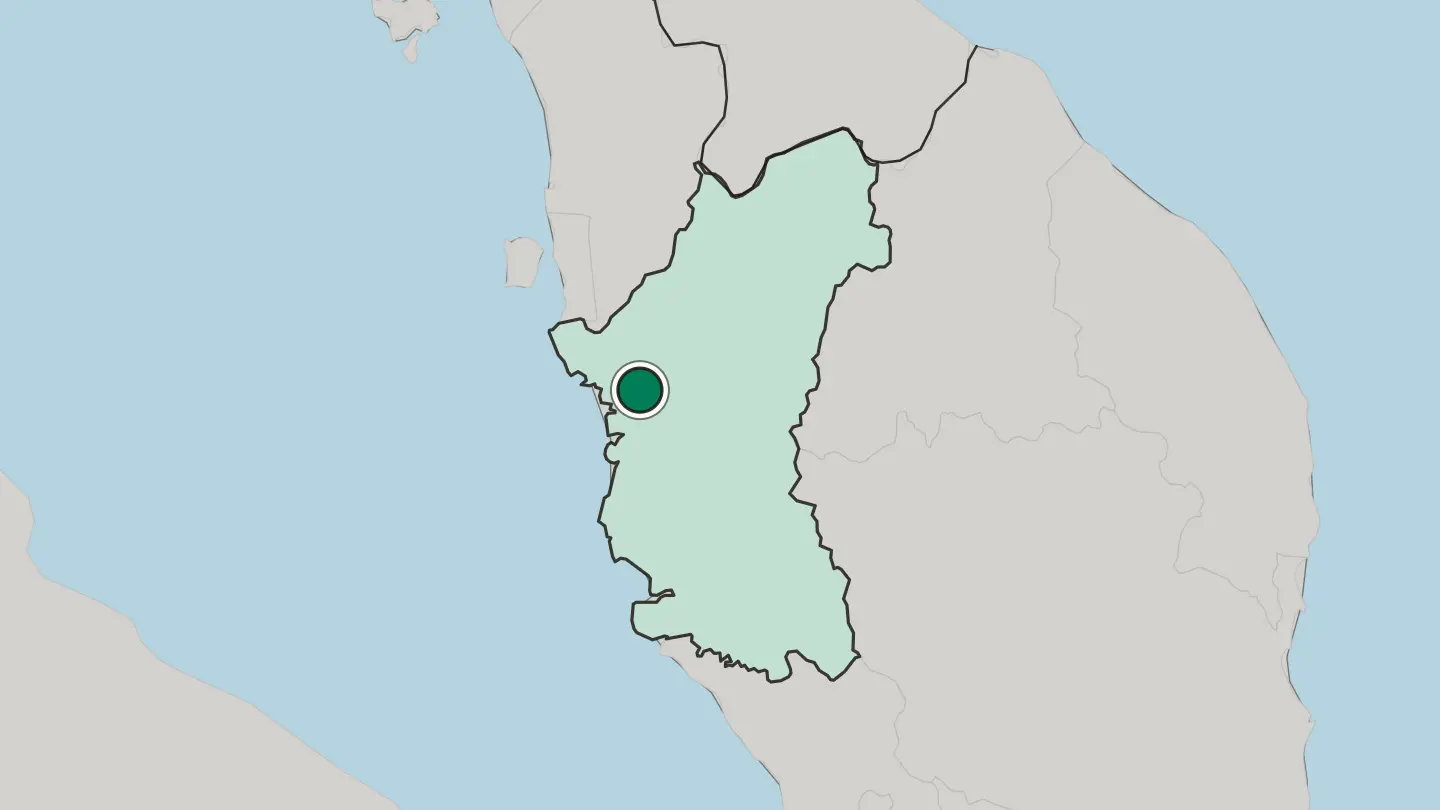 Malaysia
Tanjong Malim
Tanjong Malim is a town in Muallim District, Perak, on the Perak-Selangor border where Sungai Bernam divides the two states, dating from 1900.Where to stay →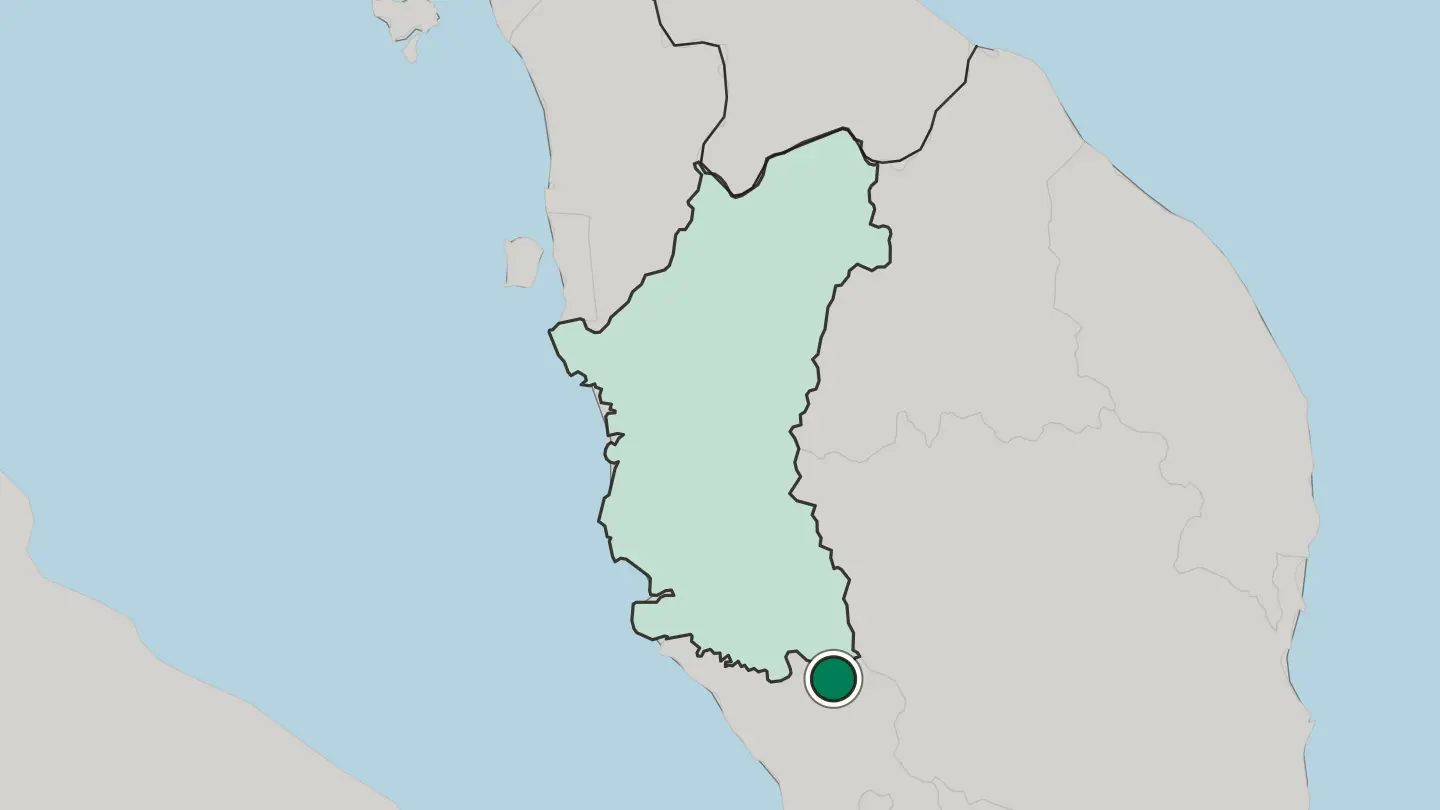
Hotel links are affiliate links: booking through them may earn us a commission, at no extra cost to you. It never affects how places are ranked. How this works
About Perak
Tin made Perak.
What is Perak known for?
Its very name means silver in Malay, and the Kinta Valley around Ipoh was once among the most productive tin fields on earth, drawing miners from across southern China and the wider region. Ipoh grew straight out of that boom, a grid of shophouses and cave temples in the limestone hills. Taiping, the older capital, keeps its Lake Gardens on ground that was itself once a mine.
Off the coast, Pangkor Island trades on beaches and old fishing jetties instead.
Where is Perak?
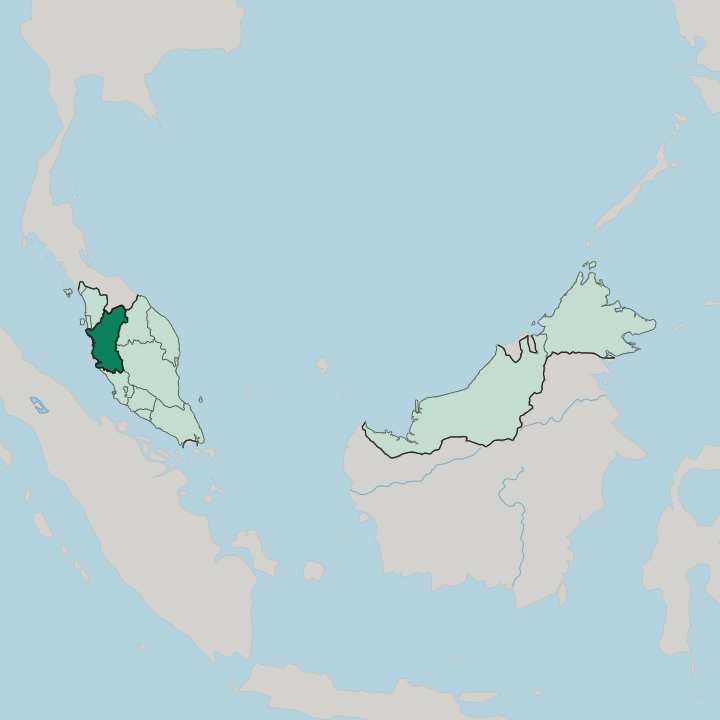
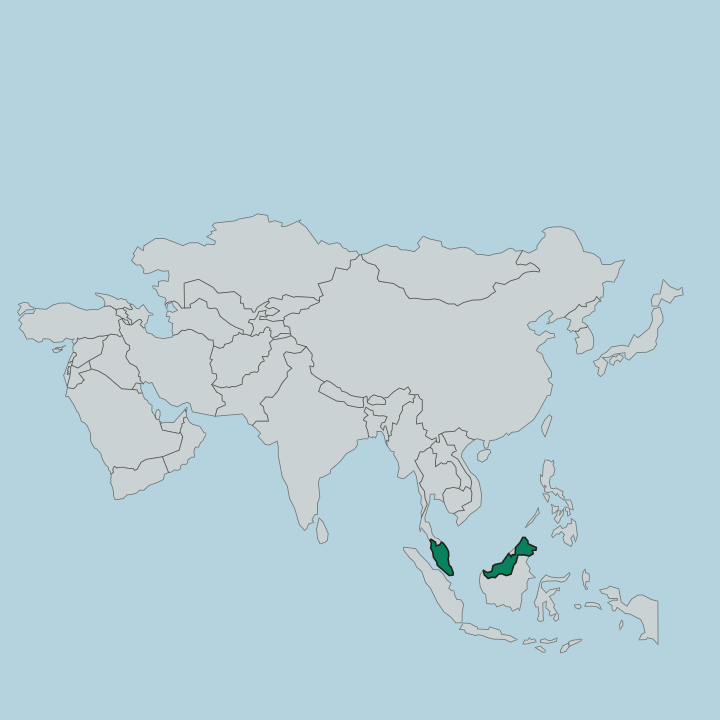
Perak sits on the west coast of the Malay Peninsula, the fourth-largest of Malaysia's states. Its western edge is sea. The Strait of Malacca runs the length of that coast, and Pangkor Island lies just offshore in it.
Inland the ground climbs fast. The Titiwangsa Mountains, the granite backbone of the peninsula, run down Perak's eastern side and wall it off from Kelantan and Pahang. Kedah and Penang lie to the north and north-west, Selangor to the south, and Thailand's provinces touch the far north.
The Perak River is the thread that ties it together. It is the second-longest river in Peninsular Malaysia, running some 400 kilometres from the northern hills down to the Strait of Malacca, and the royal town of Kuala Kangsar grew where the Kangsar River joins it. Its tributary, the Kinta River, drains the Kinta Valley in the centre of the state, a karst basin of limestone hills where Ipoh stands.
That valley of tin-bearing ground is the heart of Perak. Mount Korbu rises above 2,000 metres along the eastern range. From those heights the land falls through rainforest and old mining country to the flat, mangrove-fringed coast.
What is Perak like?
Perak reads as a layered place, and tin is the reason. The mines pulled in Malay, Chinese, and Indian labour across the nineteenth century, and that mix still sets the tone of daily life in Ipoh and Taiping. It shows first at the table.
Ipoh built a food reputation on Hakka and Cantonese cooking, on its bean sprout chicken and its white coffee, sold in shophouse kopitiams the miners left behind. Malay is the common language, with Mandarin and Tamil widely spoken alongside it and English as the trade tongue. The state's older identity lives up the Perak River at Kuala Kangsar, the royal town, where the Sultan's palace and the Ubudiah Mosque anchor a monarchy that traces back to the sixteenth century.
Between the two poles sit the working towns. Ipoh's grid of shophouses and cave temples, Taiping's shaded avenues of rain trees and its lake, the fishing jetties out on Pangkor Island. Faith is plural here.
Mosques, Chinese temples cut into the limestone, and Hindu shrines stand within a short walk of each other. The result is not one culture but several, kept in close company by the mines that first drew them together.
What is the history of Perak?
The Perak Sultanate was founded in 1528 by Muzaffar Shah I, eldest son of the last sultan of Malacca, and its line has held the throne ever since. For centuries the state lived off tin. That wealth is what drew Britain in: after the Pangkor Treaty of 1874 the British installed a resident and took control of the mines, and the tin rush that followed built Taiping and then Ipoh.
Kuala Kangsar stayed the royal seat while the capital moved to Ipoh in 1937. Silver ore named the state, but it was tin that made its modern shape.
What is the climate of Perak?
Perak is hot and wet all year. Temperatures barely move, sitting warm from the coast to the hills. Rain is the real variable: the north-east monsoon from November to March pushes heavy downpours into the upper Perak River country around Hulu Perak, where it can trigger serious flooding along the valley.
Taiping, tucked below the Bintang Range, catches so much of it that it stands as the wettest town in Peninsular Malaysia. Up in the eastern mountains the air turns cooler.
How do you get to Perak?
Come up from Kuala Lumpur. Most travellers reach Perak overland from the capital, a straight run north up the peninsula's main expressway and railway to Ipoh in a couple of hours. Ipoh has its own airport, Sultan Azlan Shah, with a handful of regional flights.
The electric train down the west-coast line puts Ipoh within easy reach of Penang to the north and Kuala Lumpur to the south. For Pangkor Island you drive to the coast at Lumut and take the ferry across the Strait of Malacca.
Common questions
What is the best area to stay in Perak?
Ipoh: a first base in Perak's tin country. Taiping: a quiet stay by the Lake Gardens. Pangkor Island: beaches and old fishing villages. Kuala Kangsar: the royal town on the Perak River.
Good for
More regions in Malaysia
Updated September 2026