Malaysia · Selangor
Where to Stay in Batu Caves, Selangor
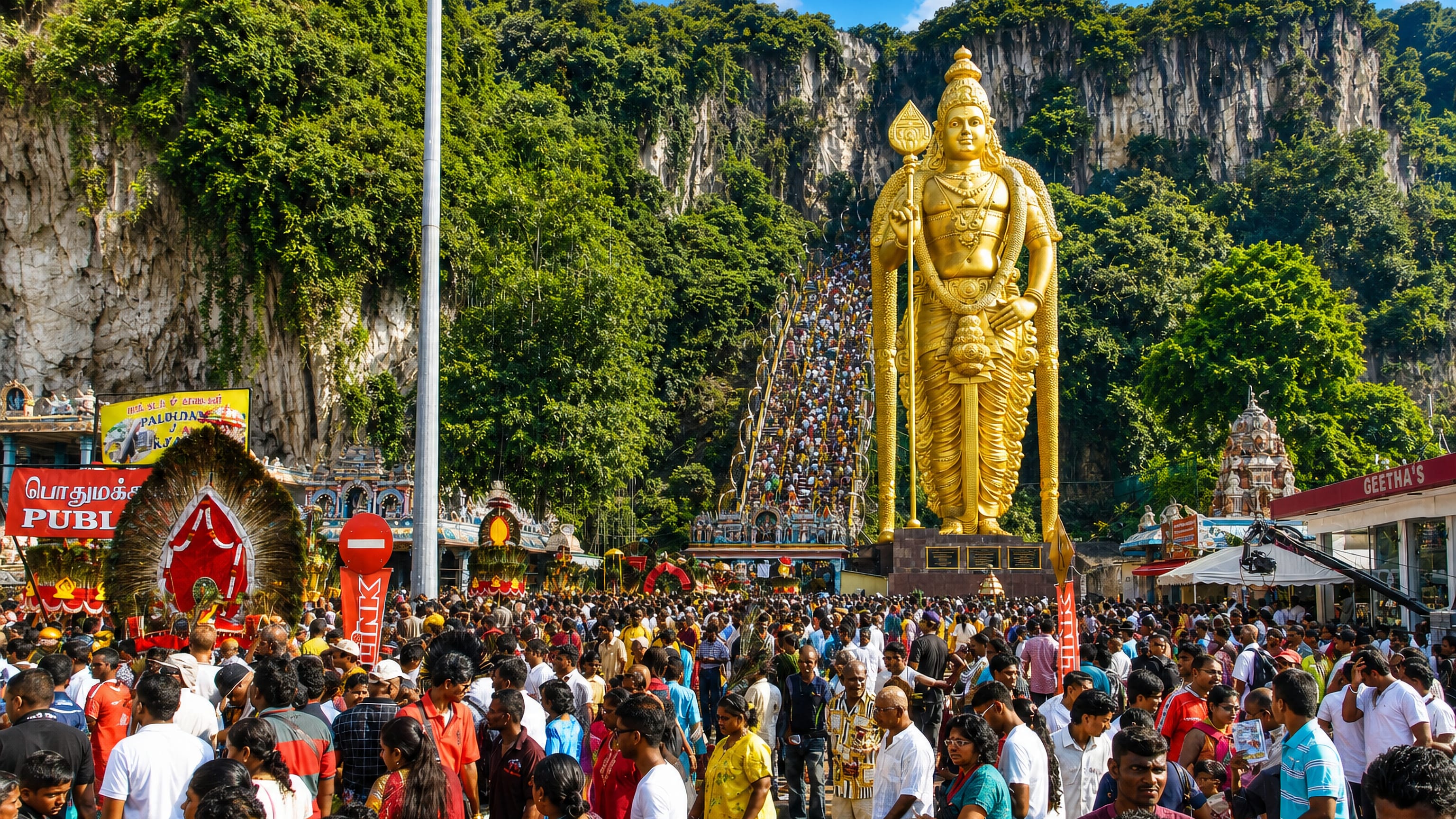
A steep limestone mogote rises at Batu Caves, a temple town in Gombak, Selangor, Malaysia, known for its Hindu cave shrines and the Murugan statue.
Hotel links are affiliate links: booking through them may earn us a commission, at no extra cost to you. It never affects how places are ranked. How this works


Where to stay in Batu Caves
Where the beds are, and what that means for the visit.
Batu Caves is a compact temple town. Its stays sort by how close they sit to the mogote and to the suburban rail line that runs south toward the capital. Right below the rock, the lanes around the temple gate hold small guesthouses and budget rooms within a short walk of the steps.
Book early. A little further out, the ordinary residential streets of Gombak spread around the station, quieter and cheaper, with local eateries and a straightforward commute into town. Others skip an overnight here, basing themselves in Kuala Lumpur to the south and riding out for the day.
You want the temple-gate lanes for the festival of Thaipusam and an early climb, and the Gombak streets for a calm, resident-scale stay near the mogote.
Find hotels in Batu Caves
Direct booking searches for these neighbourhoods.
The temple-gate lanes
Small guesthouses along the lanes below the mogote sit within a short walk of the steps up to the main cave shrine and the Thaipusam gathering.Find hotels in The temple-gate lanesA calm, resident-scale stayThe Gombak station streets
The residential streets of Gombak around the suburban station stay quieter and cheaper, with local eateries and a straightforward ride toward Kuala Lumpur.Find hotels in The Gombak station streetsHotel links are affiliate links: booking through them may earn us a commission, at no extra cost to you. It never affects how places are ranked. How this works
Things to do in Batu Caves
Ranked by global recognition; descriptions from Wikidata (CC0).
Museums & Galleries
3- National Museum of Malaysia Heritage
- Pusat Sains Negara
- Islamic Arts Museum Malaysia
Churches & Religious Sites
1- St. John's Cathedral
Castles & Historic Sites
1- National Monument
Nature & Outdoors
1- Batu Caves
Stadiums & Sports
1- Bukit Kiara Sports Complex
Parks & Gardens
1- Berjaya Times Square Theme Park
worth knowingacross 6 categories in Batu Caves
About Batu Caves
What is Batu Caves known for?
Batu Caves is known for the series of limestone caves that hold Hindu temples inside a steep mogote in Selangor. The tall Murugan statue stands at the foot of the rock, where a long flight of steps climbs to the main cave shrine dedicated to Murugan. The site is the focal point of the Tamil Hindu festival of Thaipusam in Malaysia.
Pilgrims gather here in great numbers. The caves draw both worshippers and visitors north of Kuala Lumpur to the shrine set deep in the hill.
What are the main landmarks in Batu Caves?
Batu Caves centres on the limestone mogote and the Hindu shrines cut into it. The tall Murugan statue guards the foot of the long stairway, and the Temple Cave at the top holds the main shrine dedicated to Murugan. Smaller caverns lower in the rock hold further temples and painted galleries.
The whole hill is the focal point of Thaipusam. Its stairs, statue, and cave chambers form one continuous pilgrimage route up through the mogote north of Kuala Lumpur.
What is the history of Batu Caves?
Batu Caves takes its shape from the limestone mogote that rises above the plain in Gombak, Selangor. Water carved the caverns into the rock over a vast span of time, leaving high chambers open at the top of the hill and reached only by a long climb. Tamil Hindu worshippers established the shrine to Murugan inside the largest cave, and the site grew into the chief centre of the festival of Thaipusam in Malaysia.
A stairway was built up to the Temple Cave. The tall Murugan statue was later raised at the foot of the steps, among the tallest such figures anywhere. Settlement gathered around the rock as the shrine drew people out from Kuala Lumpur.
The name marks the rock. Its caves and temples have turned a bare limestone hill in Selangor into a place of pilgrimage that fills each year at Thaipusam.
Where is Batu Caves?
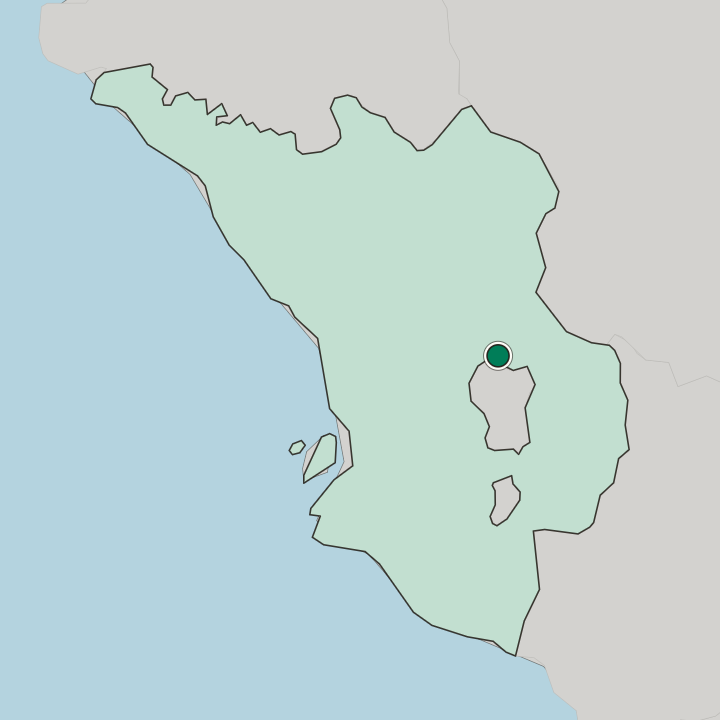
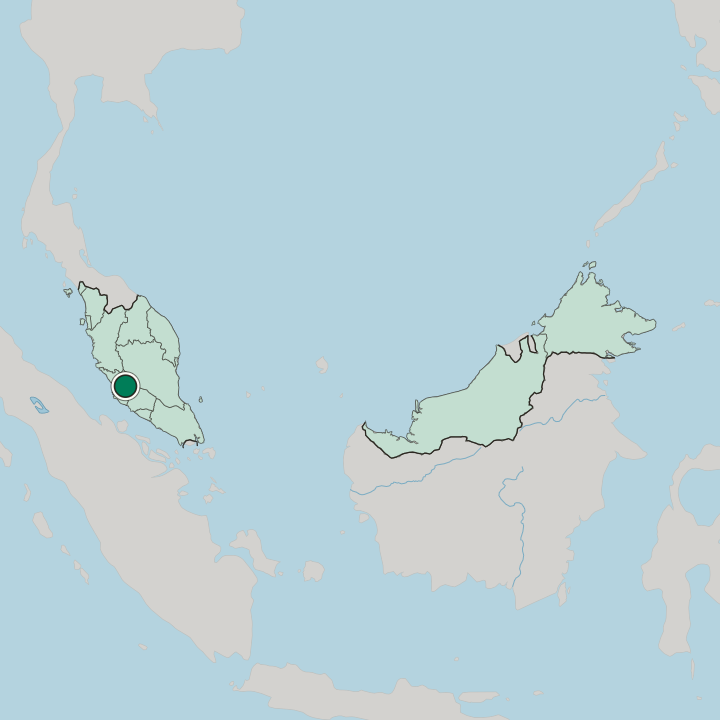
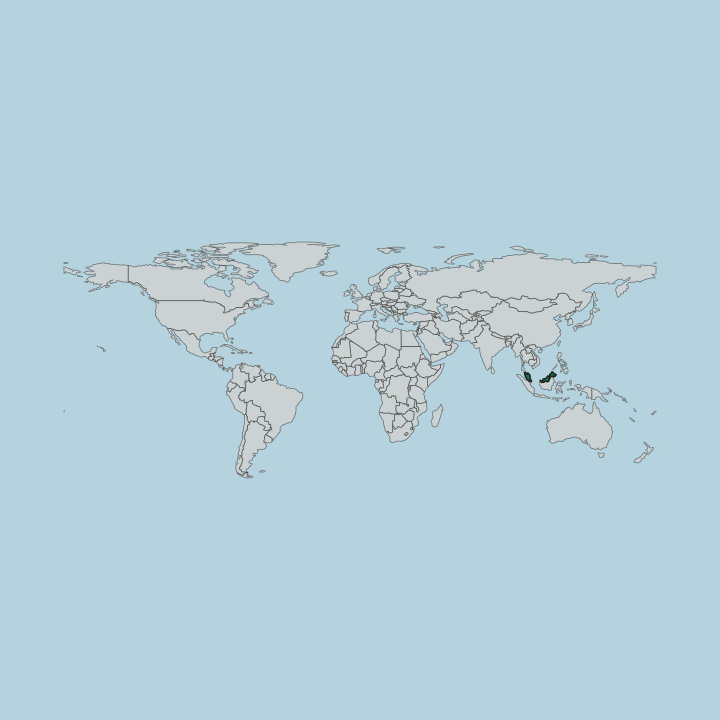
Batu Caves lies in Gombak, Selangor, on the western side of the Malay Peninsula, north of Kuala Lumpur. A steep limestone mogote rises straight from the surrounding lowland, and the caves open high in its flank. Flat valley ground spreads at its base.
Suburban development of the Kuala Lumpur fringe reaches out to the rock, so the hill stands as an abrupt grey outcrop above the built-up plain of Selangor, its temples set where the limestone meets the sky.
What is the climate of Batu Caves?
Batu Caves has a hot, humid tropical climate on the Malay Peninsula. Heat holds all year. The days stay consistently warm and the air is heavy, with rain arriving in monsoon spells rather than a cold season, and the limestone mogote often draped in afternoon cloud.
There is no winter here. The inland setting north of Kuala Lumpur brings the same year-round warmth and sudden downpours that mark the lowland around it.
How do you get to Batu Caves?
Batu Caves sits at the northern end of a suburban rail line reaching out from Kuala Lumpur. Trains run straight to the station at the foot of the mogote, and the shrine is a short walk from the platform up to the steps. Roads through Gombak, Selangor, also carry buses and taxis out from the capital.
Many arrive on a day trip. The rail link makes the caves one of the easiest sites to reach north of Kuala Lumpur, with the temple gate close to the line's end.
Common questions
What is the best area to stay in Batu Caves?
The temple-gate lanes: An early climb to the Murugan shrine. The Gombak station streets: A calm, resident-scale stay.
Good for
More cities in Selangor
Updated October 2026