Mozambique · Cidade de Maputo
Where to Stay in Maputo, Cidade de Maputo
Colonial palaces and concrete towers rise above the port at Maputo, capital of Mozambique, known for the Polana church and its harbourside centre.
Hotel links are affiliate links: booking through them may earn us a commission, at no extra cost to you. It never affects how places are ranked. How this works


Where to stay in Maputo
Where the beds are, and what that means for the visit.
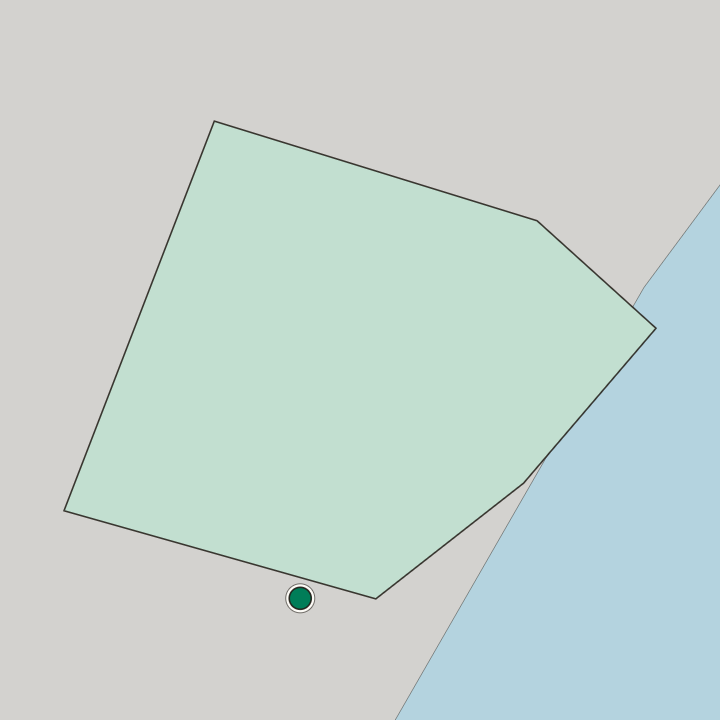
Where to stay in Maputo turns on the port and the old centre. The city gathers its colonial palaces, museums, and churches along the streets that run back from the harbour, so a central base puts the Natural History Museum of Mozambique, the National Museum of Art of Mozambique, and the Revolution Museum within reach. The centre holds the stone.
North of it, the Polana district climbs toward quieter, leafier streets around the Polana church. Each quarter reads differently. The old centre keeps the civic architecture and the surreal work of Pancho Guedes, while Polana trades the commercial streets for gardens and embassies around its landmark church.
Choose the centre if you want the museums and the harbour at your door. Polana suits a calmer stay. Further out, working neighbourhoods such as Chamanculo carry the city's older churches, including the Igreja de São Cipriano do Chamanculo, away from the busy core.
Find hotels in Maputo
Direct booking searches for these neighbourhoods.
City Centre
Maputo's old centre puts the Natural History Museum of Mozambique, the National Museum of Art of Mozambique, and the Revolution Museum within walking distance of the port.Find hotels in City CentreQuiet gardens and embassies around the Polana churchPolana
The Polana district climbs into leafy, embassy-lined streets gathered around the Polana church, north of Maputo's commercial core.Find hotels in PolanaOlder Maputo churches away from the tourist streetsChamanculo
Chamanculo carries Maputo's working-quarter churches, including the Igreja de São Cipriano do Chamanculo, well back from the harbour and the museums.Find hotels in ChamanculoHotel links are affiliate links: booking through them may earn us a commission, at no extra cost to you. It never affects how places are ranked. How this works
Things to do in Maputo
Ranked by global recognition; descriptions from Wikidata (CC0).
Museums & Galleries
3- Casa Amarela Heritage
- Revolution Museum
- Fisheries Museum
Churches & Religious Sites
3- Polana church Heritage
- São José de Lhanguene
- Igreja de Santa Ana de Munhuana
Stadiums & Sports
1- Josina Machel Secondary School Heritage
Landmarks & Notable Places
1- Vila Algarve Heritage
worth knowingacross 4 categories in Maputo
About Maputo
What is Maputo known for?
Maputo is known as the capital and largest city of Mozambique, a port city whose economy centres on commerce. Its architecture sets it apart. Old colonial palaces stand beside concrete blocks and later high-rises, and the surreal buildings of Pancho Guedes turn up in unexpected corners of the centre.
The city was formerly named Lourenço Marques. Its metropolitan area takes in the neighbouring city of Matola.
What are the main landmarks in Maputo?
Maputo's landmarks run from museums to churches and colonial-era buildings. The Natural History Museum of Mozambique, the National Museum of Art of Mozambique, and the Geology Museum hold the city's public collections, while the Revolution Museum and the Fisheries Museum trace its trades and its past. Churches mark the older quarters.
The Polana church, the Igreja de Santa Ana de Munhuana, and the Igreja de São Cipriano do Chamanculo stand among them, alongside colonial buildings such as Vila Algarve and the Casa Amarela.
What is the history of Maputo?
Maputo grew from a settlement founded in 1781 near the southern end of what became Mozambique. Portuguese traders held the harbour. The port drew commerce, and the town that rose around it was named Lourenço Marques, a name it carried through the colonial centuries as the settlement grew into a capital.
It kept that name for generations. Independence reshaped the city. The town was later renamed Maputo, and its Revolution Museum records the struggle that ended colonial rule.
The colonial buildings stayed. Vila Algarve, the Casa Amarela, and the Polana church survive from the older city, standing among the concrete of later decades, while the Natural History Museum of Mozambique keeps collections gathered across that long history. The stone outlasts the paint.
Where is Maputo?
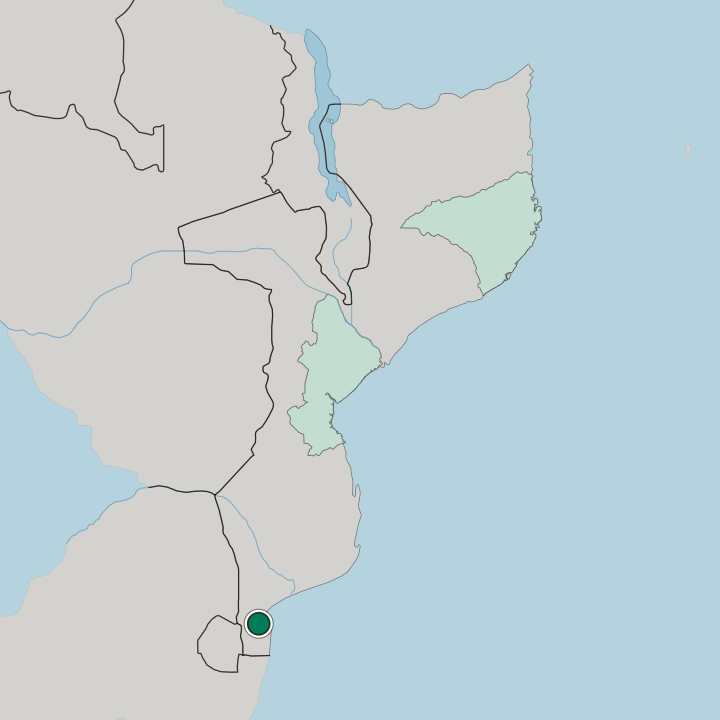
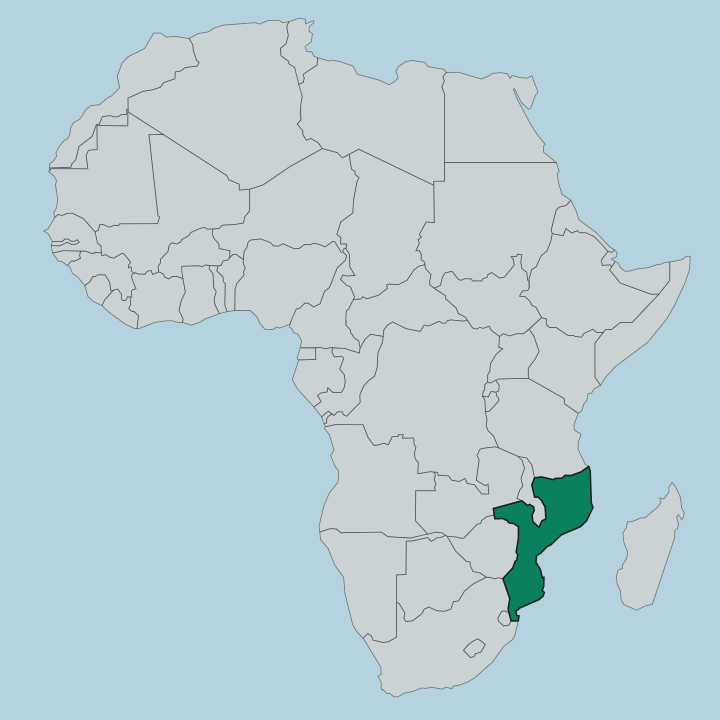
Maputo lies near the southern end of Mozambique, a port city set where the land runs down to the coast within reach of the borders with Eswatini and South Africa. The harbour defines it. Streets climb from the waterfront through the old centre toward the higher ground of Polana, and the metropolitan area spreads to take in the neighbouring city of Matola.
The setting is low and coastal.
What is the climate of Maputo?
Maputo has a warm subtropical climate, shaped by its low coastal setting near the southern end of Mozambique. Summers are hot and wet. The rains fall in the southern-hemisphere summer, from the closing months of one year into the first of the next, while the winter stays dry, mild, and cooler under clear skies.
The sea softens the heat. Warm, humid air off the coast keeps the port and the higher ground of Polana mild even through the cooler months.
How do you get to Maputo?
Maputo is reached by air, road, and sea near the southern end of Mozambique. The port anchors it. Ships call at the harbour that built the city, the airport serving the capital links it to the wider world, and roads run out toward the nearby borders with Eswatini and South Africa.
The centre lies close to the water. From there, routes lead on to the neighbouring city of Matola and into the wider country.
Common questions
What is the best area to stay in Maputo?
City Centre: Maputo's museums and the working harbour. Polana: Quiet gardens and embassies around the Polana church. Chamanculo: Older Maputo churches away from the tourist streets.
Good for
Updated September 2026