Nigeria · Kaduna State
Where to Stay in Kaduna, Kaduna State
Kaduna, founded in 1913 on the Kaduna River, is the capital of Kaduna State and a rail and road junction for the trade of Northern Nigeria.
Hotel links are affiliate links: booking through them may earn us a commission, at no extra cost to you. It never affects how places are ranked. How this works


Where to stay in Kaduna
The practical side of choosing where to sleep.
Arewa House fixes one side of the choice. Rooms near it put a visitor close to the museum and to the older institutional quarter that Kaduna kept from its years as the political capital of Northern Nigeria. The river splits the city.
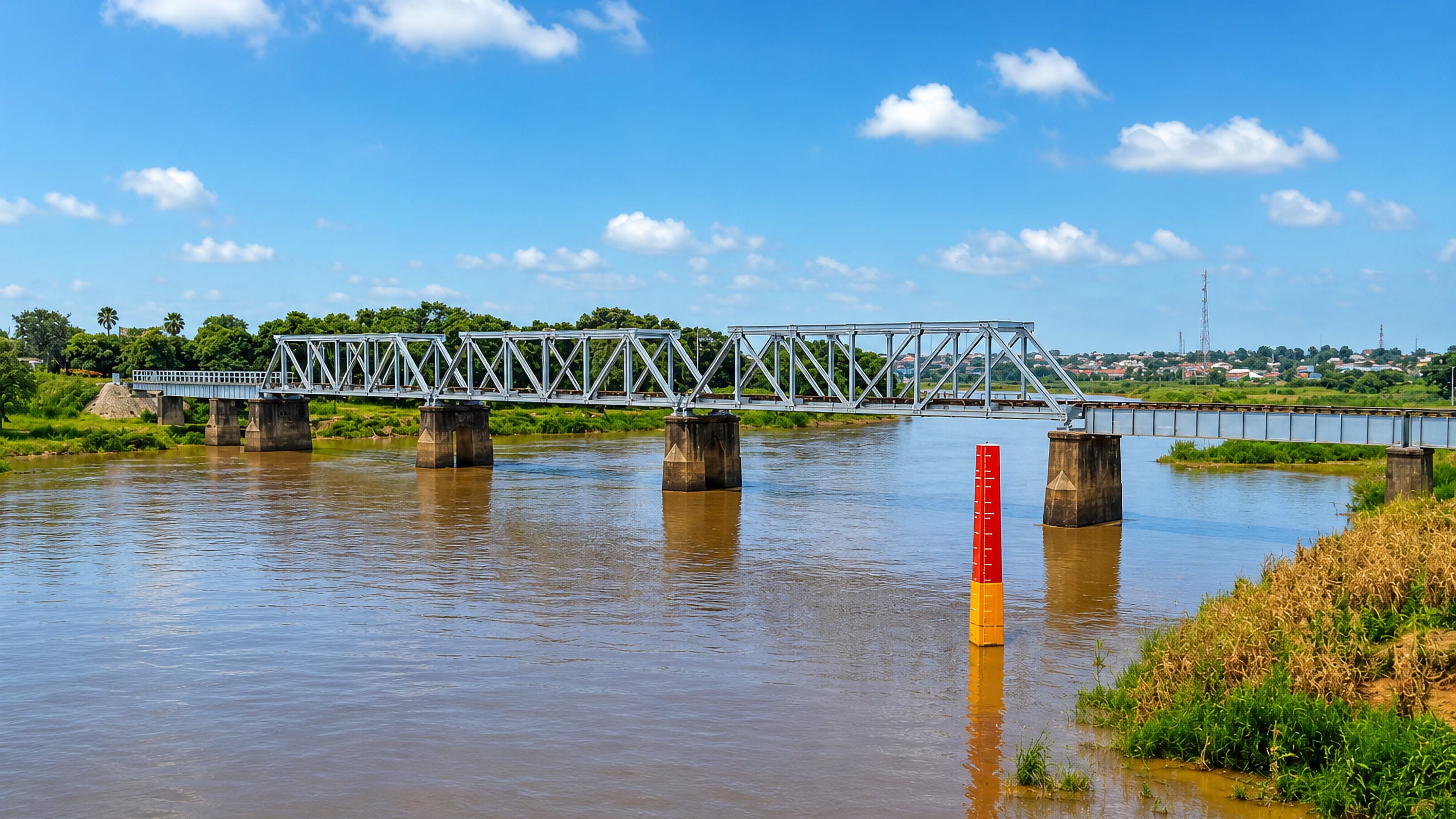
Kaduna sits on the Kaduna River, and the Steel Foot Bridge that Lord Lugard had built still marks the crossing between its banks. Hebe Mosque anchors the other end. A bed on that side suits arrivals who care more about the mosque and the markets than about Arewa House, and the transport junction remains within reach either way.
Churches are scattered through the built-up streets. First Baptist Church Kaduna and The Lighthouse Church Kaduna stand among the residential quarters, away from the institutional buildings that draw most visitors. Nagwamatse House is the third marker.
It stands with Arewa House among the buildings that give central Kaduna its shape, and a stay in that quarter keeps both the museum and the river crossing in walking range. Okpoko lies out beyond. Its Living Faith church marks that outer ground, where beds are fewer and a car matters more than a walk.
Find hotels in Kaduna
Direct booking searches for these neighbourhoods.
Around Arewa House
Arewa House and its museum stand in the institutional quarter Kaduna kept from the administration of Northern NigeriaFind hotels in Around Arewa HouseMornings at Hebe Mosque and the trade streets behind itThe Hebe Mosque side
Hebe Mosque marks the side of Kaduna where the market trade concentratesFind hotels in The Hebe Mosque sideCrossings on the Steel Foot Bridge that Lord Lugard builtBy the Kaduna River
The Kaduna River runs through the middle of the city, with Lord Lugard's Steel Foot Bridge as the walking crossingFind hotels in By the Kaduna RiverNights out past the built-up edge of KadunaOkpoko
Okpoko sits beyond the central quarters, where lodging thins and a car is assumed. Lodging is scarce in this area; reserve in advance.Find hotels in OkpokoHotel links are affiliate links: booking through them may earn us a commission, at no extra cost to you. It never affects how places are ranked. How this works
Things to do in Kaduna
Ranked by global recognition; descriptions from Wikidata (CC0).
Museums & Galleries
2- Arewa House Heritage
- Arewa House Museum
Churches & Religious Sites
3- Hebe Mosque Heritage
- First Baptist Church Kaduna
- The Lighthouse Church Kaduna
Castles & Historic Sites
1- Steel Foot Bridge, Built by Lord Lugard Heritage
Landmarks & Notable Places
1- Nagwamatse House
worth knowingacross 4 categories in Kaduna
About Kaduna
Rail and road meet here.
What is Kaduna known for?
Kaduna works as a trade centre for the farming country around it, and the junction of its rail and road network is what moves that produce on to the northern states. Arewa House holds the memory. The building and its museum keep the record of Kaduna's turn as the political capital of Northern Nigeria, a role the city no longer carries.
What are the main landmarks in Kaduna?
Arewa House leads the list. The house and the Arewa House Museum beside it hold the record of Kaduna's political past, and Nagwamatse House stands among the same set of older civic buildings. Faith buildings follow.
Hebe Mosque, First Baptist Church Kaduna and The Lighthouse Church Kaduna serve the city, while the Steel Foot Bridge that Lord Lugard built carries foot traffic over the Kaduna River.
What is the history of Kaduna?
Kaduna dates from 1913. The city was laid out in that year, and Lord Lugard's name attaches to the Steel Foot Bridge that still crosses the Kaduna River in the middle of it. Northern Nigeria was governed from here.
Kaduna served as the political capital of Northern Nigeria, which is why its civic buildings, Nagwamatse House and Arewa House among them, outlast that role. The railway made the rest. A rail and road junction grew here, and Kaduna became the transport point through which the produce of the surrounding agricultural areas reached the northern states of Nigeria.
Trade followed the tracks. Kaduna State ranks fourth largest in Nigeria, and its capital took the commerce that a junction city collects. Congregations came with the growth.
First Baptist Church Kaduna, The Lighthouse Church Kaduna and Hebe Mosque all stand within the built-up city, and Okpoko carries its own Living Faith church out past the older quarters. Arewa House Museum keeps the documents. What the city held as the seat of a regional administration is a matter of record rather than of function, and the trade and the junction carry Kaduna instead.
Where is Kaduna?
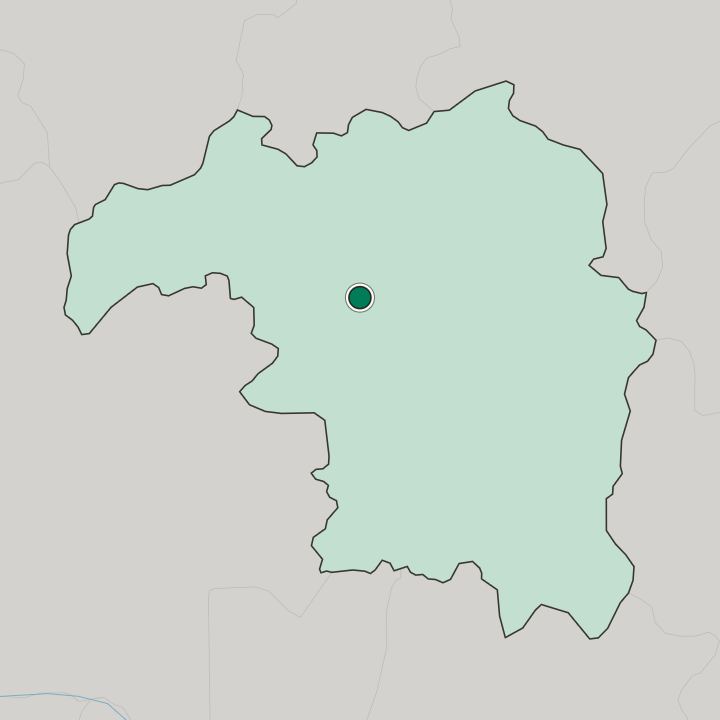
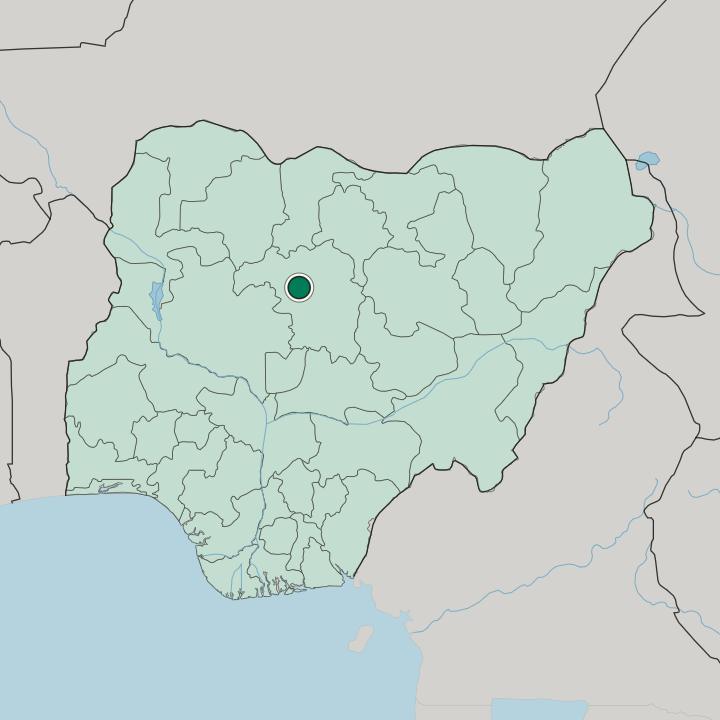
The Kaduna River runs through the city. Kaduna stands on its banks, with the Steel Foot Bridge as one crossing, and farming country spreads out around the built-up area toward the rest of Kaduna State. Kaduna State is the fourth largest in Nigeria.
Okpoko sits out at the edge of that spread. The junction of rail and road holds the middle of it all.
What is the climate of Kaduna?
Kaduna River levels tell the year. The city lies within the tropics, so the calendar turns on wet and dry rather than on heat, and the river carries most in the months when the farms around Kaduna State are working. Dry stretches are the easy season for the roads.
Crossing the Steel Foot Bridge is simple work then, and the junction traffic moves without hindrance.
How do you get to Kaduna?
Kaduna was built around a junction. Rail and road meet in the city, which is the reason it functions as the transport hub for the agricultural areas around it and for the northern states beyond. Trains and lorries both arrive.
Inside the city, the Steel Foot Bridge takes walkers over the Kaduna River, while Arewa House and Hebe Mosque sit on the routes through the centre.
Common questions
What is the best area to stay in Kaduna?
Around Arewa House: Visits centred on the Arewa House Museum. The Hebe Mosque side: Mornings at Hebe Mosque and the trade streets behind it. By the Kaduna River: Crossings on the Steel Foot Bridge that Lord Lugard built. Okpoko: Nights out past the built-up edge of Kaduna.
Good for
Another city in Kaduna State
Updated October 2026