Nigeria
Kaduna State, Nigeria — Towns & Travel Guide
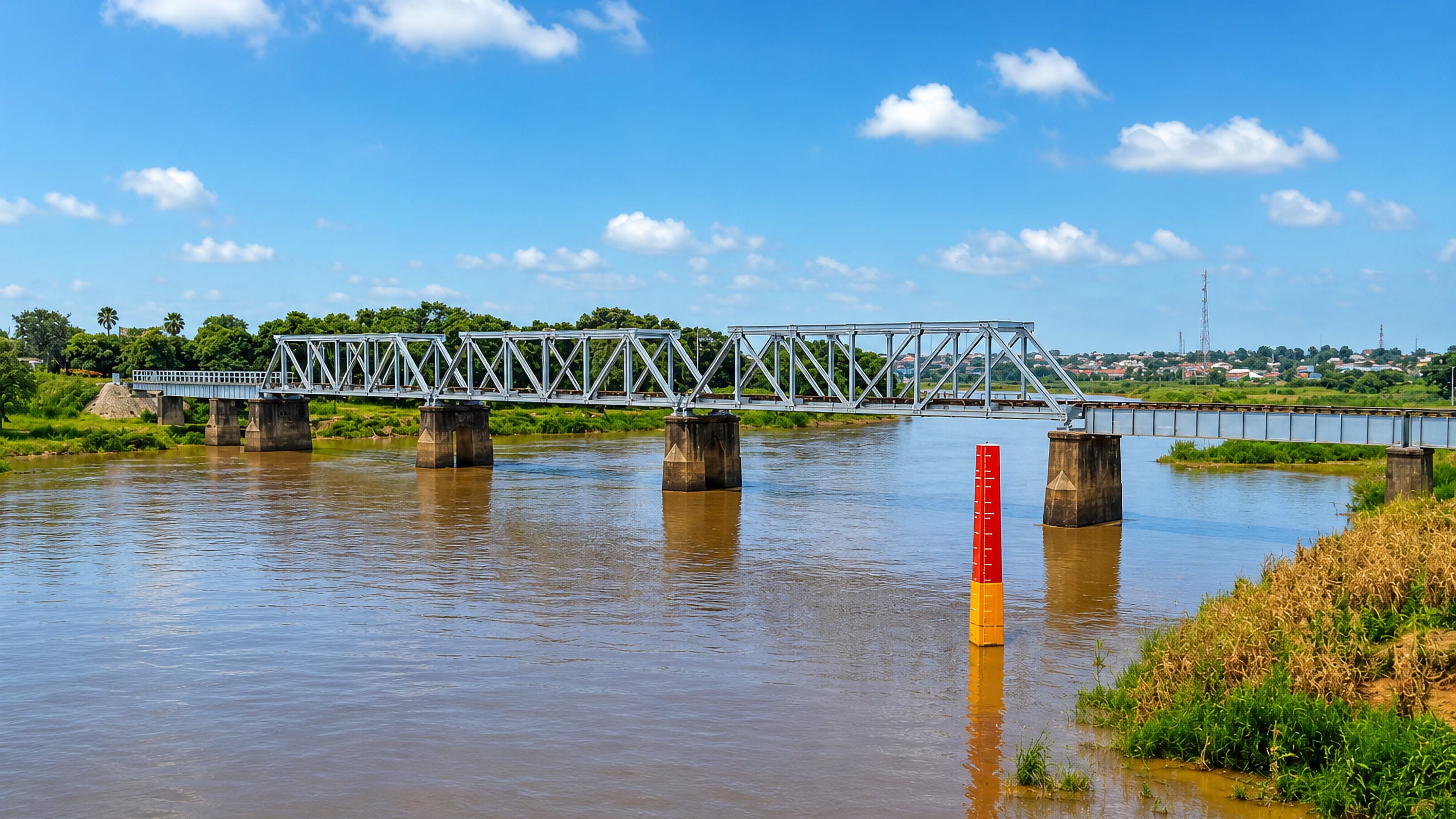
Kaduna State spreads across the savannah of north-west Nigeria, its namesake capital straddling the Kaduna River.
Hotel links are affiliate links: booking through them may earn us a commission, at no extra cost to you. It never affects how places are ranked. How this works


Towns & cities in Kaduna State
Pick a town or city — each links to where to stay.

 Nigeria
Kaduna
Kaduna, founded in 1913 on the Kaduna River, is the capital of Kaduna State and a rail and road junction for the trade of Northern Nigeria.Where to stay →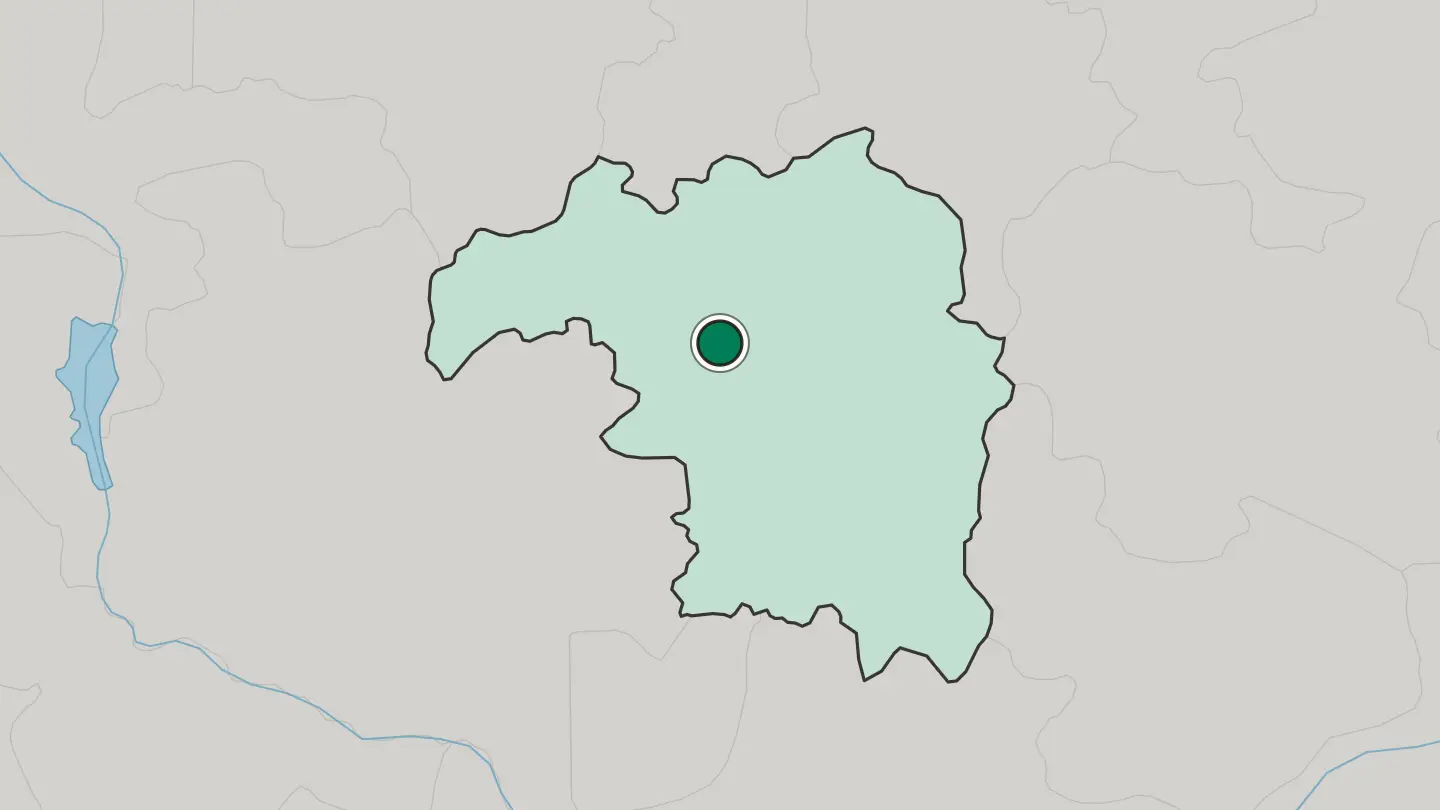
 Nigeria
Zaria
Zaria, one of the original seven Hausa city-states, is the seat of the Zazzau Emirate Council in Kaduna State, Nigeria, ringed by its old city walls.Where to stay →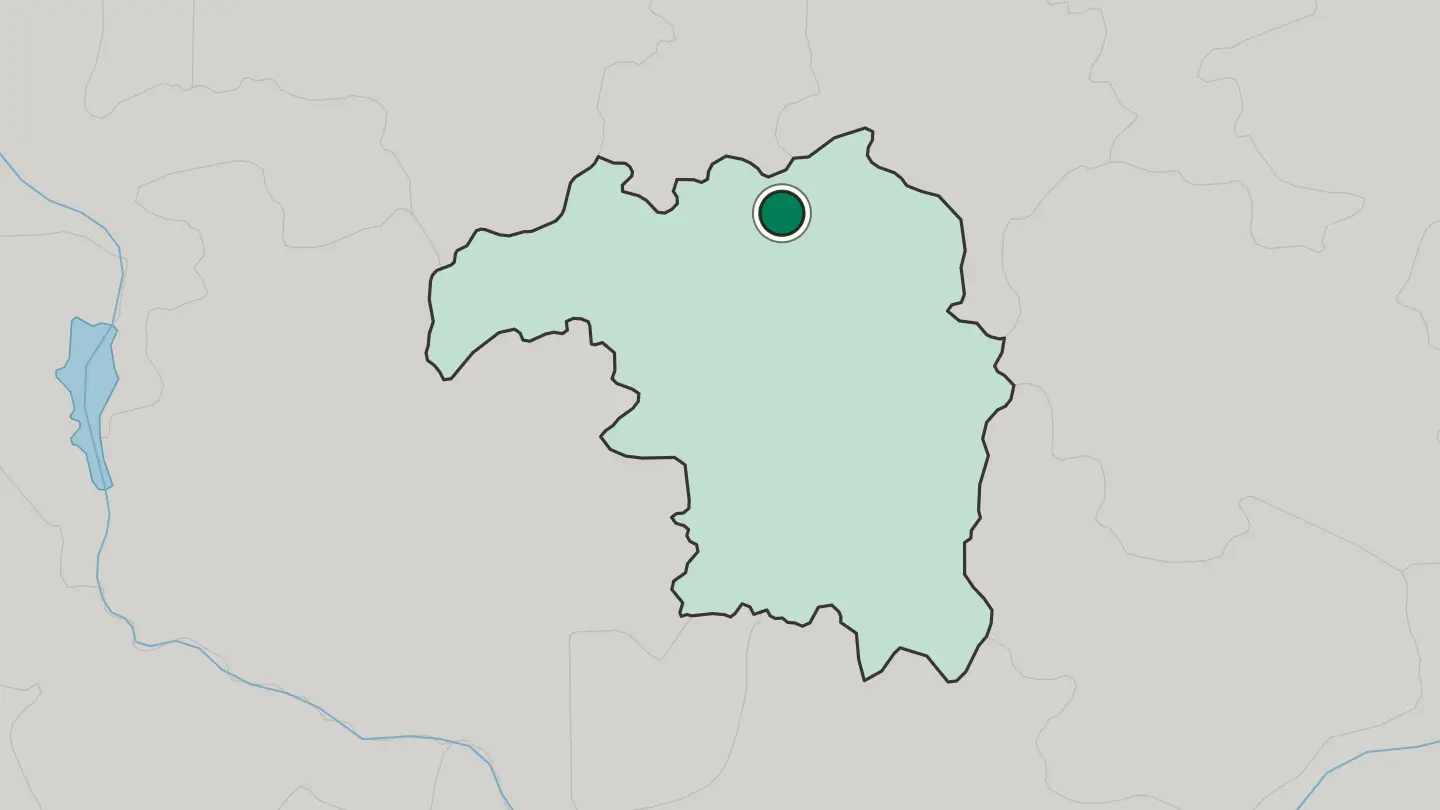
Hotel links are affiliate links: booking through them may earn us a commission, at no extra cost to you. It never affects how places are ranked. How this works
About Kaduna State
What is Kaduna State known for?
Kaduna State is Nigeria's centre of learning. Ahmadu Bello University in Zaria, the Nigerian Defence Academy in Kaduna city, and Kaduna Polytechnic draw students from across the country, and the schools give the state its nickname. The land itself carries deeper history: the Nok culture, whose terracotta figures rank among Africa's oldest sculpture, takes its name from a village in the state's southern hills.
Zaria keeps the mud walls raised under Queen Amina of Zazzau.
Where is Kaduna State?
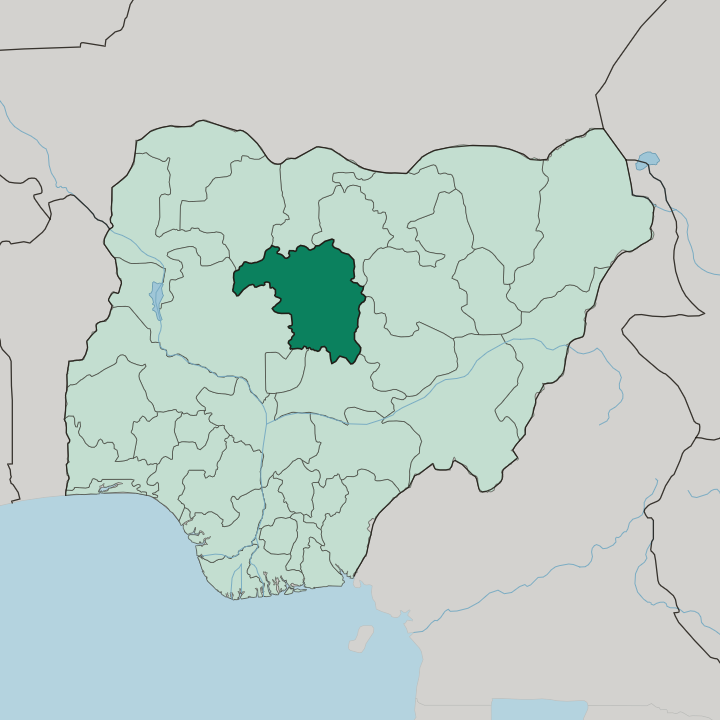
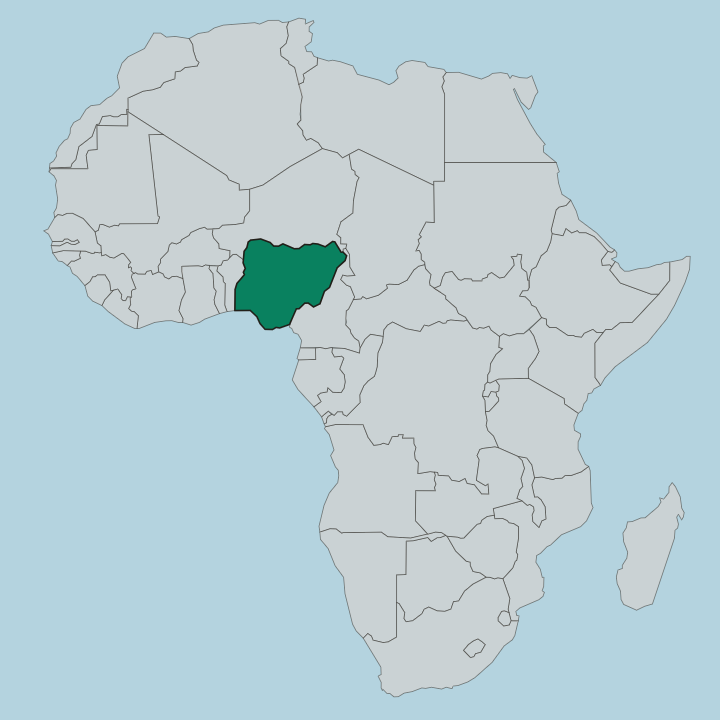
Kaduna State lies in the north-west of Nigeria, on the high plains that roll north from the country's centre. Katsina and Zamfara border it to the north, Kano to the north-east, Bauchi and Plateau to the east, and Niger to the west, while Nasarawa and the Federal Capital Territory of Abuja adjoin its southern edge. The Kaduna River gives the state and its capital their name.
It rises on the Jos Plateau to the south-east, near Vom, then swings north-west past the capital before turning to join the Niger River far downstream. Vegetation shifts as you cross the state. The drier Sudan savannah of scattered short trees and grass covers the north, while the wetter Guinea savannah of the south breaks into hills.
The Kagoro Hills rise in the far south, catchment for the Matsirga waterfalls near Kafanchan. Abuja sits just beyond the southern boundary. That closeness to the federal capital, an easy train ride away, shapes how most travellers reach the state.
What is Kaduna State like?
More than fifty peoples share Kaduna State, and the mix defines it. Hausa and Fulani communities hold the northern towns and the capital, where Hausa is the working language of the market and the street. The southern half is a mosaic of smaller groups, the Gbagyi, Adara, Ham, Atyap and others, many following Christian or older traditional faiths where the north is largely Muslim.
That fault line between north and south runs through the state's politics and its everyday life. Zaria carries the older story. One of the seven original Hausa city-states, it was ruled in legend by Queen Amina of Zazzau, whose earthen walls still trace the old town.
The state's deepest roots lie further back still. Near the village of Nok in the southern hills, tin miners turned up terracotta heads that gave a name to the Nok culture, the sculptors who worked this land two thousand years and more before any emirate. Craft, faith and language layer over one another here.
What is the history of Kaduna State?
The capital was a colonial creation. Frederick Lugard moved the seat of Northern Nigeria from Zungeru to a new town on the Kaduna River in 1916, and the place grew as the administrative heart of the whole north. Long before that, Zaria stood among the seven Hausa city-states, later swept into the Sokoto Caliphate during Usman dan Fodio's jihad.
Kaduna State took its present form in 1976, when the old Northern administration was carved into smaller units and Katsina was eventually split away.
What is the climate of Kaduna State?
Kaduna State runs on two seasons. A long rainy stretch soaks the land from about June to September, when the Kagoro Hills channel enough water to swell the Matsirga waterfalls. Then the sky clears.
The dry season brings the harmattan, a dusty wind off the Sahara that hazes the savannah and cools the nights. The higher northern plains keep the state milder than the lowlands below. Afternoons still run hot.
Green comes with the rain, brown with the dust.
How do you get to Kaduna State?
Most travellers reach Kaduna State through Abuja. The federal capital lies just south of the border, and its airport is the usual arrival point for the region. From there the fast, guarded railway line runs up to the terminal at Rigasa on the edge of Kaduna city, the easiest and safest way north.
Kaduna also has its own airport for domestic flights. Roads link the capital on to Zaria and south toward Kafanchan, though the train carries most of the traffic between Abuja and the state.
Common questions
What is the best area to stay in Kaduna State?
Kaduna city: arrivals and the state capital. Zaria: Hausa history and old Zazzau. Kafanchan and the southern hills: the Kagoro Hills and Matsirga falls.
Good for
More regions in Nigeria
Updated September 2026