Nigeria · Ondo State
Where to Stay in Akure, Ondo State
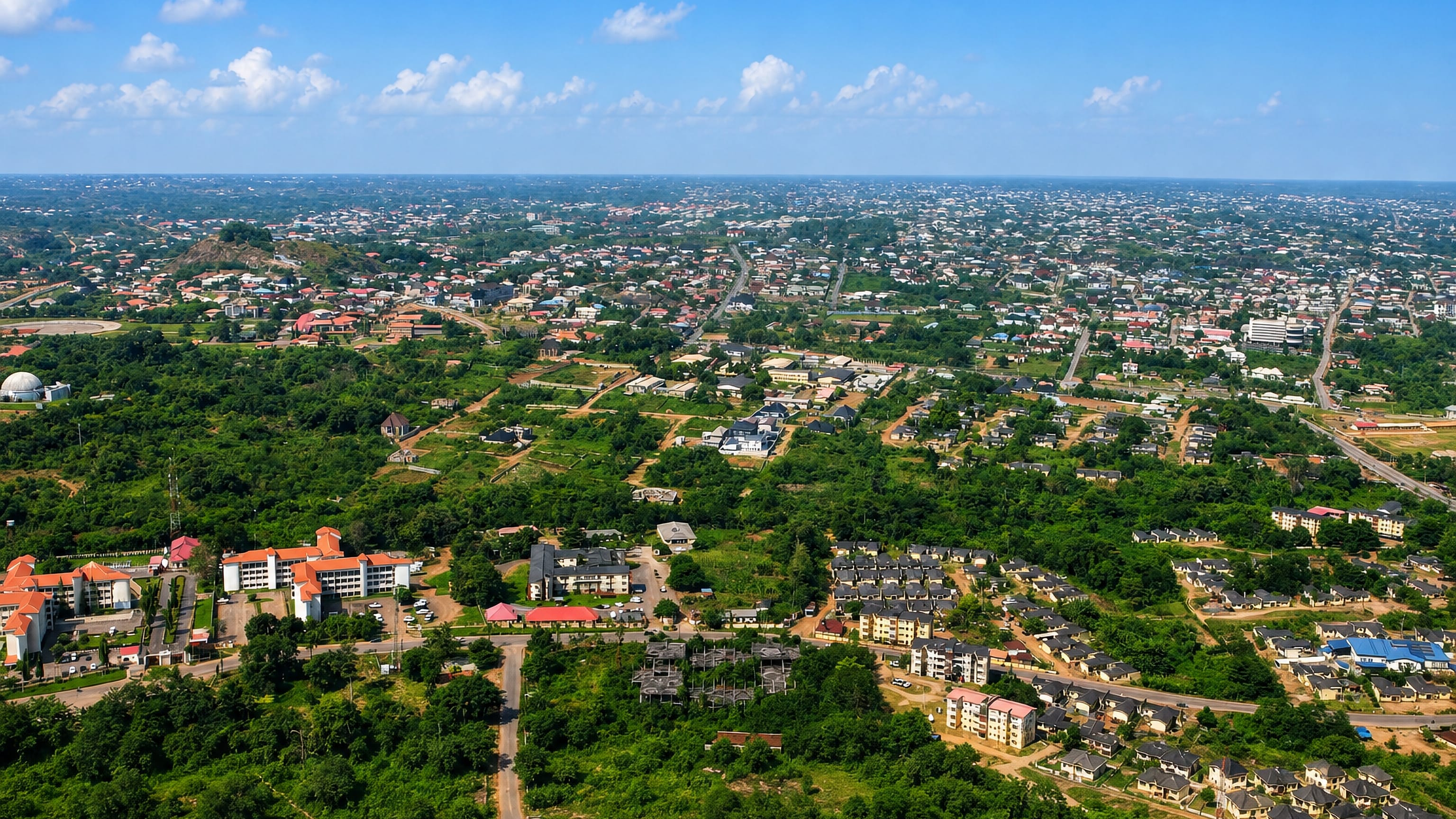
Akure is the capital and largest city of Ondo State in Nigeria, headquarters of the Akure Kingdom, with beginnings dated to about 1150.
Hotel links are affiliate links: booking through them may earn us a commission, at no extra cost to you. It never affects how places are ranked. How this works


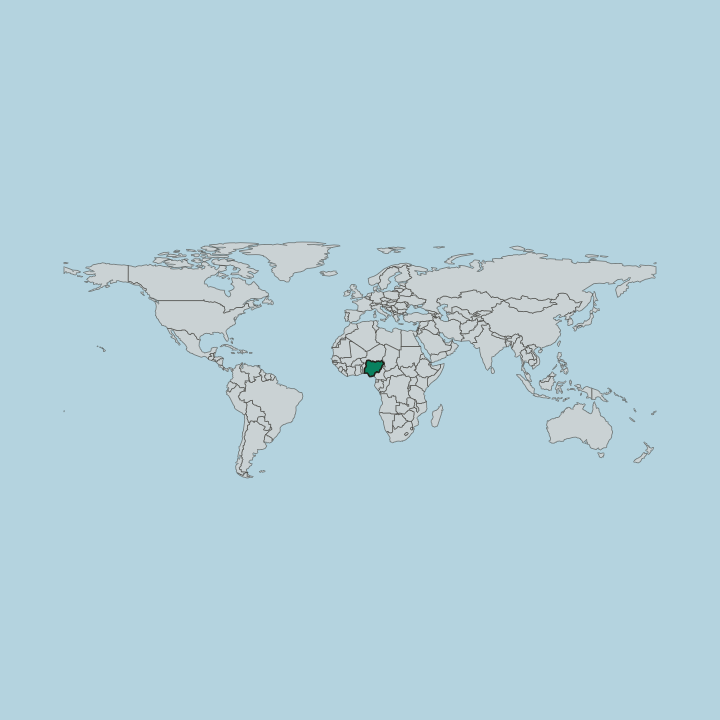
Where to stay in Akure
Where the beds are, and what that means for the visit.
The palace side is the centre of gravity. The Old Palace of the Deji of Akure and the National Museum, Akure stand on the older ground, and a room within reach of them puts a visitor near the Ondo State offices as well as the churches that mark the same quarter, Evangelical Church of West Africa, Akure and St John Bosco Catholic Church Akure among them. That is the short-stay answer.
Most people arriving in Akure come either for the state administration or for the Akure Kingdom's seat, and both sit in the middle rather than out on the edges. Outside that core the city spreads. Akure is the largest place in Ondo State and its outer quarters reach well past the old ground, so a bed taken far out trades quiet for a daily journey back in, which is a poor bargain in a city whose reasons to visit cluster this tightly.
Distance costs time. Anyone driving in from elsewhere in Ondo State is delivered by the approach roads to that same central stretch, and staying near First Baptist Church, Akure, Ondo state or the museum keeps the walking short. Choose by the length of the visit.
A single meeting argues for the centre and its noise, while a longer working stretch makes the calmer outer streets the sounder bargain.
Find hotels in Akure
Direct booking searches for these neighbourhoods.
Around The Old Palace of the Deji of Akure
The old ground of Akure, where the Deji's palace, the museum, and the Ondo State offices fall inside one walk.Find hotels in Around The Old Palace of the Deji of Akurelonger working stays willing to swap a daily run in for quieter streetsOuter Akure
The spreading quarters beyond Akure's old core, reached by the Ondo State approach roads and well clear of the palace ground.Find hotels in Outer AkureHotel links are affiliate links: booking through them may earn us a commission, at no extra cost to you. It never affects how places are ranked. How this works
About Akure
Two authorities share the city.
What is Akure known for?
Akure holds the government of Ondo State as its capital, and it is also the headquarters of the Akure Kingdom, whose ruling seat survives in the name The Old Palace of the Deji of Akure. That palace is the older claim. Nothing in the state is larger.
Akure is the biggest city Ondo State has, and the National Museum, Akure keeps the formal record of a place whose beginnings are dated to about 1150.
What are the main landmarks in Akure?
The palace comes first. The Old Palace of the Deji of Akure is the oldest thing the record names in the city, standing for the Akure Kingdom whose headquarters this is, and the National Museum, Akure is the other institution of weight. Churches fill out the list.
Evangelical Church of West Africa, Akure, First Baptist Church, Akure, Ondo state, and St John Bosco Catholic Church Akure each hold a named place in the register, three denominations inside one Ondo State capital. The set is small but specific.
What is the history of Akure?
The date given is 1150. That is early enough to put Akure's beginnings far ahead of the state that administers it, and the older city carries the order it grew under, a kingdom with its own ruler, its own seat, and a palace that still goes by the title of the office rather than by any founder's name. The Akure Kingdom kept its headquarters here.
What survives in the record of those centuries is thin, but the palace is the standing evidence, listed among the city's landmarks as The Old Palace of the Deji of Akure. Ondo State came very much later. Akure became its capital and remains the largest city inside it, so a modern administration sits on ground that had been a royal seat for centuries before any state boundary was drawn around it.
Two systems overlap here. The National Museum, Akure holds the formal record on one side while the Deji's palace speaks for the other, and the churches raised in between, Evangelical Church of West Africa, Akure, First Baptist Church, Akure, Ondo state, St John Bosco Catholic Church Akure, mark a third layer laid across both. Spread did the rest.
A kingdom's headquarters turned into the administrative centre of a Nigerian state, and the old core kept its place while the built-up ground reached outward around it.
Where is Akure?
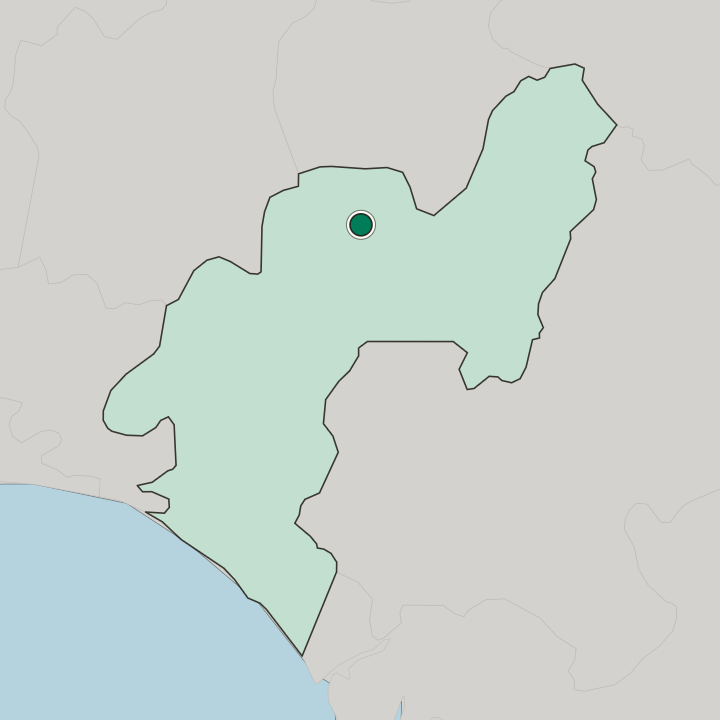
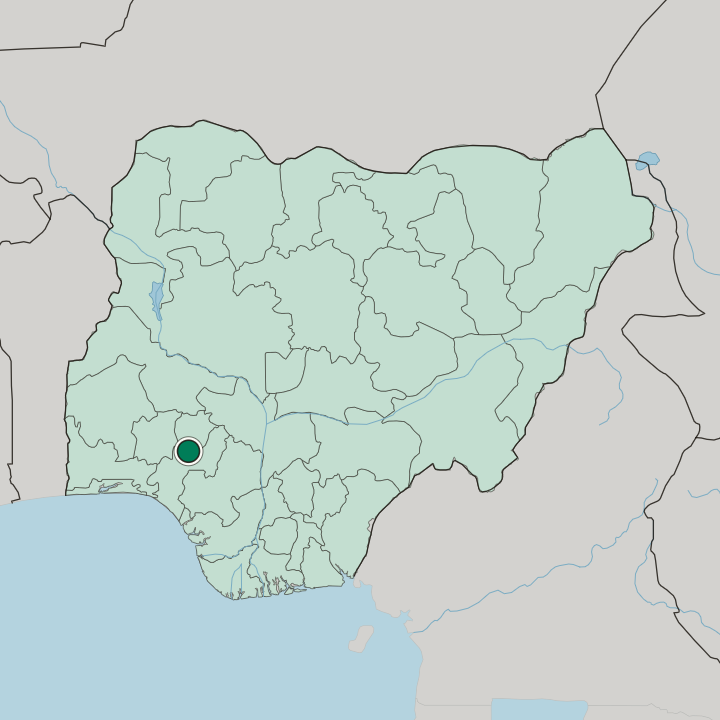
Akure lies inland. Nothing in the record names a coast, a river, or a range for it, which leaves the city defined by its standing within Ondo State rather than by any feature of the land beneath it. It is the largest place in that state.
Built ground reaches well past the old palace quarter across a wide stretch of the state's interior, and the tropics north of the equator set the terms for everything that grows on it.
What is the climate of Akure?
Rain rules the calendar. Akure stands inland in Ondo State, inside the tropics and north of the equator, so the year divides into wet stretches and drier ones instead of into warm and cold halves. Distance from any coast counts.
With no sea named anywhere in the city's record, nothing damps the swing between those stretches, and a trip planned around the National Museum, Akure or the Deji's old palace becomes a question of which months bring the rain.
How do you get to Akure?
Roads carry everyone in. No airport, rail line, or terminal appears in the record for Akure, so arrival means the approach routes across Ondo State, of which this city is both capital and largest centre. That makes it a hub by default.
Traffic bound for the state government, for the Akure Kingdom's seat, or for the National Museum, Akure converges on the same central ground, and anyone coming from outside the state should expect the last leg to be overland however the journey began.
Common questions
What is the best area to stay in Akure?
Around The Old Palace of the Deji of Akure: short visits built around the Akure Kingdom seat and the National Museum, Akure. Outer Akure: longer working stays willing to swap a daily run in for quieter streets.
Good for
Another city in Ondo State
Updated October 2026