Nigeria · Ondo State
Where to Stay in Ondo, Ondo State
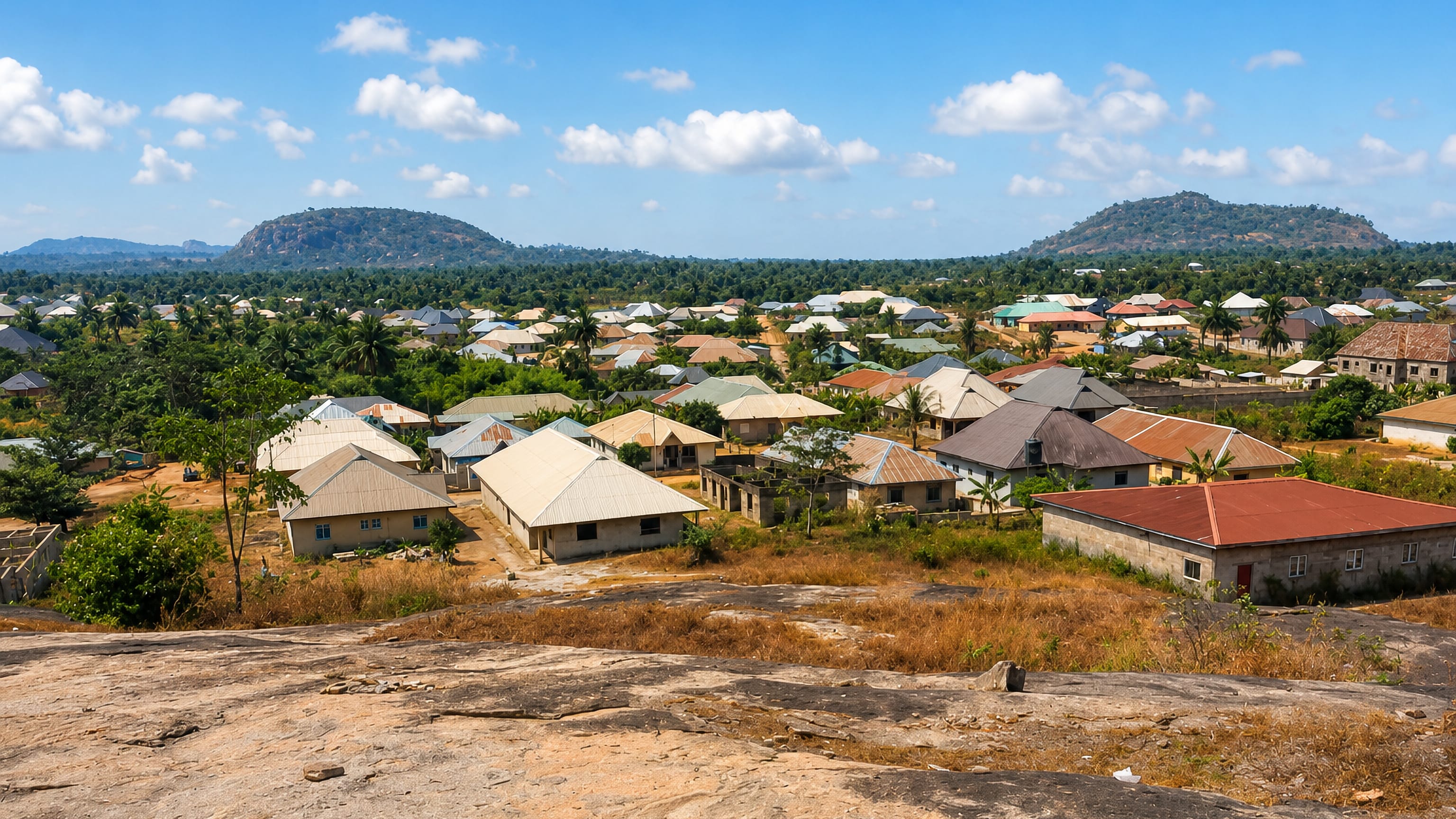
Ondo Town, founded in 1510, is the second largest city of Ondo State, Nigeria, and the trade centre for a cocoa and Aso Oke weaving region.
Hotel links are affiliate links: booking through them may earn us a commission, at no extra cost to you. It never affects how places are ranked. How this works


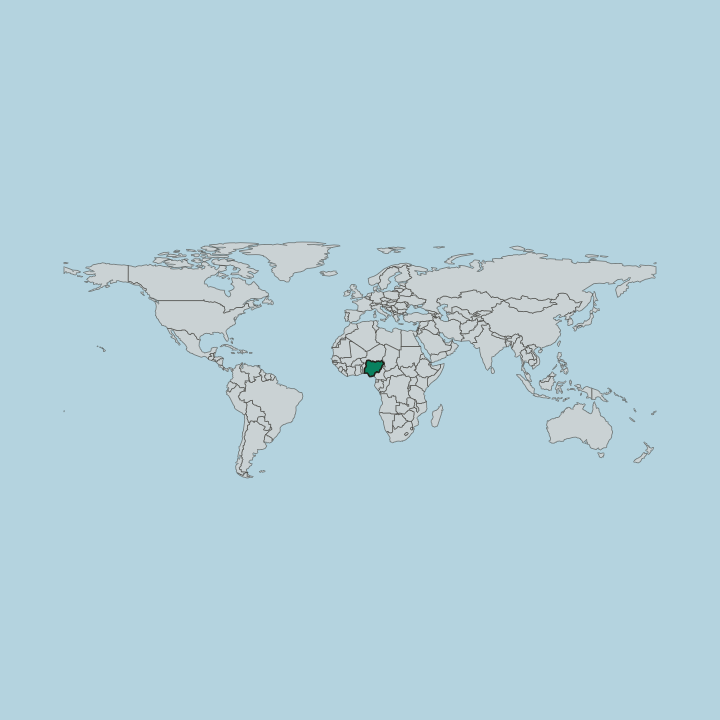
Where to stay in Ondo
Where visitors usually base themselves, and why.
Adesuper Hotel and Suites is the named address. Ondo Town keeps its rooms in the built-up centre, near Greater Glory Baptist Church, Ondo city and The New Covenant Baptist Church, which is also where the trade in cocoa and Aso Oke is conducted. Markets set the rhythm.
A room in the middle suits anyone whose reason for coming is the produce trade in cassava, cocoa and cotton that the town is organised around. Akure is the other base. The Evangelical Church of West Africa, Akure stands there, and a stay in Akure puts a traveller beside a different set of churches rather than in the trade centre itself. Rooms out there are fewer.
Owo and Igbara Oke are visited for Iwo Eleru Cave and the Igbara Oke Petroglyphs rather than slept in, so most itineraries that take in both still book back in Ondo Town. Ondo Town stays the default base. Trade and weaving both draw people here, and a room booked late can mean a night out at Igbara Oke instead.
Adesuper Hotel and Suites remains the one lodging the record names by itself.
Find hotels in Ondo
Direct booking searches for these neighbourhoods.
Central Ondo Town
Greater Glory Baptist Church, Ondo city and The New Covenant Baptist Church stand among the streets where the produce changes handsFind hotels in Central Ondo TownDays spent at the Evangelical Church of West Africa, AkureAkure
Akure carries its own congregations and sits away from Ondo Town's produce marketFind hotels in AkureSeeing the Igbara Oke Petroglyphs at first lightIgbara Oke
Igbara Oke holds the petroglyphs, and lodging out there is thin enough to need arranging. Lodging is scarce in this area; reserve in advance.Find hotels in Igbara OkeReaching Iwo Eleru Cave early in the dayOwo
Owo lies beside Iwo Eleru Cave, well outside the hotels of Ondo Town. Beds are limited here, so book early.Find hotels in OwoHotel links are affiliate links: booking through them may earn us a commission, at no extra cost to you. It never affects how places are ranked. How this works
Things to do in Ondo
Ranked by global recognition; descriptions from Wikidata (CC0).
Churches & Religious Sites
3- Evangelical Church of West Africa, Akure
- Greater Glory Baptist Church, Ondo city
- The New Covenant Baptist Church
Castles & Historic Sites
2- Igbara Oke Petroglyphs Heritage
- Iwo Eleru Cave, Near Owo Heritage
Landmarks & Notable Places
1- Adesuper Hotel and Suites
worth knowingacross 3 categories in Ondo
About Ondo
Cocoa and cloth carry the trade.
What is Ondo known for?
Ondo Town works as the trade centre for the region around it, with yams, cassava and cotton coming in from the farms and cocoa products leaving in greater quantity than anywhere nearby. The cotton becomes Aso Oke. Weavers turn it into the fabric worn across Ondo State, which gives the market a second life beyond the raw crop.
Grain and tobacco move through the same stalls.
What are the main landmarks in Ondo?
Rock and cave come first. Iwo Eleru Cave near Owo and the Igbara Oke Petroglyphs are the oldest things the district can show, and both sit outside Ondo Town rather than in it. Churches fill the town itself.
Greater Glory Baptist Church, Ondo city, The New Covenant Baptist Church and Sacred Heart Church carry the local congregations, while the Evangelical Church of West Africa, Akure stands over in Akure.
What is the history of Ondo?
Ondo Town dates from 1510. The founding year puts the settlement several centuries before the trade in cocoa that now defines it, and it is old enough that the record of the district reaches further back still. Iwo Eleru Cave is the proof.
The cave near Owo, together with the Igbara Oke Petroglyphs, shows people working this country long before any of the towns took their present names. Trade made the modern place. Farms around Ondo Town sent in yams, cassava and cotton, and the market that handled them turned it into the trade centre for the whole surrounding region.
Grain and tobacco came in as well. Cotton took a further step. Weavers made it into Aso Oke fabric, a cloth with standing in local dress, so the crop left the district as clothing rather than as bales.
Cocoa came to dominate. Ondo Town became the largest producer of cocoa products in the region, which is the trade that carries its name furthest beyond Ondo State. Size followed the money.
It ranks second among the cities of Ondo State, and the congregations gathered at Sacred Heart Church, The New Covenant Baptist Church and Greater Glory Baptist Church, Ondo city belong to the same built-up town.
Where is Ondo?
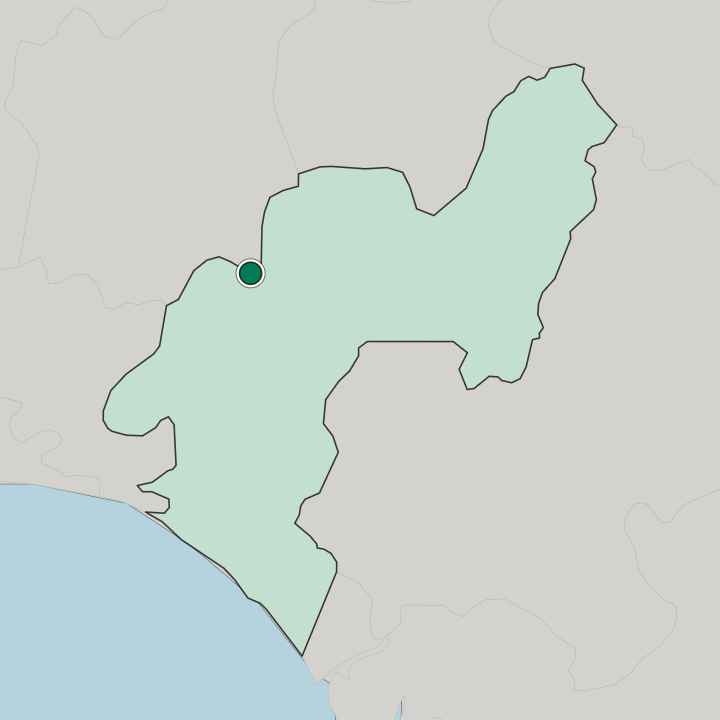
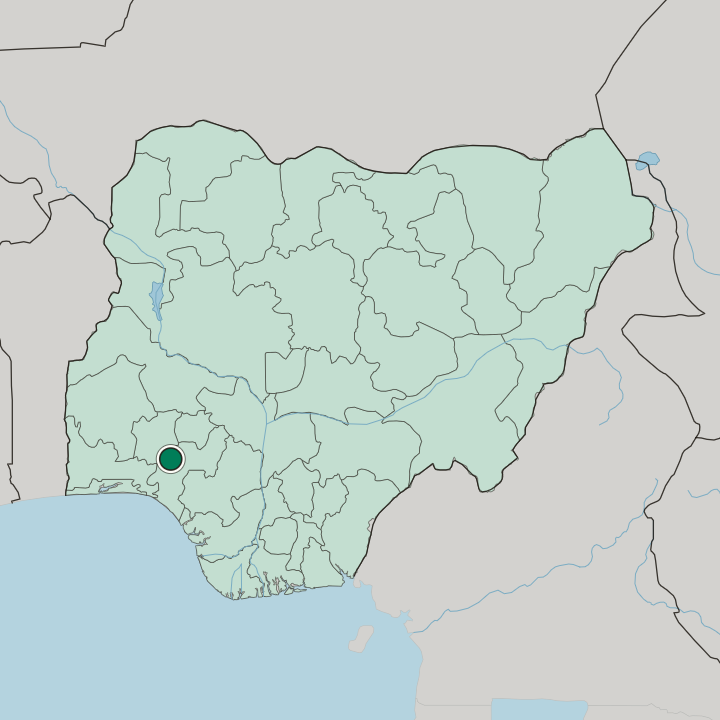
Ondo Town sits inland in Ondo State. Owo and Igbara Oke lie out in the same country, the first beside Iwo Eleru Cave and the second known for the petroglyphs cut into its rock, while Akure holds its own churches. Farmland surrounds all of it.
Yams, cassava, cotton and cocoa come off the ground around the town, which is why Nigeria's cocoa trade runs through here at all.
What is the climate of Ondo?
Cocoa sets the terms. Ondo Town lies in the tropics, where heat holds through the year and the wet stretches decide how the cocoa, yams and cassava come on. Rain, not cold, marks the calendar in Ondo State.
Weaving of Aso Oke carries on indoors whatever the sky does, so the cloth side of the market keeps working through the wet months.
How do you get to Ondo?
Roads carry the trade in. Ondo Town is reached overland from Akure and from Owo, the same routes the yams, cassava and cotton travel on their way to its market. Both rock sites lie outside town.
Visitors reach the Igbara Oke Petroglyphs and Iwo Eleru Cave by road from the centre, and the Evangelical Church of West Africa, Akure stands at the far end of the Akure road.
Common questions
What is the best area to stay in Ondo?
Central Ondo Town: Buying into the cocoa and Aso Oke trade. Akure: Days spent at the Evangelical Church of West Africa, Akure. Igbara Oke: Seeing the Igbara Oke Petroglyphs at first light. Owo: Reaching Iwo Eleru Cave early in the day.
Good for
Another city in Ondo State
Updated October 2026