Nigeria · Plateau State
Where to Stay in Jos, Plateau State
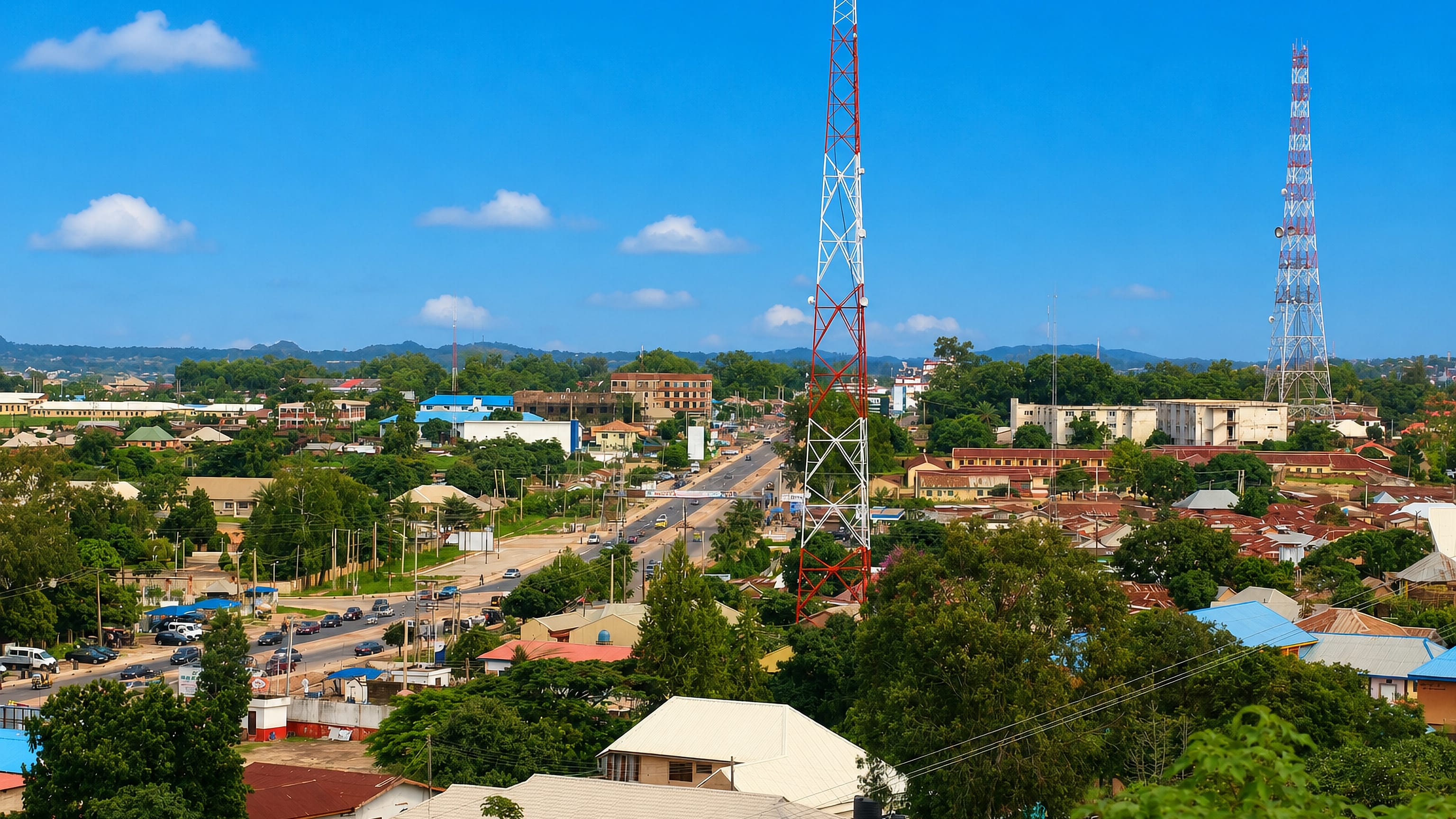
Jos is the capital of Plateau State, high on the Jos plateau in Nigeria's Guinea Savannah, with two museums and a zoological garden in the city.
Hotel links are affiliate links: booking through them may earn us a commission, at no extra cost to you. It never affects how places are ranked. How this works


Where to stay in Jos
Where visitors usually base themselves, and why.
Height is the selling point. Jos sits on the plateau that gives Plateau State its name, and the cooler air up here is the reason the city drew visitors long before anything else about it did. Museums are the daytime draw.
A room near the Museum of Traditional Nigerian Architecture and the Institute of Archaeology & Museum Studies puts both within a short trip, with the Zoological Garden Jos a separate outing. Adebayo Street carries the First Baptist Church. The road matters as much as the address.
Jos sits on the route between Abuja and the capitals it connects, so a stay here is often a night broken into a long drive rather than a destination in itself. Plateau State keeps its offices here. The city is the largest in the state and its administrative centre, which keeps a steady flow of official traffic in beds that would otherwise depend on the museums and the climate.
Churches are everywhere in Jos. The Church of Christ In Nations Headquarters and the New Covenant Church both stand in the city, adding two more fixed points to a place where the plateau and the collections do most of the work.
Find hotels in Jos
Direct booking searches for these neighbourhoods.
Museum quarter
The Museum of Traditional Nigerian Architecture and the Institute of Archaeology & Museum Studies keep most visitors on this side of Jos.Find hotels in Museum quarterquiet streets by the First Baptist ChurchAdebayo Street
Adebayo Street carries the First Baptist Church, one of the named church addresses in Jos.Find hotels in Adebayo Streetfamilies heading for the Zoological Garden JosZoological Garden side
The Zoological Garden Jos is an outing of its own, set apart from the museums and the churches in the middle of the city. Rooms are few around here — worth securing early.Find hotels in Zoological Garden sideHotel links are affiliate links: booking through them may earn us a commission, at no extra cost to you. It never affects how places are ranked. How this works
Things to do in Jos
Ranked by global recognition; descriptions from Wikidata (CC0).
Museums & Galleries
2- Museum of Traditional Nigerian Architecture Jos
- Zoological Garden Jos
Churches & Religious Sites
3- Church of Christ In Nations Headquarters Jos
- First Baptist Church Adebayo Street, Jos 930105, Plateau
- New Covenant Church Jos
Castles & Historic Sites
1- Institute of Archaeology & Museum Studies
worth knowingacross 3 categories in Jos
About Jos
The plateau makes the difference.
What is Jos known for?
Jos stands on the Jos plateau, which gives it a cooler climate than the country around it and the road bends that drivers meet on the way up. Collections do the rest. The Museum of Traditional Nigerian Architecture, the Institute of Archaeology & Museum Studies and the Zoological Garden Jos all sit within the same city.
Locals call it J-Town.
What are the main landmarks in Jos?
Jos keeps two museums and a zoo. The Museum of Traditional Nigerian Architecture holds the built record, the Institute of Archaeology & Museum Studies the studied one, and the Zoological Garden Jos gives the city a third kind of collection. Churches fill out the list.
The First Baptist Church stands on Adebayo Street, and the Church of Christ In Nations Headquarters and the New Covenant Church are both here as well. The plateau itself outranks all of them.
What is the history of Jos?
The plateau came before the city. Jos grew on high ground in the Guinea Savannah, and the plateau it stands on is what Plateau State takes its name from. Colonial administration mattered here.
That importance is part of why the city was later described as a destination, alongside its cool climate and the plateau scenery around it. J-Town is the name people use. The Guinea Savannah surrounds the high ground, and the drop from the plateau down to it is what separates the city's air from the country below.
Roads did as much as anything. Jos connects the capitals of the states beyond it to the Federal Capital Territory Abuja by road, which put the city on a route rather than at the end of one. Long stretches between them settled the rest.
Abuja lies at one end of that road and the capitals it serves at the other, and Jos ended up handling the traffic between them for decades. Plateau State runs its administration from the city. Jos is the largest place in the state as well as its capital, and the museums, the institute and the zoological garden all belong to that standing.
Where is Jos?
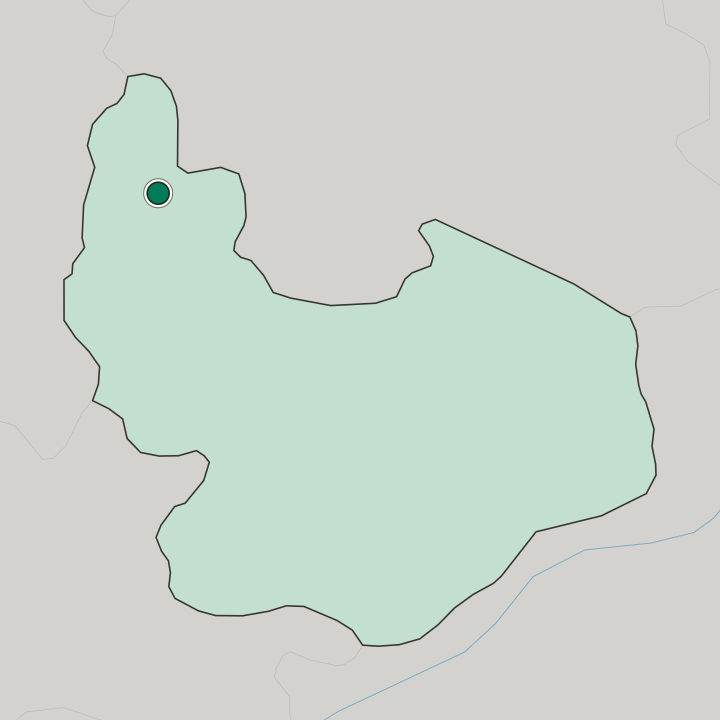
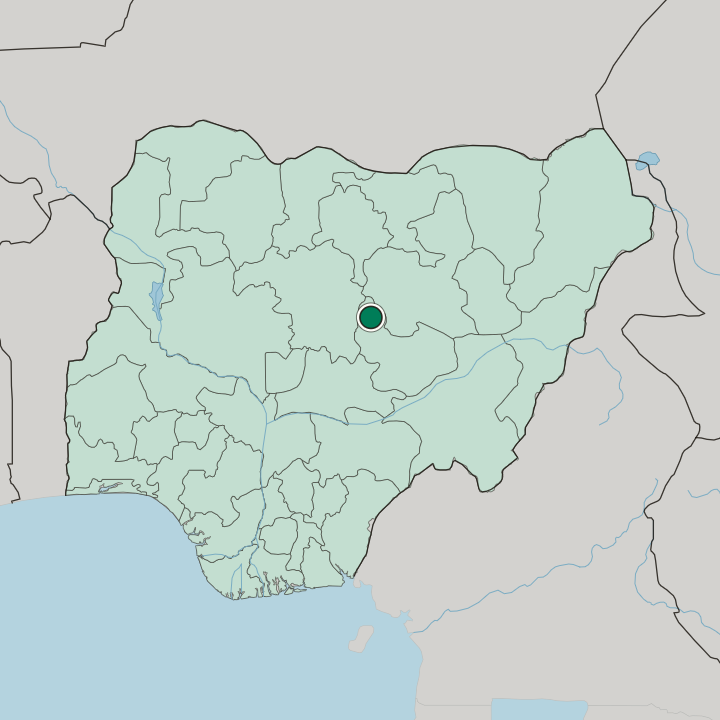
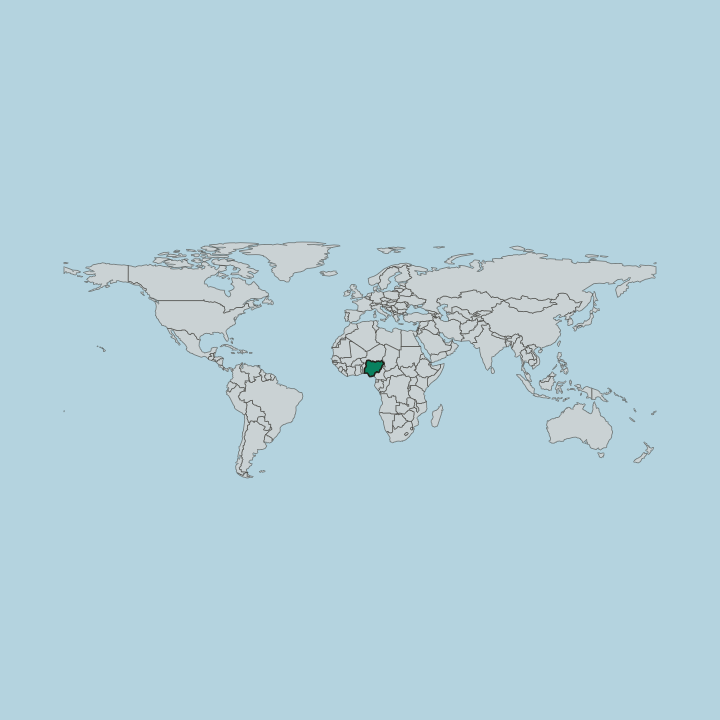
Jos sits on the Jos plateau. The high ground rises out of the Guinea Savannah, and the roads onto it climb through steep bends before the city appears. Plateau State surrounds it.
Jos is the largest settlement on that high ground, and the routes across the plateau come together in the city rather than skirting it. The savannah lies below.
What is the climate of Jos?
The plateau cools the air. Jos sits high enough above the Guinea Savannah that its climate runs cooler than the country around it, which is one of the things the city has long been known for. The tropical band still applies.
Height, not distance from the sea, is what makes the difference here, and the drive up through the bends is the clearest measure of it.
How do you get to Jos?
Nearly everyone reaches Jos by road. Jos links the capitals beyond it to the Federal Capital Territory Abuja, and that connection is the main reason traffic passes through the city at all. The climb is the memorable part.
Driving in or out means steep and winding bends and the mountainous ground the plateau is made of, which slows the last stretch in both directions. Plateau State roads feed into it.
Common questions
What is the best area to stay in Jos?
Museum quarter: days at the Jos collections. Adebayo Street: quiet streets by the First Baptist Church. Zoological Garden side: families heading for the Zoological Garden Jos.
Good for
Updated September 2026