Nigeria
Plateau State, Nigeria — Towns & Travel Guide
Plateau State sits on the cool, high tableland of the Jos Plateau, at the heart of Nigeria's Middle Belt.
Hotel links are affiliate links: booking through them may earn us a commission, at no extra cost to you. It never affects how places are ranked. How this works


Towns & cities in Plateau State
One town here has its own guide — it links to where to stay.

 Nigeria
Jos
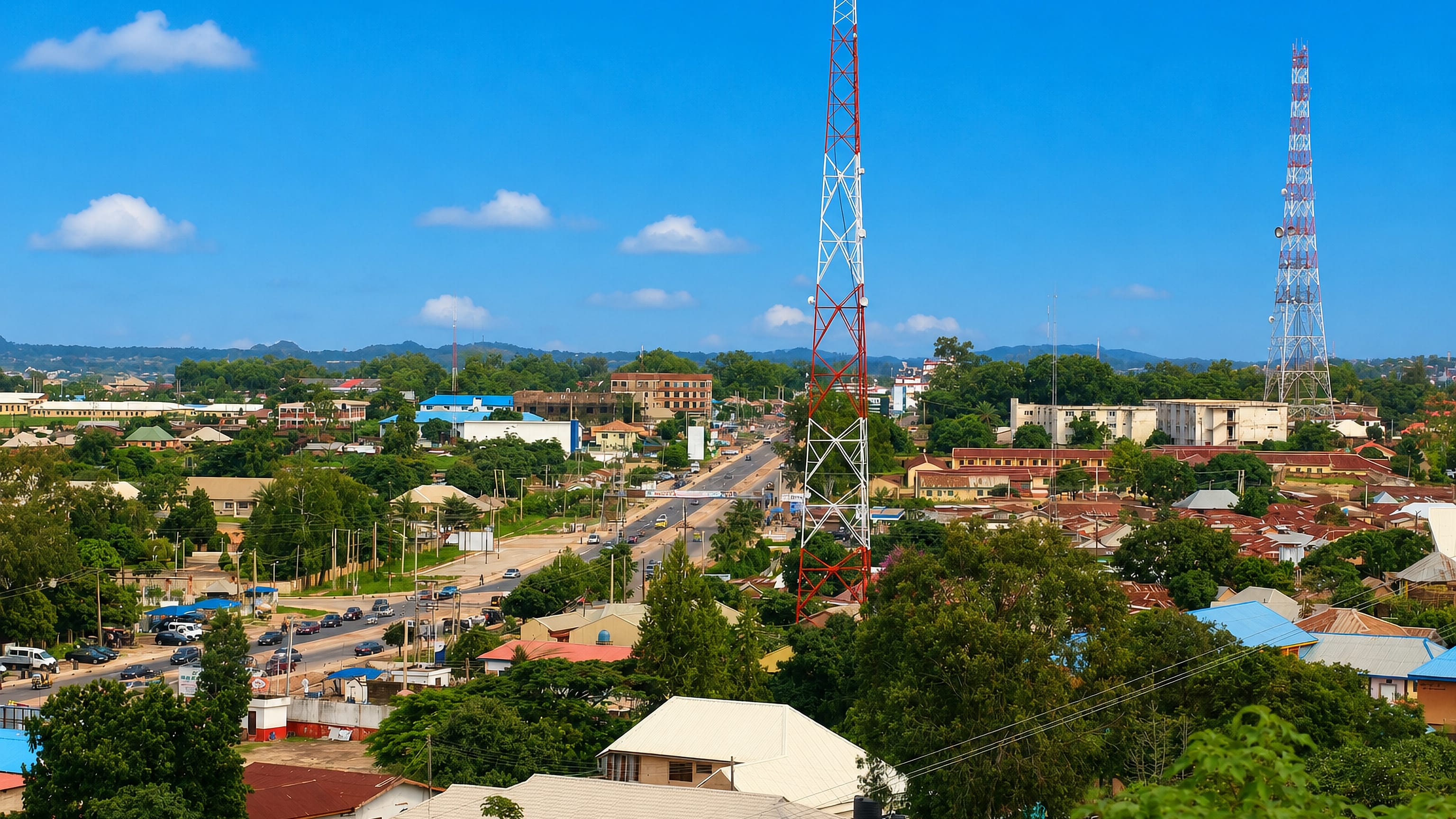
Jos is the capital of Plateau State, high on the Jos plateau in Nigeria's Guinea Savannah, with two museums and a zoological garden in the city.Where to stay →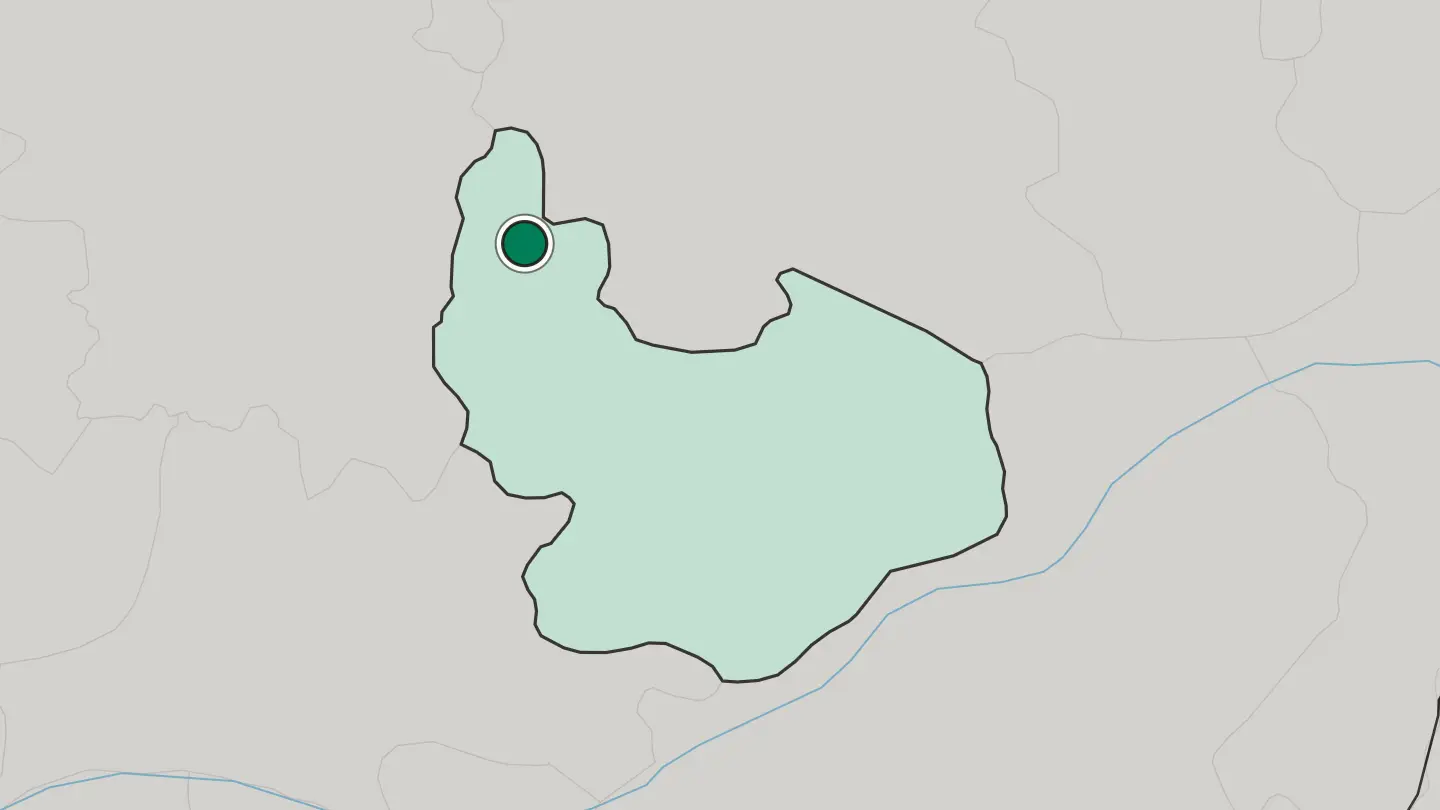
Hotel links are affiliate links: booking through them may earn us a commission, at no extra cost to you. It never affects how places are ranked. How this works
About Plateau State
Height sets it apart.
What is Plateau State known for?
Plateau State takes its name from the Jos Plateau, a grassland tableland that rises from around 1,200 metres to 1,829 metres in the Shere Hills. Bare granite outcrops and scattered rock formations break the open savanna, and the cooler air that comes with the altitude gave the state its reputation as a hill retreat. The British built Jos into a tin-mining town after mining began here in 1902, and tin is still dug from these highlands.
Where is Plateau State?
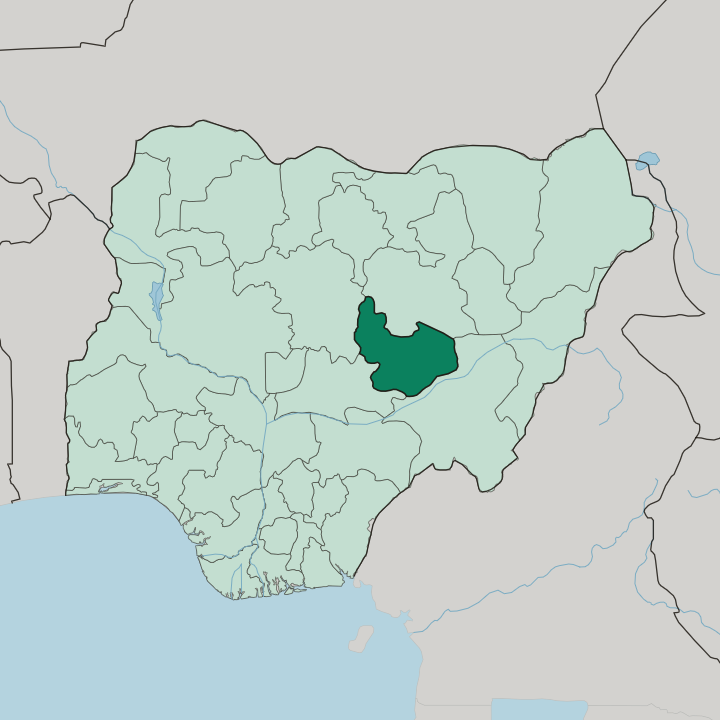
Plateau State occupies the highlands of central Nigeria, in the belt of country that separates the northern plains from the forests of the south. Its floor is the Jos Plateau. The tableland rises like an island above the lowlands around it, averaging near 1,280 metres where those lowlands sit only a few hundred metres above the sea.
Bare rocks scatter across open grassland here, and abrupt scarps mark the plateau's rim. The land climbs highest at the Shere Hills near the capital, which top out at 1,829 metres. Water gathers on this high ground and runs off in every direction.
The Kaduna River rises here before it turns south-west toward the Niger, and the Gongola and Hadejia both begin their journeys on the same plateau. That role as a watershed makes the plateau the source of many rivers in northern Nigeria. Jos anchors the centre, with Bukuru pressed against it to the south and smaller towns like Pankshin and Shendam spread across the surrounding local government areas.
What is Plateau State like?
Plateau State counts more than forty ethno-linguistic groups across its local government areas, so many that people here call it a miniature of the whole country. The Berom hold the northern plateau around Jos, while the Ngas live down in the south-east near Pankshin, and dozens of smaller communities fill the ground between them with their own tongues and festivals. That density of cultures is the state's signature.
The capital ties it together. Jos grew as a mining town that drew workers from across Nigeria and beyond, and its markets, churches, mosques, and the National Museum reflect that mixed inheritance. Cool evenings draw people outdoors, and the surrounding hills and rock formations turn the whole plateau into a backdrop for weekend outings.
The state markets itself as the Home of Peace and Tourism, a nickname built on that scenery and that mingling of peoples.
What is the history of Plateau State?
Tin made the modern plateau. British prospectors opened large-scale mining on these highlands in 1902, and Jos rose from a mining camp into a colonial metropolis that shipped ore and columbite out to the world. The state as a distinct unit is younger.
Plateau State was carved out of the old Benue-Plateau State in 1976, with Jos kept on as its capital. The mines have quietened since their peak, yet the towns, the railway, and the mixed population they pulled together still shape the whole of the plateau.
What is the climate of Plateau State?
Altitude cools everything. Though it lies well inside the tropics, the height of the Jos Plateau gives the state a near-temperate climate, with temperatures that mostly sit between 13 and 22 degrees, far gentler than the heat of the lowlands below. The dry Harmattan wind blows in off the Sahara from December to February and brings the coldest, dustiest weeks of the year.
Rain arrives in force through July and August, feeding the rivers that rise on the plateau and greening the grassland that covers it.
How do you get to Plateau State?
Most travellers reach the plateau through Jos. The capital has its own airport at Yakubu Gowon on the outskirts, with flights linking it to Abuja and Lagos, and the drive up from Abuja climbs onto the tableland in a few hours. Roads fan out from Jos to Bukuru and the outlying towns, and the old mining railway still threads across the highlands.
Once you are on the plateau, a car is the way to reach the Shere Hills, the waterfalls, and the rock formations scattered beyond the city.
More regions in Nigeria
Updated October 2026