Norway · Møre og Romsdal fylke
Where to Stay in Geiranger, Møre og Romsdal fylke
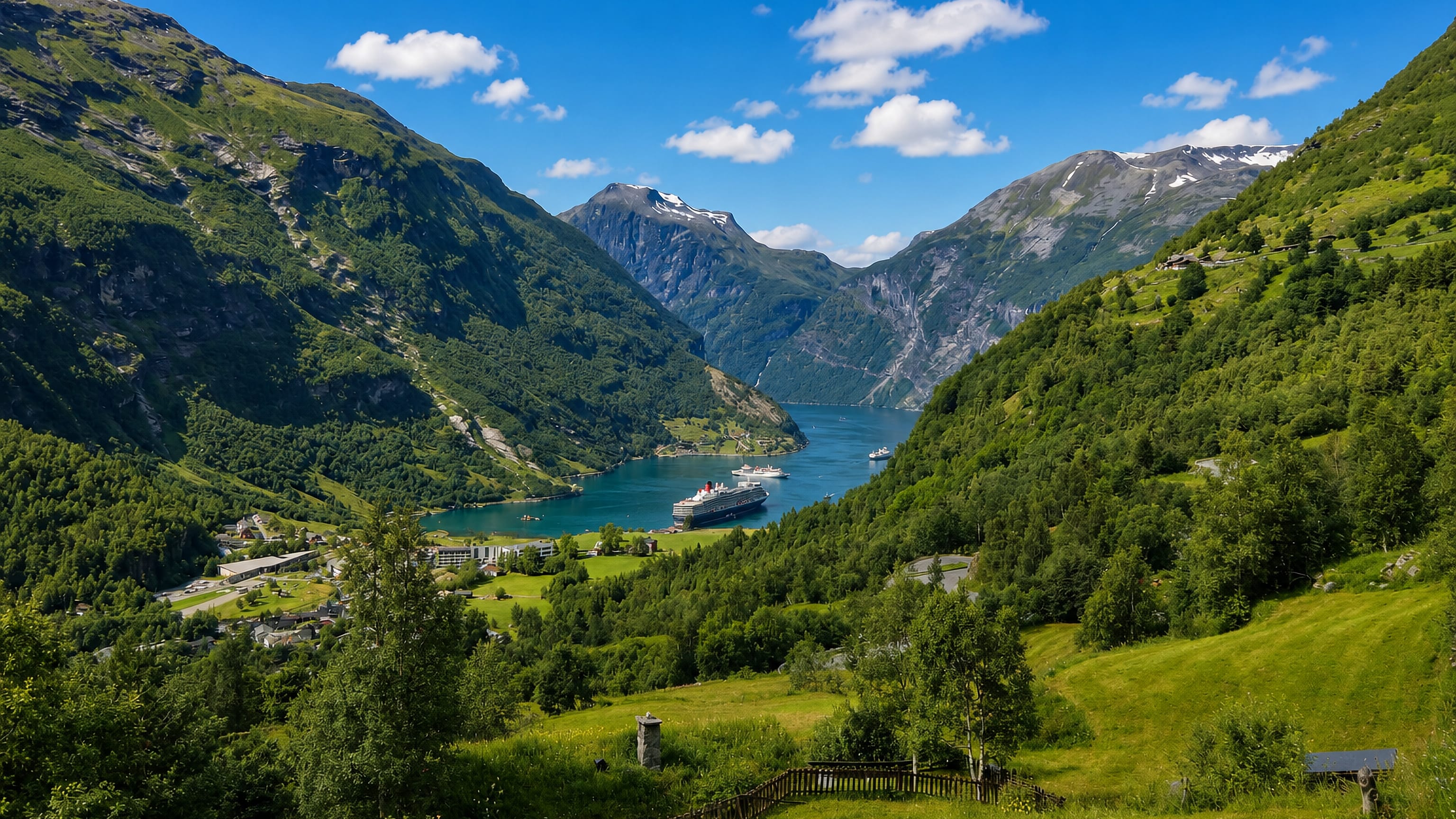
Geiranger is a fjord village at the head of the Geirangerfjord, in southern Møre og Romsdal, western Norway.
Hotel links are affiliate links: booking through them may earn us a commission, at no extra cost to you. It never affects how places are ranked. How this works


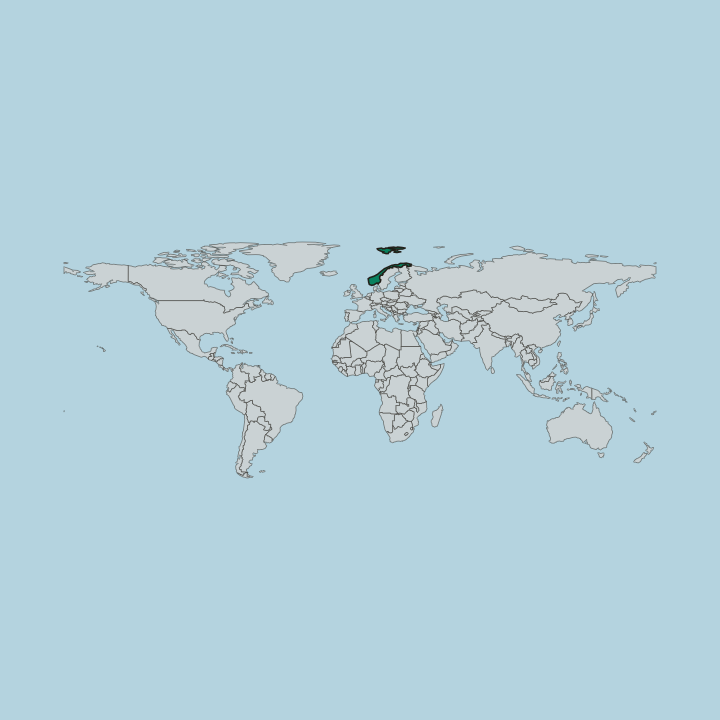
Where to stay in Geiranger
Where visitors usually base themselves, and why.
Most beds in Geiranger gather around the quay at the head of the Geirangerfjord, where hotels and guest houses stand within a short walk of the cruise pier, Norsk Fjordsenter and Geiranger kirke above the water. The waterfront suits visitors who want the fjord, the ships and the village on the doorstep. That quayside is the obvious base.
Up the valley sides toward the hairpins of Ørnesvingen, cabins and mountain lodgings sit handy for travellers wanting the high road and the fjord views over the southern part of Møre og Romsdal. Rooms there fill fast. Through the wider parish of Stranda municipality, holiday houses and farm stays spread among the slopes, a quieter base for those touring this stretch of western Norway by car and ferry.
Reserve well ahead in the warm season, when the cruise ships and the fjord road draw crowds to the head of the Geirangerfjord.
Find hotels in Geiranger
Direct booking searches for these neighbourhoods.
Waterfront by the Geiranger quay
hotels by the Geiranger quay and Norsk FjordsenterFind hotels in Waterfront by the Geiranger quaytravellers wanting the high fjord roadValley sides toward Ørnesvingen
mountain cabins above the Ørnesvingen hairpins. Rooms are few around here — worth securing early.Find hotels in Valley sides toward Ørnesvingenthose touring the southern part of Møre og Romsdal by carStranda municipality slopes
farm stays on the slopes around Geiranger kirke. Beds are limited here, so book early.Find hotels in Stranda municipality slopesHotel links are affiliate links: booking through them may earn us a commission, at no extra cost to you. It never affects how places are ranked. How this works
About Geiranger
What is Geiranger known for?
Geiranger sits at the head of the Geirangerfjord, the deep inlet that draws ships and travellers to the southern part of Møre og Romsdal. The fjord is the draw. Cruise vessels turn beneath the high walls and the road climbs away by the hairpins of Ørnesvingen, while Norsk Fjordsenter tells the story of life along the water and Geiranger kirke marks the village above the quay in this corner of western Norway.
What are the main landmarks in Geiranger?
Geiranger kirke stands above the head of the Geirangerfjord. The listed church marks the village on its terrace over the quay, the fixed point of the parish in this corner of Møre og Romsdal. The fjord itself draws the eye.
Norsk Fjordsenter keeps the story of the water and the farms, and the road climbs away by the hairpins of Ørnesvingen, the high switchbacks that lift the eye over Geiranger and the inlet below in western Norway.
What is the history of Geiranger?
Geiranger grew on the narrow shelf of land at the head of the Geirangerfjord, where the steep walls of the southern part of Møre og Romsdal close in around the water. The farms clung to the slopes above the inlet, and the boats on the fjord carried the people and the goods that the high ground could not. The fjord was the only road.
Geiranger kirke rose above the quay to serve the parish, the fixed mark of worship for the scattered holdings of this corner of western Norway. The fjord drew the wider world in time. Cruise ships found their way up the Geirangerfjord, and the road was carved into the walls above the village, climbing away by the hairpins of Ørnesvingen toward the high passes.
Geiranger settled into its place as a village within Stranda municipality, and the story of the water and the mountain farms was gathered into Norsk Fjordsenter, which keeps the long memory of life along the inlet at the head of the Geirangerfjord.
Where is Geiranger?
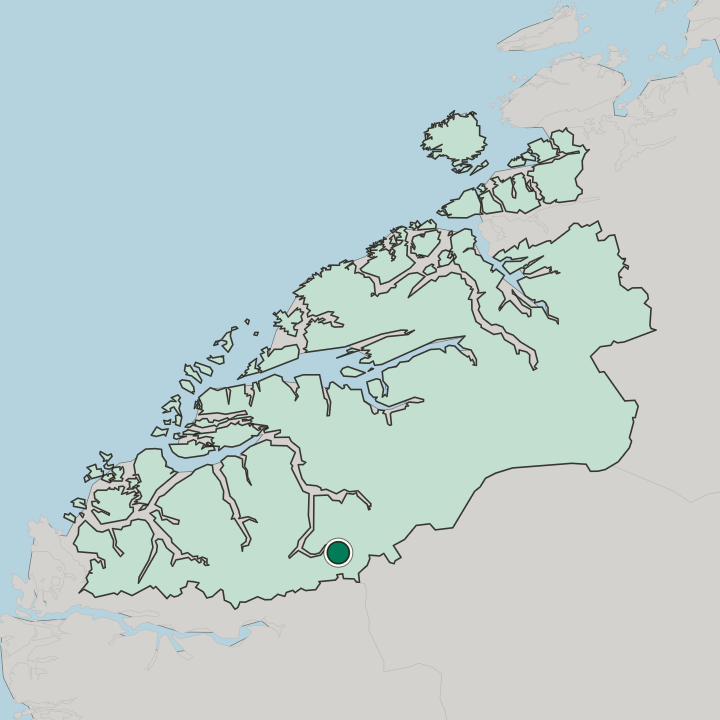
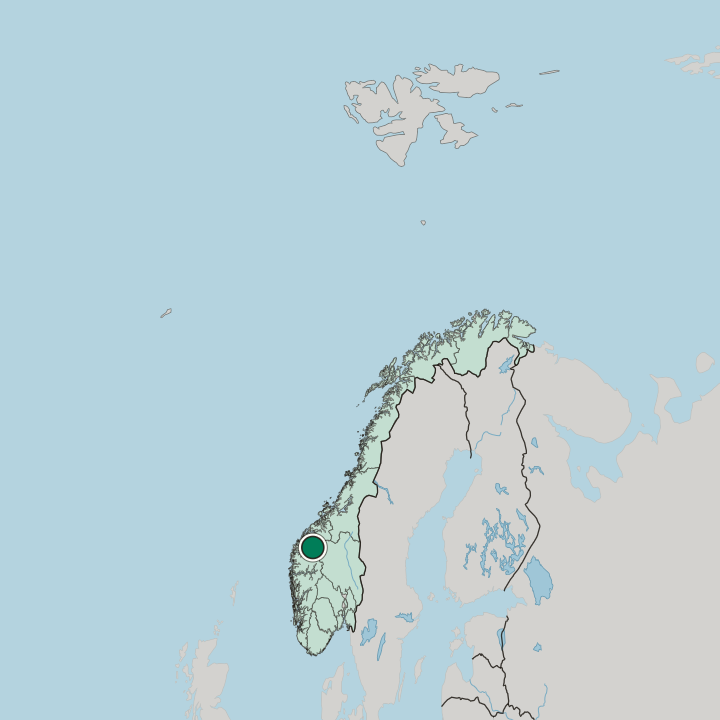
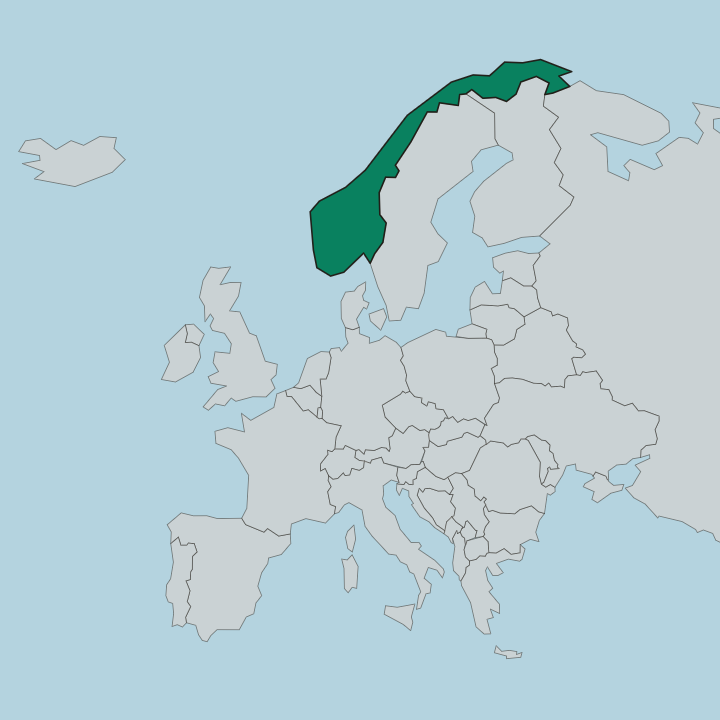
Geiranger lies at the head of the Geirangerfjord, in the southern part of Møre og Romsdal, in western Norway. Steep walls rise on every side of the narrow ground where the inlet ends, with Geiranger kirke set on a terrace above the quay below. The fjord cuts deep inland.
A road climbs the walls by the hairpins of Ørnesvingen, and the high slopes of Stranda municipality fall away toward the water that gives the village its name.
What is the climate of Geiranger?
Geiranger has the cool, wet climate of the inner fjords of western Norway. Winters bring snow to the high walls above the Geirangerfjord, yet the deep water keeps the worst of the cold off the village on its narrow shelf through much of the season. Summers stay cool and green.
The steep slopes gather cloud and shower under the long northern daylight, and the fjord tempers the warmth in this southern corner of Møre og Romsdal, where rain reaches the head of the inlet in every month of the year.
How do you get to Geiranger?
Geiranger is reached by the fjord and the mountain roads of the southern part of Møre og Romsdal. Ferries and cruise ships run up the Geirangerfjord to the quay, while the road climbs in and out by the hairpins of Ørnesvingen and the high passes. Many arrive by water.
The roads of Stranda municipality bind the village to the wider county, and the regional crossings of western Norway carry those reaching the head of the fjord from further afield by car and boat.
Common questions
What is the best area to stay in Geiranger?
Waterfront by the Geiranger quay: visitors wanting the cruise pier and the fjord. Valley sides toward Ørnesvingen: travellers wanting the high fjord road. Stranda municipality slopes: those touring the southern part of Møre og Romsdal by car.
Good for
More cities in Møre og Romsdal fylke
Updated September 2026