Nepal · Gandaki Pradesh
Where to Stay in Pokhara, Gandaki Pradesh
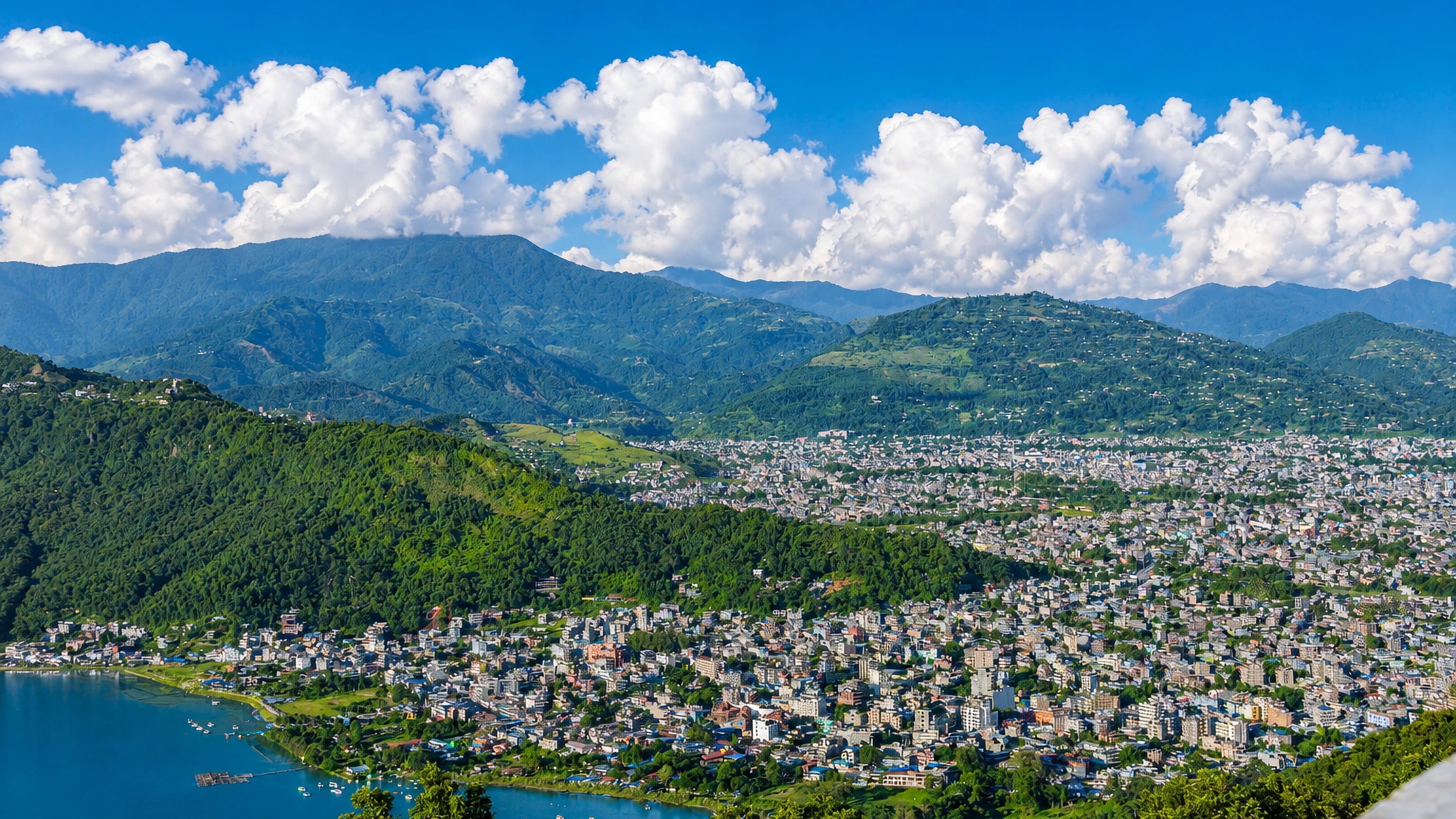
Fewa Lake mirrors the Annapurna peaks at Pokhara, capital of Gandaki Province in central Nepal and the trailhead for treks into the Annapurna area.
Hotel links are affiliate links: booking through them may earn us a commission, at no extra cost to you. It never affects how places are ranked. How this works


Where to stay in Pokhara
Where visitors usually base themselves, and why.
Where to stay in Pokhara is largely a question of the Lakeside quarter. The strip along Fewa Lake gathers most of the city's hotels and restaurants, and it is where nearly every trekker bound for the Annapurna area bases before setting out. Rooms face the water.
Stay in Lakeside for the mountain views, the boats, and the closest reach of the trailheads. Move back from the shore for a quieter, more residential Pokhara. The Old Bazaar keeps the city's older character away from the tourist strip.
Beyond the water, the city climbs toward viewpoints and caves. The International Mountain Museum sits on the southern edge, and Mahendra Cave lies to the north, each a reason to base a little apart from the lake and closer to the hills. Choose the Lakeside for a first visit.
Pick the town side for calm and everyday Pokhara. The city rewards a stay chosen by the water it grew around.
Find hotels in Pokhara
Direct booking searches for these neighbourhoods.
Lakeside
The Lakeside strip lines Fewa Lake with Pokhara's hotels and restaurants, facing the Annapurna peaks and closest to the trek departure points.Find hotels in LakesideQuieter, older Pokhara away from the tourist stripOld Bazaar
Pokhara's Old Bazaar keeps the town's earlier character in its markets and lanes, set back from the Fewa Lake shoreline.Find hotels in Old BazaarHotel links are affiliate links: booking through them may earn us a commission, at no extra cost to you. It never affects how places are ranked. How this works
About Pokhara
What is Pokhara known for?
Pokhara is known as the second-largest city of Nepal after Kathmandu and the starting point for most treks in the Annapurna area. Fewa Lake anchors it. Its lakeside is the heart of the city, a strip of hotels and restaurants along the water where most travellers stay before heading into the mountains.
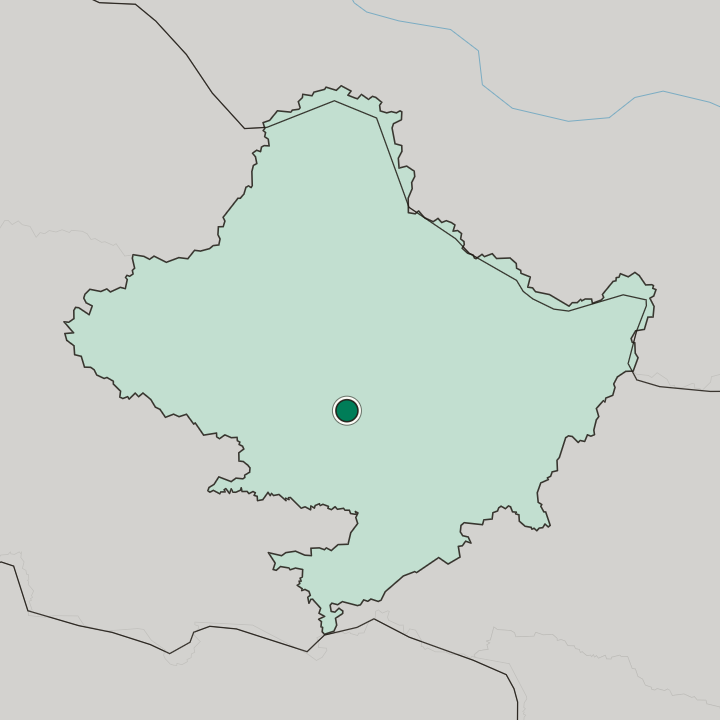
The city is the capital of Gandaki Province and a centre for tourism in central Nepal.
What are the main landmarks in Pokhara?
Pokhara's landmarks pair mountain culture with the caves of its valley. The International Mountain Museum, on the city's southern edge, tells the story of the Himalaya and the peoples of the high country who have long lived beneath the great peaks of the range. Underground, Mahendra Cave draws visitors north of the centre.
Fewa Lake completes the set. Its calm water carries boats beneath the Annapurna skyline.
What is the history of Pokhara?
Pokhara grew as a town in a lake-filled valley of central Nepal, long a trading stop on the routes between the plains and the high mountains. The valley shaped it. Beside Fewa Lake and beneath the Annapurna range, the settlement drew traders, farmers, and later travellers, and by 1962 it had taken its modern municipal form as a growing centre in the region.
Its position at the foot of the peaks made it a natural staging point. With the rise of Himalayan trekking, the town became the second-largest city in Nepal after Kathmandu and the gathering place for expeditions into the Annapurna area. The lakeside filled with hotels and restaurants as the trekking trade grew.
The city was named the capital of Gandaki Province in the country's federal structure. Water and mountains made Pokhara. Its founding as a modern municipality in 1962 marked the start of that growth.
Where is Pokhara?
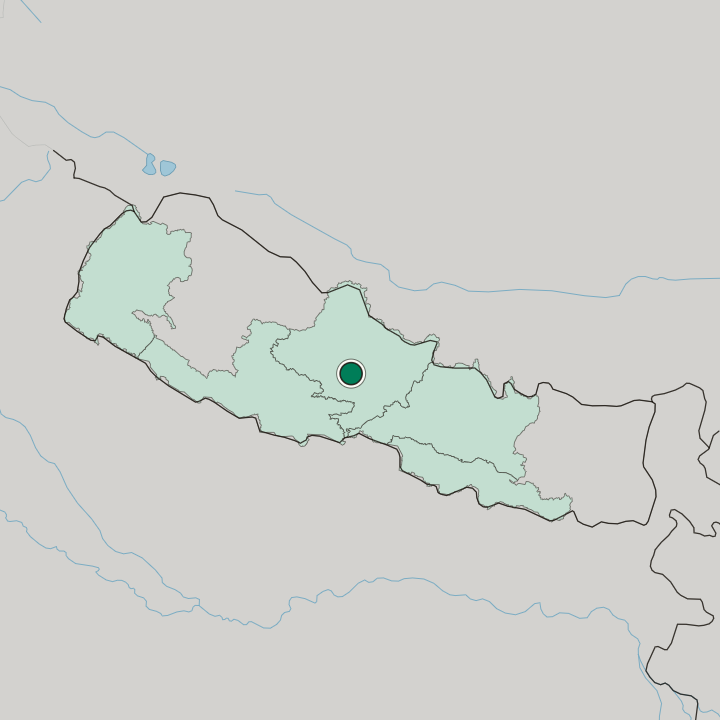
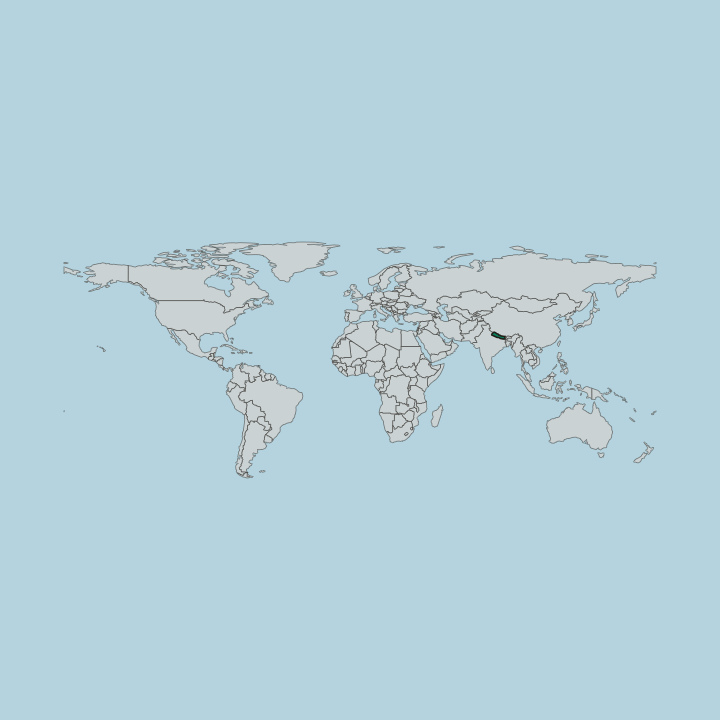
Pokhara lies in a broad valley of central Nepal, beside Fewa Lake and beneath the Annapurna range of the Himalaya. Peaks rise close by. The mountains stand sharply north of the water, so the snows loom directly above a city that sits low on the valley floor, streams feeding its lake from the surrounding hills.
The subtropical valley runs far warmer than the heights that crown its skyline.
What is the climate of Pokhara?
Pokhara has a subtropical climate softened by its valley setting below the Annapurna peaks. Summers are warm and heavy with monsoon rain, which falls hard on the hills around Fewa Lake, while winters stay cool and dry with clear views of the snows. The monsoon dominates the year.
The valley floor never feels the alpine cold of the Himalaya above it, keeping the city mild for its mountain backdrop.
How do you get to Pokhara?
Pokhara is reached by road and air from across Nepal. Highways climb into the valley from Kathmandu and the plains, and an airport links the city to the capital and other towns. Trails begin where the roads end.
From Pokhara, routes head north into the Annapurna area, making the lakeside city the usual base for treks into the high mountains.
Common questions
What is the best area to stay in Pokhara?
Lakeside: Fewa Lake views and the Annapurna trailheads. Old Bazaar: Quieter, older Pokhara away from the tourist strip.
Good for
Updated September 2026