Nepal · Bagmati Province
Where to Stay in Kathmandu, Bagmati Province
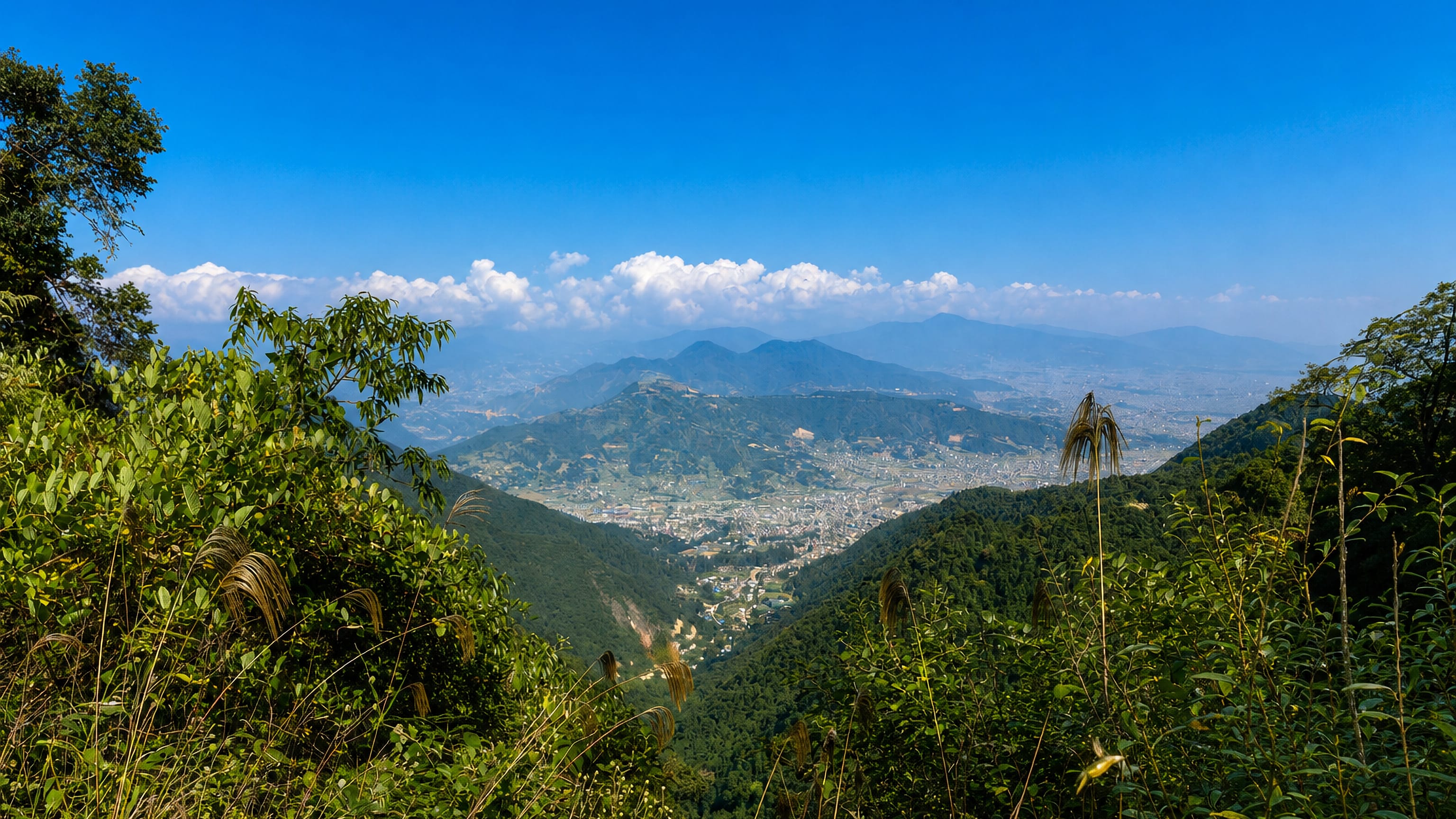
Temple roofs rise above the Kathmandu Valley at Kathmandu, capital of Nepal in Bagmati Province, known for Narayanhiti Palace and the old core of Kantipur.
Hotel links are affiliate links: booking through them may earn us a commission, at no extra cost to you. It never affects how places are ranked. How this works


Where to stay in Kathmandu
One neighbourhood here has its own guide — here's what it is best for.

 KathmanduNepal
Thamel
Thamel is Kathmandu's tourist quarter, a traffic-free warren of guest houses and handicraft shops rooted in the Newar settlement of Tha Bahi.Where to stay →Hotel links are affiliate links: booking through them may earn us a commission, at no extra cost to you. It never affects how places are ranked. How this works
Find hotels in Kathmandu
Direct booking searches for these neighbourhoods.
Historic core (Kantipur)
The oldest quarter, once Kantipur, packs temple streets and the royal palace grounds into the shortest walk to the valley's landmarks.Find hotels in Historic core (Kantipur)Quieter streets in the continuous urban areaToward Patan
South of the centre the built-up fabric runs unbroken to Patan, trading old-town density for calmer approaches while staying inside the same valley floor.Find hotels in Toward PatanMuseums on the doorstep near Maitighar MandalaPalace museum grounds
The Mahendra Museum, Birendra Museum, and Nepal Olympic Museum cluster by the palace, a short walk from the civic space at Maitighar Mandala.Find hotels in Palace museum groundsHotel links are affiliate links: booking through them may earn us a commission, at no extra cost to you. It never affects how places are ranked. How this works
Things to do in Kathmandu
Ranked by global recognition; descriptions from Wikidata (CC0).
Museums & Galleries
3- Narayanhiti Palace
- Mahendra Museum
- Children's Art Museum of Nepal
Castles & Historic Sites
2- Maitighar Mandala
- Shahid Gate
Stadiums & Sports
1- NSC Covered Hall
worth knowingacross 3 categories in Kathmandu
About Kathmandu
What is Kathmandu known for?
Kathmandu is known as the governmental, financial, and cultural centre of Nepal, a capital that fills the floor of the Kathmandu Valley. Its core is old. The historic centre carries the earlier names Kantipur and Kasthamandap, and the royal-era seat survives at Narayanhiti Palace, ringed by museums from the Mahendra Museum to the Birendra Museum.
Civic space opens at Maitighar Mandala. Urban growth has fused the city with neighbouring Patan to the south.
What are the main landmarks in Kathmandu?
The main landmarks of Kathmandu gather around the former royal seat at Narayanhiti Palace. Nearby stands Shahid Gate, a memorial arch in the government quarter, with the open plaza of Maitighar Mandala close by. Several museums ring the palace grounds.
Visitors can trace the country's modern history through the Mahendra Museum and the Birendra Museum, take in sport at the Nepal Olympic Museum, and reach the Aircraft Museum Kathmandu on the city's edge.
What is the history of Kathmandu?
Kathmandu traces its founding to 723, when the settlement on the valley floor first took shape. In its early and medieval centuries the city was known as Kantipur, and it also carried the name Kasthamandap, from which the modern name descends. The valley around it, the Kathmandu Valley, held the city's fortunes for more than a millennium.
Royal power left the deepest marks. The seat of the crown stood at Narayanhiti Palace, and the memorial arch of Shahid Gate rose in the government quarter to honour the country's martyrs. As the capital of Nepal, the city drew government, finance, and industry to the valley floor.
Growth in later decades pushed its edges outward until the urban fabric met neighbouring Patan to the south, joining the two into one continuous built-up area. That expansion reshaped the old core of Kantipur without erasing it, and the palace grounds, the museums that ring them, and the plaza at Maitighar Mandala still anchor the historic centre. The name Kasthamandap endures as a reminder of the city's origins.
Where is Kathmandu?
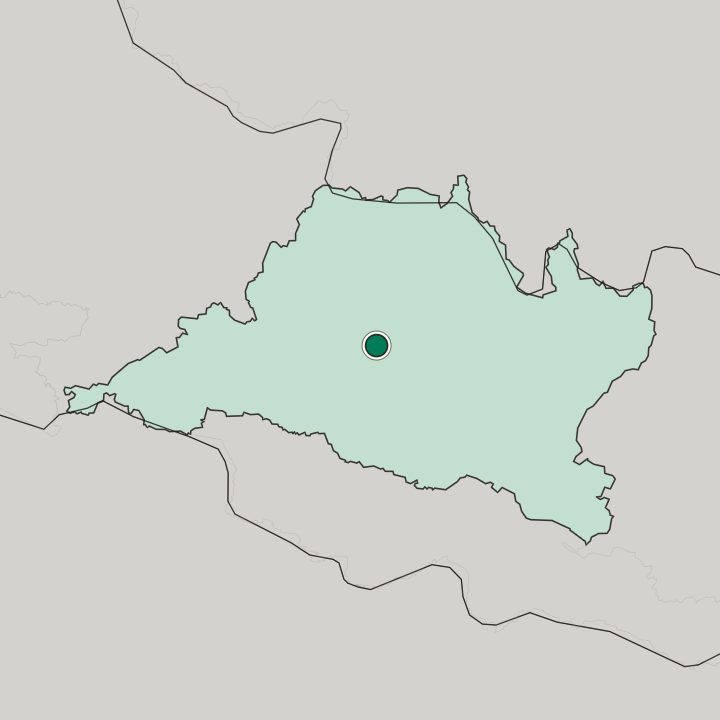
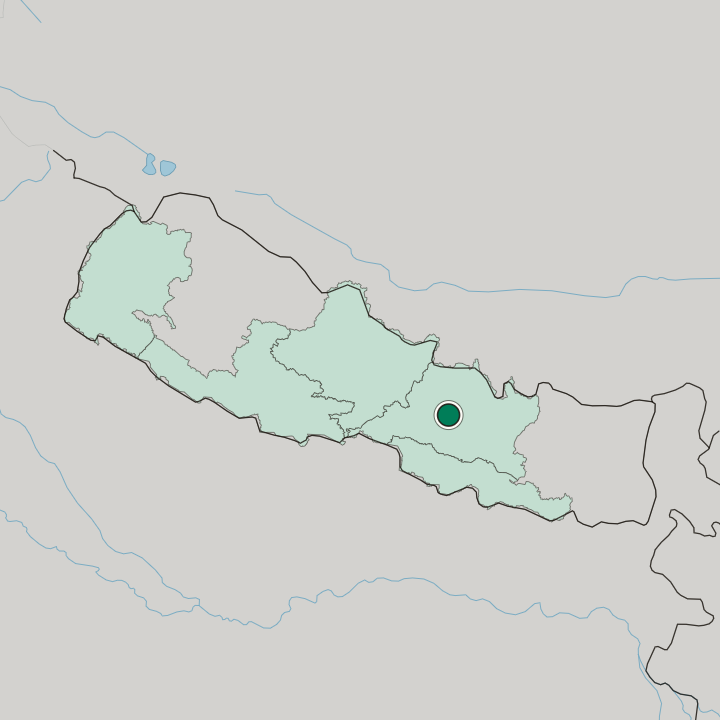
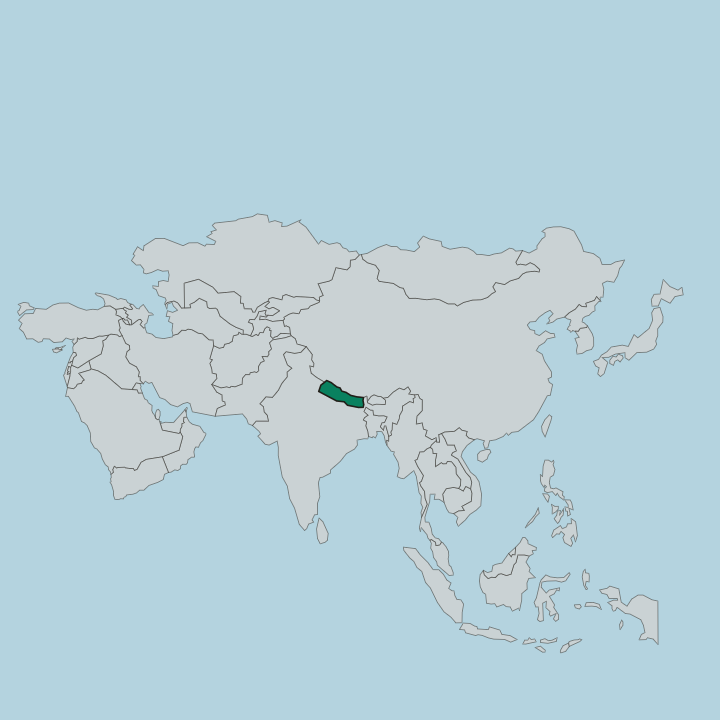
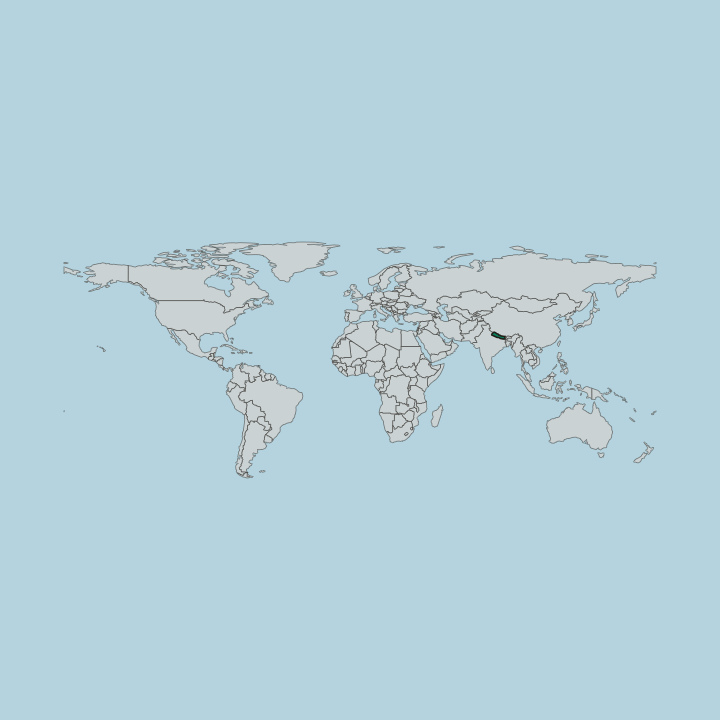
Kathmandu sits in the central part of Nepal, spread across the floor of the Kathmandu Valley and ringed by the surrounding hills that enclose the bowl. The city stands well above sea level. Its built-up area runs unbroken south to Patan, so the two settlements share one continuous urban footprint on the valley floor.
Kantipur holds the centre.
What is the climate of Kathmandu?
Kathmandu has a mild subtropical climate, softened by the elevation of the Kathmandu Valley and tempered by the surrounding hills that ring the bowl and hold back the heat its setting would otherwise carry. Summers are warm and wet. The monsoon months gather rain over the valley floor, while winters stay cool and dry.
Mornings turn crisp.
How do you get to Kathmandu?
Kathmandu is the main point of entry to Nepal and the principal hub for the whole Kathmandu Valley. Roads climb in from the hills. They cross the surrounding ridges that ring the valley and link the capital to the rest of the country before descending to the floor.
Within the built-up area, travel runs on toward Patan without a break, since the two share one continuous urban fabric. Kantipur sits at the centre.
Common questions
What is the best area to stay in Kathmandu?
Historic core (Kantipur): Heritage lanes around Narayanhiti Palace. Toward Patan: Quieter streets in the continuous urban area. Palace museum grounds: Museums on the doorstep near Maitighar Mandala.
Good for
More cities in Bagmati Province
Updated October 2026