New Zealand · Bay of Plenty
Where to Stay in Rotorua, Bay of Plenty
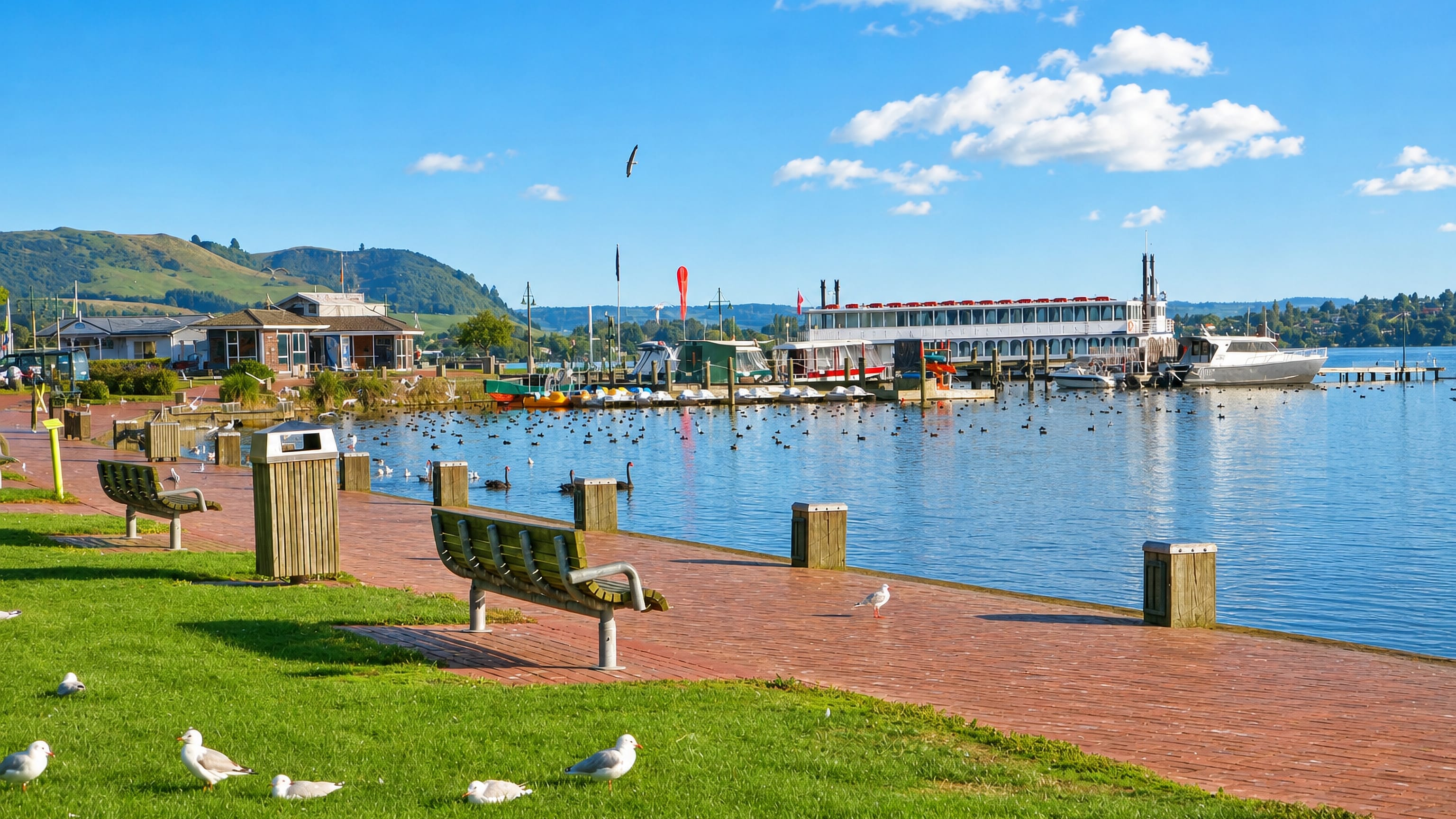
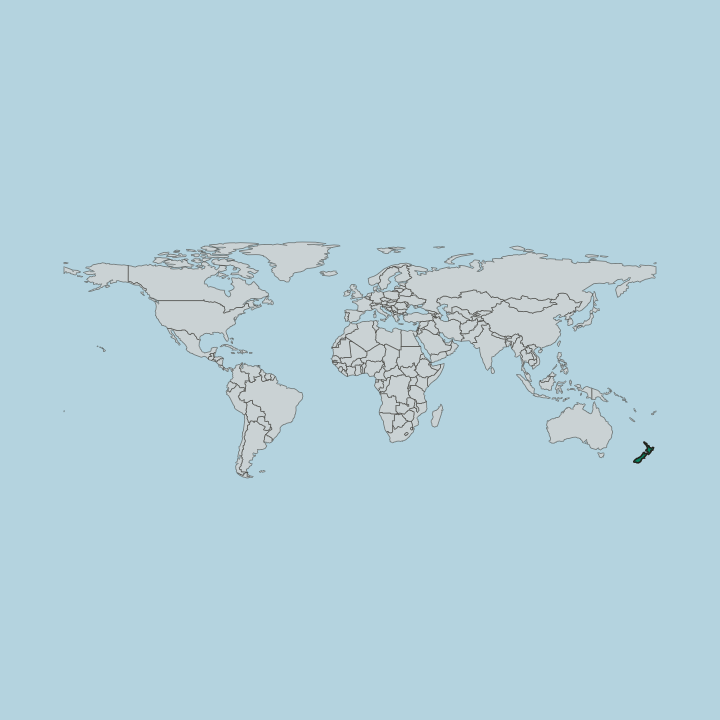
Rotorua stands on the southern shores of Lake Rotorua, a geothermal city in the Bay of Plenty Region of New Zealand's North Island.
Hotel links are affiliate links: booking through them may earn us a commission, at no extra cost to you. It never affects how places are ranked. How this works


Where to stay in Rotorua
How the choice of base plays out on the ground.
The lakefront holds most beds. Rooms concentrate along the strip between Lake Rotorua and the Rotorua Museum, which puts the water, the museum grounds, and the city's shops inside a single walk. Conference traffic uses the Energy Events Centre, so midweek availability swings with whatever is booked in there.
Ohinemutu sits apart. The lakeside settlement keeps St Faith's Anglican Church, known also as Te Hāhi o te Whakapono, and staying near it puts you at the Māori heart of the place rather than at its commercial one. Whakarewarewa is the geothermal option.
Beds out that way sit near the Whakarewarewa Catholic Church and the thermal ground on that edge of the city, which suits travellers who want the geothermal side first and the shops second. Robertson House and Saint Mary of the Cross MacKillop Church stand among the residential streets back from the water. Rafting and mountain biking pull people out of the city each morning, which is why so many stays here are booked around the trip rather than the room. Tauranga sits out on the Bay of Plenty coast, so anyone splitting a trip between the two usually sleeps here and drives out for the day.
Find hotels in Rotorua
Direct booking searches for these neighbourhoods.
Lakefront
The strip between Lake Rotorua and the Rotorua Museum, with the Energy Events Centre alongside.Find hotels in LakefrontThe lakeside settlement and its churchOhinemutu
Built around St Faith's Anglican Church, Te Hāhi o te Whakapono, on the shore of Lake Rotorua. Few places to stay nearby — book ahead.Find hotels in OhinemutuWaking up on the geothermal side of RotoruaWhakarewarewa
Near Whakarewarewa Catholic Church and the thermal ground on that edge of the city.Find hotels in WhakarewarewaHotel links are affiliate links: booking through them may earn us a commission, at no extra cost to you. It never affects how places are ranked. How this works
Things to do in Rotorua
Ranked by global recognition; descriptions from Wikidata (CC0).
Museums & Galleries
1- Rotorua Museum
Churches & Religious Sites
3- Te Hāhi o te Whakapono / St Faith's Anglican Church Ohinemutu Heritage
- Saint Mary of the Cross MacKillop Church
- Whakarewarewa Catholic Church
Stadiums & Sports
1- Energy Events Centre
Landmarks & Notable Places
2- Robertson House Heritage
- The Bath House (Former) Heritage
worth knowingacross 4 categories in Rotorua
About Rotorua
Steam is the first thing.
What is Rotorua known for?
Geothermal ground defines Rotorua, and Māori culture is met here more readily than almost anywhere else in New Zealand, from Ohinemutu on the lakeshore to Whakarewarewa beyond the centre. White-water rafting and mountain biking fill the outdoor side, and families come for the same reason. Lake Rotorua fills the view.
What are the main landmarks in Rotorua?
Rotorua Museum is the set piece. The former Bath House stands among the city's listed buildings, and Robertson House keeps a smaller domestic entry on the same register. Te Hāhi o te Whakapono, also called St Faith's Anglican Church, stands at Ohinemutu on the shore of Lake Rotorua.
Whakarewarewa Catholic Church and Saint Mary of the Cross MacKillop Church hold their own listings out in the districts, and the Energy Events Centre supplies the modern counterweight to all of it.
What is the history of Rotorua?
Rotorua was founded in 1883. The town was laid out on the southern shores of Lake Rotorua, and the geothermal ground beneath it decided almost everything that followed, from the buildings raised to the reason people travelled here at all. The Bath House is the clearest survival of that.
Its name records what the place was built to do, and its listing keeps that era on the register long after the building stopped serving it. Māori life on the lake shore is the other thread. St Faith's Anglican Church at Ohinemutu, Te Hāhi o te Whakapono, holds that thread in a single building, standing at the water's edge.
Whakarewarewa Catholic Church and Saint Mary of the Cross MacKillop Church carry the same record out into the surrounding districts. Robertson House survives from the domestic side. The Rotorua Museum keeps the record indoors, and the town's role as seat of the Rotorua Lakes District gives it an administrative line alongside the visitor one that began with the baths.
Tauranga is the larger of the Bay of Plenty's urban centres, but the lakes kept Rotorua's business its own.
Where is Rotorua?
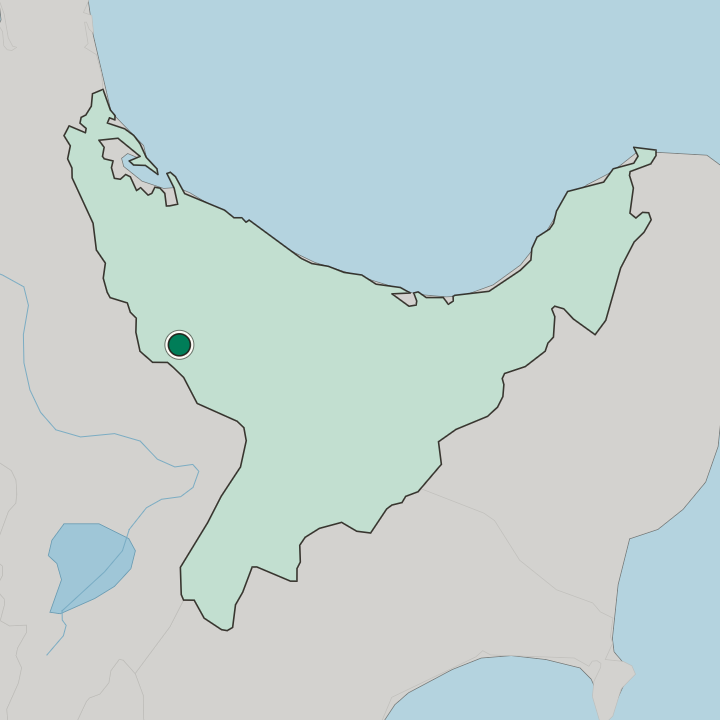
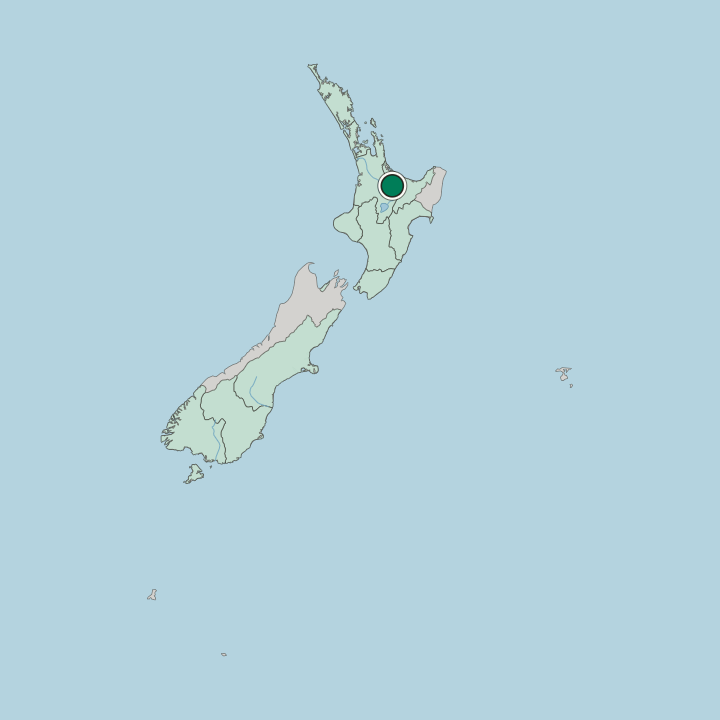
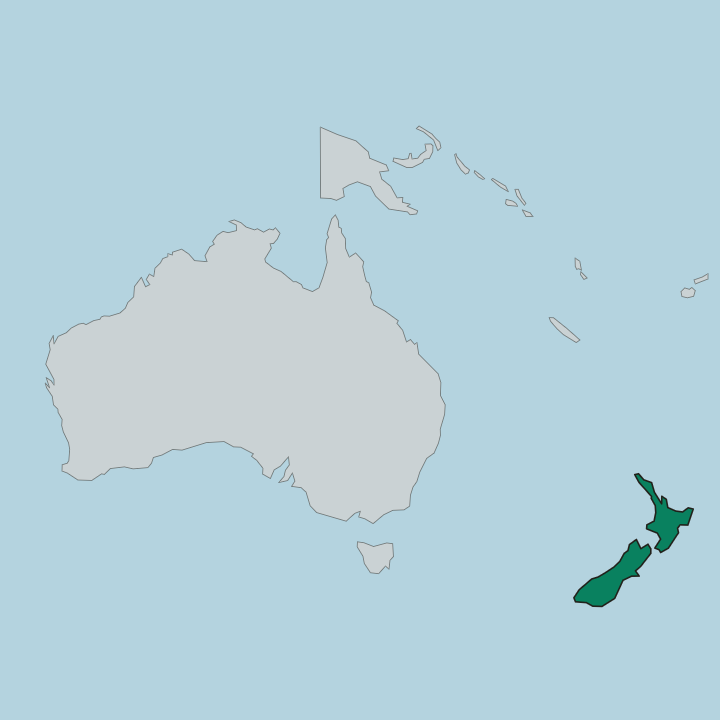
The city takes its name from the lake. Rotorua occupies the southern shores of Lake Rotorua, in the Bay of Plenty Region of New Zealand's North Island, and the geothermal field beneath the basin breaks through the ground across the district. The Rotorua Lakes District reaches far past the built-up area, taking in several other towns around the water.
Tauranga lies out on the coast.
What is the climate of Rotorua?
The lake moderates it. Rotorua lies in the temperate band of the southern hemisphere, with the water of Lake Rotorua on one side of the city and inland North Island country on the other, which keeps the seasonal swing modest at both ends. Warmth falls around January, cold around July, the calendar of the southern half of the world.
The steam does not follow the calendar.
How do you get to Rotorua?
Rotorua sits inland from the coast. Approaches come overland across the North Island, with Tauranga and the Bay of Plenty coast to draw from on one side and the wider Rotorua Lakes District on the other, so nearly everyone arrives by road. Most arrivals end at the lakefront, close to the Rotorua Museum and the Energy Events Centre.
Tauranga is the nearest larger centre.
Common questions
What is the best area to stay in Rotorua?
Lakefront: Walking to Lake Rotorua and the museum grounds. Ohinemutu: The lakeside settlement and its church. Whakarewarewa: Waking up on the geothermal side of Rotorua.
Good for
Another city in Bay of Plenty
Updated September 2026