Oman · Muḩāfaz̧at Masqaţ
Where to Stay in Muscat, Muḩāfaz̧at Masqaţ
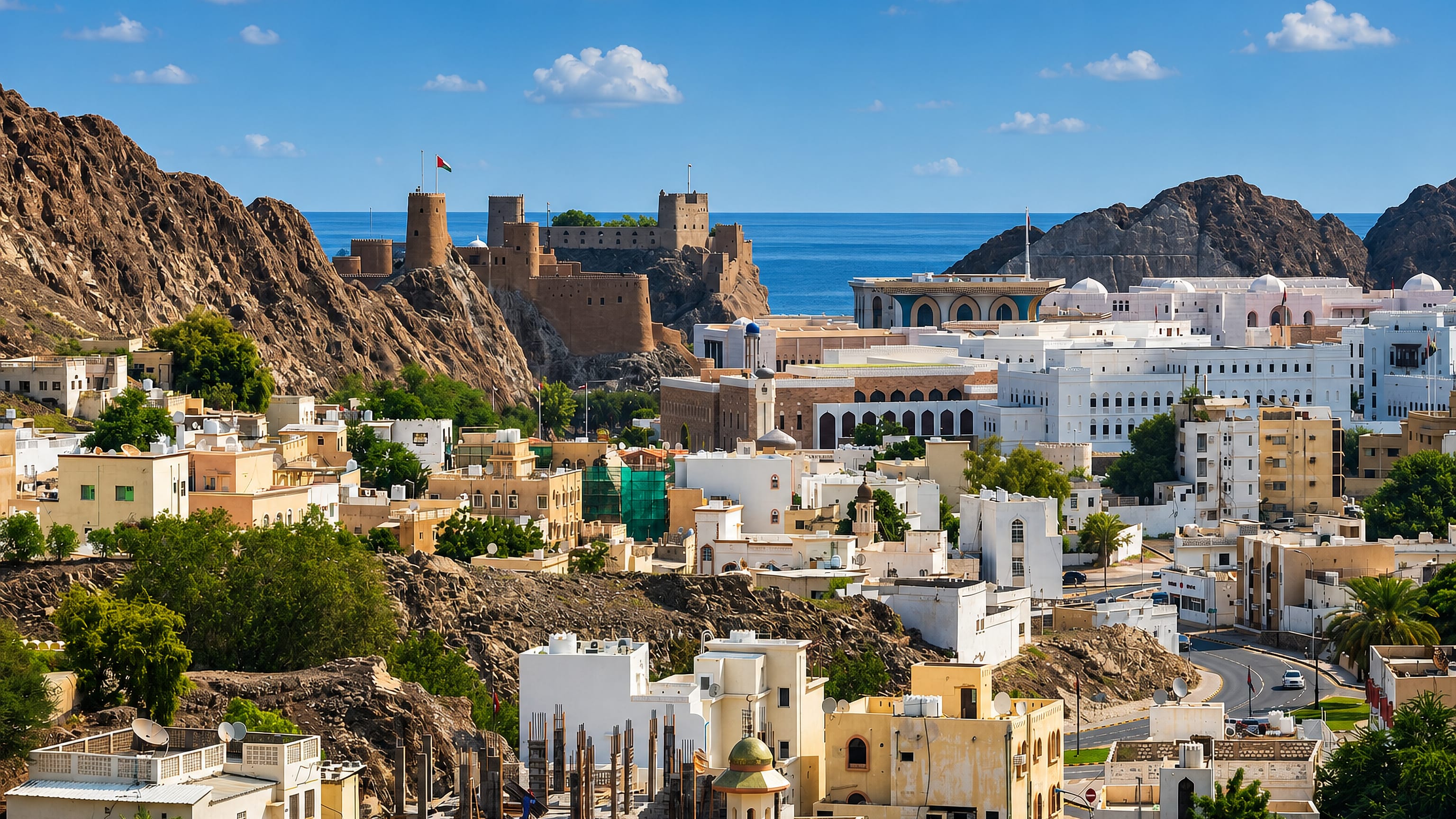
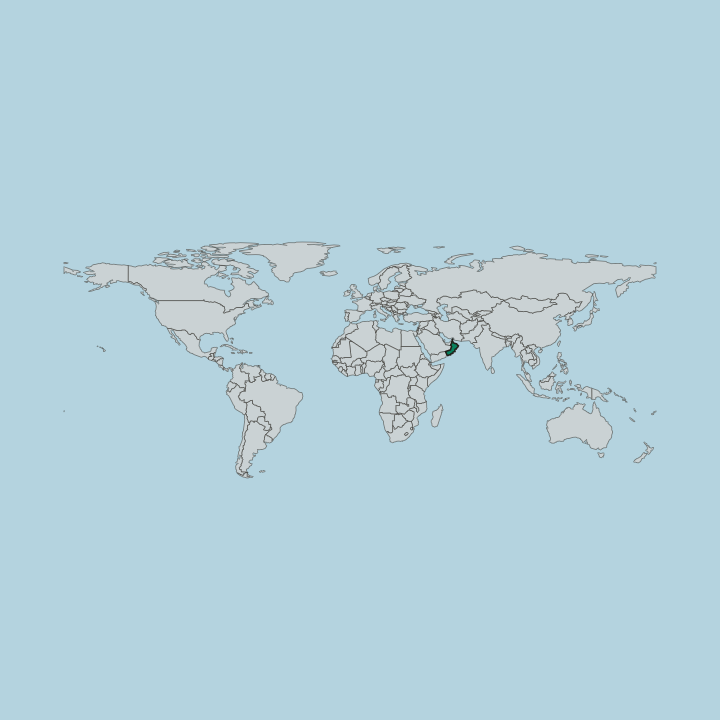
Low white buildings press between the Hajar Mountains and the Gulf of Oman at Muscat, capital of Oman, known for Fort Al Jalali and the Muttrah harbour.
Hotel links are affiliate links: booking through them may earn us a commission, at no extra cost to you. It never affects how places are ranked. How this works


Where to stay in Muscat
The right area depends on your trip — here's what each neighbourhood is best for.

 MuscatOman
Muţraḩ
Muţraḩ is Muscat's harbour province, holding Souq Muttrah, Fort Muttrah and one of the largest seaports in the region.Where to stay →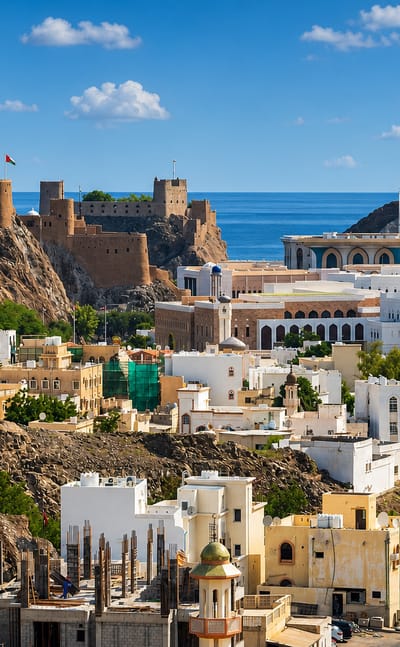 MuscatOman
Bayt al Falaj
Bayt al Falaj is a village inside Muscat that held the city's airport and air force base until the field at Seeb opened in 1973.Where to stay →MuscatOmanDārsayt
Dārsayt is a residential locality of Muscat, called the Little India of the city for the Indian community long settled in its streets.Where to stay →MuscatOmanGhubrah
Ghubrah, also written Al-Ghubra, is a planned suburb of Muscat built around malls, a lake park and a beach of long sand dunes.Where to stay →Hotel links are affiliate links: booking through them may earn us a commission, at no extra cost to you. It never affects how places are ranked. How this works
Find hotels in Muscat
Direct booking searches for these neighbourhoods.
Muttrah
The old port district curves along the corniche below Fort Al Jalali, with the souq, the National Museum, and Bait al Zubair a short walk from the water.Find hotels in MuttrahA quiet base under the Hajar Mountains away from the cornicheOuter Muscat
Low white neighbourhoods spread inland toward the Hajar Mountains, trading the harbour crowds for space and calm near the Omani Aquarium and the Bait al-Baranda Museum.Find hotels in Outer MuscatHotel links are affiliate links: booking through them may earn us a commission, at no extra cost to you. It never affects how places are ranked. How this works
Things to do in Muscat
Ranked by global recognition; descriptions from Wikidata (CC0).
Museums & Galleries
3- The National Museum - Sultanate of Oman
- Bait al Zubair Museum
- Muscat Gate Museum
Castles & Historic Sites
1- Fort Al Jalali Heritage
worth knowingacross 2 categories in Muscat
About Muscat
What is Muscat known for?
Muscat is known as the capital and largest city of Oman, a seaport on the Gulf of Oman that grew from a trading harbour on the Maritime Silk Road. Its old quarters hold Fort Al Jalali above the water and the collections of Bait al Zubair Museum. Low-lying white buildings, hemmed by the Hajar Mountains, give the city a spare and consistent skyline.
The port district of Muttrah anchors the shore. Museums abound.
What are the main landmarks in Muscat?
The main landmarks in Muscat gather around the old harbour and the museum quarter. Fort Al Jalali crowns the rock above the water, one of the pair of stone forts raised long ago to guard the bay and the ships that anchored beneath its walls. The National Museum of the Sultanate of Oman and the Bait al Zubair Museum hold the country's heritage.
The Muscat Gate Museum marks the old line of the city walls. Two smaller collections complete the circuit. The Omani French Museum and the Bait al-Baranda Museum sit nearby, and the Omani Aquarium stands on the coast.
What is the history of Muscat?
Muscat has been inhabited since at least 1000 BCE, when the sheltered bays on the Gulf of Oman first drew settlers to this stretch of coast beneath the Hajar Mountains. For centuries the harbour served as an important trading port on the Maritime Silk Road. Trade shaped everything.
The forts above the water, among them Fort Al Jalali, rose to guard a bay that merchants and rival sea powers both prized over the long centuries of the port's rise. The old town grew into a multi-ethnic and multi-cultural society, its markets drawing people from across the Indian Ocean world. Muttrah became the commercial spine of the settlement.
Its souq traded goods carried in by sea, and that long maritime history is why Muscat became the capital of Oman and the seat of the surrounding governorate of Muḩāfaz̧at Masqaţ. The National Museum and the Bait al Zubair Museum keep that record. The past stays close to the surface here, held in the walls marked by the Muscat Gate Museum.
Where is Muscat?
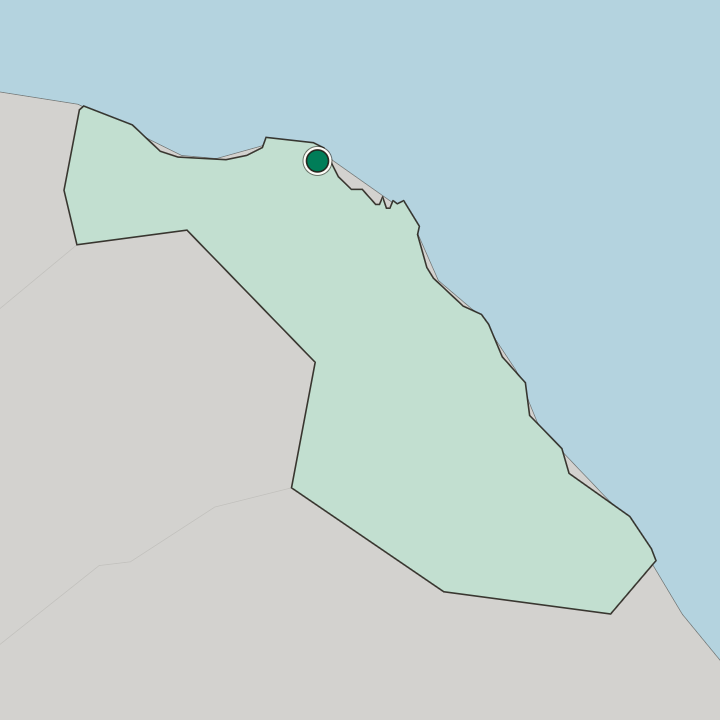
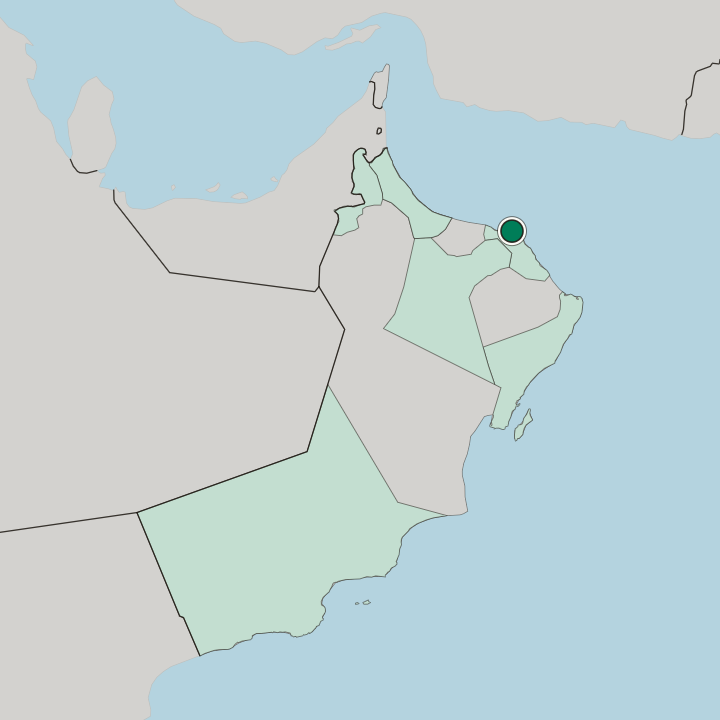
Muscat sits on the Gulf of Oman, where the Hajar Mountains fall almost to the shore and leave only narrow strips of ground on which the districts of the city can spread. The coast lies near the Strait of Hormuz. The port district of Muttrah, with its corniche and harbour, marks the north-eastern edge of the built-up area.
Bare rock frames the town. Low white buildings define the setting, and the mountains give the capital of Oman its dramatic backdrop while hemming its neighbourhoods hard against the sea.
What is the climate of Muscat?
Muscat has a hot desert climate, shaped by its place on the Gulf of Oman below the Hajar Mountains. Summers are long, intensely hot, and humid along the coast, when the sea air presses against the mountain wall. Winters are warm and dry.
Rain is scarce and falls mostly in short spells. The bare slopes above the city stay brown for most of the year, and the low white buildings reflect the strong subtropical light off the water.
How do you get to Muscat?
Muscat is the main way into Oman, and it receives the largest share of the country's foreign visitors arriving by air and sea. Most travellers land here first. Roads reach the city along the Gulf of Oman shore and through the passes of the Hajar Mountains, and the harbour at Muttrah keeps the old sea link that first built the town.
From the corniche it is a short way to Fort Al Jalali. The coast road ties the capital to the rest of the Omani shore.
Common questions
What is the best area to stay in Muscat?
Muttrah: Staying beside the Muttrah corniche, souq, and harbour. Outer Muscat: A quiet base under the Hajar Mountains away from the corniche.
Good for
Another city in Muḩāfaz̧at Masqaţ
Updated October 2026