Peru · Departamento de Ancash
Where to Stay in Huaraz, Departamento de Ancash
Huaraz is a mountain city high in the Peruvian Andes, the base for the snow peaks of the Cordillera Blanca.
Hotel links are affiliate links: booking through them may earn us a commission, at no extra cost to you. It never affects how places are ranked. How this works


Where to stay in Huaraz
Where the beds are, and what that means for the visit.
In Huaraz the choice comes down to how close to the centre you sleep. The busy streets around the main plaza keep the guides, the gear shops, and the market within a walk, and staying downtown suits anyone here for the mountains. The plaza fills with trekkers at night.
Rooms sit near the square and the shops. Out toward the edges and the valley, the guesthouses look up at the peaks. A room on the edge trades the busy centre for mountain views, quiet, and an easy start to the trailheads.
The white peaks rise past the town. If you want the shops and the plaza, stay in the centre; if you want the views, take a room outside. Either way, the mountains are close at hand.
Find hotels in Huaraz
Direct booking searches for these neighbourhoods.
The centre
Around the main plaza, within a walk of the trekking outfittersFind hotels in The centreStays wanting mountain views and quietThe valley edge
On the edge of town facing the peaks, an easy start to the trailheadsFind hotels in The valley edgeHotel links are affiliate links: booking through them may earn us a commission, at no extra cost to you. It never affects how places are ranked. How this works
Things to do in Huaraz
Ranked by global recognition; descriptions from Wikidata (CC0).
Museums & Galleries
1- Archaeological Museum of Ancash
Churches & Religious Sites
2- iglesia de la Soledad
- iglesia de Nuestra Señora de Belén
Castles & Historic Sites
3- Pumacayán Heritage
- Waullac
- Kanapun
Stadiums & Sports
1- Estadio Rosas Pampa
worth knowingacross 4 categories in Huaraz
About Huaraz
Huaraz is the mountain capital of the Peruvian Andes.
What is Huaraz known for?
It sits in a high valley beneath the Cordillera Blanca, the highest tropical range on earth, and trekkers gather here to climb to the glaciers, the turquoise lakes, and the great peak of Huascarán. Snow mountains fill the eastern sky. Peaks and trails mark the city.
What are the main landmarks in Huaraz?
The Cordillera Blanca towers over Huaraz. The white wall of snow peaks, crowned by Huascarán, the highest mountain in Peru, fills the sky east of the town, the emblem of the region, above the valley. Ancient stones fill the museum.
The Archaeological Museum of Ancash keeps the carved gods of the Recuay, while the ruins of Chavín de Huántar and the old churches mark the valley.
What is the history of Huaraz?
Huaraz has stood in the mountain valley since ancient times. Long before the Inca, the Chavín culture built a great temple at Chavín de Huántar in these hills, one of the oldest centres of the Andes, and later peoples carved the stone gods now kept in the town's museum. The Spanish founded the town below.
Colonial Huaraz grew as a market of the high valley, gathering the grain and herds of the Callejón de Huaylas. Then the mountains struck the city down. In 1970 a great earthquake shook the valley and sent an avalanche off Huascarán, destroying Huaraz and burying whole towns nearby in one of the worst disasters the Andes have known.
The city rose again from the rubble. Rebuilt on its old site, Huaraz became the base for climbers and trekkers who come for the Cordillera Blanca, its streets full of guides and gear. The snow peaks still ring the valley.
Huaraz stands at the foot of the white mountains of Peru.
Where is Huaraz?
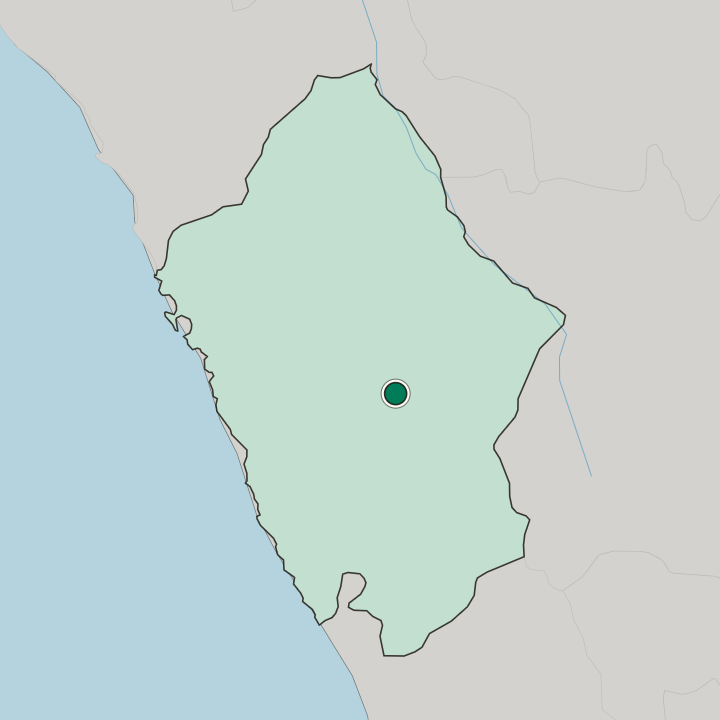
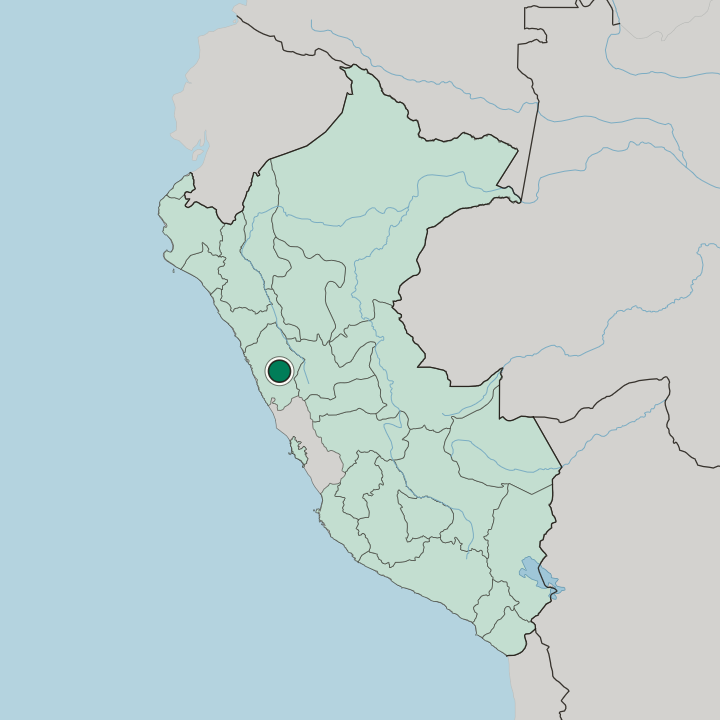
Huaraz lies in a high Andean valley between two great ranges of Peru. The city sits over three thousand metres up in the Callejón de Huaylas, on the Santa river, with the snow-capped Cordillera Blanca to the east and the dark Cordillera Negra to the west. White peaks tower over the valley.
The deep gorge runs north between the ranges.
What is the climate of Huaraz?
Huaraz sits high enough in the Andes for cool, dry mountain weather. The great altitude keeps the days mild and the nights cold all year, and a wet season from summer to autumn brings the rains, while the winter stays dry and clear, the best time to climb. Snow crowns the high peaks year-round.
The thin air stays crisp and cool.
How do you get to Huaraz?
Huaraz lies in the Andes north of Lima in central Peru. A winding highway climbs to it over the mountains from the coast, up into the high valley, and roads run on to the trailheads and the ruins. From Huaraz, buses serve the other towns strung along the valley.
Most arrive by road over the passes.
Common questions
What is the best area to stay in Huaraz?
The centre: Visitors here for the guides, gear shops, and market. The valley edge: Stays wanting mountain views and quiet.
Good for
Another city in Departamento de Ancash
Updated September 2026