Peru · Departamento de Arequipa
Where to Stay in Arequipa, Departamento de Arequipa
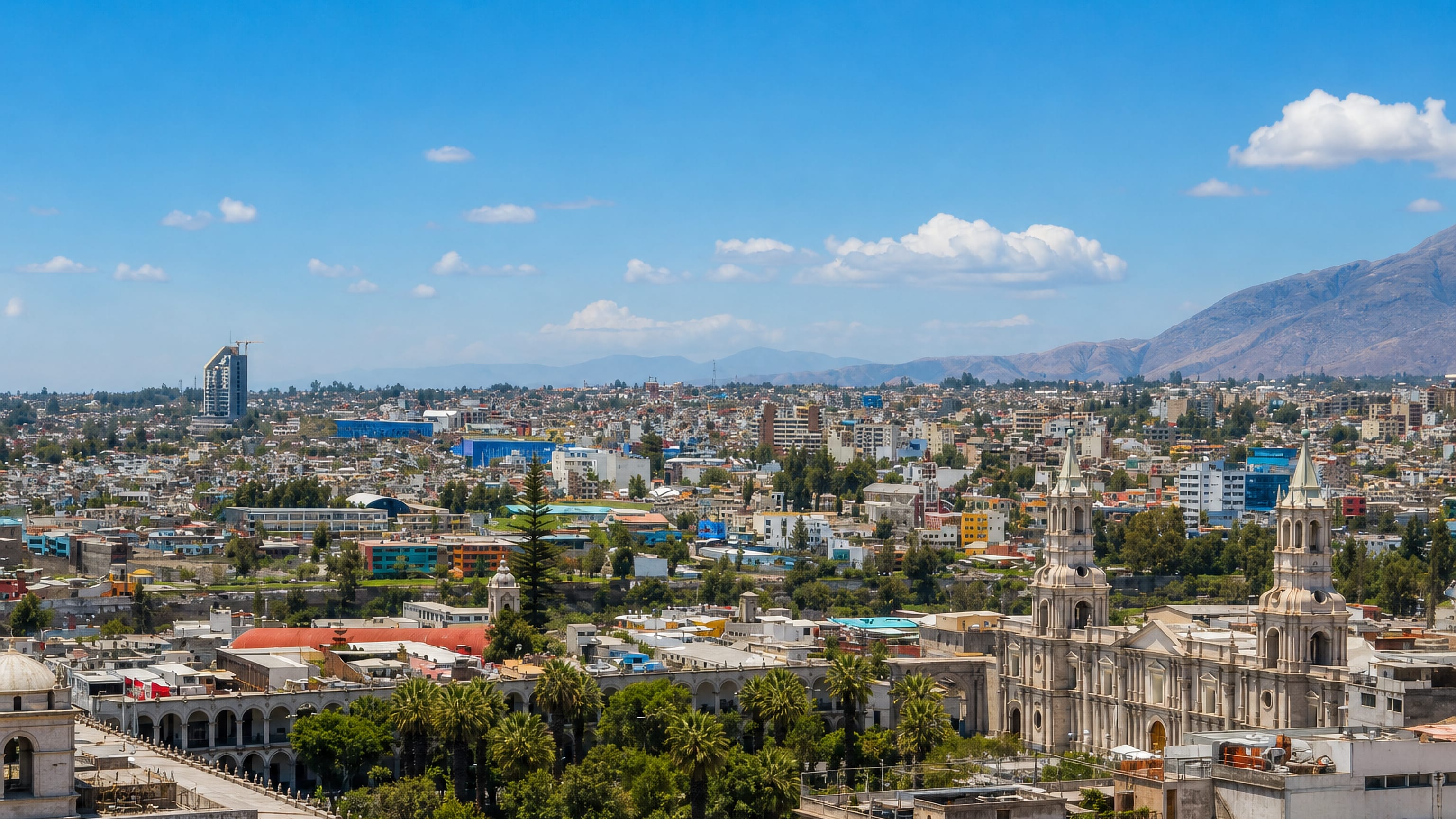
Pale volcanic stone frames the plazas of Arequipa, a city below three volcanoes in the Department of Arequipa, Peru, known for Santa Catalina Monastery.
Hotel links are affiliate links: booking through them may earn us a commission, at no extra cost to you. It never affects how places are ranked. How this works


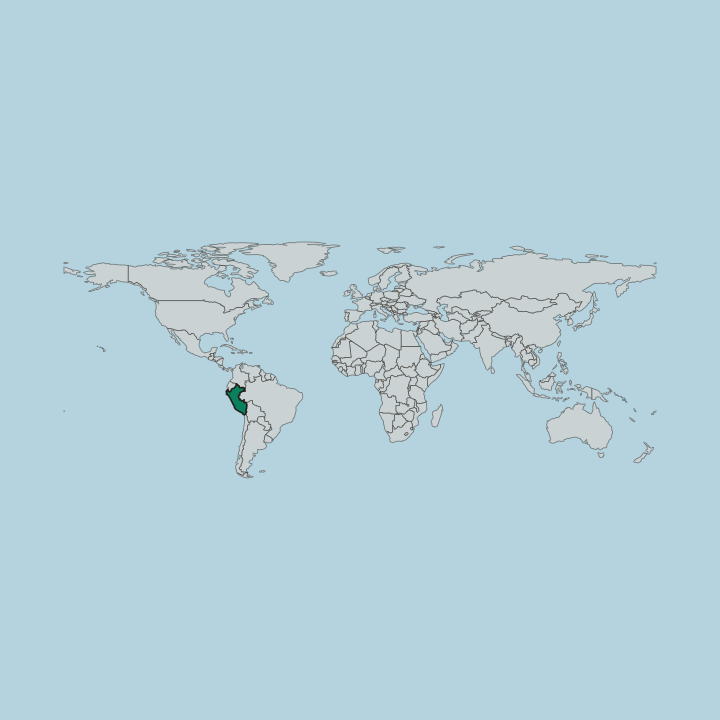
Where to stay in Arequipa
How the choice of base plays out on the ground.
Most visitors to Arequipa stay in the historic centre, on the streets around the Plaza de Armas. This centre is small and easily walked. Its stone lanes gather the hotels, the Basilica Cathedral of Arequipa and the walled Santa Catalina Monastery within a few blocks, which suits first-time arrivals who want the colonial city and its plazas at their door.
Beyond the centre, the quieter district of Yanahuara looks back across the valley toward the volcanoes. Stay here for the view and the calm. Its lookout and pale archways sit a short walk from the core, trading the crowds of the Plaza de Armas for a residential grain within the Department of Arequipa, Peru.
Rooms concentrate in the centre; book near the plaza early, when climbers and canyon trips fill the city.
Find hotels in Arequipa
Direct booking searches for these neighbourhoods.
Historic centre
The stone lanes around the Plaza de Armas hold the Basilica Cathedral of Arequipa and the Santa Catalina Monastery.Find hotels in Historic centreTravellers who want the volcano view and a quieter grainYanahuara
Its lookout and pale archways face the three volcanoes across the valley, a short walk from the centre.Find hotels in YanahuaraHotel links are affiliate links: booking through them may earn us a commission, at no extra cost to you. It never affects how places are ranked. How this works
Things to do in Arequipa
Ranked by global recognition; descriptions from Wikidata (CC0).
Museums & Galleries
2- Museo Santuarios Andinos
- Museo de Santa Teresa
Churches & Religious Sites
4- Santa Catalina Monastery Heritage
- Basilica Cathedral of Arequipa Heritage
- Convento de la Recoleta de Arequipa Heritage
- Santa Marta Heritage
Castles & Historic Sites
2- Monumento a la familia Goyeneche
- Andenería de Carmen Alto y Tocrahuasi
Landmarks & Notable Places
2- Casona Tristán del Pozo Heritage
- Casa del Moral Heritage
worth knowingacross 4 categories in Arequipa
About Arequipa
What is Arequipa known for?
Arequipa is known for its colonial core built from pale volcanic stone and for the ring of three volcanoes above it. The old city is a walled world of its own. The Santa Catalina Monastery, the Basilica Cathedral of Arequipa and a run of stone mansions fill the historic centre, and the city stands as the capital of the Department of Arequipa in Peru.
What are the main landmarks in Arequipa?
Arequipa's main landmarks fill its stone-built historic centre. Faith shaped much of it. The Santa Catalina Monastery keeps a walled town of cloisters and painted lanes, the Basilica Cathedral of Arequipa fronts the Plaza de Armas, and colonial mansions such as the Casa del Moral and the Casona Tristán del Pozo preserve the carved sillar facades that give the Department of Arequipa its look in Peru.
What is the history of Arequipa?
Arequipa was founded in 1540 as a Spanish colonial city on ground already settled below the volcanoes. The site had older roots. It sat on farmland at the edge of the Altiplano, watered by mountain streams and worked long before the Spanish laid out their grid of plazas and stone churches around a central square.
The colonial city rose in the pale volcanic sillar quarried nearby. That stone shaped everything built after. The Santa Catalina Monastery, the Basilica Cathedral of Arequipa and rows of carved mansions went up over the following centuries, surviving repeated earthquakes from the volcanoes above, and the city grew into the seat of the Department of Arequipa within Peru.
Where is Arequipa?
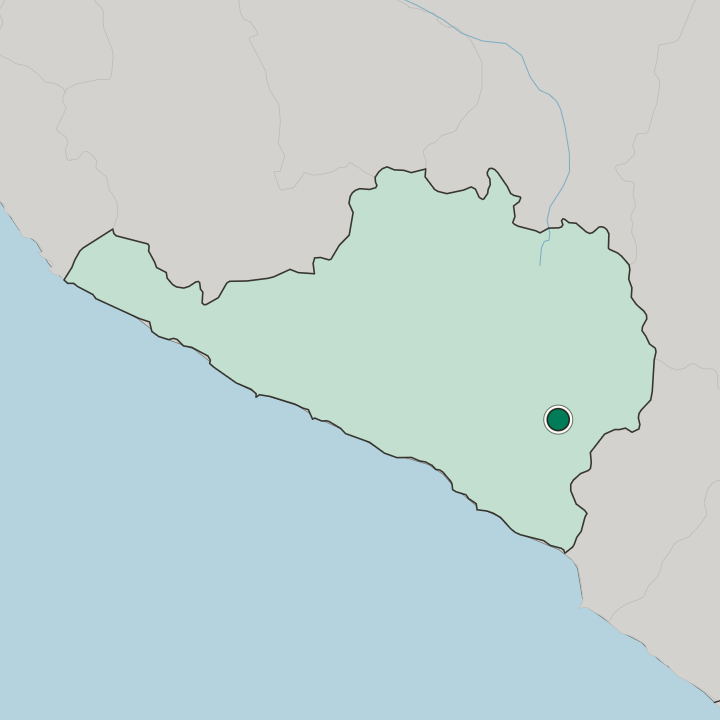
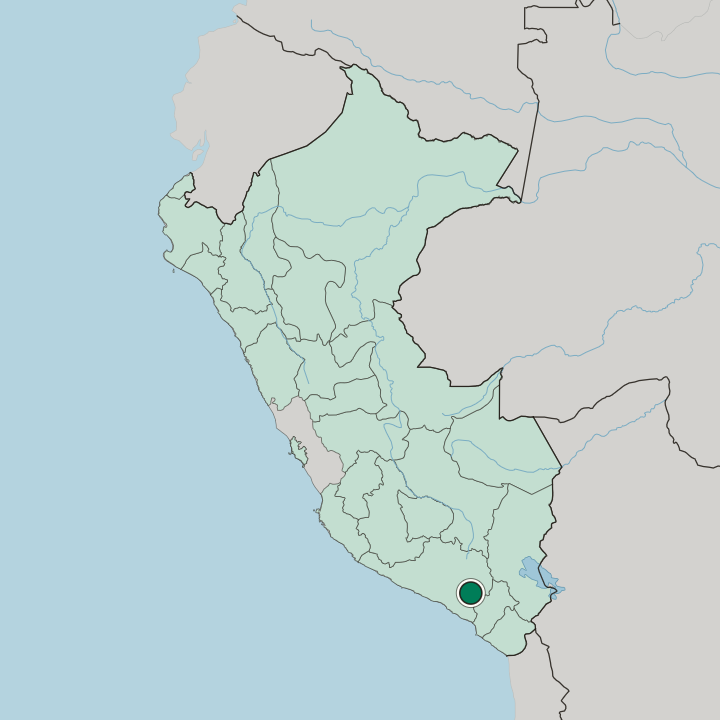
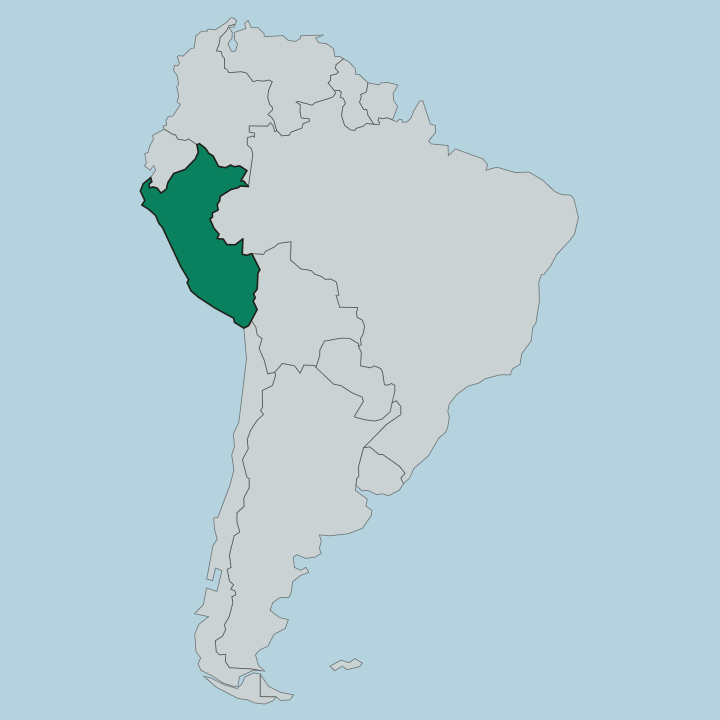
Arequipa lies in a high valley just below the edge of the Altiplano, ringed by three volcanoes in the Department of Arequipa. The setting is elevated and dry. The city sits well above the coast, on ground that slopes down from the volcanic cones toward the deep canyons and desert of southern Peru.
Mountain streams cross the valley floor, watering the terraced land around the built-up centre.
What is the climate of Arequipa?
Arequipa has a dry, high-altitude climate softened by strong sun and its valley setting below the volcanoes. Days are bright and warm year-round. Clear skies dominate above the Department of Arequipa, with cool nights, thin mountain air and little rain, so the volcanoes stand sharp against the sky over most of the year in this corner of Peru.
How do you get to Arequipa?
Arequipa is reached by air and by long road routes across Peru. Its airport sits on the plateau near the city. Flights link Arequipa with the capital and the coast, while highways climb up from the Pacific shore and run inland across the Department of Arequipa toward the Altiplano.
From here roads continue on to the canyons and high country beyond the volcanoes.
Common questions
What is the best area to stay in Arequipa?
Historic centre: First-timers wanting the walled monastery and the colonial plazas. Yanahuara: Travellers who want the volcano view and a quieter grain.
Good for
Updated September 2026