Peru
Departamento de Arequipa, Peru — Towns & Travel Guide
Arequipa is a volcano-ringed region of southern Peru, where the White City sits beneath Misti and canyons cut toward the Pacific.
Hotel links are affiliate links: booking through them may earn us a commission, at no extra cost to you. It never affects how places are ranked. How this works


Towns & cities in Departamento de Arequipa
One town here has its own guide — it links to where to stay.
 Peru
Peru
Arequipa
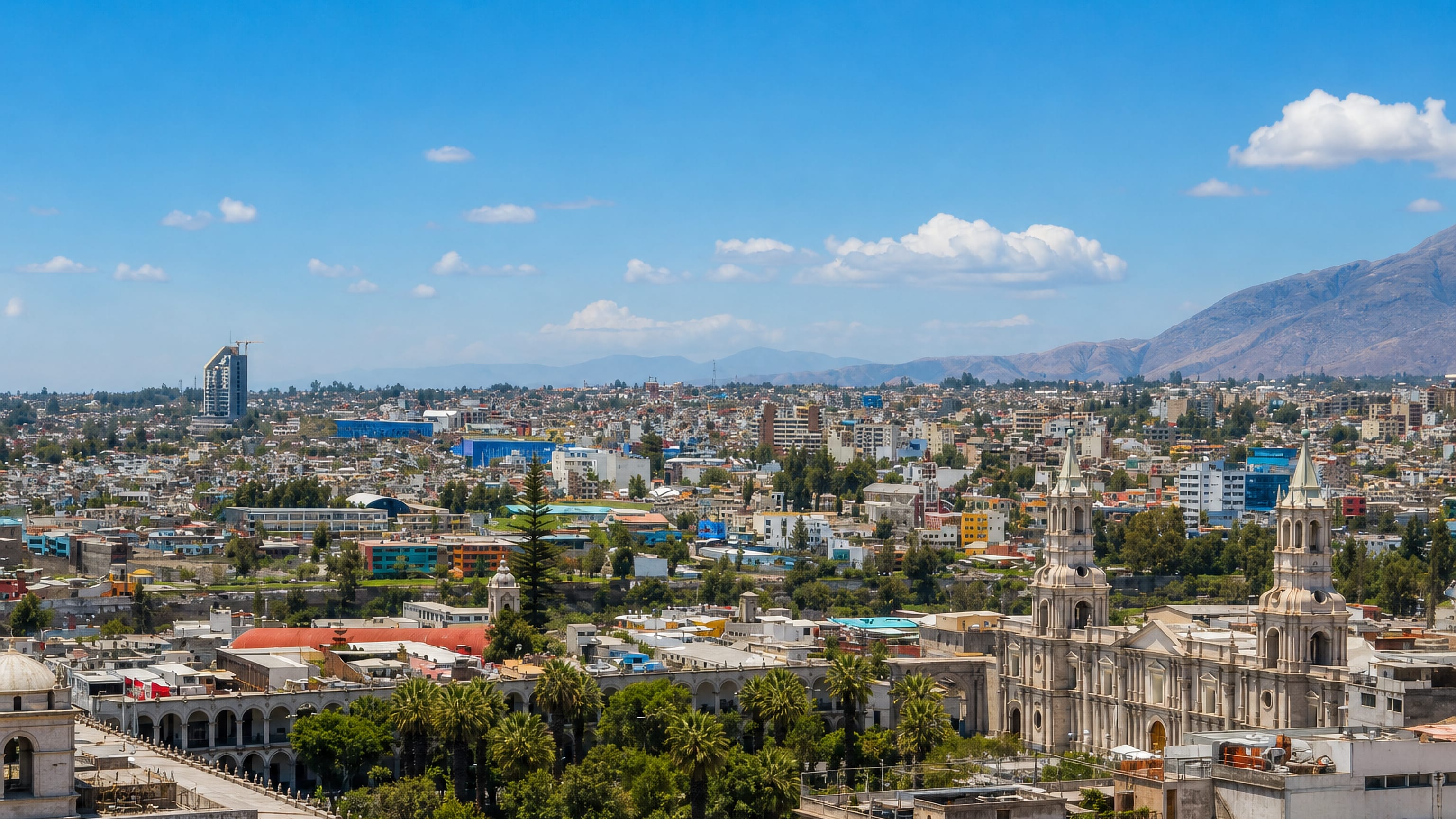
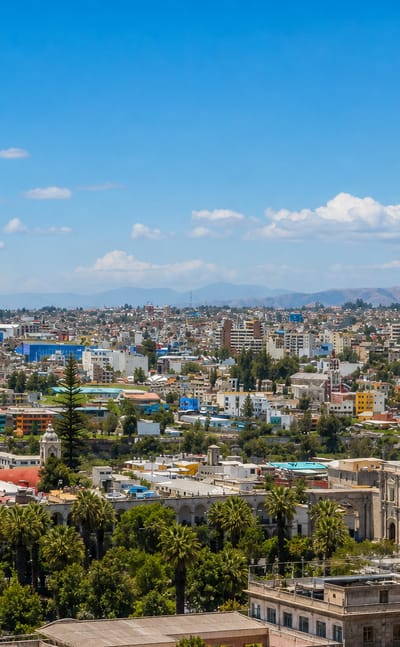
Pale volcanic stone frames the plazas of Arequipa, a city below three volcanoes in the Department of Arequipa, Peru, known for Santa Catalina Monastery.Where to stay →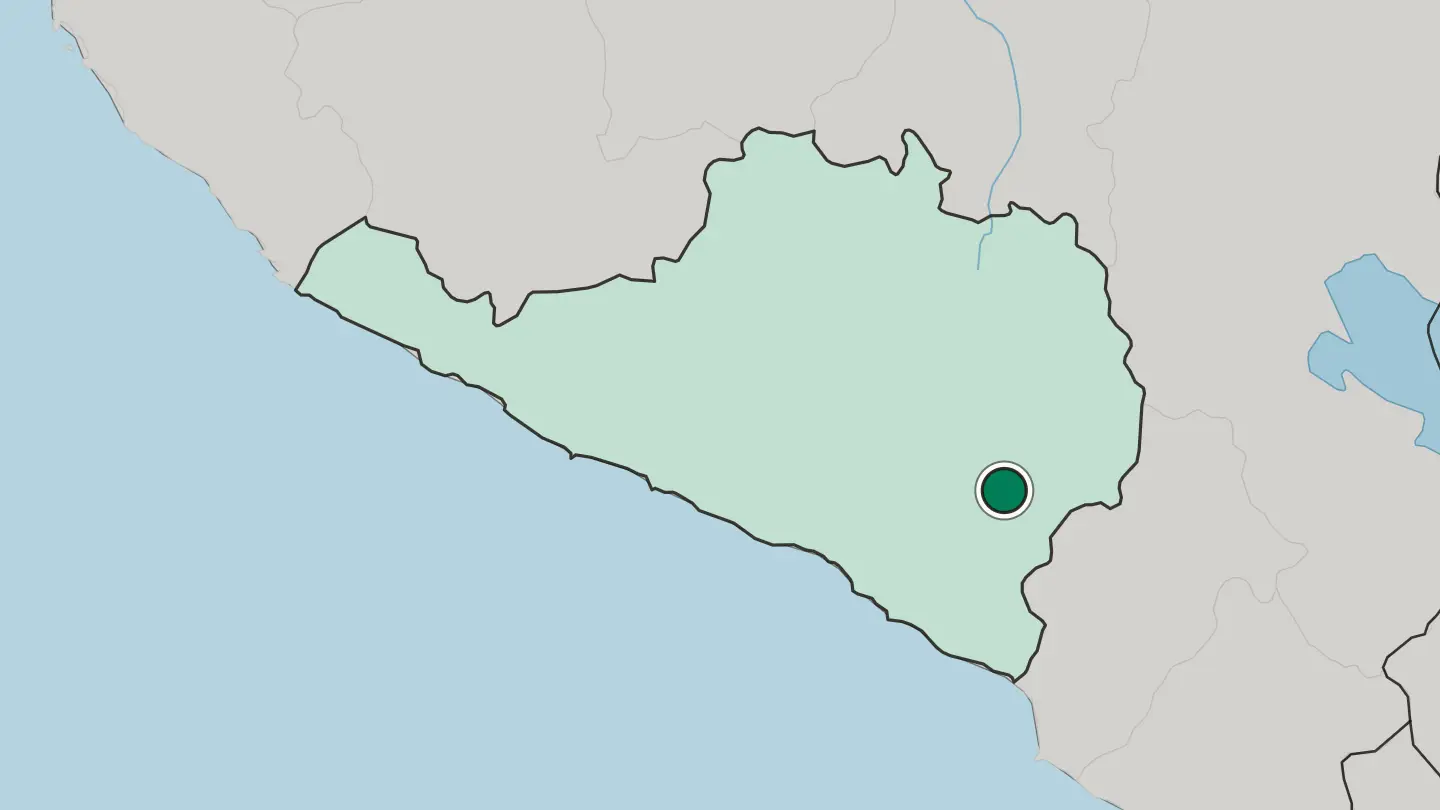
Hotel links are affiliate links: booking through them may earn us a commission, at no extra cost to you. It never affects how places are ranked. How this works
About Departamento de Arequipa
Two things anchor the region.
What is Departamento de Arequipa known for?
Its capital, Arequipa, is Peru's second city, the White City built from pale sillar cut out of volcanic rock. Above it stands Misti, the near-perfect cone that most photographs of the city frame in the background. Out in the province of Caylloma the land splits open into the Colca Canyon, roughly twice the depth of the Grand Canyon, where Andean condors ride the morning thermals at Cruz del Cóndor.
Sun does the rest.
Where is Departamento de Arequipa?
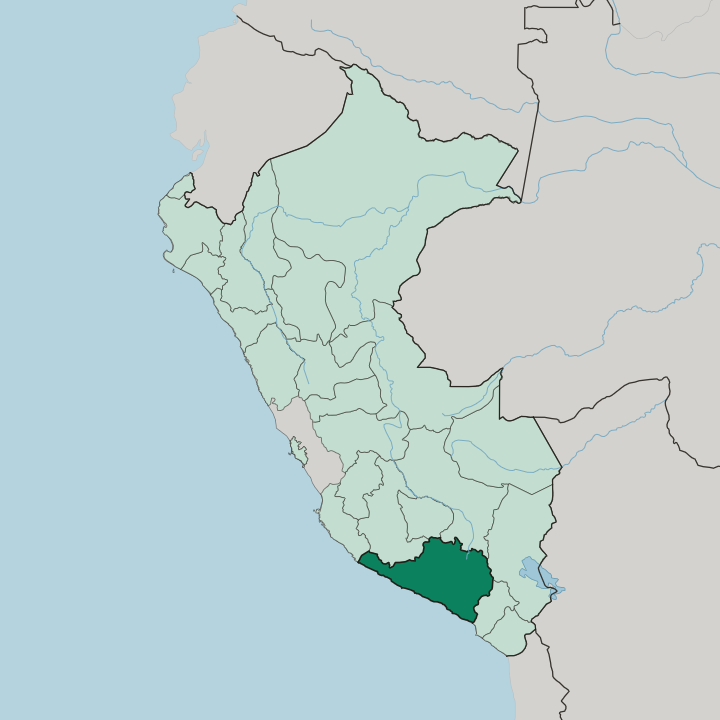
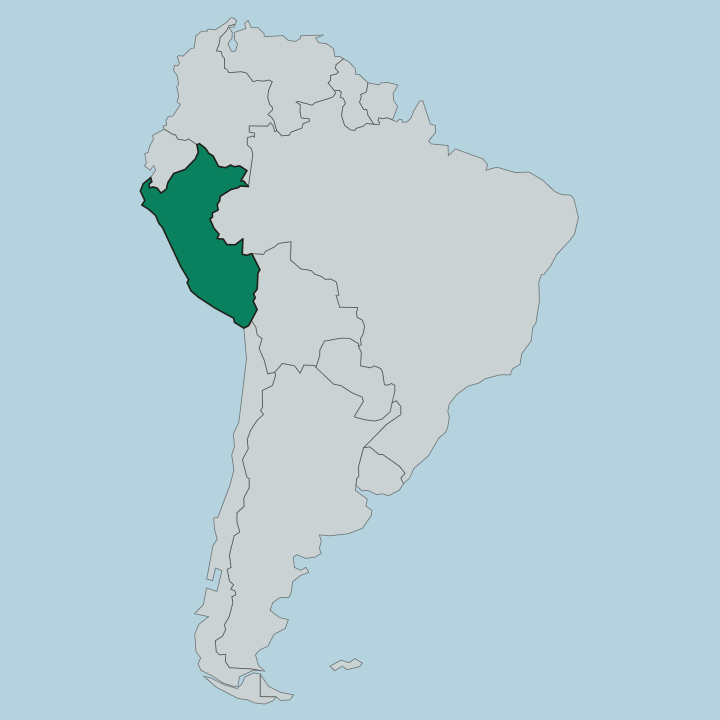
Arequipa fills the south-western corner of Peru, dropping from the high Andes down to the Pacific Ocean in one long tilt of land. It is the sixth-largest of the country's departments, and eight provinces divide it. The high ground is volcano country.
Coropuna rises above the rest at 6,377 metres, the tallest peak in the region, with Chachani and the sharp cone of Misti standing closer to the capital. Between those summits the rivers have carved some of the deepest gorges on Earth. The Colca River cuts the Colca Canyon through Caylloma province in the north, and further west the Cotahuasi Canyon runs deeper still, both plunging well past the depth of the Grand Canyon.
Off the mountains the land dries and flattens toward the coast, where the Ocoña and Camaná rivers reach the Pacific and small ports like Mollendo and Matarani mark the shore. The city of Arequipa sits in the middle of it all, on a high plain ringed by its volcanoes.
What is Departamento de Arequipa like?
The look of the place begins with a stone. Sillar, the white volcanic rock thrown out by Chachani and Misti, was quarried and carved into the churches, arcades and mansions of the capital, and the deep-cut portals of that colonial architecture became a school of their own. Arequipeños carry a proud, independent streak.
The region has a long habit of dissent against the capital far to the north at Lima, and its people tend to name their own patria chica first. Up in the Colca Valley the older Andean world is closer to the surface. Villages there keep Quechua alongside Spanish, women wear embroidered dress by valley, and the courtship Wititi dance, named a heritage of the nation, still turns at the fiestas.
Food is a point of local pride too. The picantería tradition of the region plates rocoto relleno and other dishes hot enough to earn the name, and the whole department eats well.
What is the history of Departamento de Arequipa?
The Spanish founded the city of Arequipa in 1540, on ground already long settled by Andean peoples beneath Misti. Trade made it rich. Sitting on the route between the Pacific coast, the southern Andes and the high Altiplano, the city drew merchants, and that wealth raised the sillar churches and mansions of its centre.
It also bred a combative streak: in the century after independence, Arequipa became known for the liberal revolts its people launched against the government in Lima. The department took its modern shape in the young republic of Peru.
What is the climate of Departamento de Arequipa?
The capital earns its nickname, the city of the eternal blue sky. Arequipa sits high and dry in the rain shadow of the Andes, so the weather stays semi-arid and sunny for most of the year, with cool nights that follow the warm days at that altitude. Rain, what little falls, comes in a short wet season around the southern-hemisphere summer.
Up in the Colca highlands it turns colder and thinner, and down on the Pacific coast the desert takes over. Blue skies are the constant.
How do you get to Departamento de Arequipa?
Arrival in Arequipa is usually a matter of flying. Rodríguez Ballón, the airport a short drive from the city, is one of the busiest in Peru, and it serves as the usual air gateway for the whole region and its Colca Canyon. Long-distance buses are the overland alternative, climbing in from Lima on the coast and from Cusco across the Andes on the well-worn southern circuit.
The canyon itself lies further on. From the city the road north runs up to Chivay and Cabanaconde, reaching Cruz del Cóndor in a few hours.
Good for
More regions in Peru
Updated September 2026