Peru · Departamento de Ayacucho
Where to Stay in Ayacucho, Departamento de Ayacucho
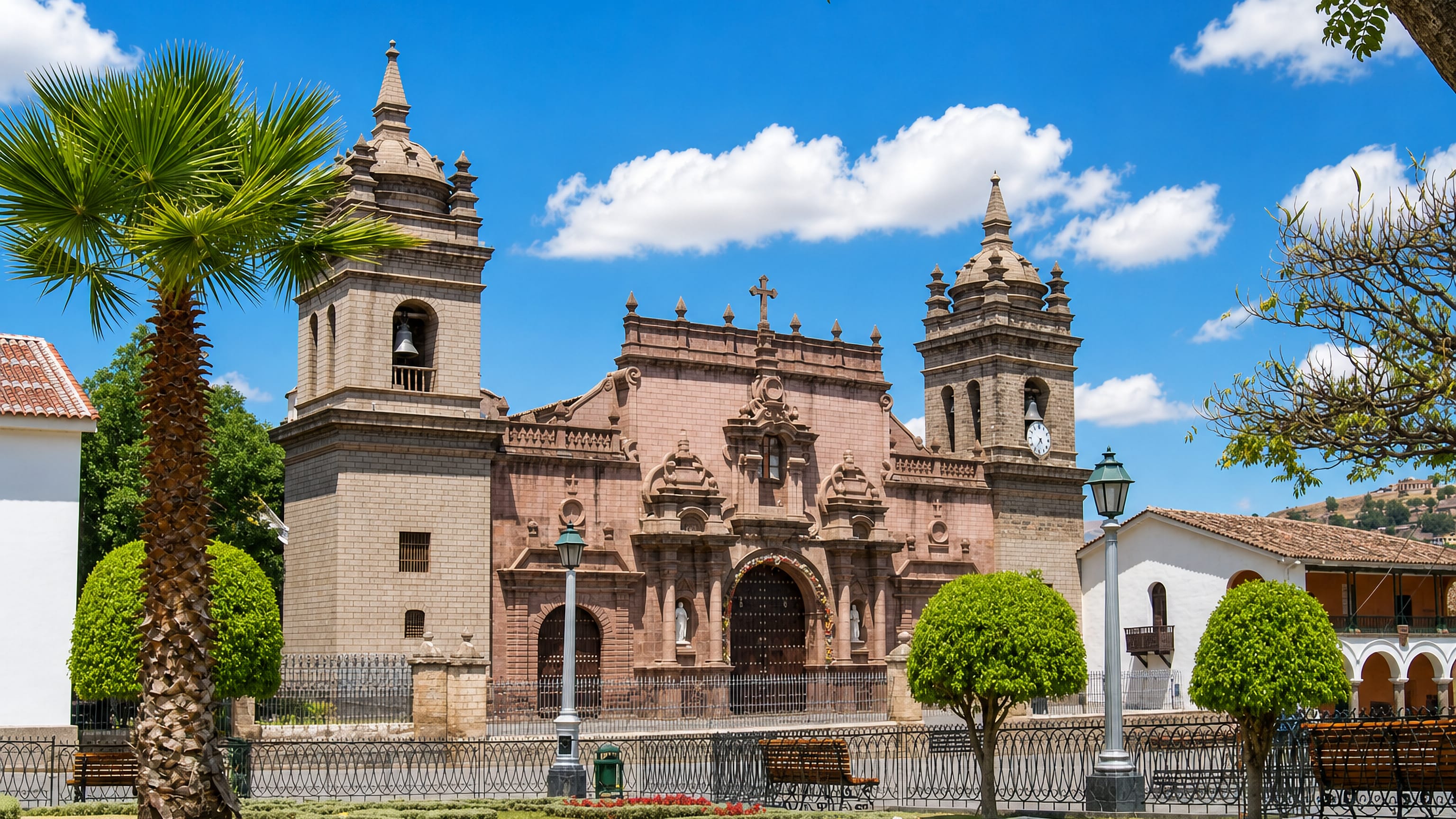
Ayacucho is a colonial city high in the southern Andes of Peru, famous for its many churches and its Holy Week.
Hotel links are affiliate links: booking through them may earn us a commission, at no extra cost to you. It never affects how places are ranked. How this works


Where to stay in Ayacucho
The practical side of choosing where to sleep.
Where you stay in Ayacucho turns on the main square. The old streets around the Plaza Mayor and the cathedral keep the churches, the museums, and the market within a walk, and staying in the centre suits anyone here for the colonial city. The plaza fills in the evening.
Rooms sit in old colonial houses nearby. Out toward the newer districts and the road, the town spreads into wider streets. A room away from the centre trades the old lanes for parking, space, and an easy road out to the ruins of Wari.
The dry hills open past the edge. If you want the churches and the plaza, stay in the centre; if you want the road, take a room outside. Neither choice puts the colonial core of Ayacucho out of reach.
Find hotels in Ayacucho
Direct booking searches for these neighbourhoods.
The main square
Around the Plaza Mayor and the cathedral, within a walk of the colonial churchesFind hotels in The main squareStays wanting space outside HuamangaNewer districts
Away from the centre, an easy road out to the ruins of WariFind hotels in Newer districtsHotel links are affiliate links: booking through them may earn us a commission, at no extra cost to you. It never affects how places are ranked. How this works
Things to do in Ayacucho
Ranked by global recognition; descriptions from Wikidata (CC0).
Museums & Galleries
3- Museo Histórico Regional Hipólito Unanue
- Museo Histórico Mariscal Andrés A. Cáceres
- Museo de la Memoria "Para que no se repita"
Churches & Religious Sites
3- Ayacucho Cathedral Heritage
- Santo Domingo Heritage
- iglesia y antiguo convento de la Compañía de Jesús de Huamanga Heritage
Castles & Historic Sites
3- Qunchupata Heritage
- Arco de San Francisco de Huamanga Heritage
- Wichqana
Stadiums & Sports
1- Estadio Ciudad de Cumaná
worth knowingacross 4 categories in Ayacucho
About Ayacucho
Ayacucho is known as the city of churches.
What is Ayacucho known for?
More than thirty colonial churches of carved stone rise among its old streets, its Holy Week is the grandest in Peru, and on a plain nearby a great battle sealed the freedom of South America. Folk artists carve bright altar-boxes here. Churches and faith mark the city.
What are the main landmarks in Ayacucho?
The cathedral crowns the main square of Ayacucho. Its carved stone front, among the finest in the Peruvian Andes, rises over the Plaza Mayor, the emblem of the city, in the old centre. Churches fill the streets around.
More than thirty colonial temples like Santo Domingo and the Compañía line the lanes, while the Arco de San Francisco and the museums mark the town.
What is the history of Ayacucho?
Ayacucho was a proud Spanish city of the sierra. Founded in the fifteen-hundreds as Huamanga, it grew rich on the road between Lima and Cusco, and its wealthy families and religious orders filled it with churches, so that the town gathered its famous thirty-odd temples. The old faith runs deep.
Every year the people keep the most solemn Holy Week in Peru, a week of processions through the streets, and folk artists carve their bright retablos in the workshops. A battle here freed a continent. On the plain of Ayacucho in 1824, the armies of independence beat the Spanish for the last time, ending their rule over South America, and the city took the victory's name.
Hard years came much later. In the late twentieth century the region suffered badly in a long inner conflict, remembered now in a museum of memory, but the old city endured. The churches still crown the streets.
Ayacucho guards its faith and its history high in the Andes.
Where is Ayacucho?
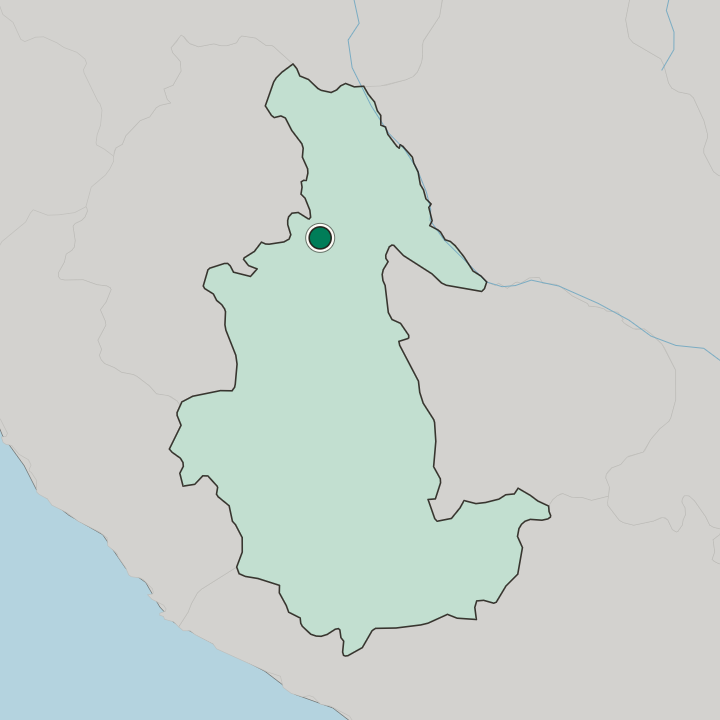
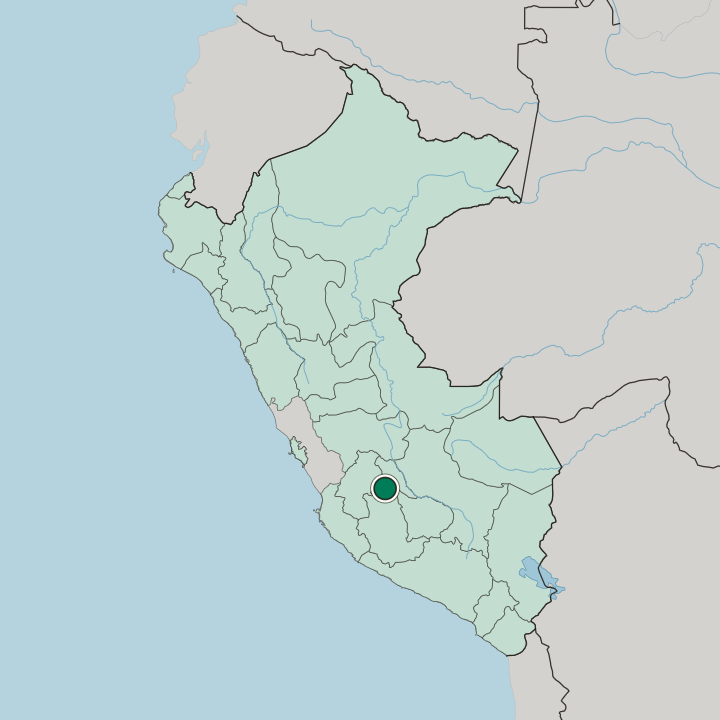
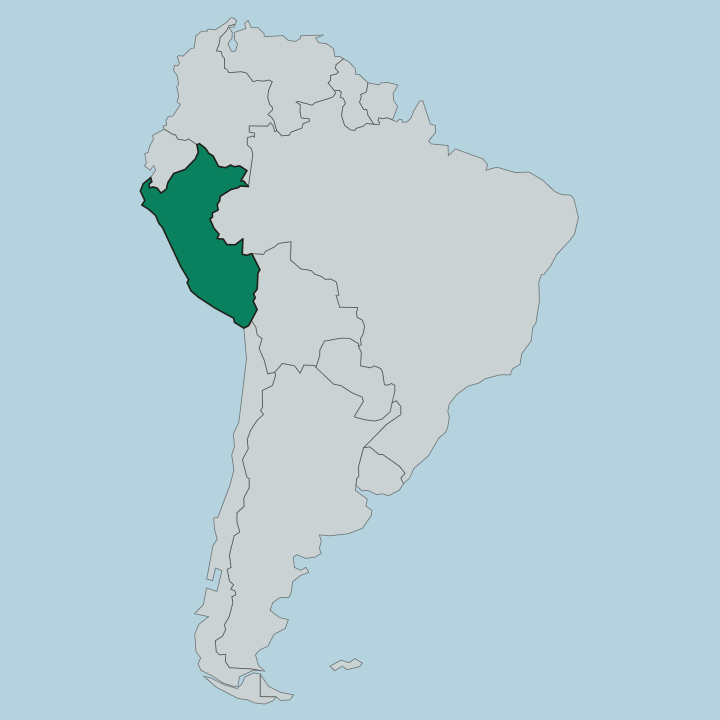
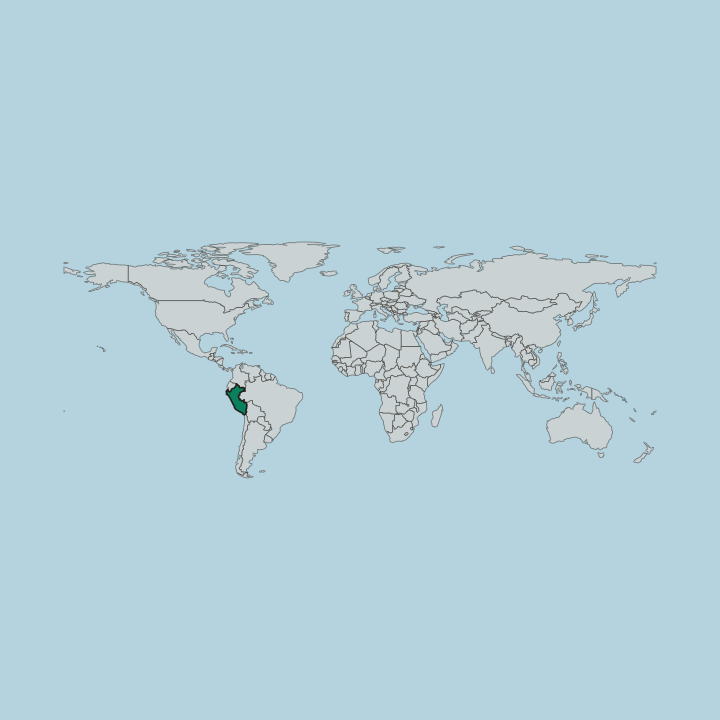
Ayacucho lies in a high valley of the southern Andes of Peru. The city sits over two and a half thousand metres up among dry mountains, in a mild highland basin far from the coast, on the old road through the sierra. Bare peaks rise around the valley.
The dry mountains roll away for miles.
What is the climate of Ayacucho?
Ayacucho has a mild, dry highland climate. The great altitude keeps the city cool and spring-like all year, warm by day and cold at night, and the summer brings the rains that green the hills. Clear blue skies fill the dry season.
The mountain air stays fresh and thin.
How do you get to Ayacucho?
Ayacucho lies deep in the sierra of southern Peru. Its airport links the city to Lima over the mountains, and a long winding road climbs to it through the Andes. Buses reach the highland villages around.
Most arrive by air over the peaks.
Common questions
What is the best area to stay in Ayacucho?
The main square: Visitors here for Ayacucho Cathedral and the Compañía. Newer districts: Stays wanting space outside Huamanga.
Good for
Updated September 2026