Peru · Departamento de Cajamarca
Where to Stay in Cajamarca, Departamento de Cajamarca
Cajamarca is a highland city of northern Peru, the place where the Spanish seized the last Inca emperor and brought down his empire.
Hotel links are affiliate links: booking through them may earn us a commission, at no extra cost to you. It never affects how places are ranked. How this works


Where to stay in Cajamarca
Where the beds are, and what that means for the visit.
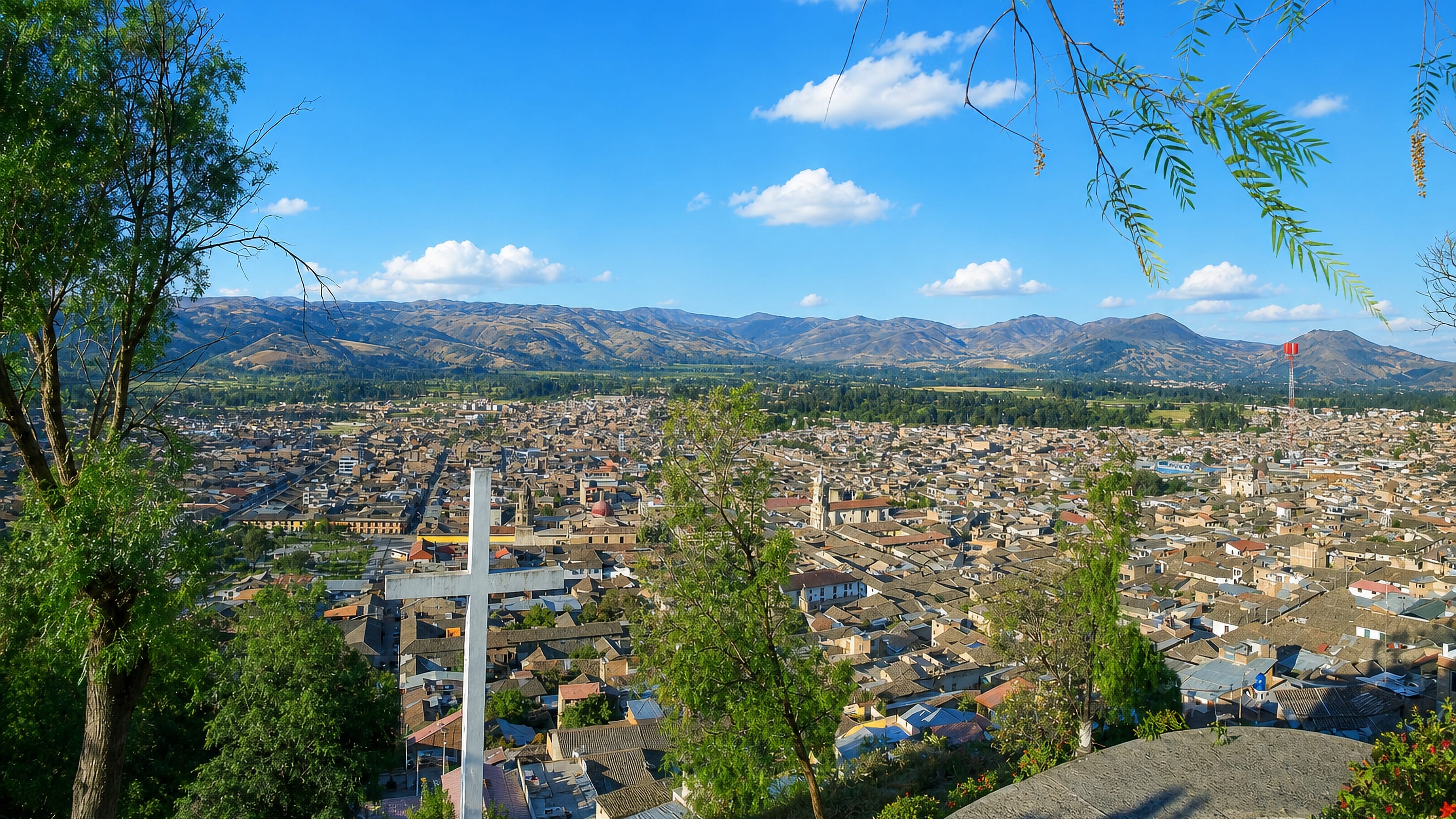
Where you stay in Cajamarca turns on the old town or the baths. The streets around the main square keep the Ransom Room, the churches, and the market within a walk, and staying downtown suits anyone here for the old city. The carved churches face the square.
Market crowds fill the streets. Out toward the Inca baths and the valley, the town gives way to hot springs, pastures, and green hills. A room by the baths trades the streets for the warm springs, the dairy farms, and the quiet of the valley.
Green pastures climb the hills. Stay downtown for the churches, or by the baths for the springs. Even from the baths, the old plaza is barely any distance away.
Find hotels in Cajamarca
Direct booking searches for these neighbourhoods.
The old town
Steps from Cajamarca's main square and its carved churchesFind hotels in The old townStays wanting the hot springs and countrysideThe Inca baths
Out toward the springs and pasturesFind hotels in The Inca bathsHotel links are affiliate links: booking through them may earn us a commission, at no extra cost to you. It never affects how places are ranked. How this works
Things to do in Cajamarca
Ranked by global recognition; descriptions from Wikidata (CC0).
Museums & Galleries
1- Museo Arqueológico y Etnográfico del Conjunto Monumental Belén
Churches & Religious Sites
3- St. Catherine Cathedral, Cajamarca Heritage
- San Francisco de Asis (Cajamarca) Heritage
- Iglesia y Convento de La Recoleta Heritage
Castles & Historic Sites
1- Huacaloma
Stadiums & Sports
1- Estadio Heroes de San Ramón
worth knowingacross 4 categories in Cajamarca
About Cajamarca
Cajamarca is the city where the Inca empire fell.
What is Cajamarca known for?
High in a green valley of the northern Andes, it was here that the Spanish captured the emperor Atahualpa and held him for a room full of gold, and it keeps the Ransom Room where he was held, fine carved colonial churches of stone, the hot springs of the Inca baths nearby, and the green dairy country of the valley around. The old town fills the valley. Green hills rise around.
What are the main landmarks in Cajamarca?
The Ransom Room is the great relic of Cajamarca. The single stone chamber left from Inca days, where the captive emperor promised a room of gold for his freedom, stands in the old town, the emblem of the city, among the streets. Carved churches rise nearby.
The Baroque churches of honey-coloured stone, deep-cut with ornament, crown the squares, while the Inca baths, the hilltop of Santa Apolonia, and the green valley mark the country around Cajamarca.
What is the history of Cajamarca?
Cajamarca was an old city of the Andes before the Inca. Highland peoples held this green valley for ages, and the Inca took it into their empire and built a city with a temple, a fortress, and warm baths where the emperor bathed. The Inca came to rest here.
As he marched south to claim his throne, the emperor Atahualpa camped at Cajamarca with his army, at the baths outside the town. Here the empire was lost. In 1532 a small Spanish band under Pizarro met Atahualpa in the great square, seized him in an ambush, and cut down his followers, holding the emperor for a ransom of gold and silver.
The gold could not save him. Though the room was filled to the line he drew, the Spanish killed Atahualpa in the end, and the Inca empire fell, while Cajamarca grew on as a Spanish town of carved stone churches. The Ransom Room still stands.
Cajamarca keeps its ransom room and its churches in the valley.
Where is Cajamarca?
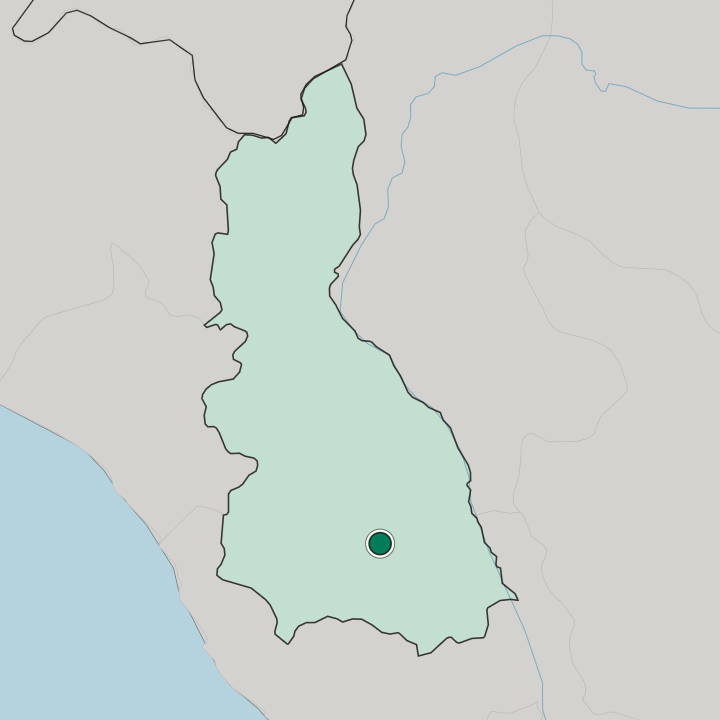
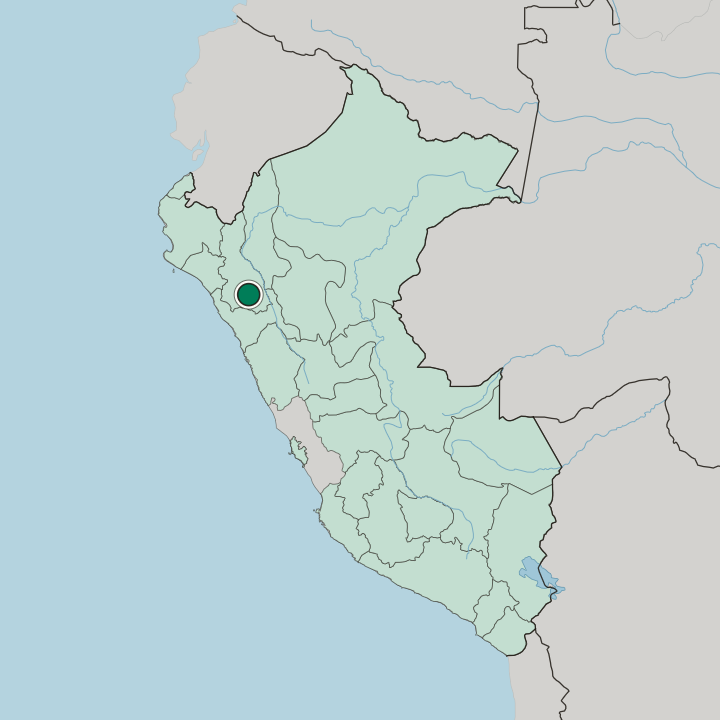
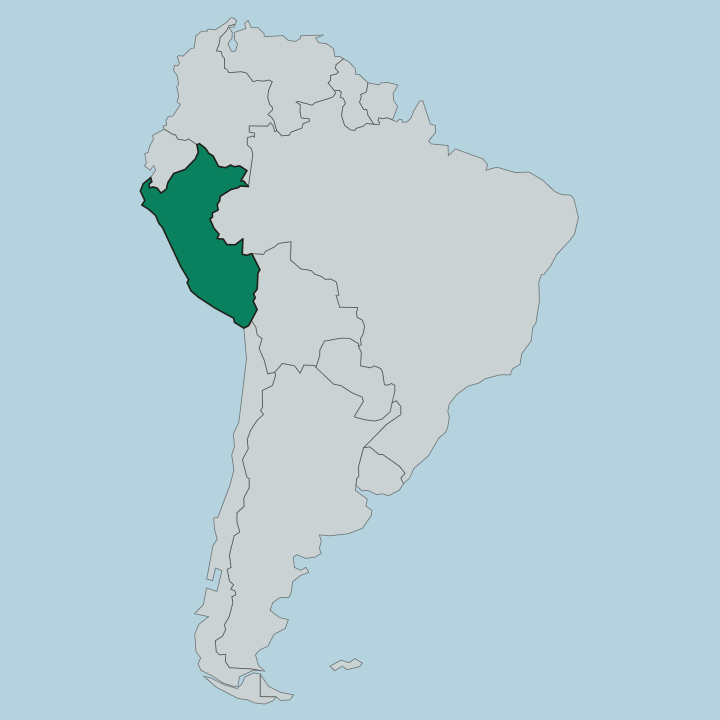
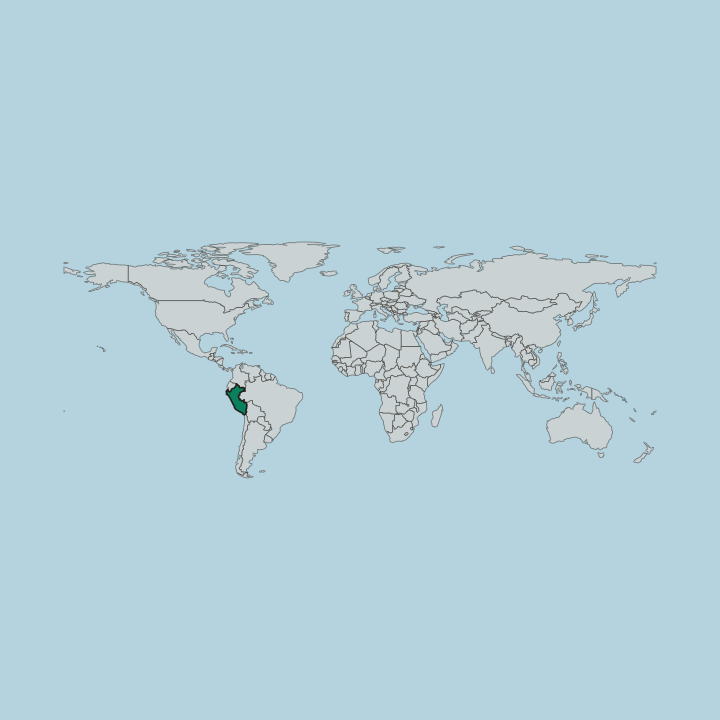
Cajamarca lies in the northern highlands of Peru, in a green valley high in the Andes. The city sits on the floor of a broad mountain basin at over two thousand metres, ringed by green hills of pasture and farm, milder and greener than the dry coast far below to the west. Green pastures fill the valley.
The hills rise cool around.
What is the climate of Cajamarca?
Cajamarca has a mild, cool highland climate. Warm days and cold nights hold much of the year at this height on the equator, with a green rainy season and a dry, sunny spell rather than summer and winter. The nights turn cold and clear.
Days stay mild and green.
How do you get to Cajamarca?
Cajamarca lies in the northern highlands, up in the mountains east of the coast. Buses climb to it from the coast at Pacasmayo and up the Andean roads, and an airport links it to Lima. Lanes cross the old plaza.
Lima lies south down the coast.
Common questions
What is the best area to stay in Cajamarca?
The old town: Visitors here for the Ransom Room and churches. The Inca baths: Stays wanting the hot springs and countryside.
Good for
Another city in Departamento de Cajamarca
Updated September 2026