Peru
Departamento de Cajamarca, Peru — Towns & Travel Guide
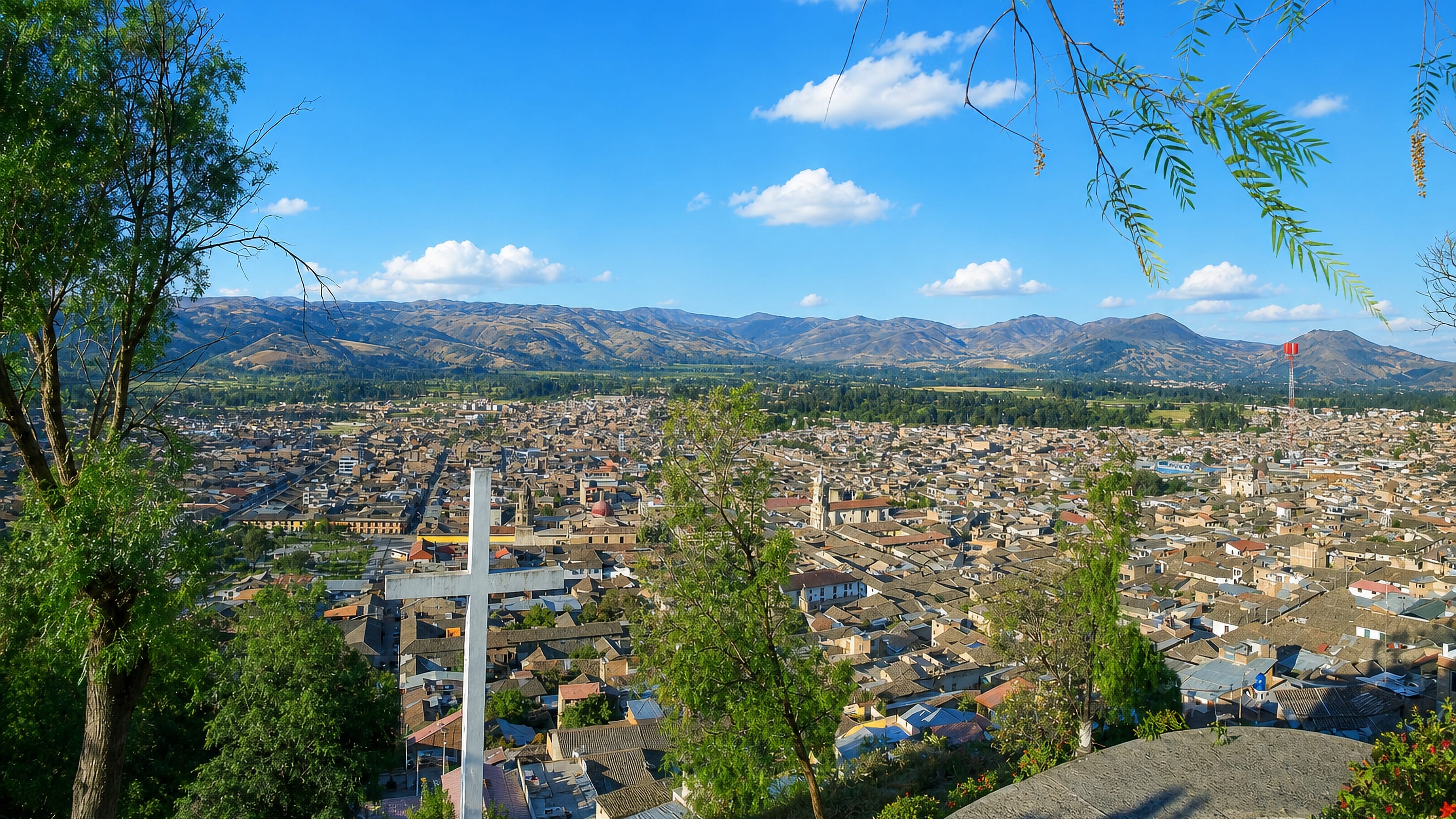
Cajamarca is a highland department of northern Peru, where Spanish conquistadors seized the Inca emperor Atahualpa in 1532.
Hotel links are affiliate links: booking through them may earn us a commission, at no extra cost to you. It never affects how places are ranked. How this works


Towns & cities in Departamento de Cajamarca
Pick a town or city — each links to where to stay.

 Peru
Peru
Cajamarca
Cajamarca is a highland city of northern Peru, the place where the Spanish seized the last Inca emperor and brought down his empire.Where to stay →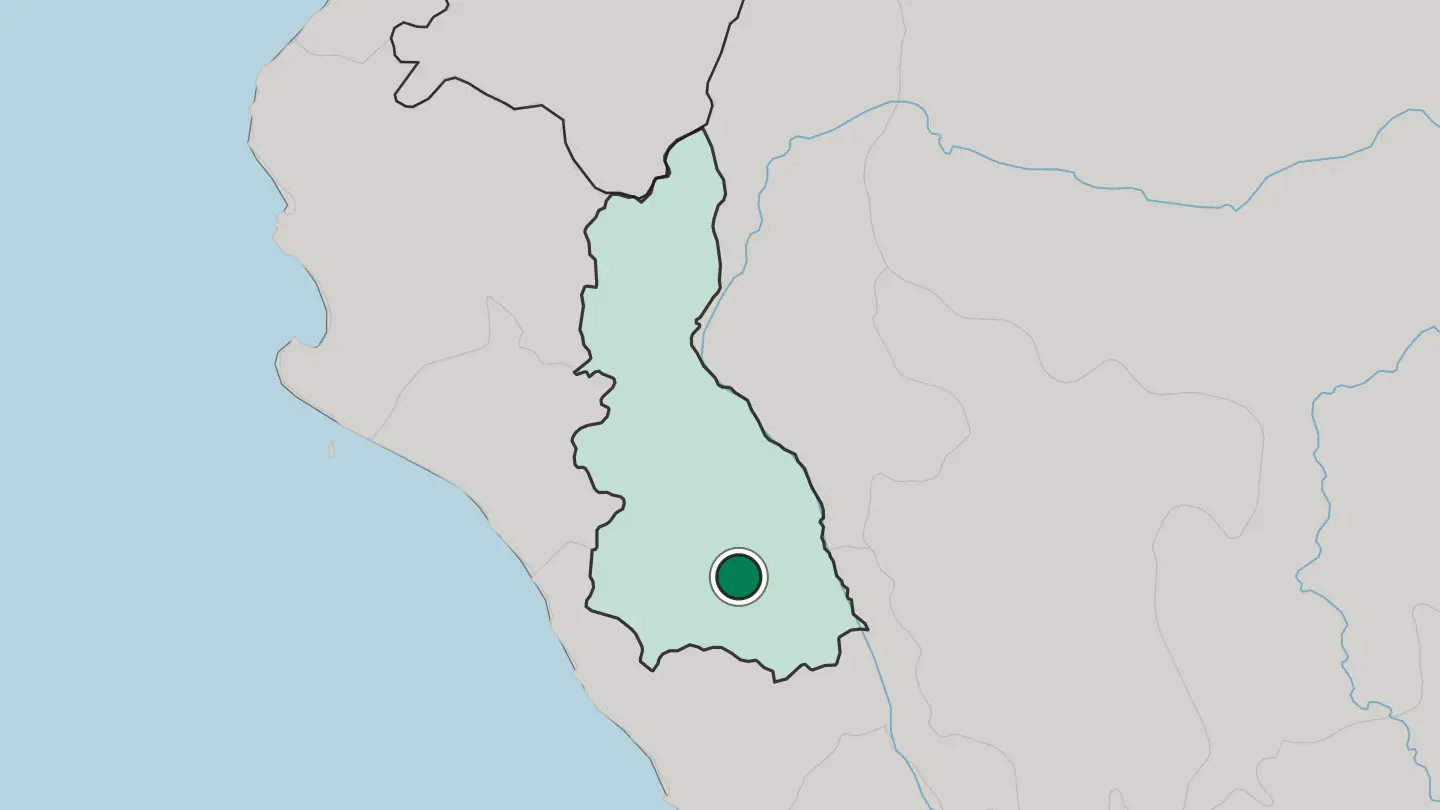
 Peru
Peru
Jaén
Jaén, the capital of Jaén Province in the Cajamarca Region, stands in the high jungle of northern Peru and dates from 1549.Where to stay →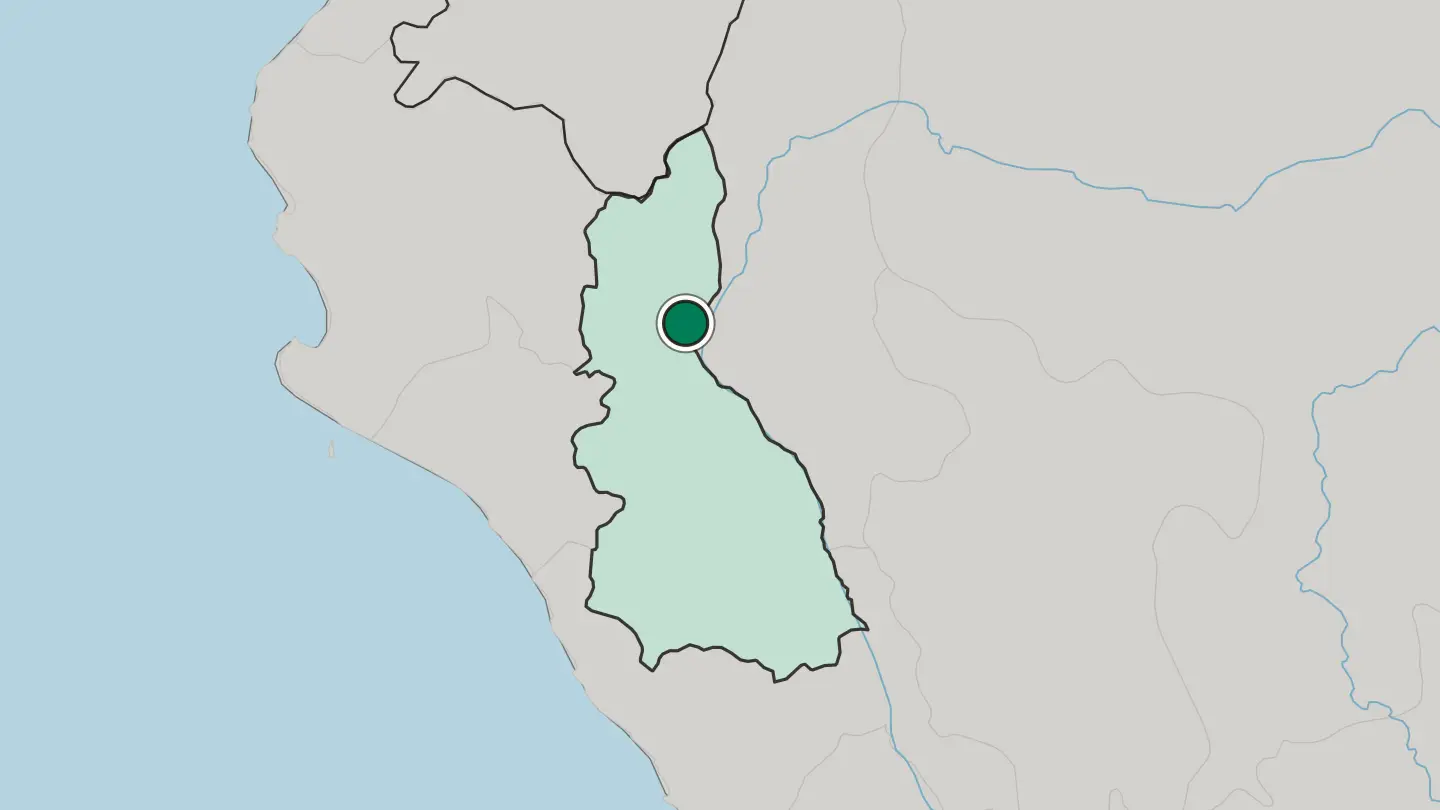
Hotel links are affiliate links: booking through them may earn us a commission, at no extra cost to you. It never affects how places are ranked. How this works
About Departamento de Cajamarca
This is where the Inca empire ended.
What is Departamento de Cajamarca known for?
In the city of Cajamarca in 1532, Francisco Pizarro captured Atahualpa and held him in the room now called the Cuarto del Rescate, filled once with gold as a ransom that bought no reprieve. The department spreads across the northern Andes above that story, thirteen provinces of green pasture, dairy farms, and cold rivers. Yanacocha, one of the largest gold mines in South America, works the high ground north of the capital.
Warm springs at the Baños del Inca still steam a short way east of town.
Where is Departamento de Cajamarca?
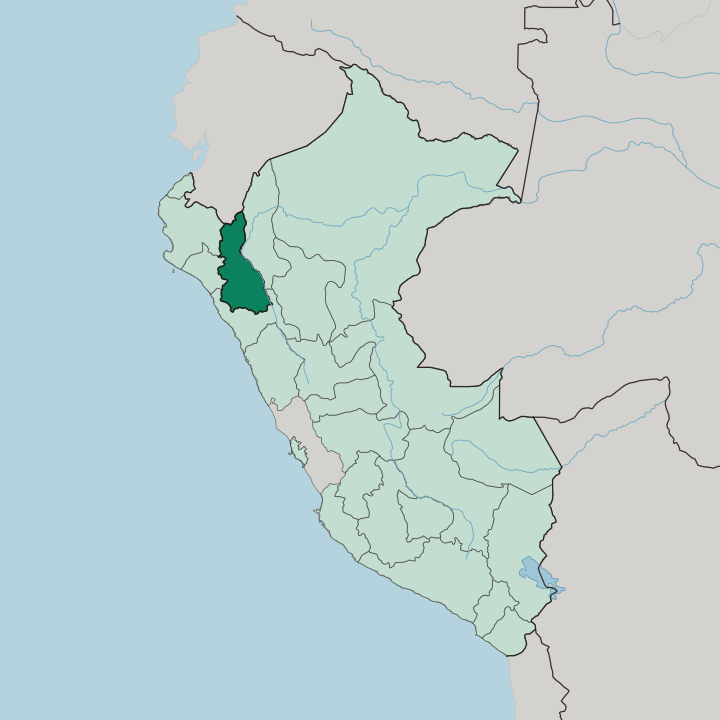
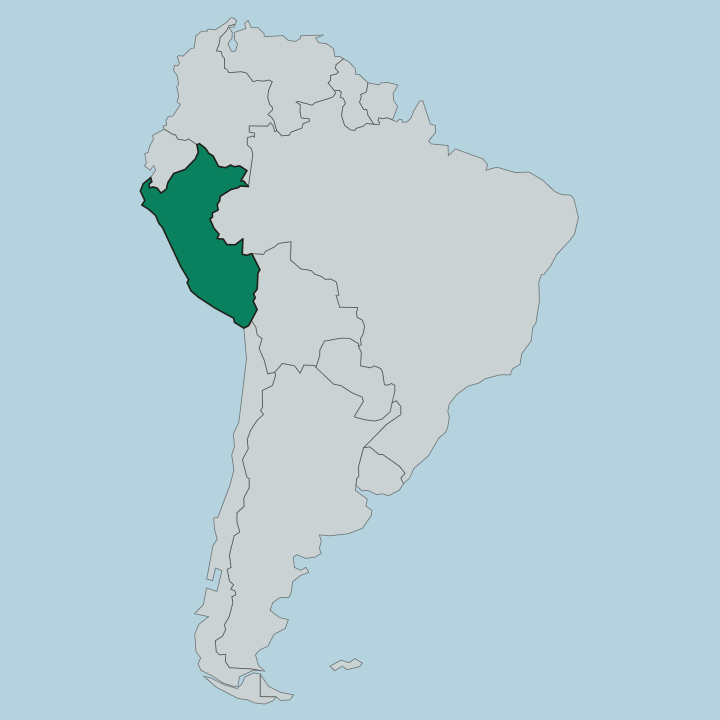
Cajamarca fills the northern Andes of Peru, pressed against the border with Ecuador. Ecuador lies along its north. La Libertad borders it to the south, while Amazonas closes the east and Piura and Lambayeque the west.
The land climbs and falls hard across the department. Its lowest ground drops toward the warm valleys around Jaén in the north, and its ridges rise past four thousand metres in the high grasslands, so a single day's drive can cross more than one world of climate and crop. The capital sits in the middle of that range, in the Mashcón valley at roughly two thousand seven hundred metres above the sea.
Three rivers water that valley. The Mashcón and the San Lucas join near the city, and the Chonta runs close by, feeding the pasture that has made the region Peru's dairy heartland. Along the eastern flank the Marañón cuts its deep canyon, the great headwater river that gathers the highland streams and carries them on toward the Amazon lowlands.
It is a department of altitude more than distance.
What is Departamento de Cajamarca like?
Cajamarca calls itself the carnival capital of Peru, and every February the claim comes true. The streets of the capital fill with water fights, painted faces, ribboned dancers, and the giant effigy of Ño Carnavalón carried at the head of the parade before he is mourned and burned at the close. It is loud, wet, and unabashed.
Away from the festival, daily life runs on the land. This is dairy country above all, its markets stacked with the fresh cheese and manjar blanco that the pastures around the Chonta valley are known for across the country. Spanish is the everyday language, carried alongside the Quechua names that mark the old Inca ground, from the town's own name to the springs at the Baños del Inca.
The colonial core of the capital, with its stone churches and the surviving Cuarto del Rescate, earned recognition as a cultural heritage site of the Americas. Andean identity and Spanish inheritance sit side by side here, in the food, the speech, and the saints' days. The mix is worn plainly.
It shows in an ordinary market morning as much as in the carnival crowd.
What is the history of Departamento de Cajamarca?
The turning point came in 1532. Francisco Pizarro met the Inca emperor Atahualpa in the plaza of Cajamarca, ambushed his retinue, and took him captive in a single afternoon. Held in the room the Spanish would call the Cuarto del Rescate, Atahualpa filled it once with gold and twice more with silver as ransom, and was executed anyway the following year.
That capture broke the Inca state and opened Peru to Spanish rule. Long before the conquest, this highland held far older cultures, among them the temple builders of Kuntur Wasi and the canal cutters whose stone waterworks at Cumbe Mayo run back some three thousand years.
What is the climate of Departamento de Cajamarca?
The highland around the capital keeps a mild, temperate climate the year round, warm in the sun and sharply cold once it drops behind the ridges. Altitude, not season, sets the temperature here. Rain follows a clear calendar instead, soaking the pastures from October through April and then falling away to dry, bright months for the rest of the year.
Down in the northern valleys near Jaén the air turns genuinely hot and humid, a lowland warmth the high provinces never feel. Nights on the puna bite hard.
How do you get to Departamento de Cajamarca?
Most visitors fly north from Lima to the airport at the capital, an hour and a half in the air over the Andes. The road up is slower. It climbs inland from the Pacific coast around Trujillo and grinds through the western cordillera before it ever reaches the highland plateau where the city sits.
In the far north, Shumba Airport at Jaén gives a second way in, closer to the Marañón and the jungle road on toward Amazonas. From the capital, buses and shared cars thread out to Celendín, Chota, and the outlying provinces along winding mountain highways.
Common questions
What is the best area to stay in Departamento de Cajamarca?
Cajamarca: colonial streets and the ransom room. Baños del Inca: soaking in the Inca hot springs. Jaén: the lowland north and coffee country.
Good for
More regions in Peru
Updated September 2026