Peru · Departamento de Cusco
Where to Stay in Cusco, Departamento de Cusco
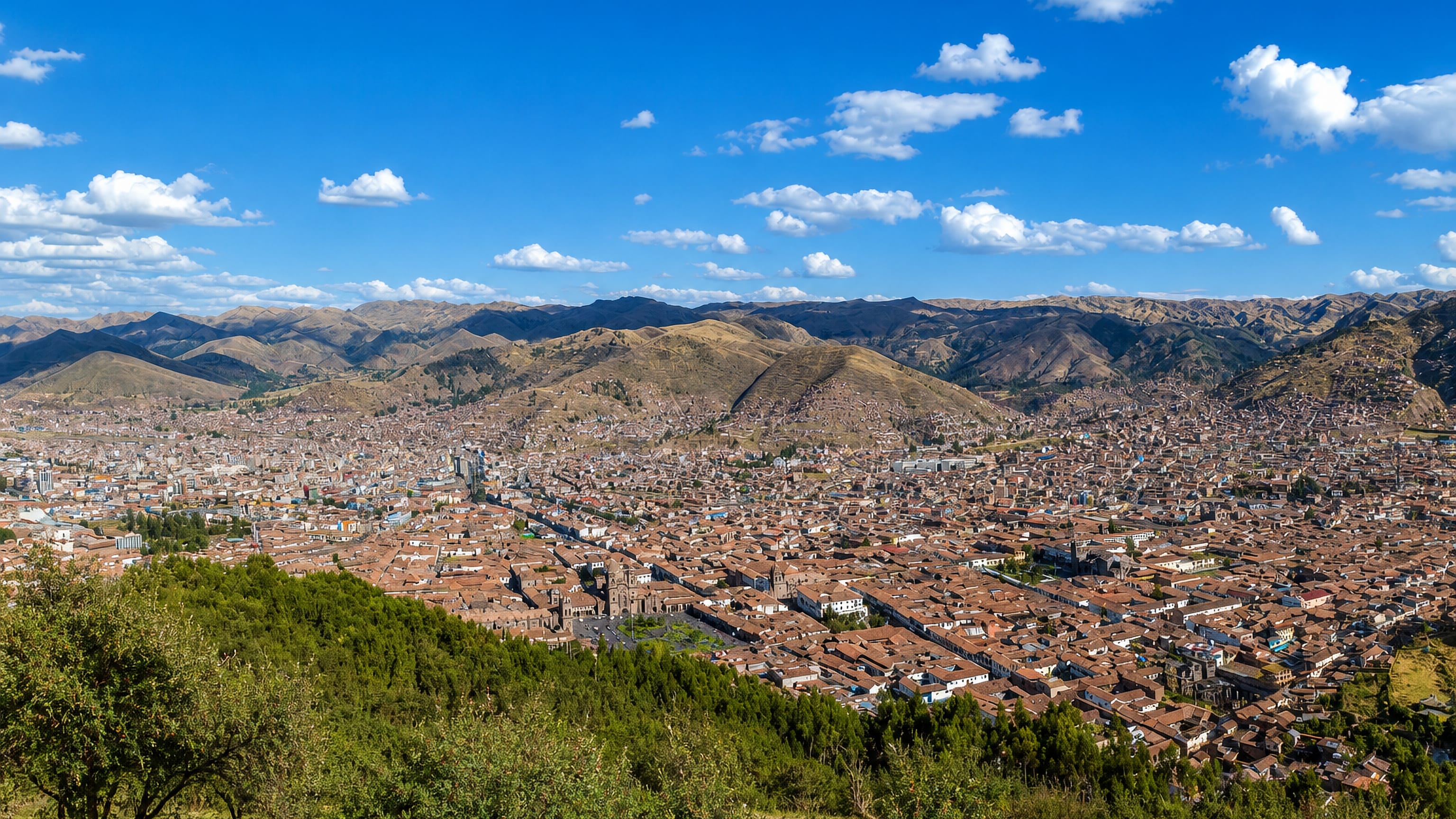
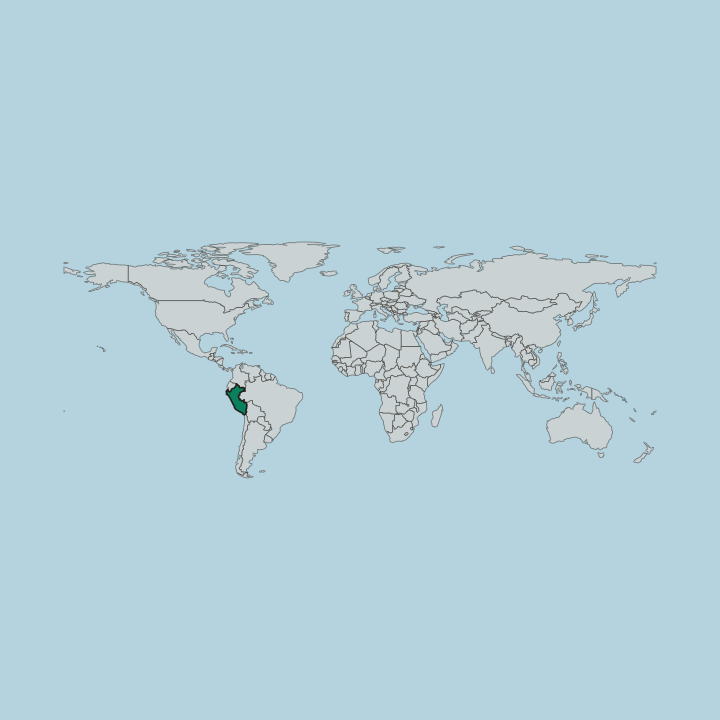
Cut stone walls climb the hills of Cusco, a city in southeastern Peru and former Inca capital, known for Saqsaywaman and Coricancha.
Hotel links are affiliate links: booking through them may earn us a commission, at no extra cost to you. It never affects how places are ranked. How this works


Where to stay in Cusco
The practical side of choosing where to sleep.
Cusco sorts its lodging by how close it sits to the old plaza and the climb of its stone lanes. The historic centre gathers around the main square, within walking reach of Coricancha and the Basilica of La Merced, and it suits a first visit best. Streets here run steep.
Guesthouses fill the restored colonial courtyards, and the narrow lanes toward Colcampata trade level ground for quiet and long views over the valley. If you want galleries and museums at the door, the blocks near the Museo de Arte Precolombino Cusco and the Museo Inka put Andean collections a short walk apart. Casa Concha, which holds pieces returned from Machu Picchu, sits in the same cluster of old mansions.
The elevation is real, and many travellers spend a slower first night to adjust before pressing on toward Saqsaywaman or the Sacred Valley of the Incas. Whichever quarter you choose, the plaza remains the point everything measures from.
Find hotels in Cusco
Direct booking searches for these neighbourhoods.
Historic centre
The blocks around the main square wrap the Coricancha sun temple and the Basilica of La Merced, keeping the oldest lanes and colonial courtyards on foot.Find hotels in Historic centreQuiet stays with valley views on the climb toward SaqsaywamanColcampata slope
The steep lanes rising past Colcampata trade flat streets for stillness and long views over the valley toward Saqsaywaman above.Find hotels in Colcampata slopeAndean collections at the door near the Museo Inka and Casa ConchaMuseum quarter
The old mansions holding the Museo de Arte Precolombino Cusco, the Museo Inka and Casa Concha cluster within a short walk of one another.Find hotels in Museum quarterHotel links are affiliate links: booking through them may earn us a commission, at no extra cost to you. It never affects how places are ranked. How this works
Things to do in Cusco
Ranked by global recognition; descriptions from Wikidata (CC0).
Museums & Galleries
3- Casa Concha UNESCO
- Garcilaso de la Vega's House UNESCO
- Museo Inka
Churches & Religious Sites
4- Jesus, Mary and Joseph's Church UNESCO
- Iglesia del Triunfo del Cusco UNESCO
- Convent of Santo Domingo Heritage
- Basilica of La Merced, Cusco Heritage
Castles & Historic Sites
3- Saqsaywaman
- Coricancha
- Q'inqu
Stadiums & Sports
1- Coliseo Cerrado
worth knowingacross 4 categories in Cusco
About Cusco
What is Cusco known for?
Cusco is best known as the historic capital of the Inca Empire, its old core layered with Andean stonework and Spanish churches. The fortress terraces of Saqsaywaman rise above the city. Below them stands Coricancha, the sun temple whose walls the Convent of Santo Domingo now encloses.
Travellers pass through on the way to Machu Picchu and the Sacred Valley of the Incas, yet the streets around the old plaza reward a longer stay. It is a UNESCO World Heritage Site.
What are the main landmarks in Cusco?
The landmarks of Cusco pair Inca stonework with colonial building above and around it. Saqsaywaman crowns the ridge in massive fitted blocks. Coricancha, once the empire's sun temple, carries the Convent of Santo Domingo on its walls, while the Basilica of La Merced and the Iglesia del Triunfo del Cusco face the streets of the old core.
On the edge of the city, the carved outcrops of Q'inqu and the terraces of Suchuna record ritual work in living rock.
What is the history of Cusco?
Cusco was the capital of the Inca Empire, the seat from which its rulers governed a domain reaching across the Andes. The city was planned as a ceremonial and administrative core, and Coricancha, the temple of the sun, stood at its heart. Saqsaywaman guarded the heights above in walls of fitted stone that later builders never matched.
Colcampata, on the slope, is remembered as an early royal ground of the founding line. Spanish forces reached the Andes in the sixteenth century and refounded the city over the Inca plan in 1534. Churches and convents rose on Inca foundations, so the Convent of Santo Domingo came to sit on the walls of Coricancha, and the Basilica of La Merced joined the new colonial core.
The Iglesia del Triunfo del Cusco marks that first Spanish century in the old plaza. Older lineages endured in the city's memory. Garcilaso de la Vega's House recalls the chronicler born here of Inca and Spanish parents, whose writings carried the story of the empire into a wider world.
Where is Cusco?
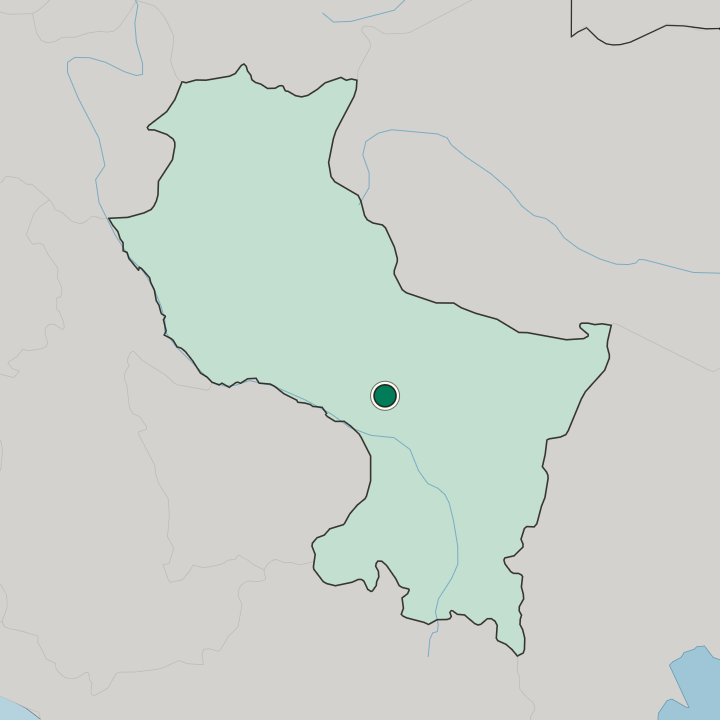
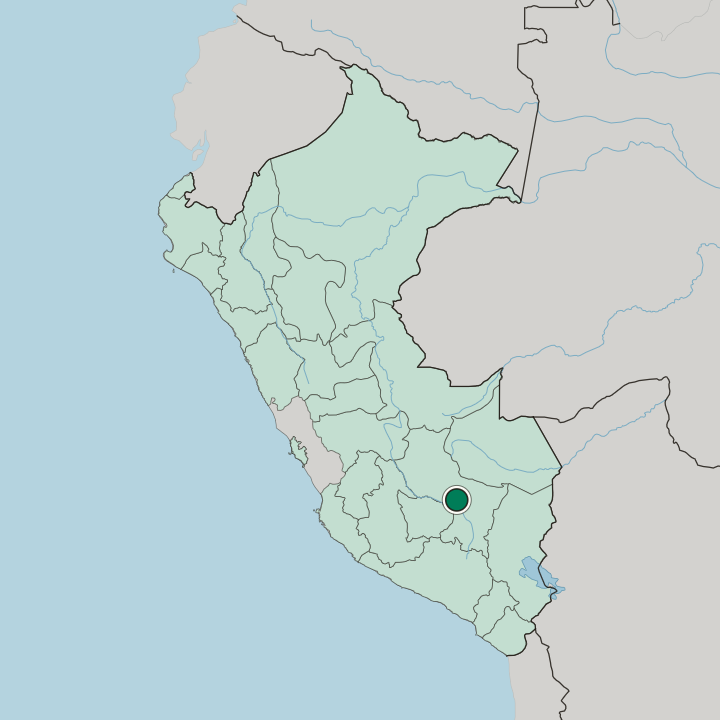
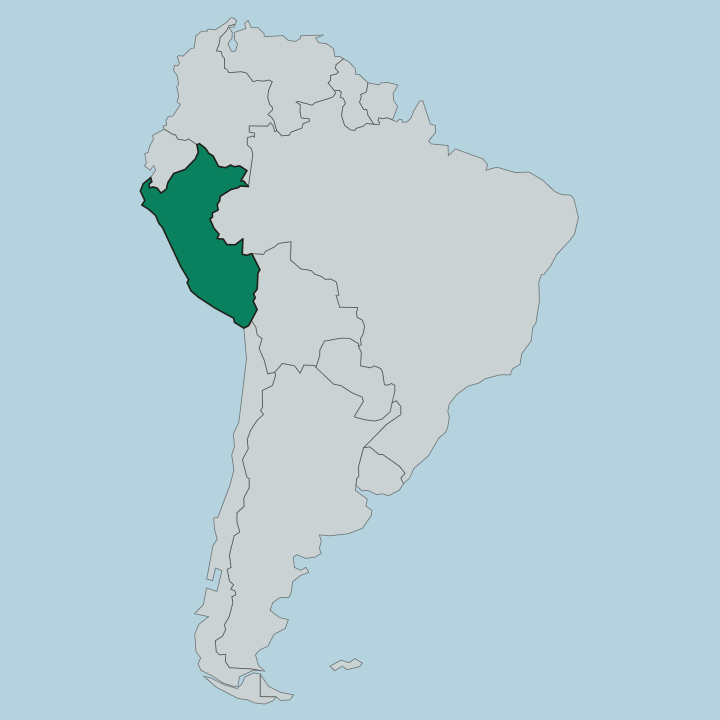
Cusco lies in southeastern Peru, high in the Andes above the valley of the Huatanay. The river drains toward the Urubamba, which winds through the Sacred Valley of the Incas to the north. Steep hills wrap the old core, and the terraces of Saqsaywaman crown the ridge that closes the city on its upper side.
This is high mountain country. Cold air settles at night, and the surrounding slopes rise well above the plaza that anchors the streets below.
What is the climate of Cusco?
Cusco has a cool highland climate shaped by its altitude in the Andes rather than by any coast. Days can feel mild in the sun. Nights turn cold across the year, since the thin mountain air of southeastern Peru holds little warmth once the light drops.
A wetter season brings afternoon rain to the Huatanay valley, and a long drier season leaves clear, bright skies over the ridges above the city.
How do you get to Cusco?
Cusco is the usual base for reaching Machu Picchu and the wider Sacred Valley of the Incas, and most travellers arrive here first before pushing on toward the ruins. Roads climb through the Andes. Rail lines then run down the Urubamba valley toward Machu Picchu, so many visitors ride the train onward from the city.
The altitude asks for a slow start. A night or two in Cusco eases the change.
Common questions
What is the best area to stay in Cusco?
Historic centre: First visits within reach of Coricancha and the Basilica of La Merced. Colcampata slope: Quiet stays with valley views on the climb toward Saqsaywaman. Museum quarter: Andean collections at the door near the Museo Inka and Casa Concha.
Good for
Updated September 2026