Peru
Departamento de Cusco, Peru — Towns & Travel Guide
Departamento de Cusco holds the old Inca heartland of southeastern Peru, from the city of Cusco up to Machu Picchu.
Hotel links are affiliate links: booking through them may earn us a commission, at no extra cost to you. It never affects how places are ranked. How this works


Towns & cities in Departamento de Cusco
One town here has its own guide — it links to where to stay.
 Peru
Peru
Cusco
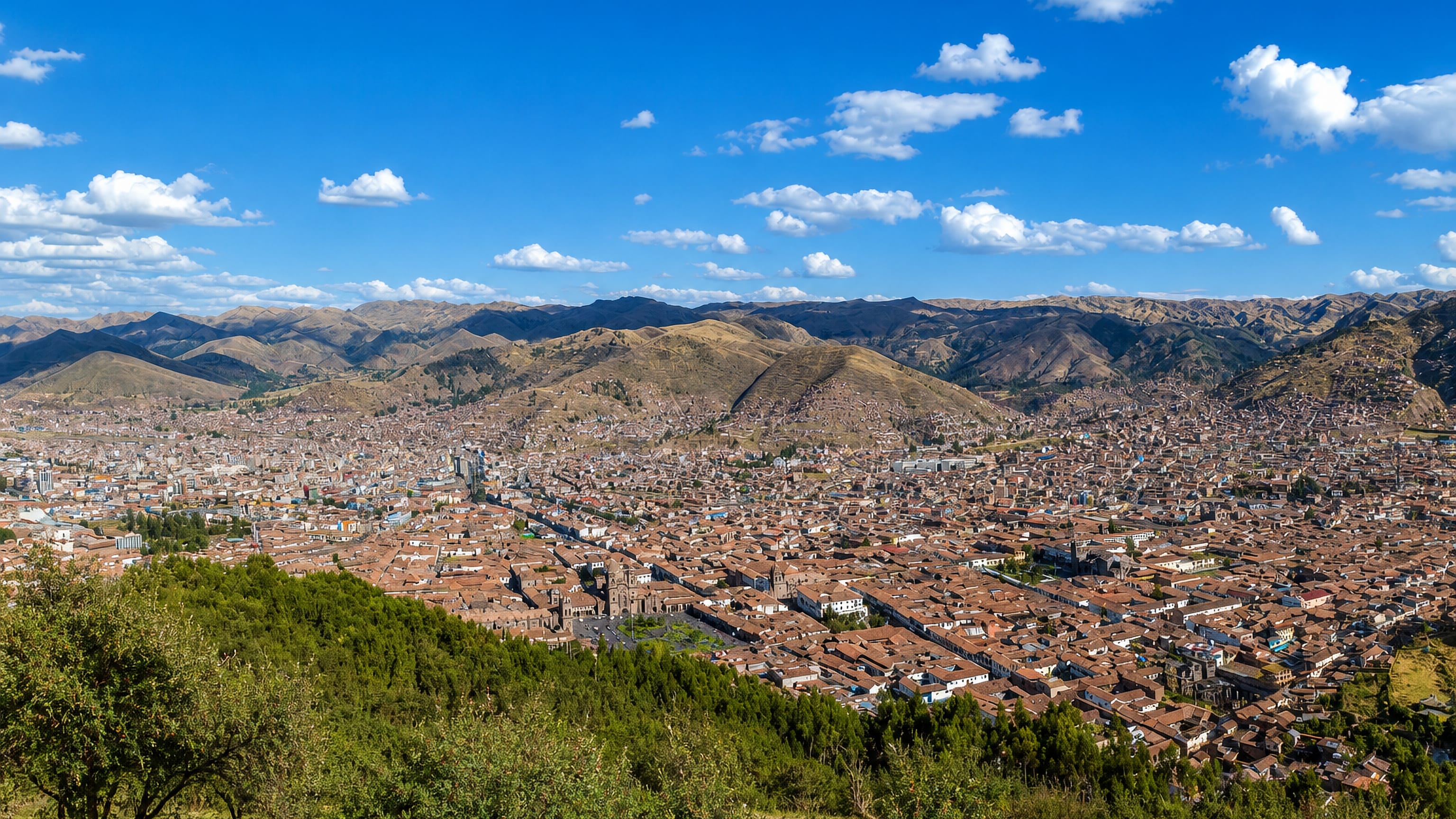
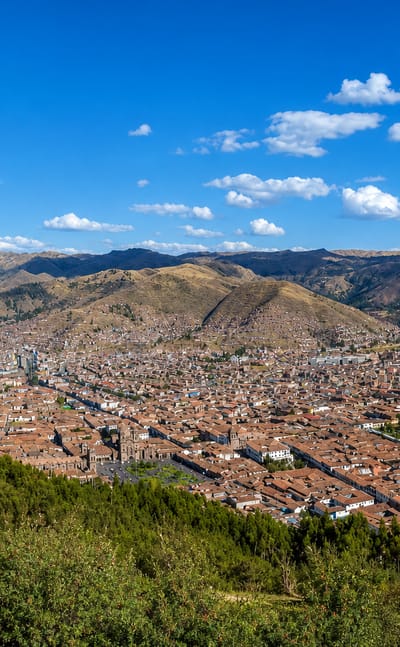
Cut stone walls climb the hills of Cusco, a city in southeastern Peru and former Inca capital, known for Saqsaywaman and Coricancha.Where to stay →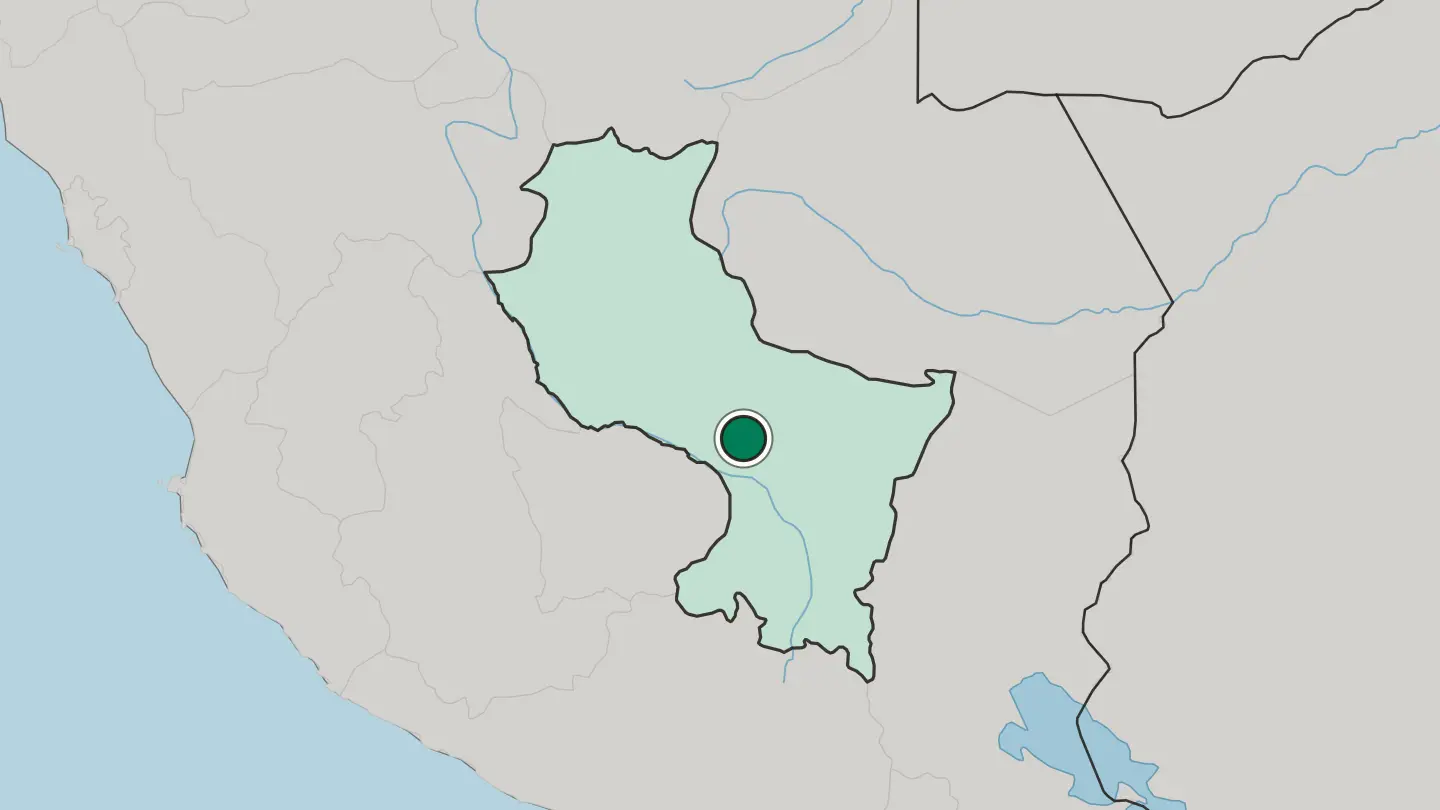
Hotel links are affiliate links: booking through them may earn us a commission, at no extra cost to you. It never affects how places are ranked. How this works
About Departamento de Cusco
Machu Picchu is why most people come.
What is Departamento de Cusco known for?
The 15th-century Inca citadel sits on a ridge above the Urubamba River, and it draws travellers from across the world to this corner of southeastern Peru. The city of Cusco was the capital of the Inca Empire, and its stone streets still carry that weight. Between the two lies the Sacred Valley, a run of Quechua market towns and terraced hillsides along the river.
Departamento de Cusco is the archaeological heart of the Andes.
Where is Departamento de Cusco?
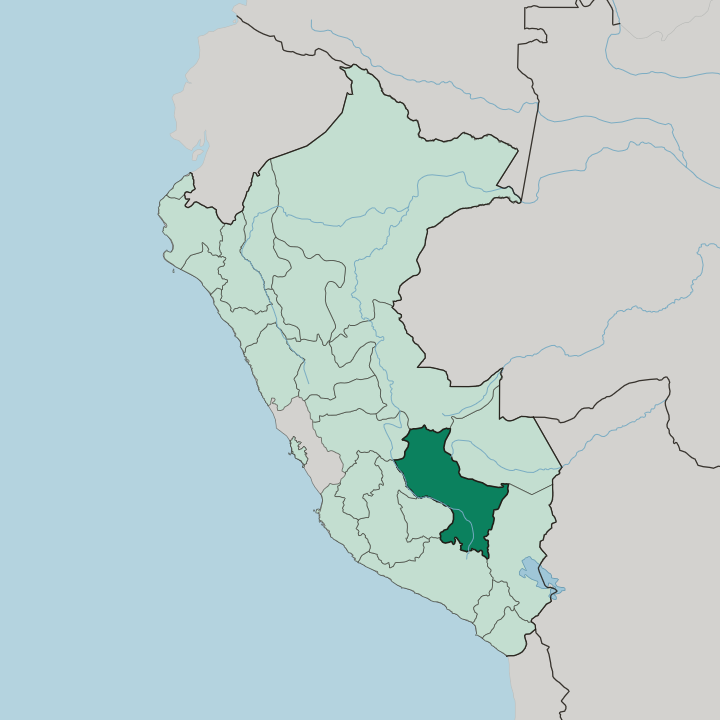
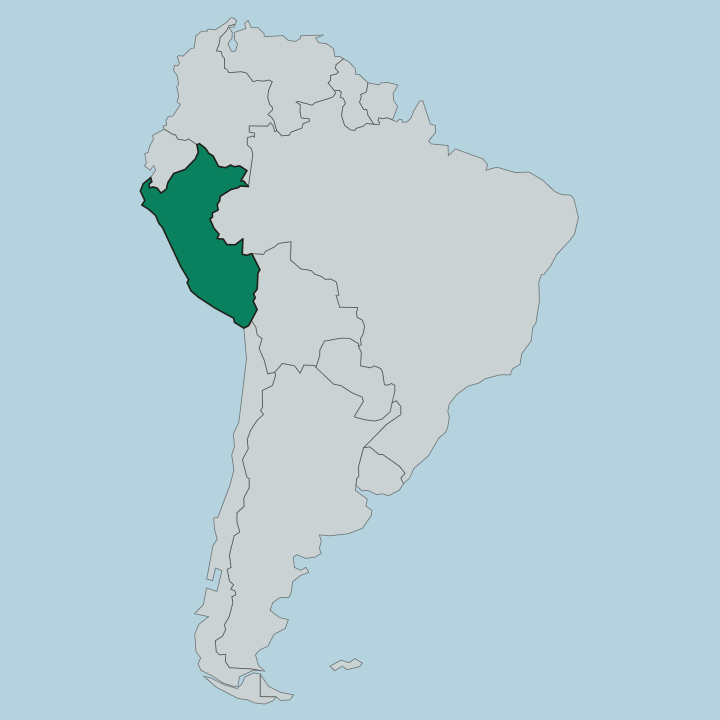
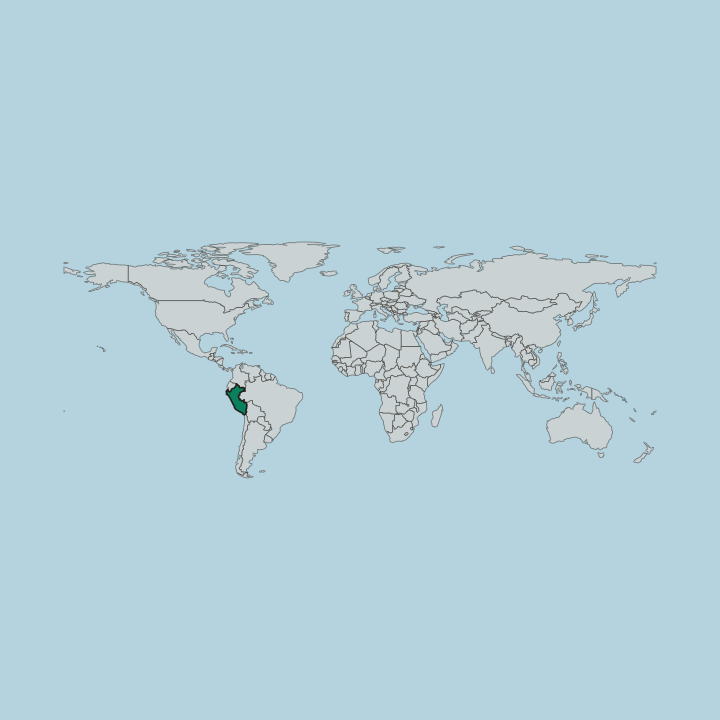
Departamento de Cusco lies in southeastern Peru, high on the eastern slope of the Andes. Cusco is built on a slope. Snowbound cordilleras stand along its spine, and the ground drops away eastward toward the Amazon lowlands, so that a single department reaches from glaciated peaks down into cloud forest and jungle within a day's drive.
Three cordilleras named Urubamba, Vilcabamba and Vilcanota rise across the region, and their meltwater feeds streams that run north into the Amazon basin rather than west to the Pacific. The Urubamba River is the artery. It rises to the southeast of the city of Cusco, where its upper course carries the name Vilcanota, and it carves the Sacred Valley on its way north before joining other headwaters of the Amazon.
Cusco, the capital, stands in a high valley near the department's centre, ringed by peaks. Machu Picchu sits far lower, on a ridge above the Urubamba downstream. The drop from the icy passes above Cusco to the warm forest of the north is one of the steepest gradients in Peru.
That vertical range is the department's defining trait.
What is Departamento de Cusco like?
Quechua is spoken in the streets and villages here, the language the Inca carried across the Andes, and it colours everything from place names to the songs sung at a Sunday market. This is living Andean country. In the Sacred Valley towns of Písac and Chinchero, weavers still work backstrap looms with dyes drawn from local plants and cochineal, and their bright textiles rank among the region's oldest crafts.
Faith runs on two tracks at once. Corpus Christi fills the city of Cusco with processions of saints borne into the cathedral, where Mass is said in Quechua, a Catholic feast layered over far older Andean rites. Each June the department stages Inti Raymi, the Inca Festival of the Sun, re-enacted above Cusco at the fortress of Sacsayhuamán before crowds of thousands.
The food leans on the high ground. Potatoes in dozens of native varieties, maize from the valley floor, alpaca and roast guinea pig all come off farms that the Inca once terraced. Departamento de Cusco wears its indigenous past openly, not as a museum piece but as daily life.
What is the history of Departamento de Cusco?
The city of Cusco was the capital of the Inca Empire, the centre from which Pachacuti's dynasty ruled an Andean realm stretched along the western side of South America. Its Quechua name, Qosqo, means the navel of the world. Spanish forces under Pizarro seized the city in 1533 and raised churches straight onto Inca foundations, and much of Departamento de Cusco still shows that doubled layer of stone.
Machu Picchu, built as a royal estate for Pachacuti, escaped the conquest and lay unknown to outsiders until 1911. The empire fell here. Its language and its walls did not.
What is the climate of Departamento de Cusco?
Altitude, not season, sets the temperature here. The city of Cusco stands high enough that days stay cool and nights turn cold the year round, while the lower Sacred Valley along the Urubamba River runs a few degrees milder. Cusco's year divides in two.
The dry months from May to October bring clear skies and hard frosts after dark, the best window for the trail to Machu Picchu. Rain falls heavily from November to April, when the Inca Trail closes each February for clearing. Sun by day, chill by night.
How do you get to Departamento de Cusco?
Almost everyone flies into the city of Cusco, where the Alejandro Velasco Astete airport sits a short ride east of the old centre and takes the busy hop up from Lima on the coast. Rail covers the last leg. No road reaches Machu Picchu, so travellers ride the rail line down the Urubamba River from Ollantaytambo to the foot of the ruins.
Buses and shared vans thread the Sacred Valley between Cusco and its towns. The altitude hits on arrival, so most people rest a day before climbing higher.
Common questions
What is the best area to stay in Departamento de Cusco?
Cusco: the Inca capital and its stone streets. Urubamba: the widest choice of valley beds. Ollantaytambo: the Machu Picchu rail handoff. Písac: the valley market and quieter nights.
Good for
More regions in Peru
Updated September 2026