Peru · Departamento de Junín
Where to Stay in Huancayo, Departamento de Junín
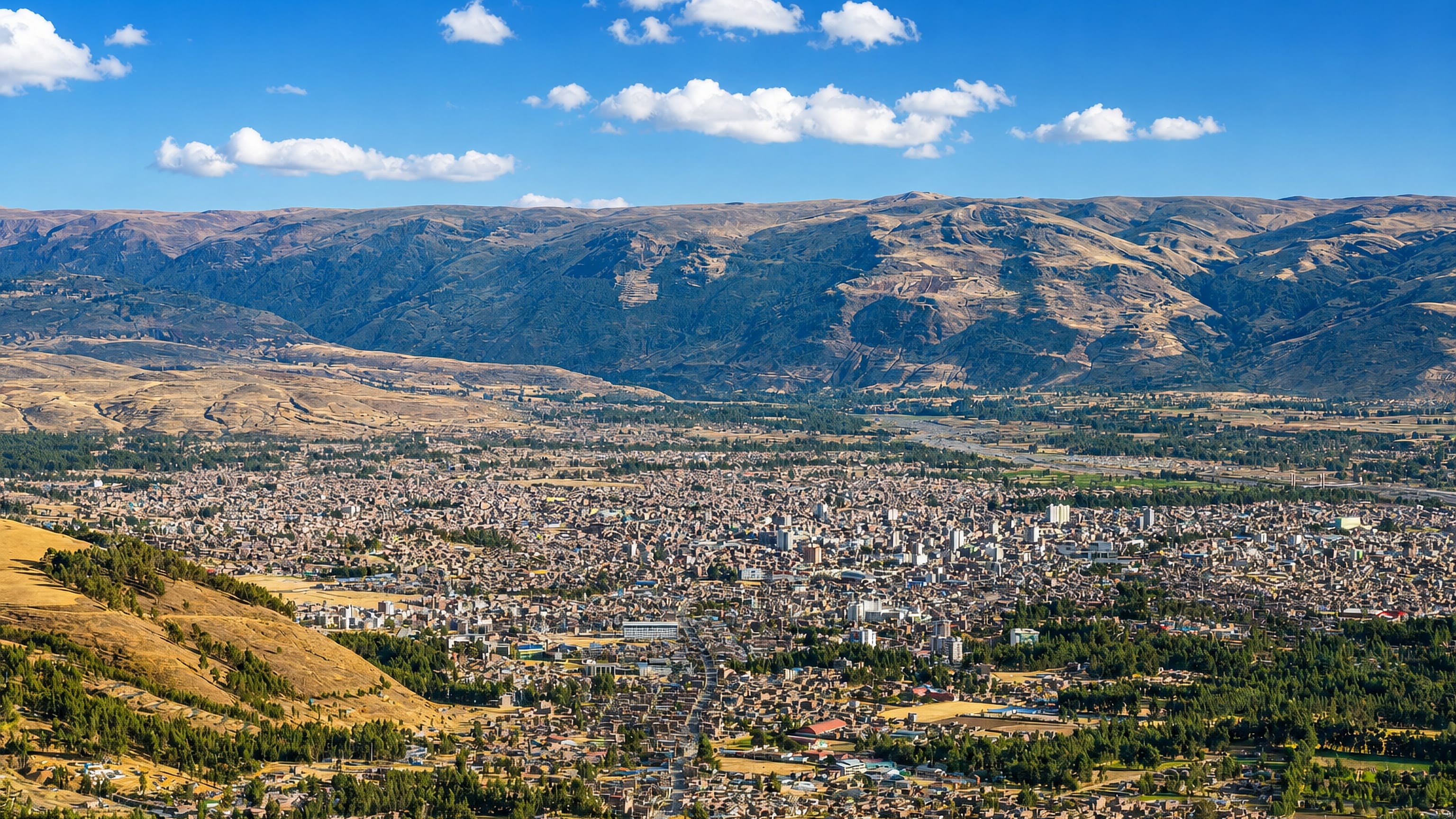
Huancayo is a highland city of central Peru, the capital of the Mantaro valley, a busy Andean market town of the Wanka people.
Hotel links are affiliate links: booking through them may earn us a commission, at no extra cost to you. It never affects how places are ranked. How this works


Where to stay in Huancayo
Where the beds are, and what that means for the visit.
Where you stay in Huancayo turns on the town or the valley. The streets around the plaza keep the market, the cathedral, and the craft shops within a walk, and staying downtown suits anyone here for the fair and the city. The Sunday fair fills the streets.
Craft stalls line the lanes. Out toward the villages and the peaks, the town gives way to the farm country, the gourd-carving villages, and the snowy range. A room out of town trades the streets for the green fields, the rock spires, and the white peaks of Huaytapallana.
The valley runs long and green. Stay downtown for the fair, or out for the villages. From the gourd-carving villages it is only a short run back into Huancayo.
Find hotels in Huancayo
Direct booking searches for these neighbourhoods.
The town centre
Steps from the cathedral square where the Sunday fair sets upFind hotels in The town centreStays wanting the villages and peaksThe Mantaro valley
Out in the Mantaro valleyFind hotels in The Mantaro valleyHotel links are affiliate links: booking through them may earn us a commission, at no extra cost to you. It never affects how places are ranked. How this works
Things to do in Huancayo
Ranked by global recognition; descriptions from Wikidata (CC0).
Museums & Galleries
2- Museo Salesiano "Vicente Rasetto"
- Museo de Arqueología Catalina Huanca
Churches & Religious Sites
2- Cathedral of Huancayo Heritage
- Iglesia de Nuestra Señora de Fátima
Castles & Historic Sites
2- Casa del pintor Guillermo Guzmán Manzaneda Heritage
- Casa Sotomayor Heritage
worth knowingacross 3 categories in Huancayo
About Huancayo
Huancayo is the market city of the Mantaro.
What is Huancayo known for?
High in the green Mantaro valley of the central Peruvian Andes, it is the great market and hub of the highland, and it keeps a huge Sunday fair that fills its streets each week, the carved gourds of the villages around, the strange rock spires of Torre Torre on the hills, and the snows of the Huaytapallana range above. The green valley runs long. The high peaks shine white.
What are the main landmarks in Huancayo?
The Sunday fair is the wonder of Huancayo. The great weekly market that floods the streets with stalls of food, cloth, and craft from all the valley, draws the whole highland to the city, the emblem of the town, downtown. Carved gourds fill the stalls.
The fine burnt gourds of the Mantaro villages, worked with tiny scenes, are sold through the fair, while the rock spires of Torre Torre, the cathedral, and the snow peaks mark the country around Huancayo.
What is the history of Huancayo?
The valley was the land of the Wanka. Long before the Inca, the Wanka people farmed and fought in the Mantaro valley, a proud highland nation who long held out against the great empires of the Andes. Markets drew the valley together.
The Wanka and their neighbours met to trade the crops of the fertile land, and when the Spanish came a town grew up around the great market on the valley road. The railway climbed to the town. A famous line was cut over the high passes from the coast, one of the highest railways on earth, and it carried the minerals and the crops of the valley down to the sea.
The Sunday fair made it famous. Each week a huge market spread through the streets, where farmers and craftsmen sold their gourds, weavings, and produce, and Huancayo grew into the busy hub of the central Andes, keeping its fair, its crafts, and its green valley. The market still fills the streets.
Huancayo keeps its fair and its valley in the highlands of Peru.
Where is Huancayo?
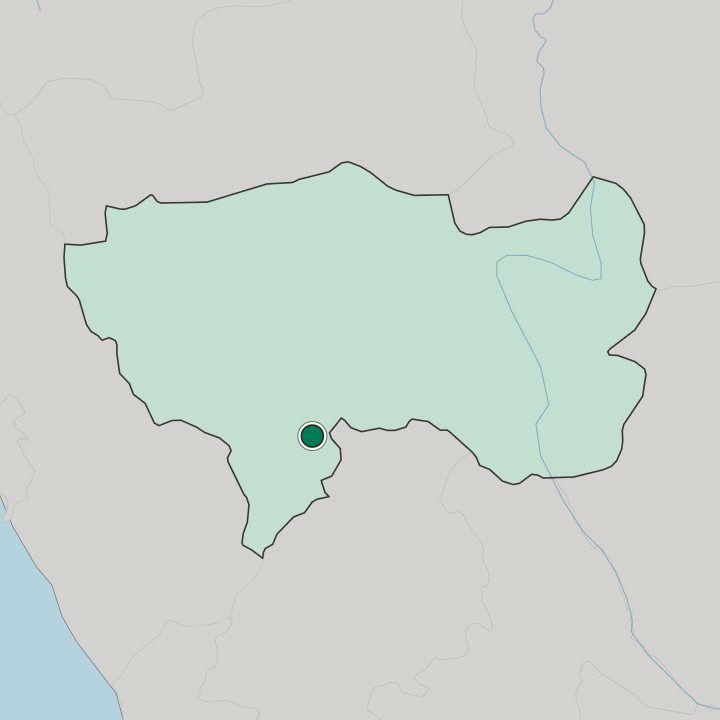
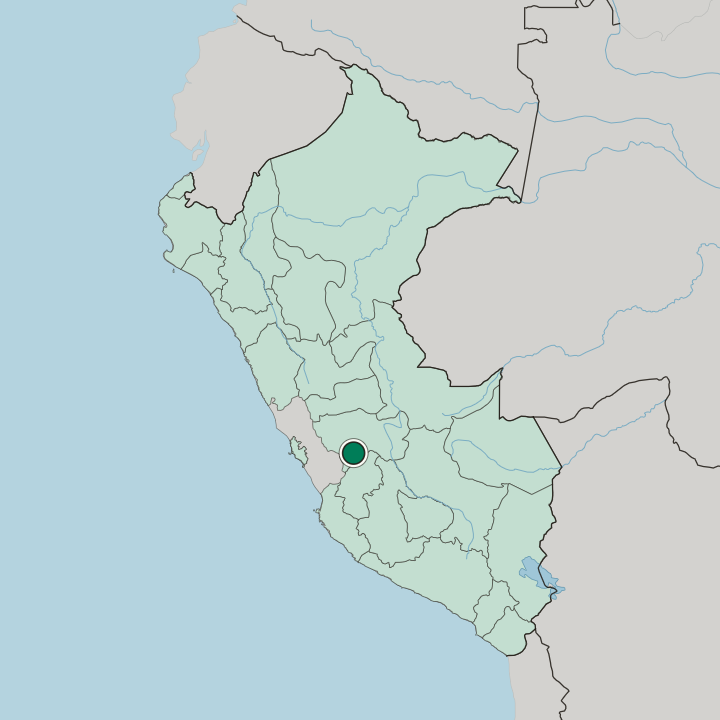
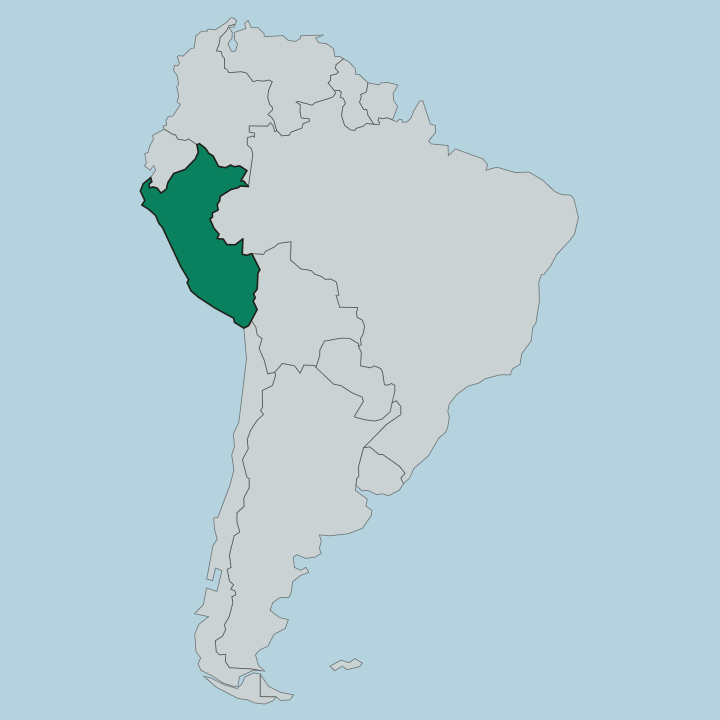
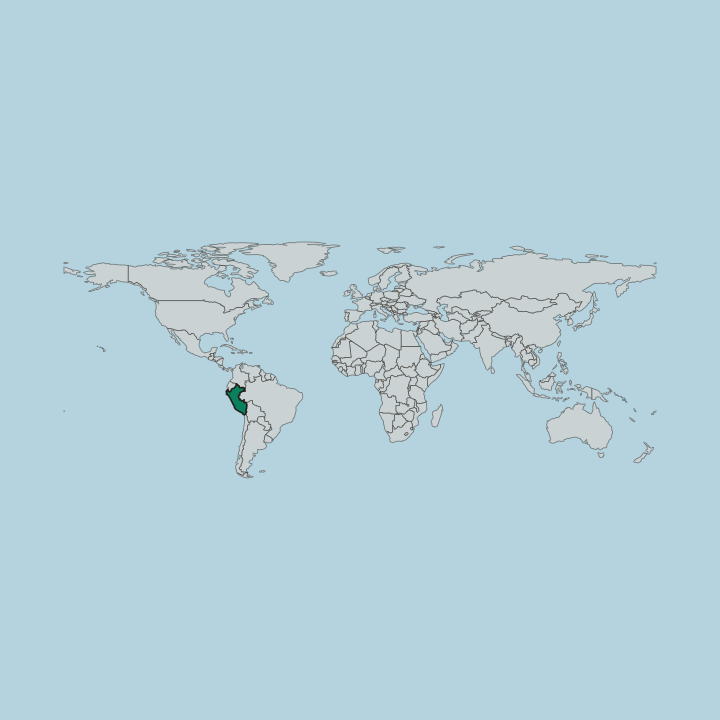
Huancayo lies in the central Andes of Peru, high in the wide Mantaro valley. The city sits at over ten thousand feet on the flat green floor of the valley, where the Mantaro river runs between high ranges, in a fertile land of fields and villages far above the coast, with snow peaks rising to the east. The valley runs green and flat.
Snow peaks wall the sky.
What is the climate of Huancayo?
Huancayo's climate is a highland one: cool through the year and short on rain. Cool days and cold nights hold the year round in the valley, with a dry sunny season and a wet green season of afternoon rain. The days stay cool and bright.
Nights turn sharp and cold.
How do you get to Huancayo?
Huancayo lies in the central Andes of Peru, high above the coast. Roads and a famous high railway climb to it over the passes from Lima, and buses run down the Mantaro valley. Trains cross the high passes.
Lima lies west over the range.
Common questions
What is the best area to stay in Huancayo?
The town centre: Visitors here for the fair and cathedral. The Mantaro valley: Stays wanting the villages and peaks.
Good for
Another city in Departamento de Junín
Updated September 2026