Peru · Departamento de Junín
Where to Stay in Tarma, Departamento de Junín
Tarma, the City of Flowers, is the capital of Tarma Province in the Junín Region of central Peru, also written Santa Ana de la Ribera de Tarma.
Hotel links are affiliate links: booking through them may earn us a commission, at no extra cost to you. It never affects how places are ranked. How this works


Where to stay in Tarma
Where visitors usually base themselves, and why.
Beds in Tarma cluster in the centre. Santa Ana de la Ribera de Tarma is a single compact city rather than a spread of separate quarters, so the choice is less about which district than about how far out of town the day is going to take a visitor. Walking covers the city easily.
Union Tarma Stadium and the streets of the Tarma District sit close enough that one base serves both. Tarmatambo changes the calculation. The site lies outside the built-up city, in the Tarma Province country rather than in Tarma itself, which makes it a half-day rather than an afternoon stroll.
A room in town still works best. Nothing out at Tarmatambo replaces the range of a provincial capital, and the road back into Tarma is short enough to make a bed nearer the site unnecessary. Flowers are the reason many come.
The City of Flowers earns the nickname from the plant life of the surrounding country, so a stay in Tarma tends to be pointed outward, toward the Junín Region hills, rather than inward at the streets. The Pearl of the Andes sets expectations high. What the city delivers is a small, orderly base in central Peru from which Tarmatambo, the stadium and the flower country are all reachable inside a day.
Find hotels in Tarma
Direct booking searches for these neighbourhoods.
The compact centre
Santa Ana de la Ribera de Tarma is small enough that the stadium and the seat of Tarma Province share a short walkFind hotels in The compact centreA half-day on the archaeological ground at TarmatamboOut toward Tarmatambo
Tarmatambo lies out in Tarma Province, away from the streets that carry the City of Flowers name. Lodging is scarce in this area; reserve in advance.Find hotels in Out toward TarmatamboFlower country under the Pearl of the Andes hillsThe Junín Region country beyond
The plant life behind Ciudad de las Flores runs through the Junín Region well past the Tarma District. Beds are limited here, so book early.Find hotels in The Junín Region country beyondHotel links are affiliate links: booking through them may earn us a commission, at no extra cost to you. It never affects how places are ranked. How this works
About Tarma
Flowers gave Tarma two of its names.
What is Tarma known for?
Ciudad de las Flores and the City of Flowers both point at the same thing, and the Pearl of the Andes adds a third title to a city that answers to Santa Ana de la Ribera de Tarma in full. Tarmatambo sits outside. The archaeological ground there gives the Tarma District something older than any of those names.
What are the main landmarks in Tarma?
Two named places carry the visits. Union Tarma Stadium sits inside the city, while Tarmatambo lies out in Tarma Province on archaeological ground far older than the streets around it. Neither is a cathedral.
What Tarma offers instead is the flower country that produced Ciudad de las Flores and the title Pearl of the Andes.
What is the history of Tarma?
Any account of Tarma starts at Tarmatambo. The site is archaeological ground, which puts occupation of this part of the Junín Region well before the Spanish name Santa Ana de la Ribera de Tarma was attached to the town. No charter year attaches to the city.
The record here is one of names rather than of dates, and each of those names is still in use somewhere. Santa Ana de la Ribera de Tarma is the long form. Tarma is what everyone says, and the full form is the one that appears when the city is written out completely.
Nicknames took over the rest. Ciudad de las Flores and its English form, the City of Flowers, describe the plant life around the city, while the Pearl of the Andes claims a place for it in the mountain range. Administration settled on the city twice over.
Tarma serves as capital of both the Tarma District and Tarma Province, which are two different units with the same seat, and above them sits the Junín Region. Union Tarma Stadium belongs to the modern town. The stadium carries the city's name and belongs to the built-up town, the newest of the named places Tarma keeps.
Where is Tarma?
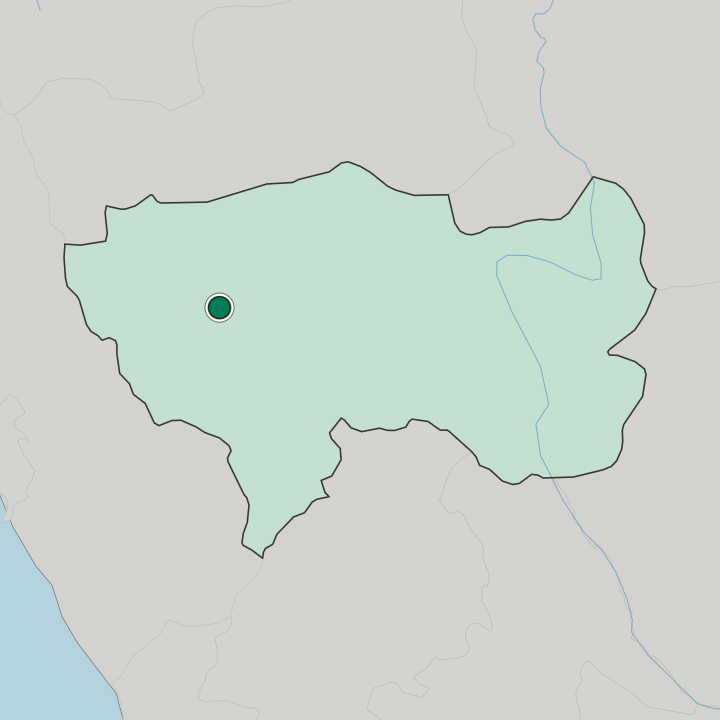
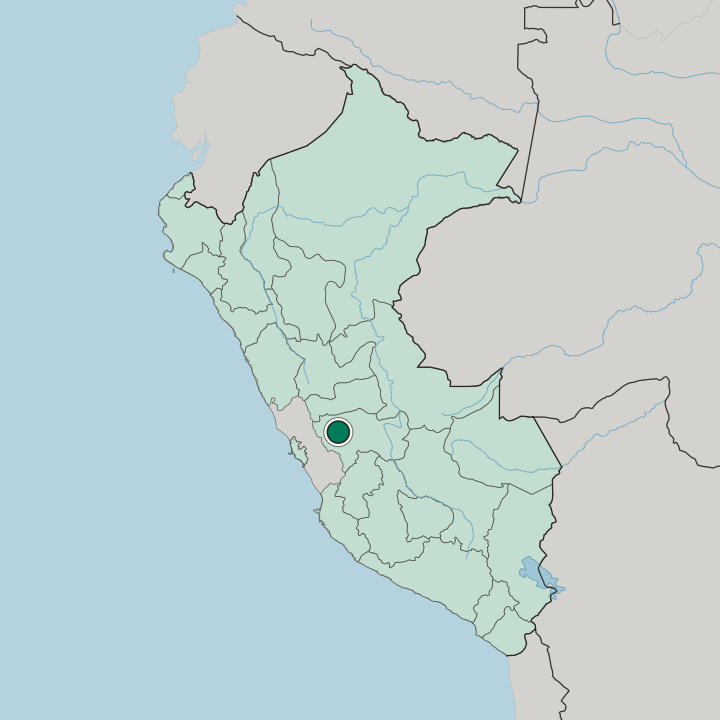
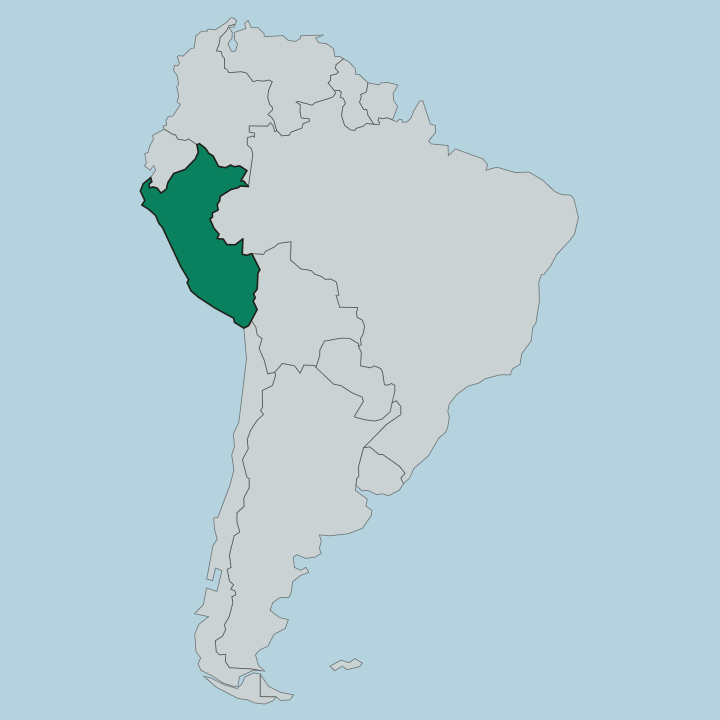
Tarma stands in the Southern Sierra of central Peru, south of the equator, where the Junín Region climbs into the Andes. Tarma Province spreads around it. Flowers grow well here.
The plant life that earned Ciudad de las Flores its name belongs to the country outside the streets, and Tarmatambo sits in the same open ground.
What is the climate of Tarma?
The Andes govern the air here. Tarma lies south of the equator, but altitude in the Southern Sierra matters more than distance from it, so the days run mild rather than tropical and the nights cool off sharply. Flowers do well on that.
The plant life behind the City of Flowers depends on the mountain climate of the Junín Region rather than on jungle heat.
How do you get to Tarma?
Roads climb to Tarma. Tarma is the seat of both the Tarma District and Tarma Province, so movement inside those two units bends toward the same streets in the Junín Region. Tarmatambo needs a vehicle.
Union Tarma Stadium and the streets of the Tarma District are a walk, but the archaeological ground beyond the town is not.
Common questions
What is the best area to stay in Tarma?
The compact centre: One base within reach of Union Tarma Stadium and the flower country. Out toward Tarmatambo: A half-day on the archaeological ground at Tarmatambo. The Junín Region country beyond: Flower country under the Pearl of the Andes hills.
Good for
Another city in Departamento de Junín
Updated September 2026