Peru · Departamento de Puno
Where to Stay in Juliaca, Departamento de Puno
Juliaca is a city of the high Altiplano of southern Peru, a windswept market town near Lake Titicaca, the great rail hub of the southern highlands.
Hotel links are affiliate links: booking through them may earn us a commission, at no extra cost to you. It never affects how places are ranked. How this works


Where to stay in Juliaca
How the choice of base plays out on the ground.
Where you stay in Juliaca turns on the town or the lake. The centre keeps the great markets, the plaza, and the station within a walk, and staying downtown suits anyone here for the markets. The plateau spreads all around.
Wind sweeps the wide streets. Out toward Titicaca and the plateau, the town gives way to the lakeside towns, the old towers, and the road down to Puno. A room out of the centre trades the streets for the cold clear air, the wide plain, and the far snow peaks of the Andes.
The plateau runs on for miles. Stay downtown for the markets, or out for the lake. The high plateau and the great lake hold the Altiplano city.
Find hotels in Juliaca
Direct booking searches for these neighbourhoods.
The centre
Around the plaza and the market streetsFind hotels in The centreStays wanting Titicaca and the towersToward the lake
Out toward PunoFind hotels in Toward the lakeHotel links are affiliate links: booking through them may earn us a commission, at no extra cost to you. It never affects how places are ranked. How this works
About Juliaca
Juliaca is the market city of the Peruvian Altiplano.
What is Juliaca known for?
On the high plateau near Lake Titicaca in the south of Peru, it grew as a rail town and a trading centre, and it keeps the great markets of the highlands, the knitting and wool trade of the Aymara, the rail lines that cross the plateau, and the road down to the shores of Titicaca. The high plain runs to the peaks. Wind sweeps the open streets.
What are the main landmarks in Juliaca?
Lake Titicaca is the pride of the Juliaca country. The great high lake, the highest of its size on earth, ringed by reed islands, is the emblem of the region, out of downtown. Old towers stand by a lake.
The funerary towers of Sillustani rise above Lake Umayo nearby, while the highland markets, the rail lines, and the snow peaks mark the country around Juliaca.
What is the history of Juliaca?
Juliaca grew at a railway crossing. On the high plateau the lines from the coast and the lake came together at Juliaca, and a small town swelled into a rail junction and market. Highland peoples worked the plateau.
The Aymara and Quechua of the high country brought their wool and their crafts to its markets, and the town grew on their trade. The markets drew the highlands. Traders came from across the Altiplano to the great fairs of Juliaca, and it became the busy trading city of the south.
The lake lay close by. Down the road stood Lake Titicaca and the old town of Puno, and the funerary towers of Sillustani, and Juliaca grew as the market hub of the plateau, keeping its rails, its fairs, and its cold high air. The trains still cross the plain.
Juliaca keeps its market city on the Altiplano.
Where is Juliaca?
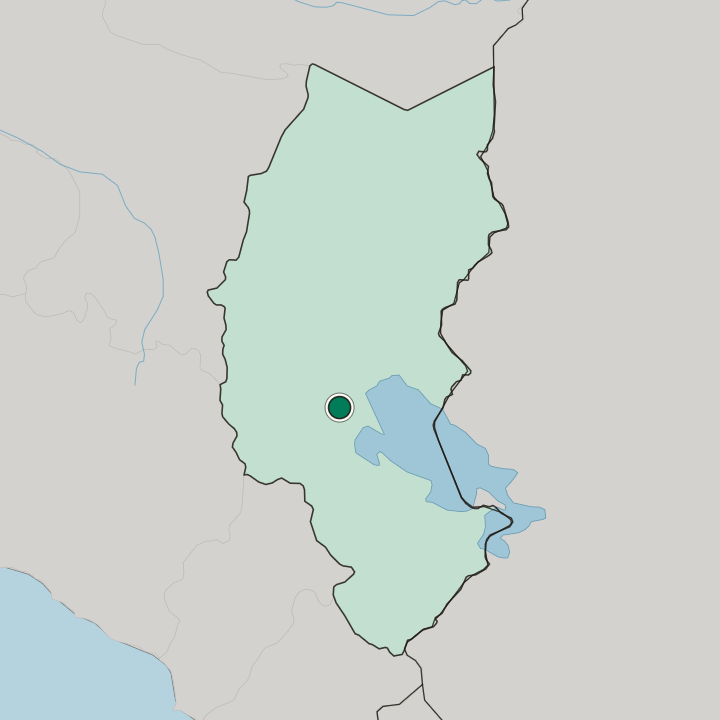
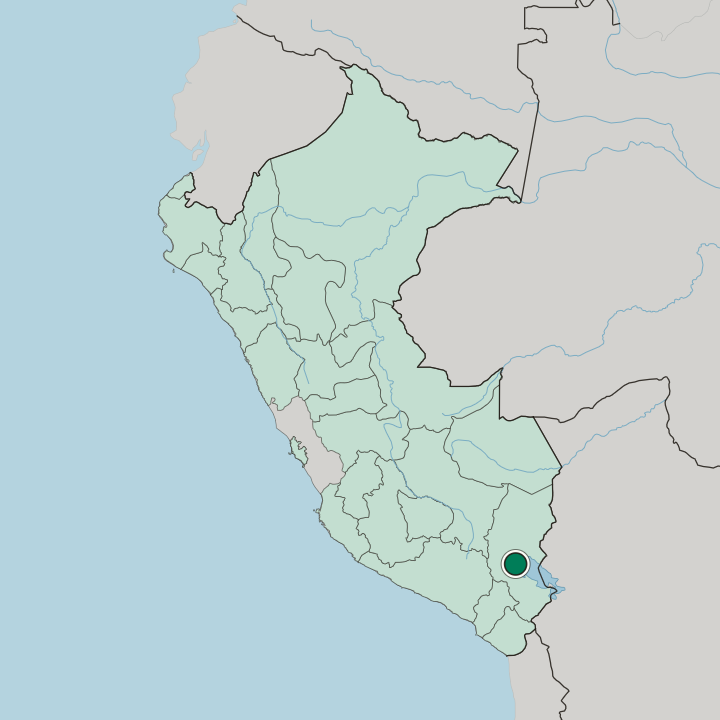
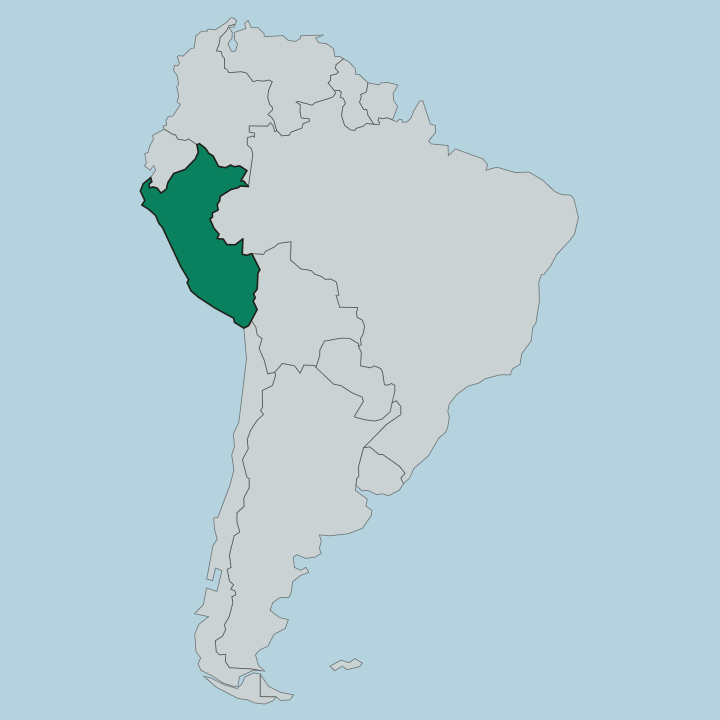
Juliaca lies in the far south of Peru, high on the Altiplano near Lake Titicaca. The city sits on the flat cold plateau at nearly four thousand metres, on a treeless plain of the high Andes, with the great lake to the southeast and the snow peaks of the cordillera rising far around. The plain runs flat and bare.
Ice crowns the far peaks.
What is the climate of Juliaca?
Juliaca has a cold, dry highland climate. Cold thin air holds all year on the plateau, with sunny cold days, freezing nights, and a short wet season in summer. The sun burns thin and bright.
Frost grips the long nights.
How do you get to Juliaca?
Juliaca lies on the Altiplano of southern Peru, near Lake Titicaca. The rail and the highway run to it from Arequipa and Cusco, and an airport serves the lake country. Trains cross the plateau.
Puno lies south down the road.
Common questions
What is the best area to stay in Juliaca?
The centre: Visitors here for the markets and plaza. Toward the lake: Stays wanting Titicaca and the towers.
Good for
Another city in Departamento de Puno
Updated September 2026