Peru · Departamento de Puno
Where to Stay in Puno, Departamento de Puno
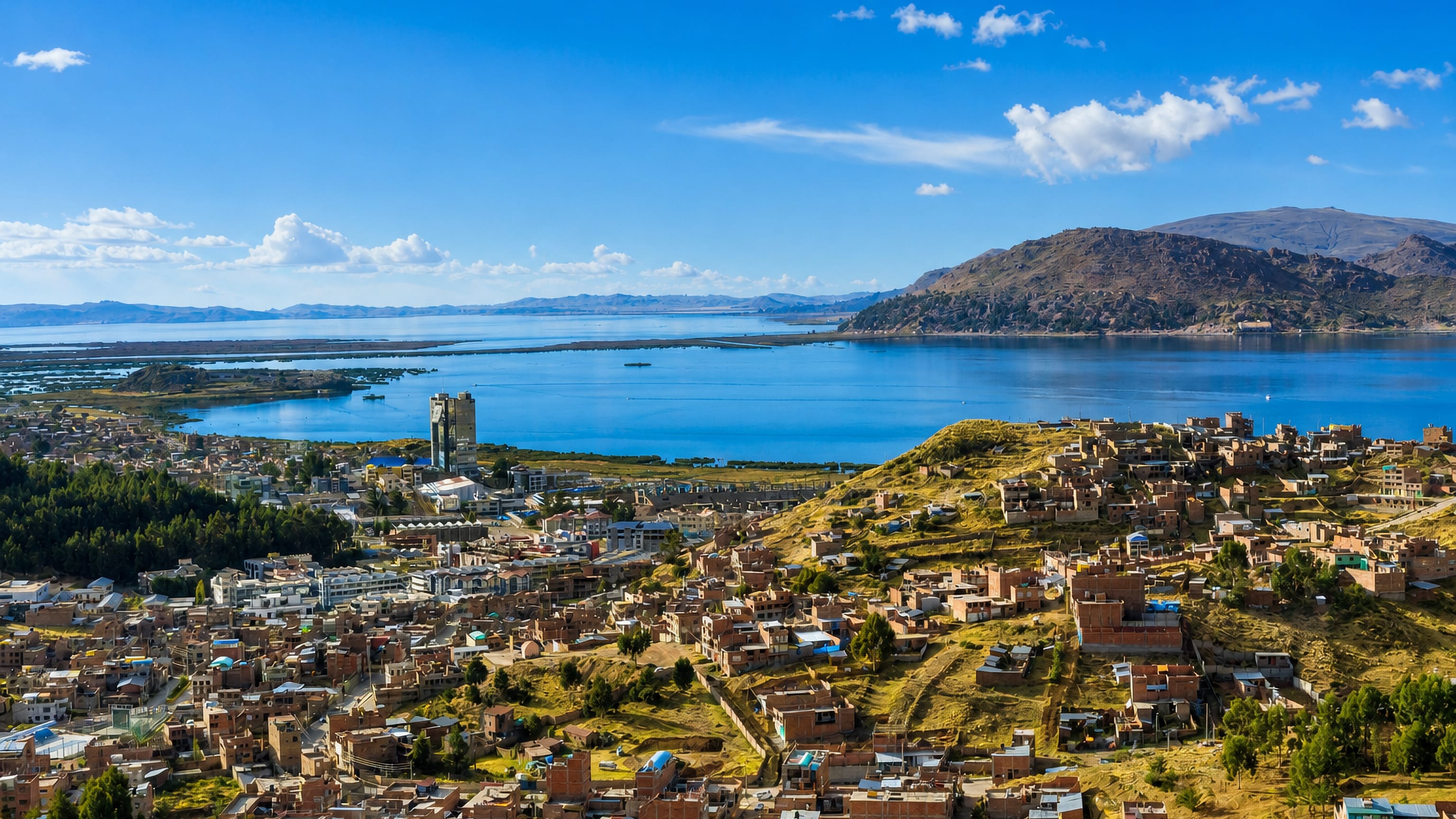
Puno is a city of the Peruvian Altiplano on the shore of Lake Titicaca, the folklore capital of Peru high on the roof of the Andes.
Hotel links are affiliate links: booking through them may earn us a commission, at no extra cost to you. It never affects how places are ranked. How this works


Where to stay in Puno
The practical side of choosing where to sleep.
In Puno it comes down to the plaza streets or the Titicaca shore. The streets around the plaza keep the cathedral, the market, and the boat pier within a walk, and staying downtown suits anyone here for the city. The square fills at dusk.
Boats leave from the pier. Out along the shore and the bay, the town gives way to the reed islands, the lake lodges, and the wide water. A room by the lake trades the streets for the floating islands, the sunrise over Titicaca, and the cold blue water.
The lake runs flat to Bolivia. Stay downtown for the plaza, or by the shore for the lake. The town lies a short way up.
Find hotels in Puno
Direct booking searches for these neighbourhoods.
The lake town
Around the square by the shoreFind hotels in The lake townStays wanting the reed islands and sunriseThe lakeshore
Out along the bayFind hotels in The lakeshoreHotel links are affiliate links: booking through them may earn us a commission, at no extra cost to you. It never affects how places are ranked. How this works
About Puno
Puno is the lake city of the Altiplano.
What is Puno known for?
On the high plain beside Lake Titicaca, the highest navigable lake on earth, it is known across Peru as the folklore capital, and it keeps the reed islands of the Uros floating on the water, a stone cathedral on its square, the round burial towers of Sillustani on the hills around, and the dances of the Candelaria that fill its streets each year. The blue lake runs to the sky. The high plain lies cold and clear.
What are the main landmarks in Puno?
The floating islands of the Uros are the wonder of Puno. The islands of woven reed, built and rebuilt on the lake by the Uros people who live upon them, ride the water off the shore, the emblem of the lake, out on Titicaca. Stone towers stand on the hills.
The stone chullpas at Sillustani rise above a lagoon nearby, while the cathedral, the lake boats, and the Yavari steamship mark the shore around Puno.
What is the history of Puno?
Puno was born of silver and the lake. The Spanish founded the town in the high country by Titicaca to work the silver mines of the hills, on land the Aymara and Quechua had held for ages. The lake fed the people.
Long before the town, the folk of the Altiplano herded llamas, fished the reeds, and raised the burial towers of Sillustani above the water. Faith and dance took root here. Under Spanish rule the shrine of the Virgin of the Candelaria drew the whole plateau, and the great festival of masks and dance grew into the largest in Peru, so that Puno became known as its folklore capital.
The mines gave out in time. As the silver ran down, the town lived on by the lake, by its wool and its trade across the water to Bolivia, and Puno kept its dances, its reeds, and its high blue lake. The reed boats still cross the bay.
Puno keeps its lake and its dances on the roof of Peru.
Where is Puno?
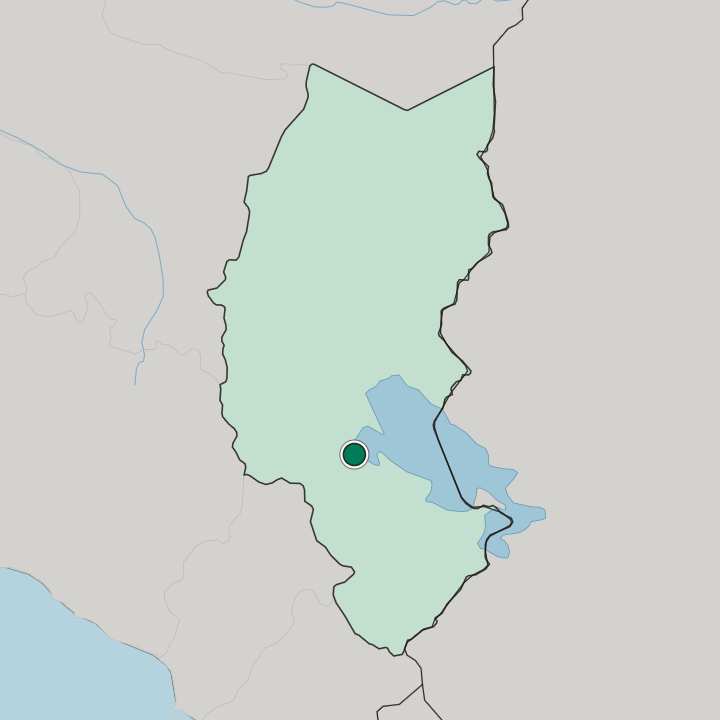
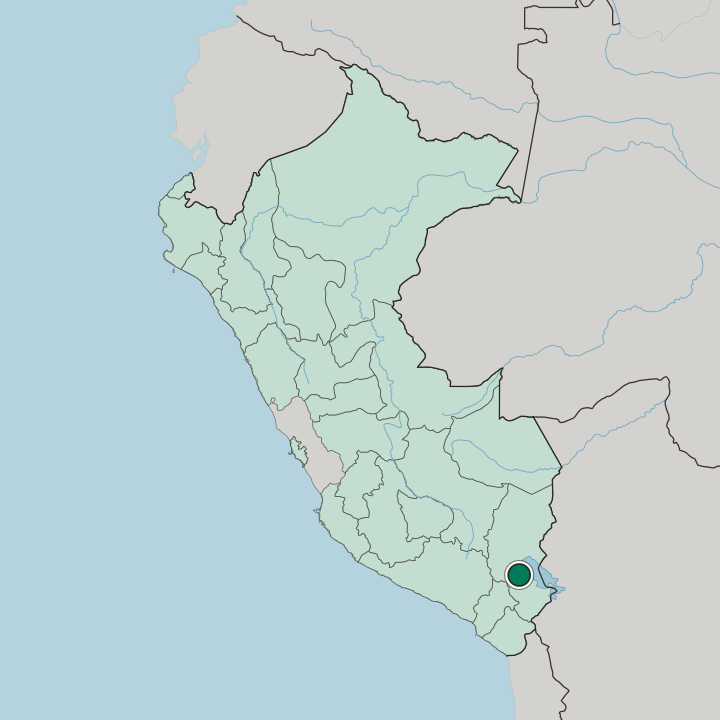
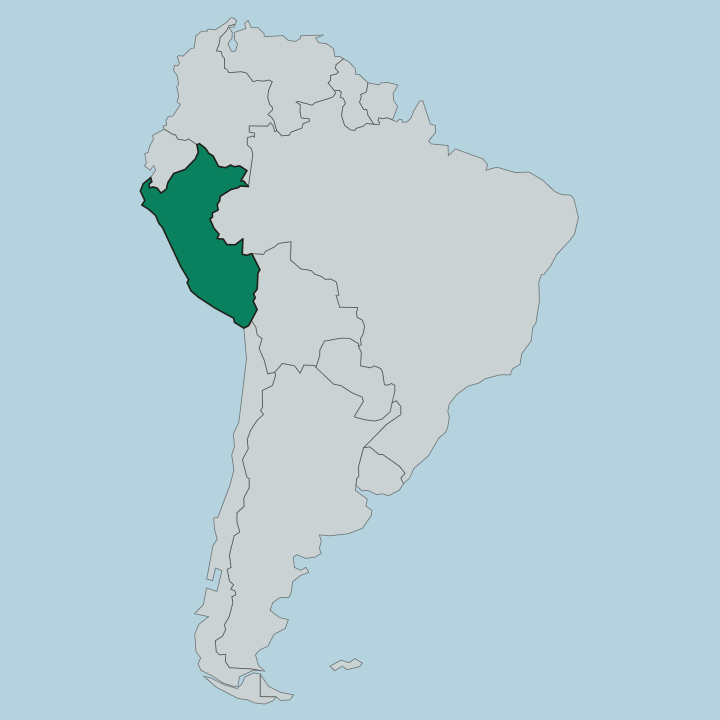
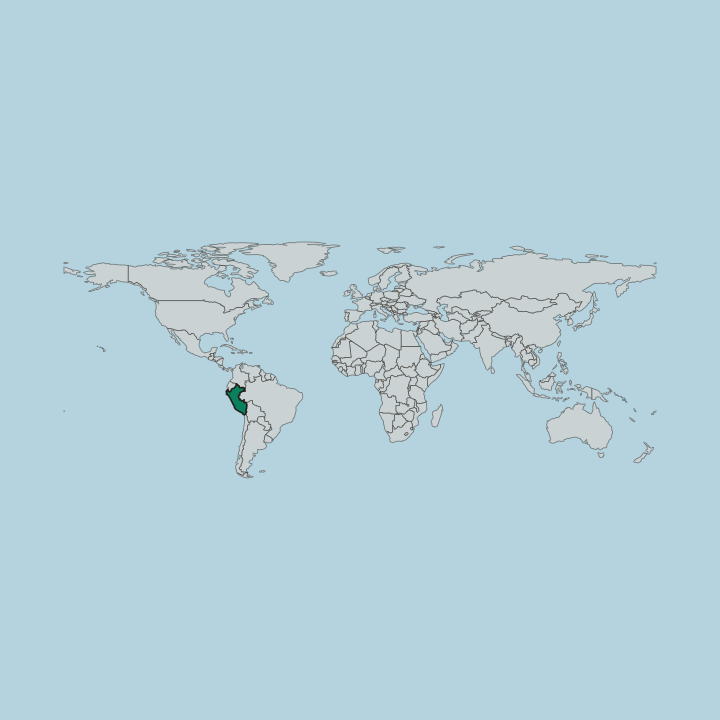
Puno lies in the far southeast of Peru, high on the Altiplano on the western shore of Lake Titicaca. The city climbs a ring of bare brown hills above a bay of the great lake, at nearly four thousand metres, where the air is thin and cold and the light is hard and bright. The lake fills the eastern sky.
Bare hills rise behind the town.
What is the climate of Puno?
Puno has a cold, dry highland climate. Thin mountain air holds a chill all year on the Altiplano, with bright cold days, freezing nights, and a wet season of afternoon rain in summer. The nights bite hard and cold.
Days stay cool and clear.
How do you get to Puno?
Puno sits high on Lake Titicaca in far southern Peru. Trains and buses climb to it over the Altiplano from Cusco and Arequipa, and boats leave the harbour for the islands. Reed boats cross the bay.
Cusco lies north over the pass.
Common questions
What is the best area to stay in Puno?
The lake town: Visitors here for the plaza and pier. The lakeshore: Stays wanting the reed islands and sunrise.
Good for
Another city in Departamento de Puno
Updated September 2026