Papua New Guinea · Morobe Province
Where to Stay in Lae, Morobe Province
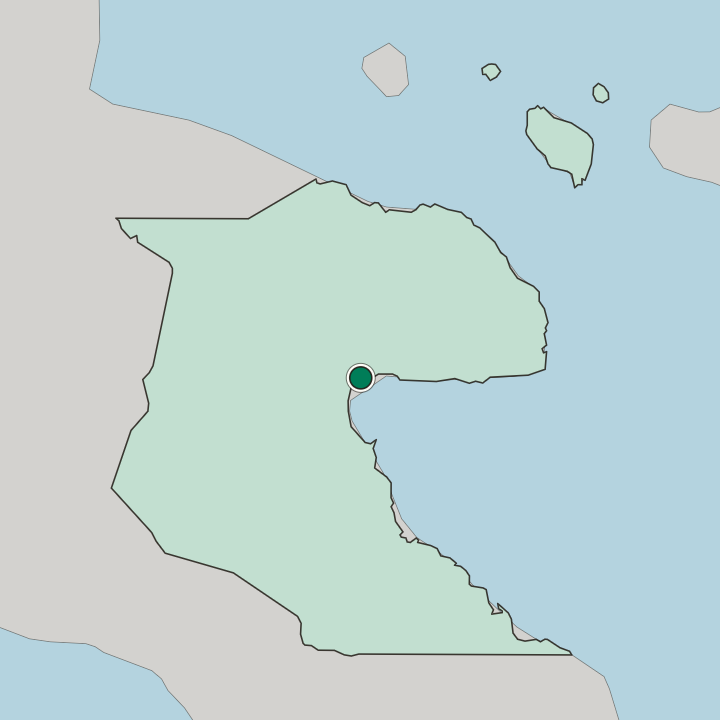
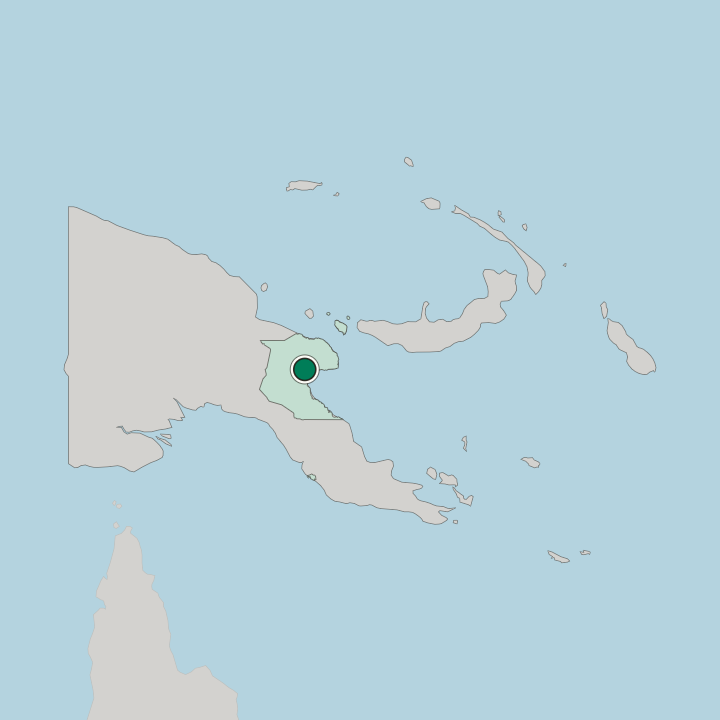
Lae is the capital of Morobe Province and the second-largest city in Papua New Guinea, on the northern coast of Huon Gulf.
Hotel links are affiliate links: booking through them may earn us a commission, at no extra cost to you. It never affects how places are ranked. How this works


Where to stay in Lae
Where visitors usually base themselves, and why.
Lae is a working port before it is anything else. Beds sit close to the wharves that move the Highlands cargo, which puts the noise of trucks and the run of the Highlands Highway within earshot of most central rooms, and that is the trade every visitor makes here. The gulf shore is the alternative.
Rooms nearer the Huon Gulf edge trade some of that convenience for open water, though the distance back into the commercial streets stays short enough to walk on a dry morning. Anyone in town for the port itself should stay central. The university side reads differently.
Around the Papua New Guinea University of Technology the streets turn to campus and residential ground, quieter than the commercial core and better suited to a longer stay than a one-night stop between flights. Sir Ignatius Kilage Stadium anchors the sports end of town, and a room within reach of it makes sense on match days, when getting across Lae takes longer than the map suggests. The Markham River delta marks the city's other limit.
Beds thin out towards it, so the practical choice narrows to the centre, the gulf frontage, and the campus fringe, with everything else a drive rather than a walk.
Find hotels in Lae
Direct booking searches for these neighbourhoods.
Port and central streets
The commercial blocks beside Lae's cargo wharves, where the Highlands Highway traffic begins.Find hotels in Port and central streetsOpen water in place of wharf noiseHuon Gulf frontage
Rooms along the Huon Gulf edge, still a short walk from Lae's commercial core.Find hotels in Huon Gulf frontageLonger stays by the Papua New Guinea University of TechnologyUniversity fringe
Campus and residential ground around the Papua New Guinea University of Technology, quieter than the port side. Few places to stay nearby — book ahead.Find hotels in University fringeMatch days at Sir Ignatius Kilage StadiumStadium side
Within reach of Sir Ignatius Kilage Stadium, which matters when crossing Lae takes time. Rooms are few around here — worth securing early.Find hotels in Stadium sideHotel links are affiliate links: booking through them may earn us a commission, at no extra cost to you. It never affects how places are ranked. How this works
About Lae
The port does the heavy lifting.
What is Lae known for?
Lae handles more cargo than anywhere else in Papua New Guinea, and most of what the Highlands Region produces leaves the country through its wharves after the run down the Highlands Highway. The city answers to the Garden City. Industry sits alongside that name, and the Papua New Guinea University of Technology gives Lae a campus the rest of Morobe Province does not have.
What are the main landmarks in Lae?
Sir Ignatius Kilage Stadium is the one named venue. The rest of what people point out in Lae is infrastructure and setting rather than monument: the cargo wharves on Huon Gulf, the Markham River delta at the city's edge, and the point where the Highlands Highway begins its climb inland. Gardens do the rest.
The Papua New Guinea University of Technology adds a campus, and the Garden City nickname does as much work here as any single building.
What is the history of Lae?
Lae's story is a story of freight. The city stands at the start of the Highlands Highway, the main land transport corridor between the Highlands Region and the coast, and that single fact explains most of what the place became. Cargo came first.
Produce from the Highlands has long moved down that road to the wharves on Huon Gulf, and the port grew into the largest cargo handler in Papua New Guinea because the corridor ends here. Industry followed the freight. Administration sits alongside it.
Lae is the capital of Morobe Province, which gives the city civic weight on top of its commercial role and pulls provincial functions into the same streets that handle cargo. It ranks second in the country. Only Port Moresby is larger, and second place behind one dominant capital is a particular kind of standing: big enough to matter nationally, defined narrowly enough by one industry that the port sets the tone of everything else.
The Papua New Guinea University of Technology adds a technical campus to a city built on moving and making things. Gardens gave it the other name. Lae is called the Garden City, and the label sits oddly beside the wharves, though green survives between the works.
Where is Lae?
The Markham River delta marks one edge. Lae stands near that delta on the northern coast of Huon Gulf, with open water on one side and rising ground behind, so the built area follows the shore rather than spreading evenly outward. Mountains close the inland view.
The Highlands Highway leaves for that higher country, climbing out of a tropical coastal strip towards the Highlands Region, and the gap between the two is the shortest way to describe the setting.
What is the climate of Lae?
Huon Gulf sets the terms. Warm ocean air moves ashore across the gulf through the year, and the ranges behind the city lift it until it sheds its moisture over Lae, so wet spells arrive from the sea and are finished by the mountains. The tropics do the rest.
Heat holds steady rather than swinging with the seasons, and the Markham River delta stays humid ground in any month, which is the practical fact for anyone planning a stay.
How do you get to Lae?
The Highlands Highway starts here. It is the main land transport corridor between the Highlands Region and the coast, so arriving overland from the Highlands means coming down that single road and finishing in Lae rather than passing through. Sea traffic works the other axis.
The country's largest cargo port sits on Huon Gulf, taking the export freight that the Highlands Region sends down the road, so Lae connects to the rest of Papua New Guinea by water as much as by land.
Common questions
What is the best area to stay in Lae?
Port and central streets: Wharf business and the start of the Highlands Highway. Huon Gulf frontage: Open water in place of wharf noise. University fringe: Longer stays by the Papua New Guinea University of Technology. Stadium side: Match days at Sir Ignatius Kilage Stadium.
Good for
Updated September 2026