Philippines · Cordillera Administrative Region
Where to Stay in Baguio, Cordillera Administrative Region
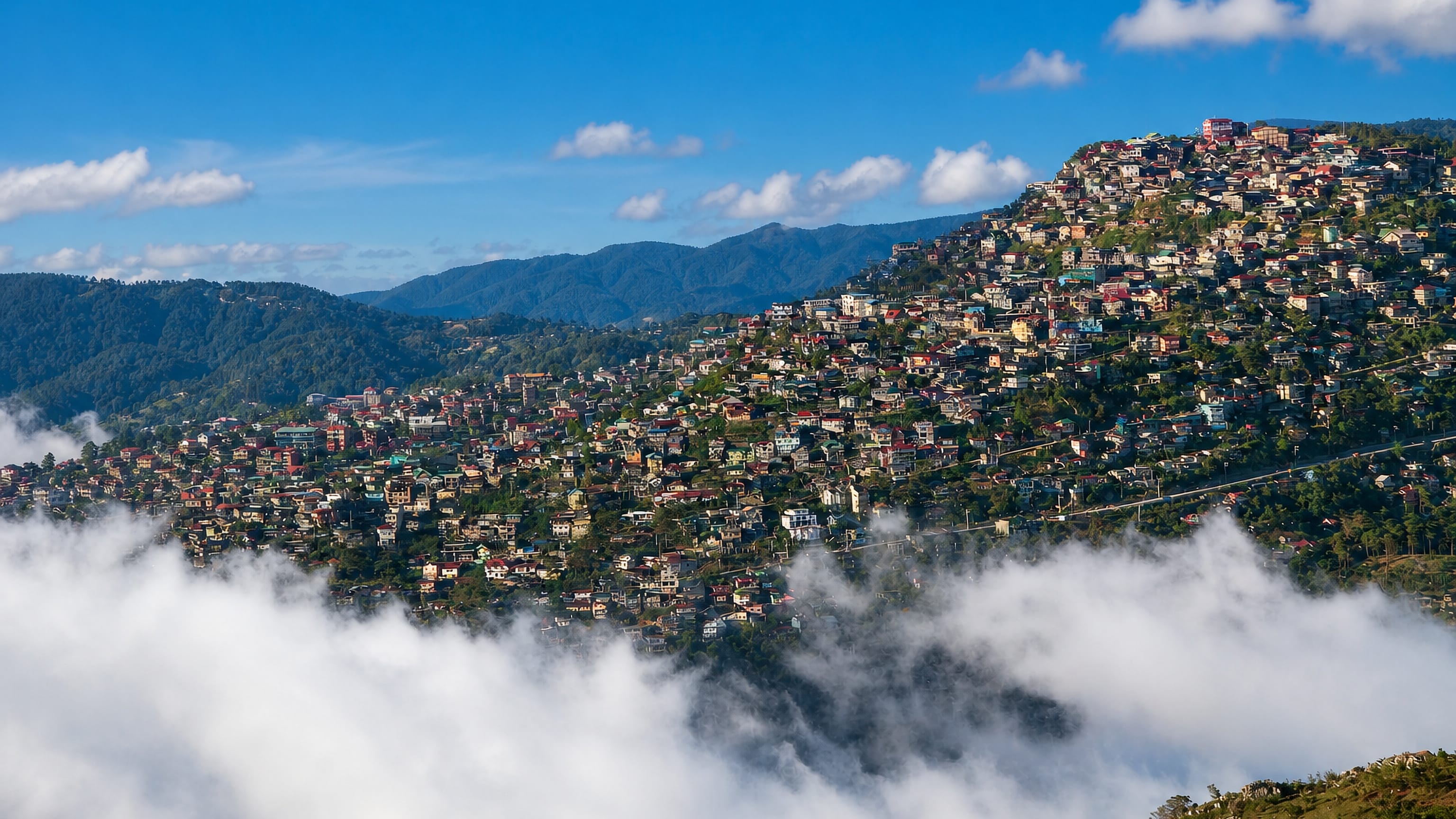
Pine air cools the ridges at Baguio, a highland city of the Cordillera Administrative Region, the Summer Capital of the Philippines and City of Pines.
Hotel links are affiliate links: booking through them may earn us a commission, at no extra cost to you. It never affects how places are ranked. How this works


Where to stay in Baguio
How the choice of base plays out on the ground.
Baguio spreads across the ridges of the province of Benguet, and where you stay depends on how close to the pines and the landmarks you want to be. The city centre gathers the lodging, and from there the highland attractions of the Cordillera Administrative Region are within easy reach. Cool air is the constant here.
Whichever ridge you choose, the pine-scented mountain weather that made Baguio the Summer Capital of the Philippines follows you across the whole city. Stay near the centre if you want the Laperal White House, The Mansion, and the Aguinaldo Museum close at hand, with the shops and streets of the city around you. It suits you if you want everything walkable and the pines never far.
For a quieter base, the slopes toward the Dominican Hill Retreat House and Peredo's Lodging House sit above the busier core, still within the City of Pines. Each area keeps the same highland setting. The choice is really about how close you want to be to the landmarks and the heart of Baguio, high in the Philippines' summer retreat.
Find hotels in Baguio
Direct booking searches for these neighbourhoods.
City centre
The heart of Baguio holds the lodging and puts the Laperal White House, The Mansion, and the Aguinaldo Museum within an easy walk through the City of Pines.Find hotels in City centreQuieter ridge stay above the core by Dominican Hill Retreat HouseDominican Hill slopes
The slopes toward the Dominican Hill Retreat House and Peredo's Lodging House sit above the busier centre, keeping the pine-scented highland calm of Baguio close.Find hotels in Dominican Hill slopesHotel links are affiliate links: booking through them may earn us a commission, at no extra cost to you. It never affects how places are ranked. How this works
About Baguio
What is Baguio known for?
Baguio is known as the Summer Capital of the Philippines, a highland city whose cool mountain weather sets it apart from the tropical lowlands. Pines do the rest. Abundant pine trees on the ridges earned it the nickname City of Pines, and the mountain air draws people up from across the country into the Cordillera Administrative Region.
Landmarks such as The Mansion and the Laperal White House give the city its highland character, high in the province of Benguet.
What are the main landmarks in Baguio?
Baguio's landmarks belong to its highland character in the Cordillera Administrative Region. The Mansion, long an official summer residence, and the Laperal White House stand among the pines, while the Aguinaldo Museum holds the city's heritage. Two more sit above the core.
The Dominican Hill Retreat House and Peredo's Lodging House crown the slopes of the City of Pines, each tied to the mountain setting that made Baguio the Summer Capital of the Philippines.
What is the history of Baguio?
Baguio was founded in 1900, established high in the mountains of what is now the Cordillera Administrative Region. The site was chosen for its cool air. High on pine-covered ridges above the tropical lowlands of the Philippines, the new city grew as a highland retreat, a place to escape the heat, and it took the province of Benguet as its home in the northern mountains.
That founding purpose shaped everything after. Baguio became the Summer Capital of the Philippines, and buildings like The Mansion rose to serve the government's summer needs among the pines. The Laperal White House and other early houses date from this era of highland building.
Landmarks endure from those years. The Dominican Hill Retreat House, Peredo's Lodging House, and the Aguinaldo Museum carry the story of a city built from the start as a mountain refuge, the City of Pines that has held that role since 1900.
Where is Baguio?
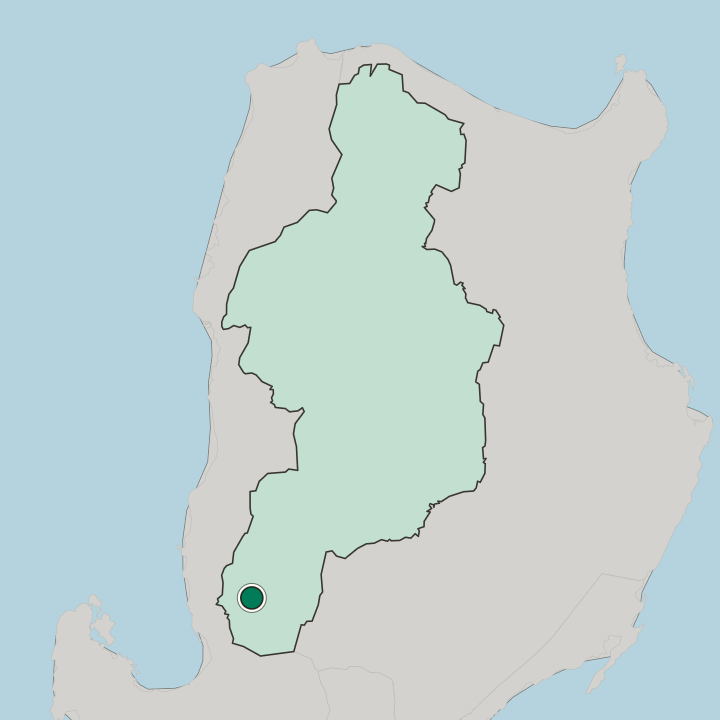
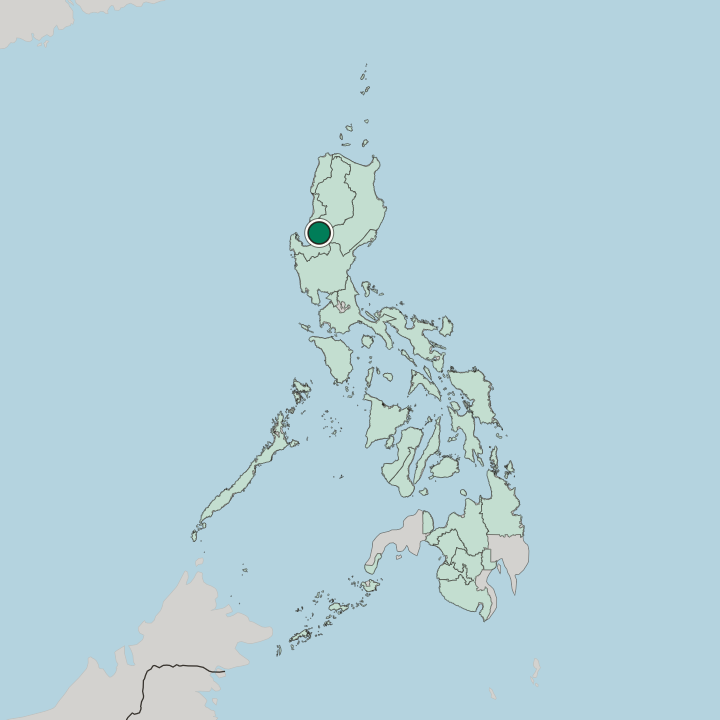
Baguio sits high on the mountain ridges of the province of Benguet, in the Cordillera Administrative Region of the Philippines. Altitude defines it. The city rises well above the tropical lowlands, its slopes covered in the pine trees that give the City of Pines its name, deep in the northern highlands of Luzon.
That mountain setting, cool and elevated, is what lifted Baguio into its role as the Summer Capital of the Philippines.
What is the climate of Baguio?
Baguio has a cool highland climate, mild where the rest of the Philippines runs hot. The pines feel it. High on the mountain ridges of Benguet, the city stays far cooler than the tropical lowlands below, which is exactly why it became the Summer Capital of the Philippines and a retreat from the heat.
Mist and cool air settle over the City of Pines through much of the year, with a wet season and a drier season crossing the highlands of the Cordillera Administrative Region.
How do you get to Baguio?
Baguio is reached by climbing the mountain roads up from the lowlands into the Cordillera Administrative Region. The way is uphill. Routes wind from the coastal plains of the Philippines up through the province of Benguet to the pine-covered ridges where the city sits, gaining height the whole way into the northern highlands.
That mountain climb is part of arriving, delivering travellers into the cool air of the City of Pines.
Common questions
What is the best area to stay in Baguio?
City centre: Walkable pine-cool base by the Laperal White House and The Mansion. Dominican Hill slopes: Quieter ridge stay above the core by Dominican Hill Retreat House.
Good for
Another city in Cordillera Administrative Region
Updated September 2026