Philippines
Cordillera Administrative Region, Philippines — Towns & Travel Guide
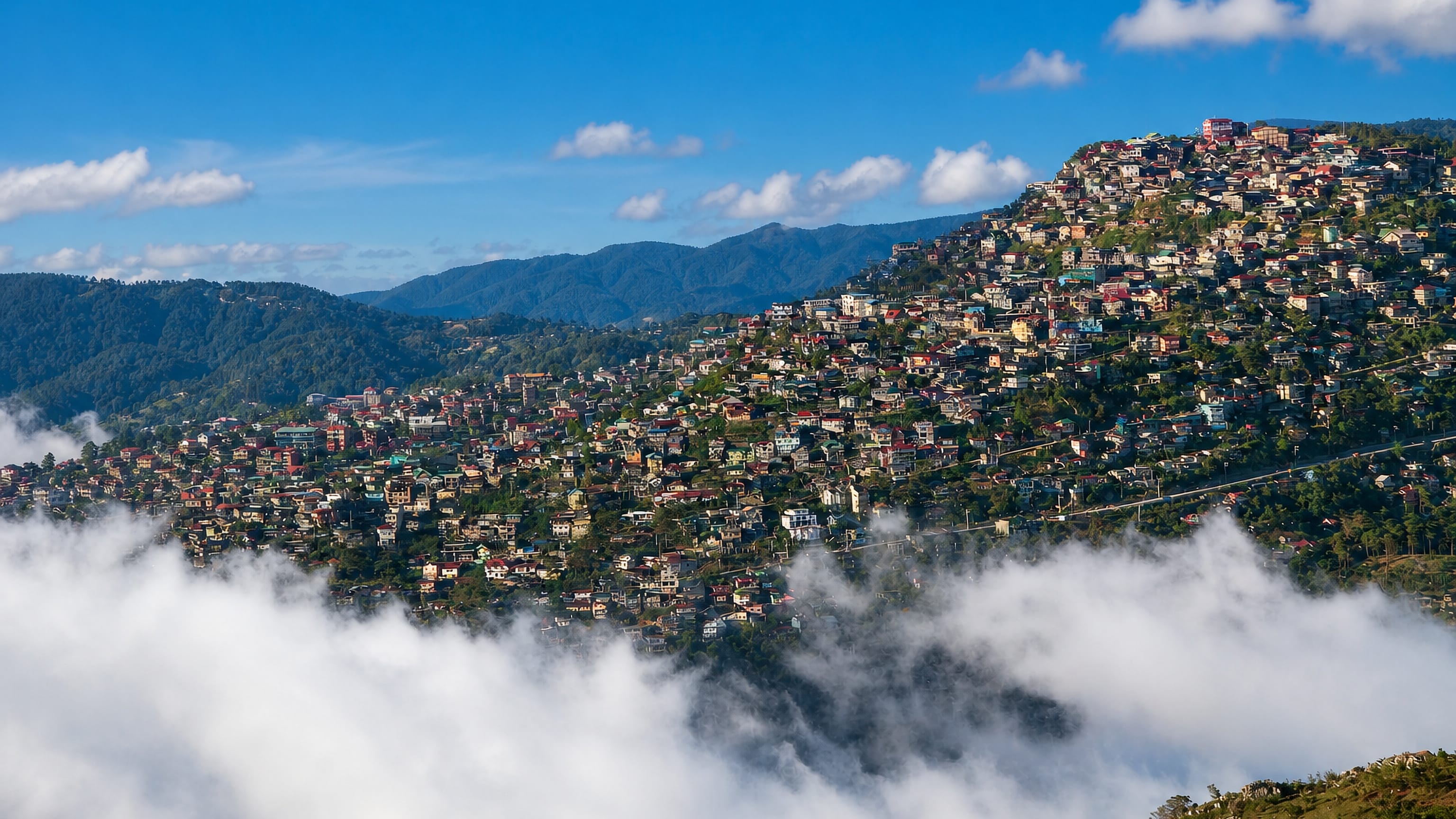
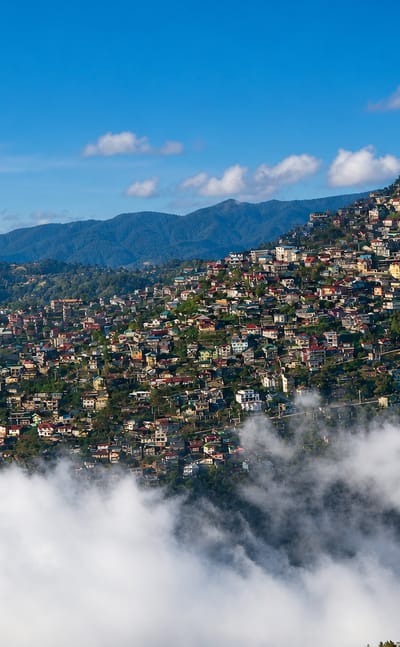
The Cordillera Central fills the Cordillera Administrative Region, the only landlocked region on Luzon in the Philippines, around its hub city, Baguio.
Hotel links are affiliate links: booking through them may earn us a commission, at no extra cost to you. It never affects how places are ranked. How this works


Towns & cities in Cordillera Administrative Region
Pick a town or city — each links to where to stay.
 Philippines
Baguio
Pine air cools the ridges at Baguio, a highland city of the Cordillera Administrative Region, the Summer Capital of the Philippines and City of Pines.Where to stay →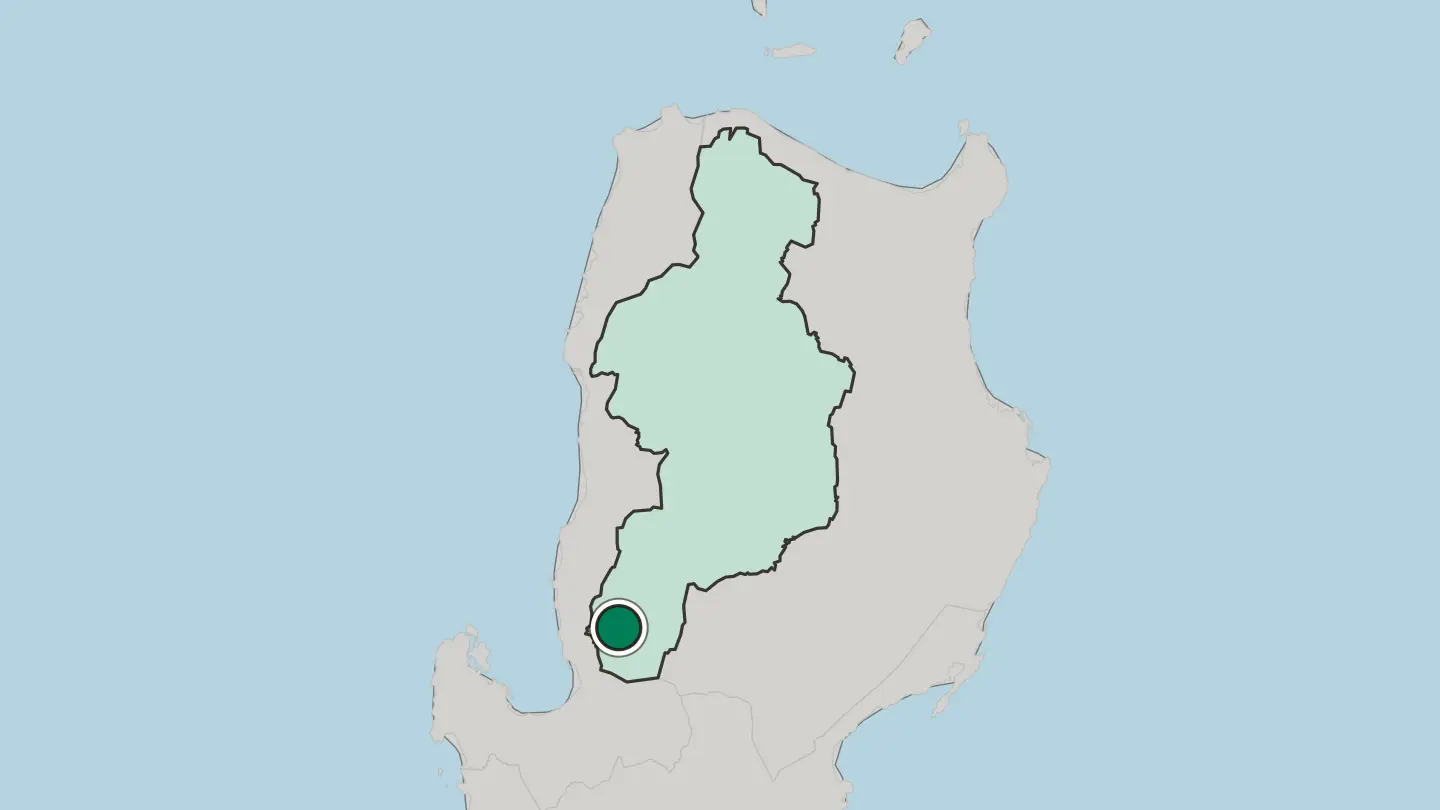
 Philippines
La Trinidad
Capital of Benguet. La Trinidad is a small municipality of the Cordillera Administrative Region, and its visitors mostly come from neighbouring Baguio.Where to stay →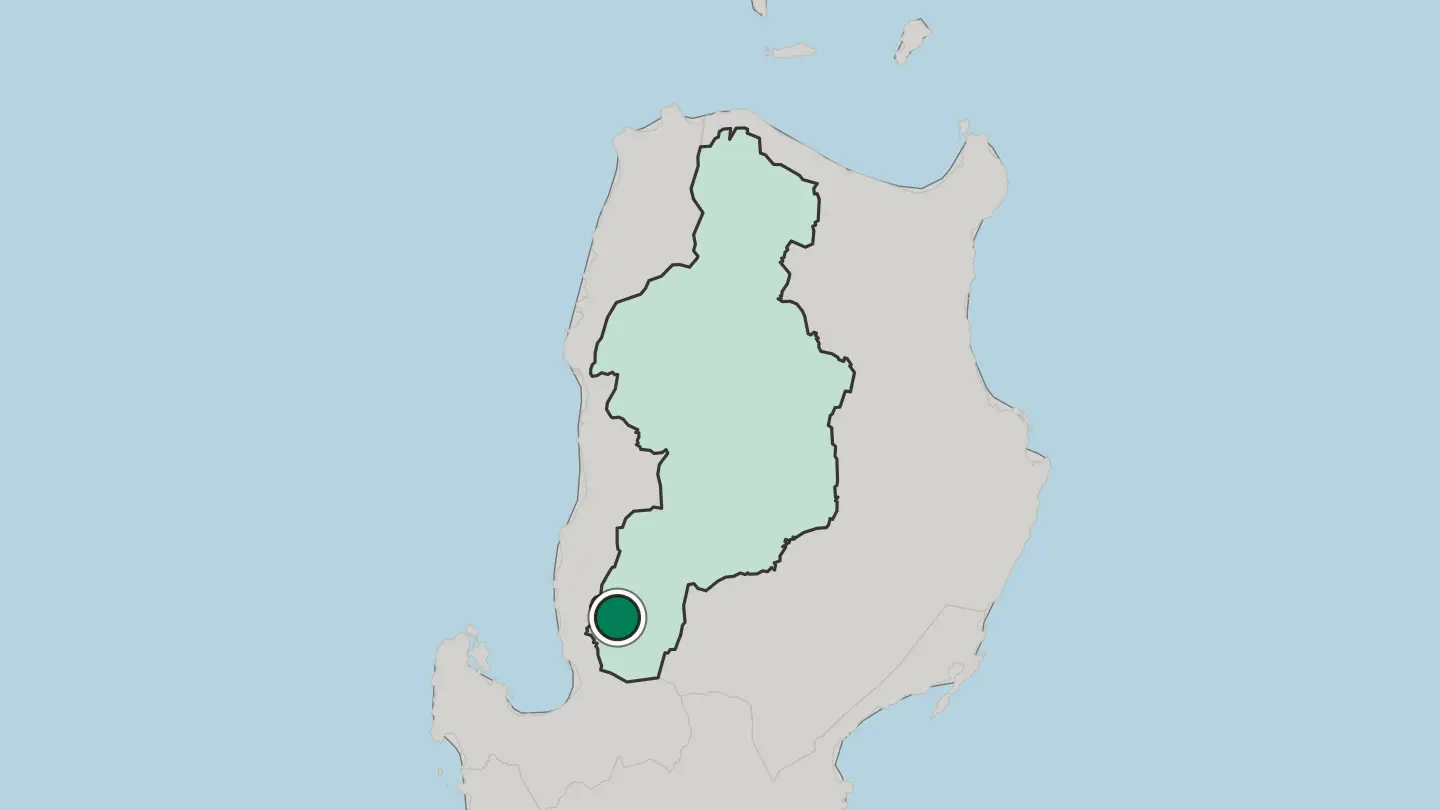
Hotel links are affiliate links: booking through them may earn us a commission, at no extra cost to you. It never affects how places are ranked. How this works
About Cordillera Administrative Region
What is Cordillera Administrative Region known for?
The Cordillera Administrative Region is known as the mountain heartland of northern Luzon, the one part of the Philippine archipelago that touches no sea. Its identity rests on the Cordillera Central, the great range that runs down its spine and carries on west into the nearby Ilocos Region. Highland cool, not tropical heat, defines it.
The summer capital of Baguio sits high on the ridges, drawing visitors up from the lowlands, while the wider Cordillera holds terraced valleys and forest that set it apart from the coastal regions that ring it on every landlocked side.
Where is Cordillera Administrative Region?
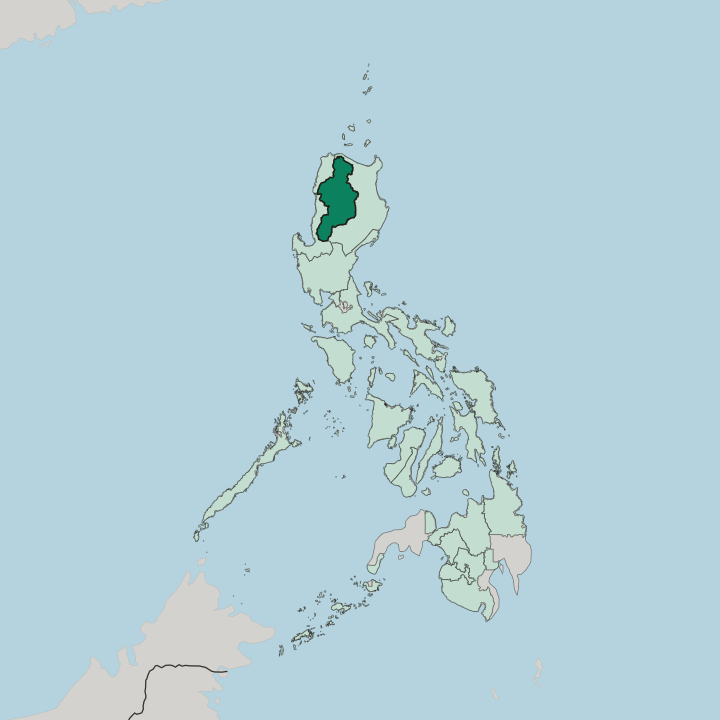
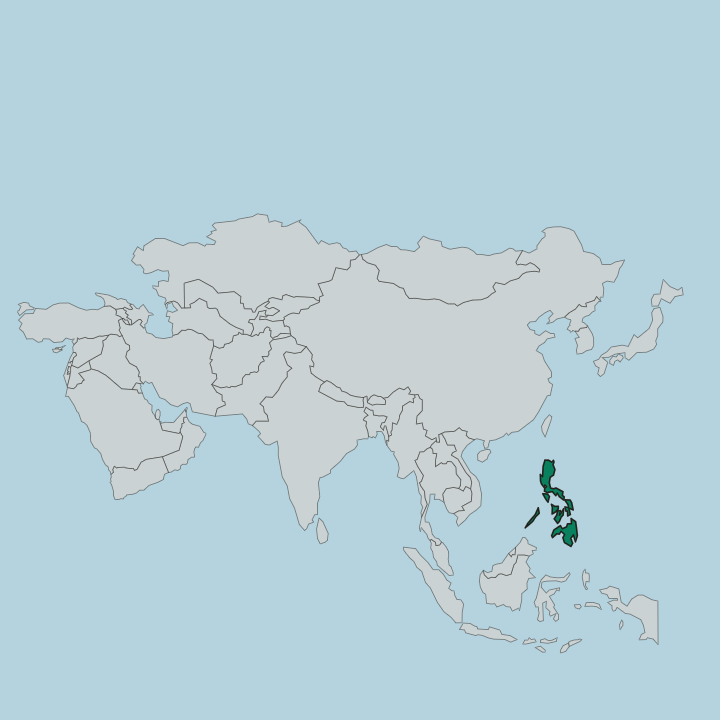
The Cordillera Administrative Region occupies the highlands of northern Luzon, in the Philippines. It stands alone as the archipelago's only landlocked region, its terrain dominated by the Cordillera Central, the mountain range that runs down its length and reaches westward into the adjacent Ilocos Region. That range shapes everything here.
It gives the whole region its high, folded character of ridges, terraced valleys, and forest rather than the flat coastal plains found across most of the country. The region is defined as much by what surrounds it as by what fills it. The Ilocos Region lies to its west and southwest, while the Cagayan Valley Region wraps around it to the north, east, and southeast.
With no coastline of its own, the Cordillera Administrative Region sits entirely inland on the island of Luzon, cut off from the sea on every side. Baguio anchors it. High on the Cordillera Central, the hub city gathers the routes into a region whose isolating mountains give it the cool climate and rugged geography that set it apart from the lowland regions pressing in around it.
What is Cordillera Administrative Region like?
The Cordillera Administrative Region is the upland core of northern Luzon, and its culture is shaped by the mountains rather than the sea. English is a working language across the region, alongside the indigenous highland tongues of the Cordillera Central peoples. Life here runs to the mountains.
It has long been tied to the terraced valleys and forested ridges of the range, a setting that keeps the region distinct from the coastal lowlands of the Ilocos Region and the Cagayan Valley Region that border it. Baguio anchors the region's cultural life. High on the Cordillera Central, the hub city draws people up from across the archipelago for its cool air and highland character, a role it has held since well before the region was formally constituted in 1987.
The wider Cordillera keeps a quieter rhythm, rooted in the highland communities that have farmed the terraced slopes for generations. Being the one landlocked region in the Philippines gives it a self-contained feel. Here the compass points not to a harbour but to the peaks, and the culture of the Cordillera Administrative Region grows out of the mountains that hold it apart from the lowland Luzon around it.
What is the history of Cordillera Administrative Region?
The Cordillera Administrative Region was formally established in 1987, grouping the highland provinces of the Cordillera Central into a single region within the Philippines. The mountains drew the line first. Long before that founding, the peaks of northern Luzon had set these upland communities apart from the coastal lowlands around them, and the new region simply gave administrative shape to an identity the terrain had already carved.
Baguio, already the established summer capital high on the range, became its natural hub.
What is the climate of Cordillera Administrative Region?
The Cordillera Administrative Region has a cool highland climate, a marked contrast to the tropical heat of the lowland Philippines around it. Altitude does the work. The high ridges of the Cordillera Central keep the region far milder than the coastal plains of the neighbouring Ilocos Region, which is exactly why Baguio earned its long-standing role as a summer retreat above the heat.
Mist and cool air settle over the terraced valleys, and the mountains draw a wet season and a drier season across the highland landscape of northern Luzon.
How do you get to Cordillera Administrative Region?
The Cordillera Administrative Region is reached by climbing up from the surrounding lowlands, since it holds no coast or seaport of its own. Roads wind up from the Ilocos Region on the west and southwest, and from the Cagayan Valley Region that wraps around the north, east, and southeast. Baguio is the usual arrival point.
The hub city sits high on the Cordillera Central and gathers the routes that lead the rest of the way into the highlands of northern Luzon.
Common questions
What is the best area to stay in Cordillera Administrative Region?
Baguio: Pine-cool highland base on the Cordillera Central ridges.
Good for
More regions in Philippines
Updated September 2026