Pakistan · Balochistan
Where to Stay in Quetta, Balochistan
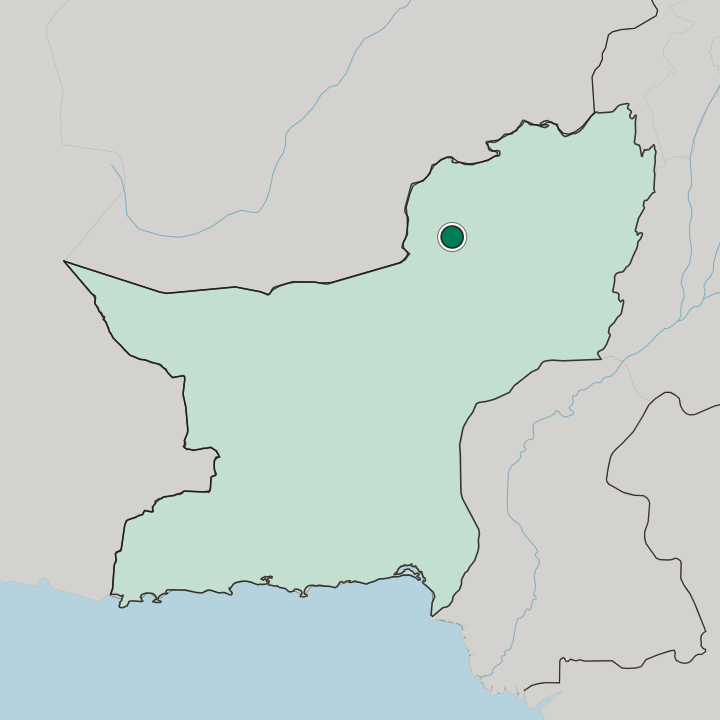
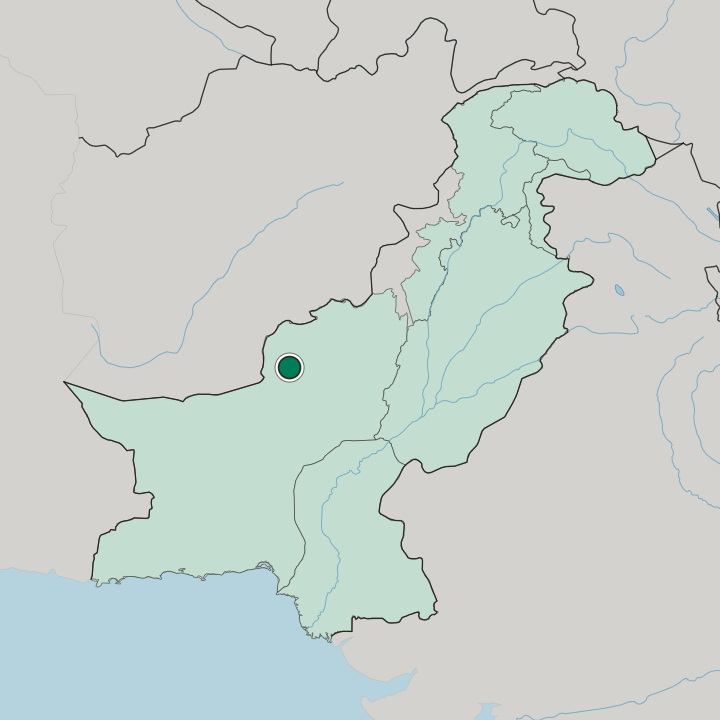
Quetta fills the Quetta Valley, ringed by mountains, capital of Balochistan, founded in 1876 and called the Fruit Garden of Pakistan for its orchards.
Hotel links are affiliate links: booking through them may earn us a commission, at no extra cost to you. It never affects how places are ranked. How this works


Where to stay in Quetta
One neighbourhood here has its own guide — here's what it is best for.
 QuettaPakistan
Hazara Town
Hazara Town is one of Quetta's districts, a Balochistan address that Pakistan records by name without attaching further detail to it.Where to stay →Hotel links are affiliate links: booking through them may earn us a commission, at no extra cost to you. It never affects how places are ranked. How this works
Find hotels in Quetta
Direct booking searches for these neighbourhoods.
Central Quetta by the provincial offices
The valley-floor centre of Quetta, where the province's offices and the fruit trade share the same streetsFind hotels in Central Quetta by the provincial officesDays out to Kili Ghul Mohammad in the Quetta ValleyThe valley out toward Kili Ghul Mohammad
The valley beyond the built-up city, taken for the recorded site rather than the bazaars. Lodging is scarce in this area; reserve in advance.Find hotels in The valley out toward Kili Ghul MohammadHotel links are affiliate links: booking through them may earn us a commission, at no extra cost to you. It never affects how places are ranked. How this works
About Quetta
Orchards gave the city its byname.
What is Quetta known for?
Fruit from the Quetta Valley, fresh and dried alike, is produced in enough variety that the city is called the Fruit Garden of Pakistan, and the description has stuck to it. Altitude is the other fact. No major Pakistani city stands higher, and Quetta's position as the capital of Balochistan puts a provincial government inside that ring of mountains.
What are the main landmarks in Quetta?
One named site is recorded here. Kili Ghul Mohammad sits in the Quetta Valley, and it is the single entry on the city's register of named sites, which puts most of the interest outside the streets themselves. Fruit markets fill the gap.
Quetta trades what the orchards of Balochistan produce, fresh and dried, and the stalls give a visitor more to see in an afternoon than the built environment does.
What is the history of Quetta?
Pashtun tribes held the Quetta Valley before any city stood in it. The Kasi are named among them, and the valley formed part of a cultural and tribal sphere that linked Afghanistan with the interior of Balochistan long before administrative borders cut across it. Kili Ghul Mohammad belongs to that older valley.
It is the single site the city's register keeps, and it carries a name from the valley rather than from the town that took shape in 1876. The city itself dates from 1876. Its expansion came under British colonial rule, which enlarged a settlement in the Quetta Valley into the administrative centre that Balochistan still governs itself from.
Mountains never stopped mattering. Quetta stands higher than any other major city in Pakistan, and a valley floor ringed by mountains is an unusual site for a provincial capital of that size. Orchards did the rest, giving the city the name Fruit Garden of Pakistan for the fresh and dried fruit its region produces.
Istanbul and New Delhi are linked through here by the overland route that avoids Afghanistan, and travellers between Turkey and India have long used it. Urdu is the administrative language.
Where is Quetta?
Mountains close the Quetta Valley on all sides. The city developed on the valley floor, and that enclosure is the single most important thing about its site, since every road in and out has to find a way through the surrounding heights. Elevation is the second.
Quetta stands higher than Pakistan's other major cities, which puts a subtropical band on the map at odds with what the ground actually delivers.
What is the climate of Quetta?
The ring of mountains does the work here. Height rather than the subtropical band decides Quetta's year, and a valley floor this far above sea level runs colder in winter and easier in summer than the rest of Balochistan does. Orchards depend on that.
The fresh and dried fruit the city is known for come from a growing season the lower country around Balochistan cannot reproduce.
How do you get to Quetta?
Everything arrives through a pass. The mountains around the Quetta Valley leave a limited number of ways in, so the roads in and out funnel through the same gaps, and that is as true for freight as for the overland travellers. Istanbul to New Delhi passes here.
The route that avoids Afghanistan runs through Quetta by necessity, which links Turkey and India across Balochistan whether or not the city is anyone's destination.
Common questions
What is the best area to stay in Quetta?
Central Quetta by the provincial offices: Business with Balochistan's provincial government and the fruit markets. The valley out toward Kili Ghul Mohammad: Days out to Kili Ghul Mohammad in the Quetta Valley.
Good for
Another city in Balochistan
Updated September 2026