Poland · Lubusz Voivodeship
Where to Stay in Gorzów Wielkopolski, Lubusz Voivodeship
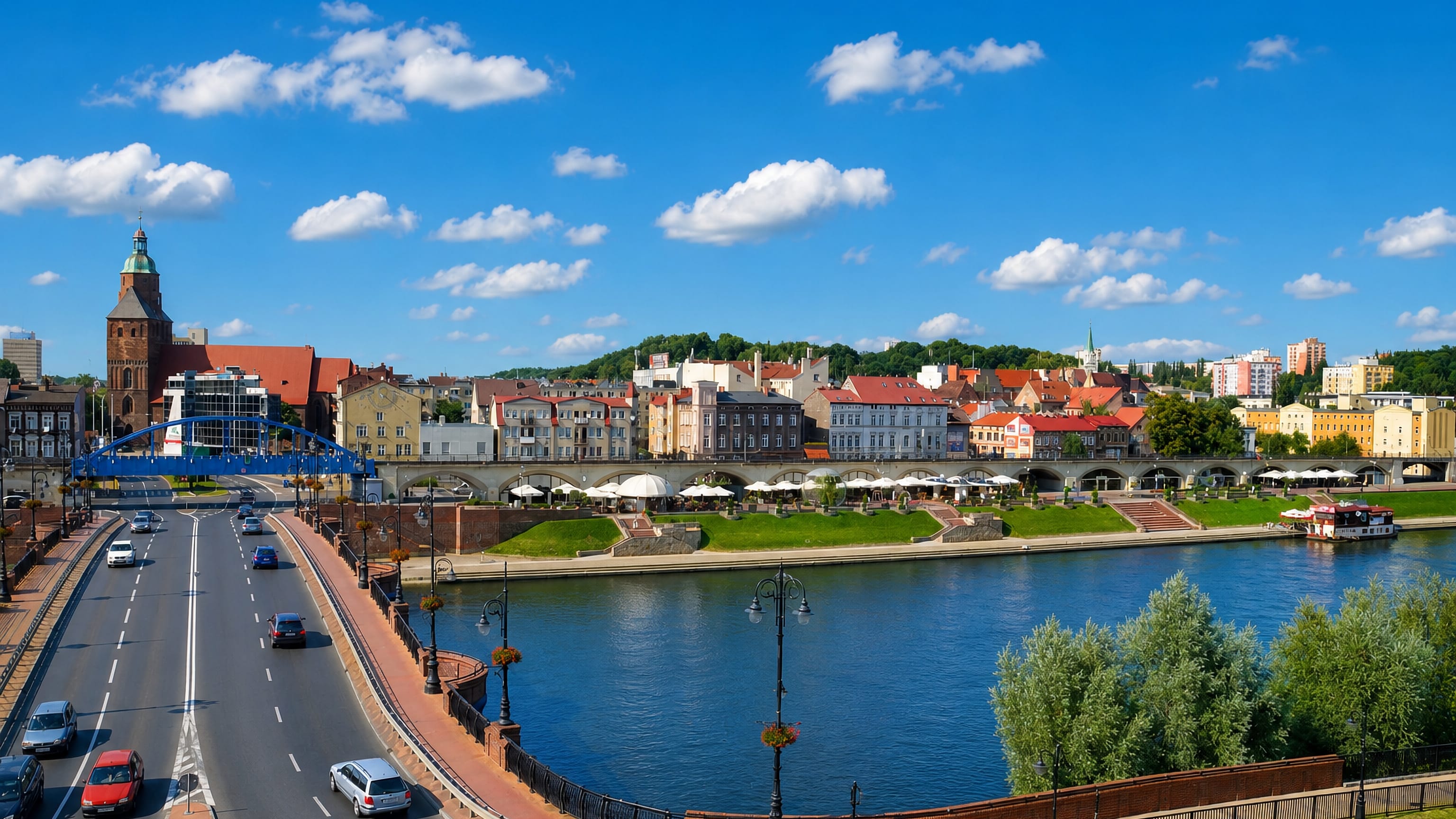
Gorzów Wielkopolski is a city on the Warta in western Poland, a capital of Lubusz Voivodeship gathered around St. Mary's Cathedral.
Hotel links are affiliate links: booking through them may earn us a commission, at no extra cost to you. It never affects how places are ranked. How this works


Where to stay in Gorzów Wielkopolski
The practical side of choosing where to sleep.
Where you stay in Gorzów means the centre, for most visitors. The old town around St. Mary's Cathedral and the Muzeum Lubuskie keeps the churches and the market streets within a short walk, and it suits anyone here for the history rather than the road. The centre stays walkable and calm.
Rooms sit close to the river and the cathedral square. Along the Warta, the city opens into greener, quieter ground. A room by the river trades the cathedral streets for parkland and the water's edge, a short walk or ride from the Church of the Holy Trinity and the old core.
Evenings run gentle by the water. If you want the churches and the museum, stay in the centre; if you want the river and the quiet, take a room by the Warta. Either way, Gorzów is small enough to walk.
Find hotels in Gorzów Wielkopolski
Direct booking searches for these neighbourhoods.
Old centre
Around St. Mary's Cathedral and the Muzeum Lubuskie, within a short walk of the market streets and the riverFind hotels in Old centreQuieter stays wanting the river and the parksWarta riverside
Along the Warta near the Church of the Holy Trinity, with waterside parkland and calmer streetsFind hotels in Warta riversideHotel links are affiliate links: booking through them may earn us a commission, at no extra cost to you. It never affects how places are ranked. How this works
Things to do in Gorzów Wielkopolski
Ranked by global recognition; descriptions from Wikidata (CC0).
Museums & Galleries
1- Muzeum Lubuskie im. Jana Dekerta w Gorzowie Wielkopolskim
Churches & Religious Sites
7- St. Mary's Cathedral Heritage
- Saint Anthony of Padua and Saint Stanislaus Kostka Church in Gorzów Wielkopolski Heritage
- Christ the King Church in Gorzów Wielkopolski Heritage
- Exaltation of the Holy Cross church in Gorzów Wielkopolski Heritage
- Immaculate Conception church in Gorzów Wielkopolski Heritage
Show 2 more →
- Oblates of Mary Immaculate monastery in Gorzów Wielkopolski Heritage
- Saint Joseph church in Wawrów Heritage
Castles & Historic Sites
2- Monument to Edward Jancarz
- Gorzów August '82 in Gorzów Wielkopolski
Stadiums & Sports
2- Hala PWSZ w Gorzowie Wielkopolskim
- Hala ZS nr 20 w Gorzowie Wielkopolskim
Landmarks & Notable Places
5- 25 Teatralna Street in Gorzów Wielkopolski Heritage
- Public baths in Gorzów Wielkopolski Heritage
- 3 Jagiełły Street in Gorzów Wielkopolski Heritage
- 8 Obotrycka Street in Gorzów Wielkopolski Heritage
- 16 Walczaka Street in Gorzów Wielkopolski Heritage
worth knowingacross 5 categories in Gorzów Wielkopolski
About Gorzów Wielkopolski
Gorzów stands on the Warta.
What is Gorzów Wielkopolski known for?
One of the two capitals of Lubusz Voivodeship in western Poland, the city grew along the river around the brick mass of St. Mary's Cathedral, and its speedway riders have carried its name across the country. A monument honours the rider Edward Jancarz. The river runs through everything.
What are the main landmarks in Gorzów Wielkopolski?
St. Mary's Cathedral dominates the old town. Its brick tower rises over the streets by the Warta, the oldest of the city's churches, joined by the Church of the Holy Trinity and Christ the King Church across the centre. The Muzeum Lubuskie holds the region's story.
Quieter marks remain too, from the old Jewish cemetery to the monument to Edward Jancarz.
What is the history of Gorzów Wielkopolski?
Gorzów dates to 1257. A town chartered on the Warta, it took shape in the medieval centuries. St. Mary's Cathedral rose from that age, its brick Gothic bulk still the mark of the old core, and churches multiplied around it as the town grew.
Merchants and craftsmen worked the river trade, and the settlement spread slowly along both banks. The market and the churches clustered on the higher bank, safe above the water that both fed and threatened the town. The centuries left many faiths in the streets.
Catholic churches like the Church of the Holy Trinity stand near the quiet Jewish cemetery, a reminder of a community that once shared the town and is gone. War and shifting borders remade Gorzów in the modern era, and it became a regional capital of Lubusz Voivodeship, its story gathered in the Muzeum Lubuskie. Sport gave it another name, and a monument to the rider Edward Jancarz stands for the city's speedway years.
Old brick and new borders meet on the Warta.
Where is Gorzów Wielkopolski?
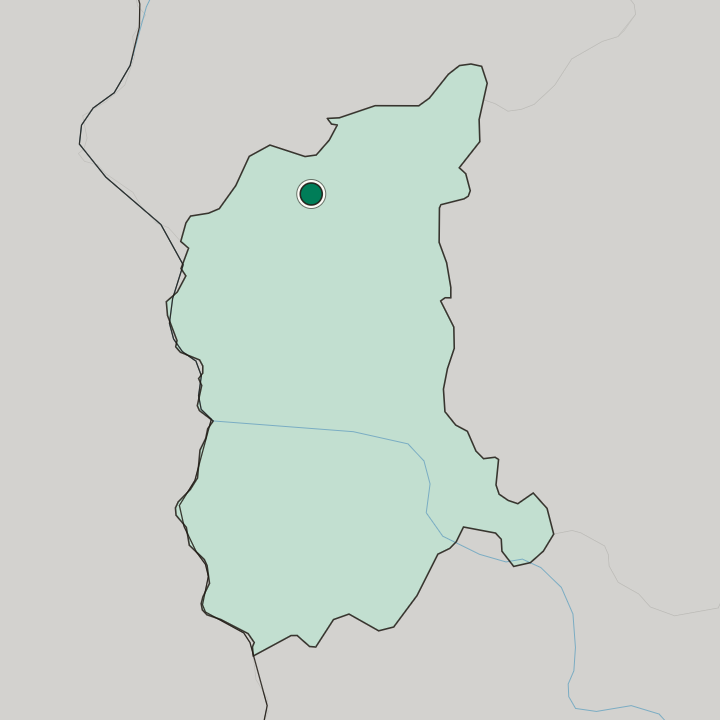
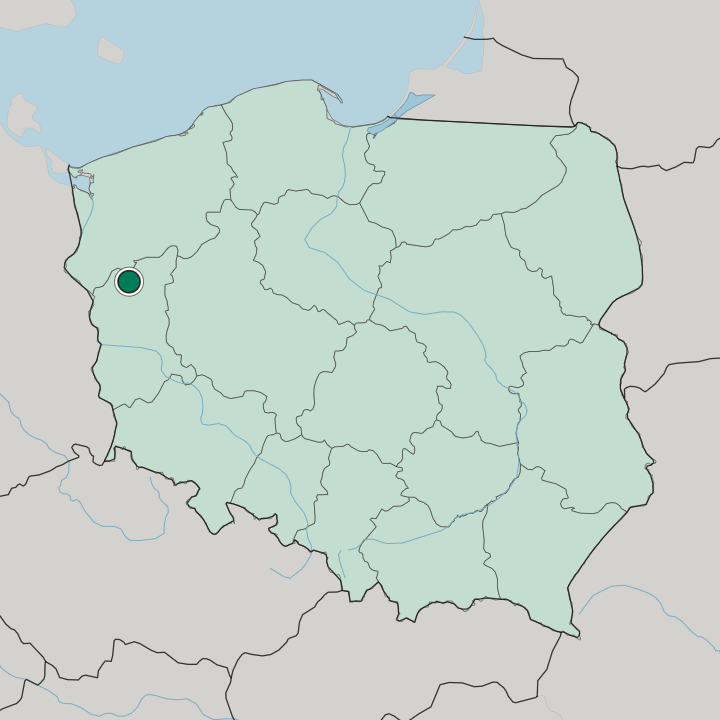
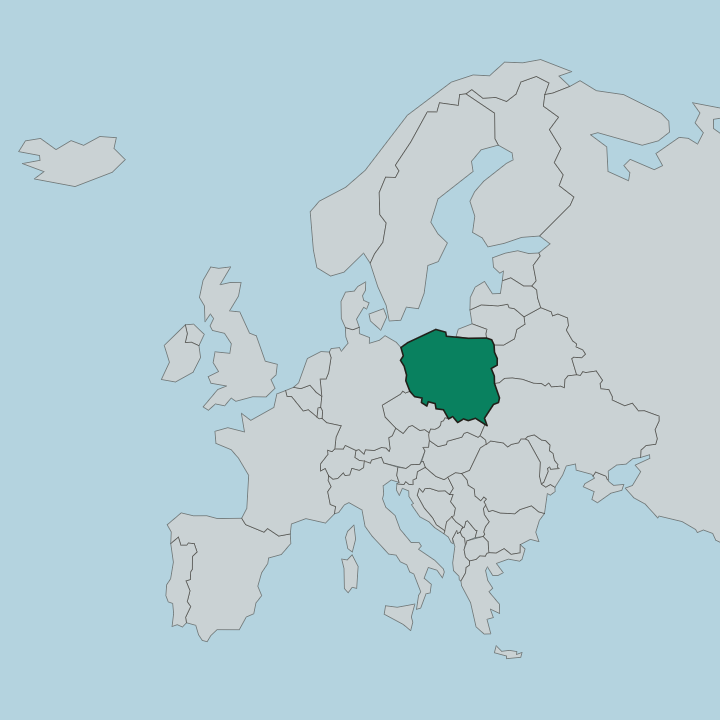
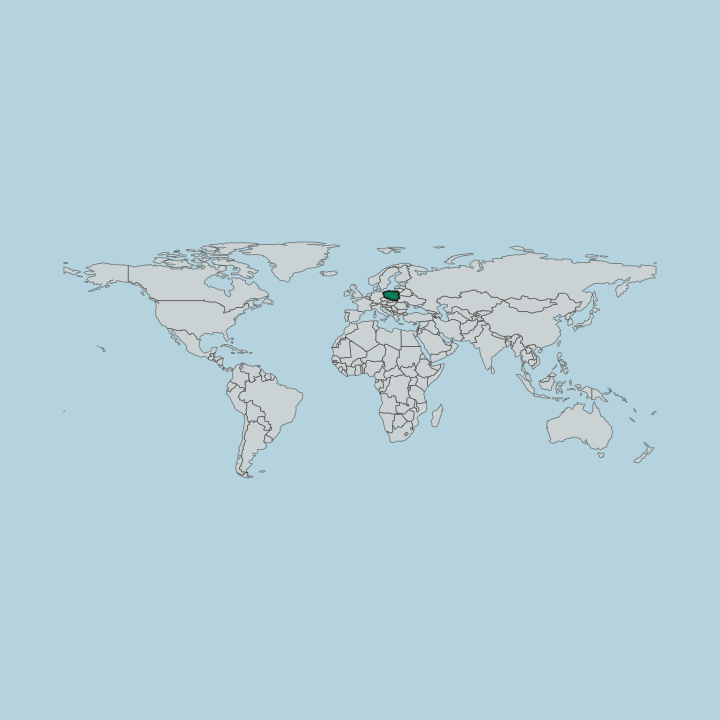
The Warta bends through the city. Gorzów spreads across both banks in the far west of Poland, close to the German border, where the river valley cuts through low country and pine forest. Bridges tie the two halves together.
Water and woodland frame the whole town from edge to edge.
What is the climate of Gorzów Wielkopolski?
Gorzów keeps a mild western climate. Sheltered from the harshest continental cold by its position near the German plain, the city sees cool, damp winters and warm summers, with rain spread through the year. Snow seldom lingers long.
The Warta rarely freezes hard.
How do you get to Gorzów Wielkopolski?
Gorzów sits on the western roads. Rail and highway run east toward the Polish interior and west toward the German border, making the city a stop between the frontier and the heart of Poland, while local lines follow the Warta valley. Buses serve the region around.
Most arrive overland from either side of the border.
Common questions
What is the best area to stay in Gorzów Wielkopolski?
Old centre: Visitors here for the cathedral, churches, and the Lubusz Museum. Warta riverside: Quieter stays wanting the river and the parks.
Good for
Another city in Lubusz Voivodeship
Updated October 2026