Poland · Lubusz Voivodeship
Where to Stay in Zielona Góra, Lubusz Voivodeship
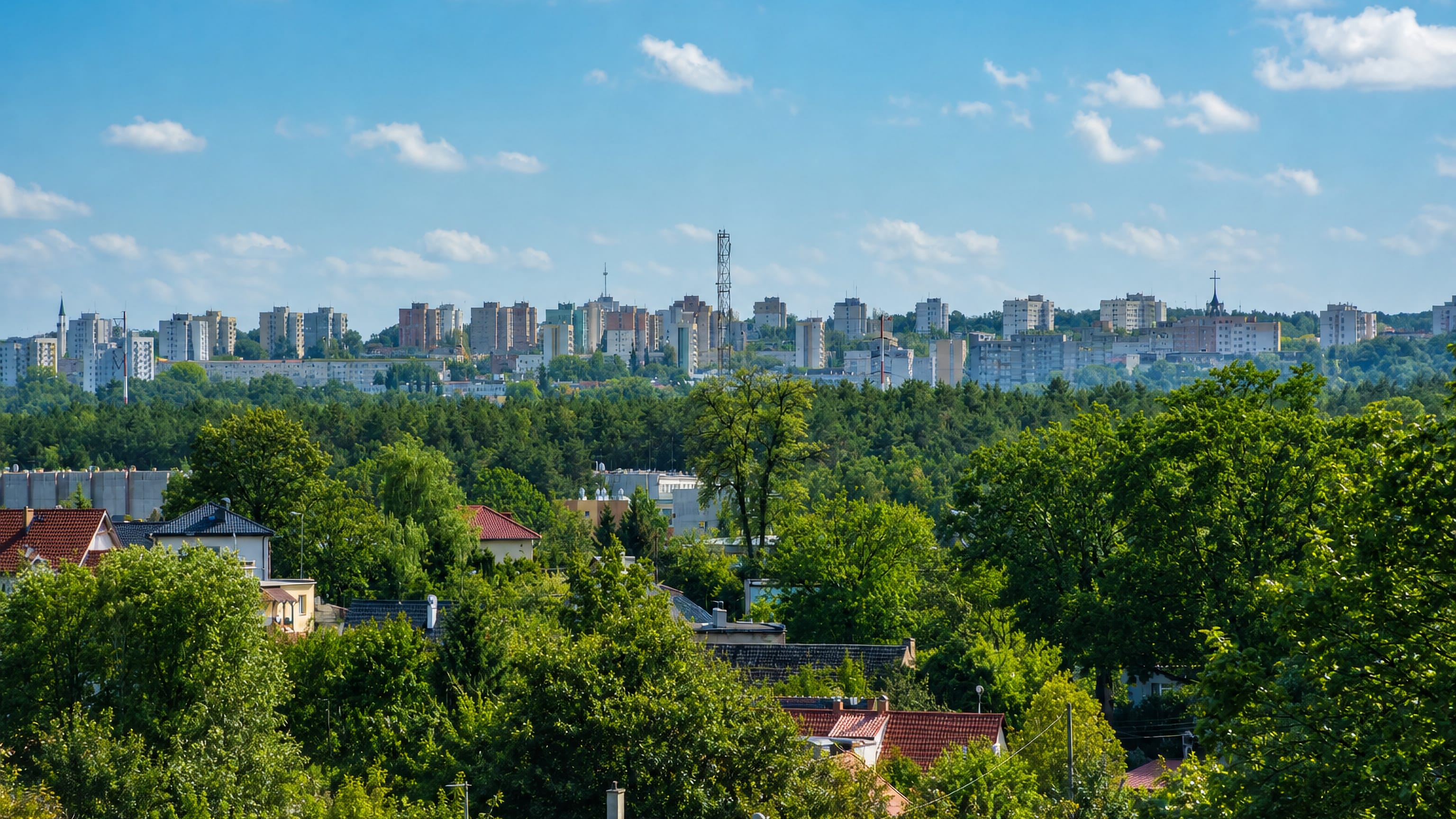
Vineyards climb the hills of Zielona Góra, the wine city of western Poland and a seat of the Lubusz Voivodeship, gathered below Saint Hedwig Cathedral.
Hotel links are affiliate links: booking through them may earn us a commission, at no extra cost to you. It never affects how places are ranked. How this works


Where to stay in Zielona Góra
How the choice of base plays out on the ground.
Zielona Góra keeps most of its lodging in and around the pedestrian old town below the vineyards. The old market square is the centre. Beds gather near the square and the Łazienna Tower, within a short walk of Saint Hedwig Cathedral and the Lubuski Teatr that draw people into the heart of the city.
Stay here to reach the museums and the wine cellars on foot. Streets around the Muzeum Ziemi Lubuskiej put the city's wine story within easy reach, and the Braniborska Tower rises just beyond. Pick this for the historic core.
Quieter, greener beds sit toward the hill edges where the vineyards climb the slopes above the town. Rail and road tie Zielona Góra into the Lubusz Voivodeship around it. Choose the square for the sights; choose the vineyard hills for calm.
Find hotels in Zielona Góra
Direct booking searches for these neighbourhoods.
Old market square
The pedestrian heart of Zielona Góra around the market square and the Łazienna Tower, steps from Saint Hedwig Cathedral and the Lubuski Teatr.Find hotels in Old market squareQuiet nights above the vinesVineyard hills
The hillside edges of Zielona Góra where the vineyards climb the slopes and the Braniborska Tower overlooks the wine country.Find hotels in Vineyard hillsHotel links are affiliate links: booking through them may earn us a commission, at no extra cost to you. It never affects how places are ranked. How this works
Things to do in Zielona Góra
Ranked by global recognition; descriptions from Wikidata (CC0).
Churches & Religious Sites
6- Saint Hedwig Cathedral in Zielona Góra Heritage
- Our Lady of Częstochowa church in Zielona Góra Heritage
- Salvator church in Zielona Góra Heritage
- Chapel of the Nativity of the Virgin Mary in Zielona Góra Heritage
- Lutheran church in Zielona Góra Heritage
Show 1 more →
- Polish Catholic church in Zielona Góra Heritage
Castles & Historic Sites
3- Statue of Saint Urban in Zielona Góra
- Pomnik Matki Sybiraczki w Zielonej Górze
- Pomnik Dobosza w Zielonej Górze
Nature & Outdoors
1- Mini Zoo Zielona Góra
Stadiums & Sports
1- CRS Hall Zielona Góra
Landmarks & Notable Places
6- Lubuski Teatr Heritage
- 78 Jedności Street in Zielona Góra Heritage
- 1 Bankowa Street in Zielona Góra Heritage
- 6 Bankowa Street in Zielona Góra Heritage
- 5 Bankowa Street in Zielona Góra Heritage
Show 1 more →
- Łazienna Tower in Zielona Góra Heritage
worth knowingacross 5 categories in Zielona Góra
About Zielona Góra
What is Zielona Góra known for?
Zielona Góra is known as the wine capital of Poland and the northernmost wine-growing region in Europe. Vineyards ring the city on its low hills, and the autumn Winobranie festival marks the grape harvest each year with parades and tastings across the old town. Wine defines it.
Saint Hedwig Cathedral rises over the centre, and the Braniborska Tower stands as a viewpoint above the vines. As a seat of the Lubusz Voivodeship, it shares that role with Gorzów Wielkopolski.
What are the main landmarks in Zielona Góra?
Zielona Góra's landmarks gather around the old town and its towers. Saint Hedwig Cathedral rises at the centre, and the Łazienna Tower and Braniborska Tower survive from the old defences that once ringed the medieval town on its hill. Drama fills the Lubuski Teatr.
The Muzeum Ziemi Lubuskiej sets out the region's story and its wine tradition, while the Statue of Saint Urban honours the patron of vintners above the streets.
What is the history of Zielona Góra?
Zielona Góra grew up on the wine-growing hills of what is now western Poland, its name marking the green rise above the plain. Vines shaped it early. Growers planted the slopes around the town from the Middle Ages onward, making this the northernmost wine country in Europe and building a trade that outlasted every change of ruler.
Saint Hedwig Cathedral and the town's brick towers rose within the medieval walls, and the Łazienna Tower and Braniborska Tower still mark that circuit. The region passed between powers over the centuries, and a German era left its own layer on the streets. Borders shifted after the wars.
Zielona Góra endured. It became a seat of the Lubusz Voivodeship, sharing the province's capital duties with Gorzów Wielkopolski, and its autumn Winobranie festival still carries the old harvest into the present.
Where is Zielona Góra?
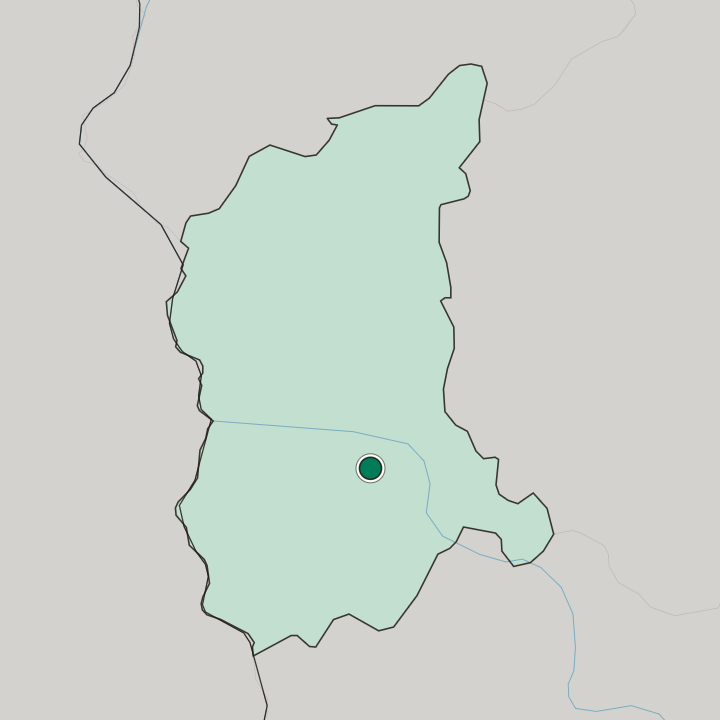
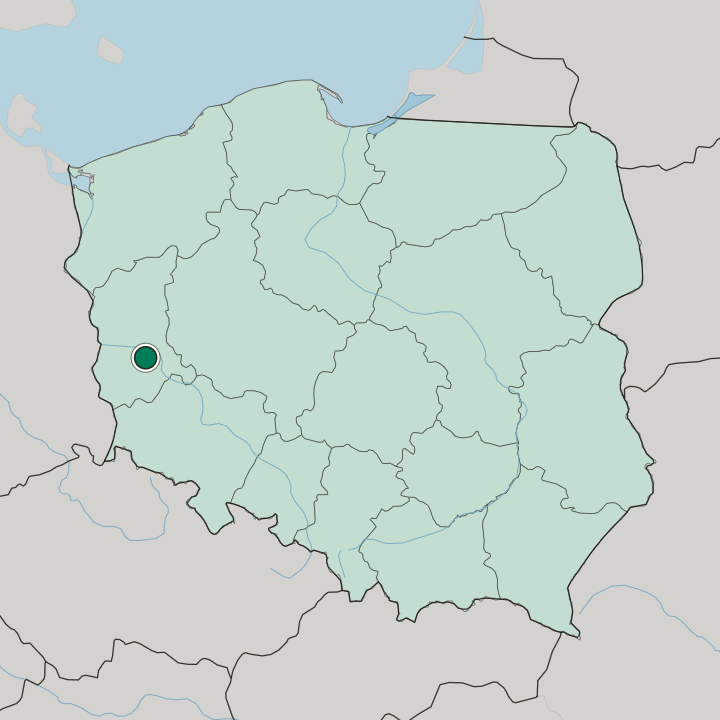
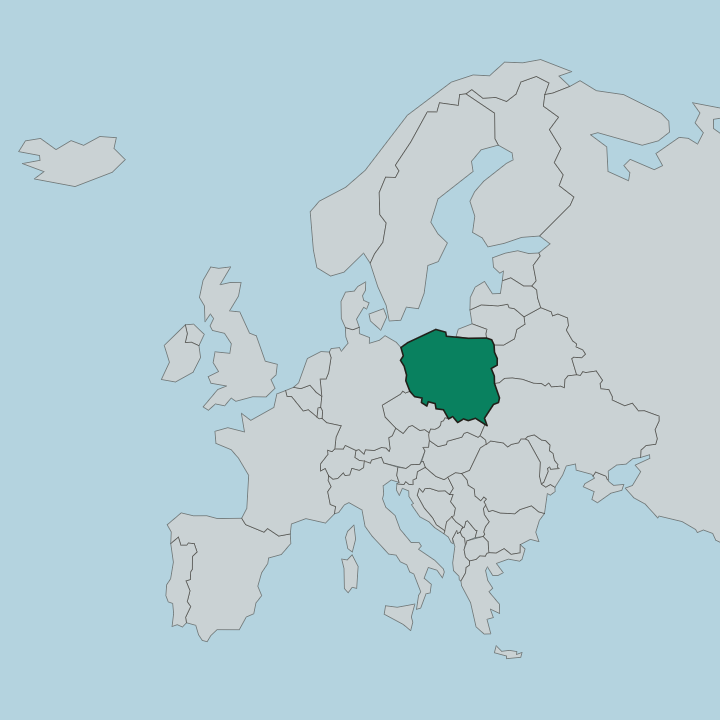
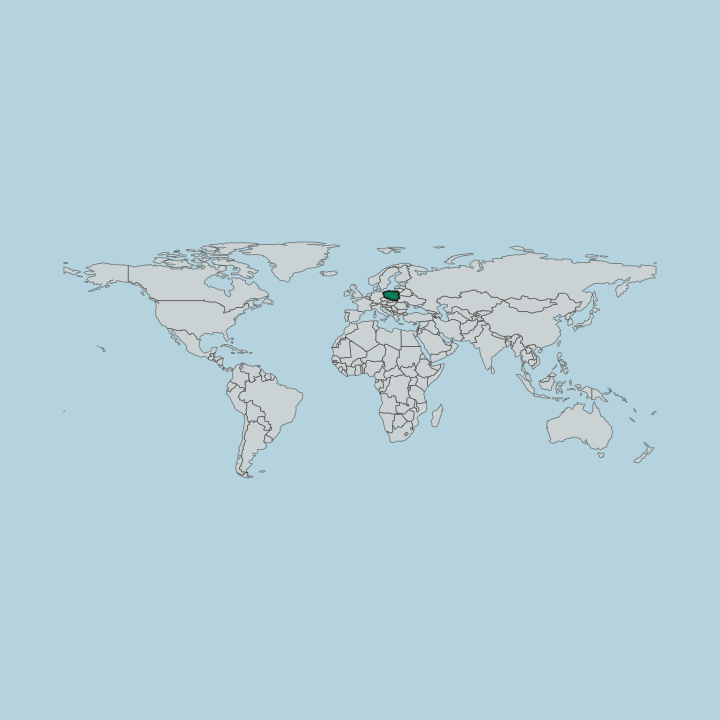
Zielona Góra lies in western Poland, on a band of low hills near the country's western frontier. The city takes its name, meaning green mountain, from the vineyard-covered rise it sits below. Woods and cultivated slopes surround it across the Lubusz Voivodeship.
The vines favour these hills. Their south-facing terraces catch enough sun to ripen grapes this far north.
What is the climate of Zielona Góra?
Zielona Góra has one of the mildest, sunniest climates in Poland, which is what lets its vineyards thrive. Winters stay relatively gentle. Lying in the west of the country away from the harsher continental cold, the city sees warm summers and enough sun on its south-facing hills to ripen grapes at Europe's northern wine limit.
Rain falls mostly in the warm months. Spring comes early to the slopes.
How do you get to Zielona Góra?
Zielona Góra sits on the road and rail routes of the Lubusz Voivodeship in western Poland, near the German frontier. Trains reach the central station from Poznań and Wrocław, linking the city eastward into the rest of the country. A small regional airport lies just outside the city.
Roads run out through the vineyard hills. The frontier with Germany sits a short drive to the west.
Common questions
What is the best area to stay in Zielona Góra?
Old market square: Cathedral, theatre and cellars on foot. Vineyard hills: Quiet nights above the vines.
Good for
Another city in Lubusz Voivodeship
Updated October 2026