Poland
Lubusz Voivodeship, Poland — Towns & Travel Guide
Lubusz Voivodeship is Poland's most forested region, a quiet corner of pine woods, lakes and vineyards on the German border.
Hotel links are affiliate links: booking through them may earn us a commission, at no extra cost to you. It never affects how places are ranked. How this works


Towns & cities in Lubusz Voivodeship
Pick a town or city — each links to where to stay.
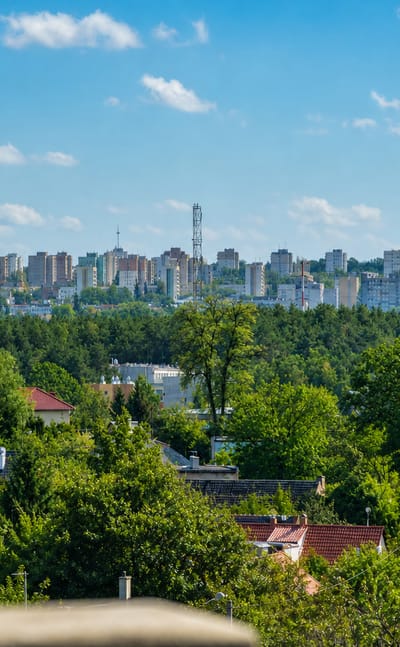
 Poland
Zielona Góra
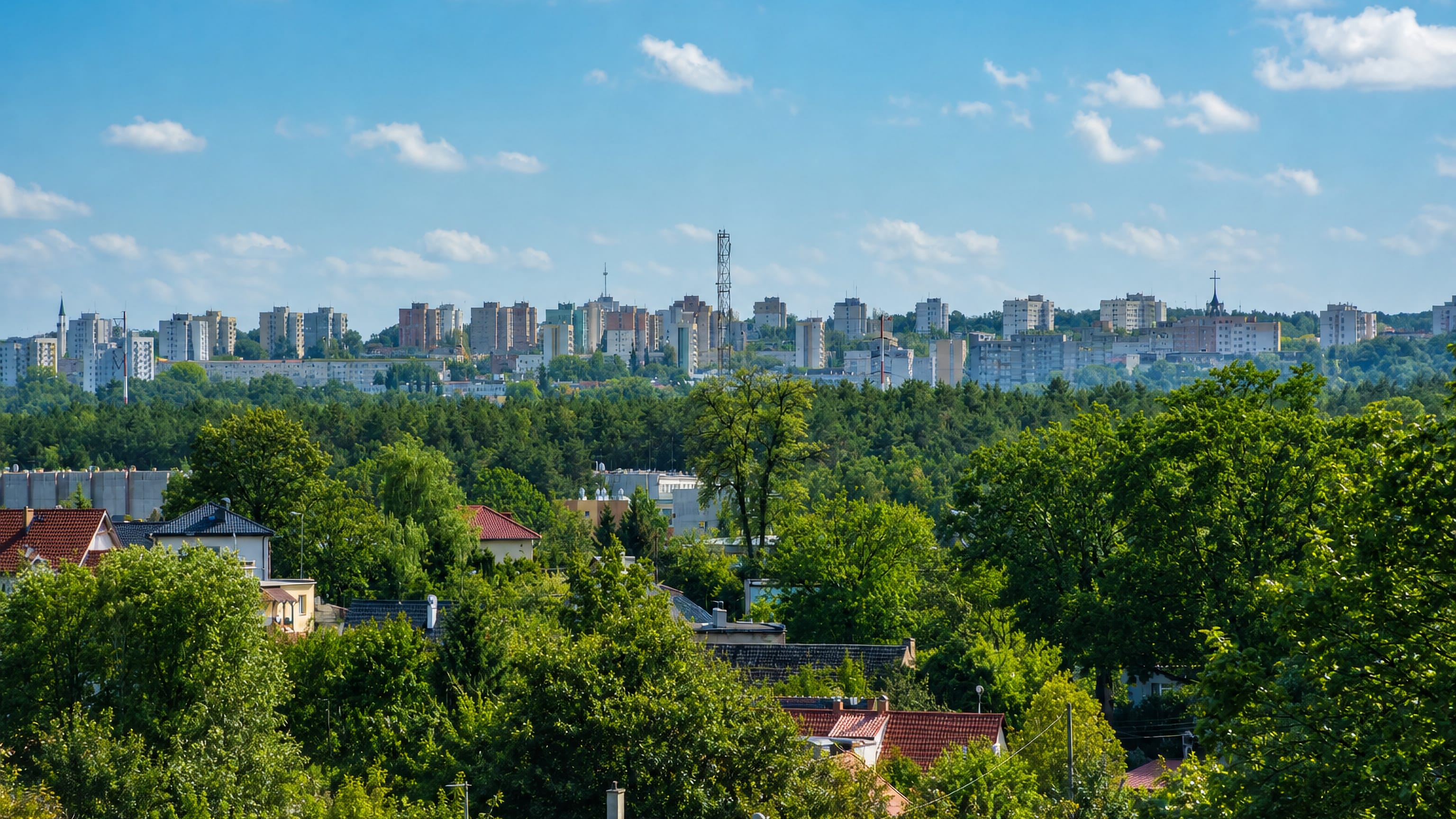
Vineyards climb the hills of Zielona Góra, the wine city of western Poland and a seat of the Lubusz Voivodeship, gathered below Saint Hedwig Cathedral.Where to stay →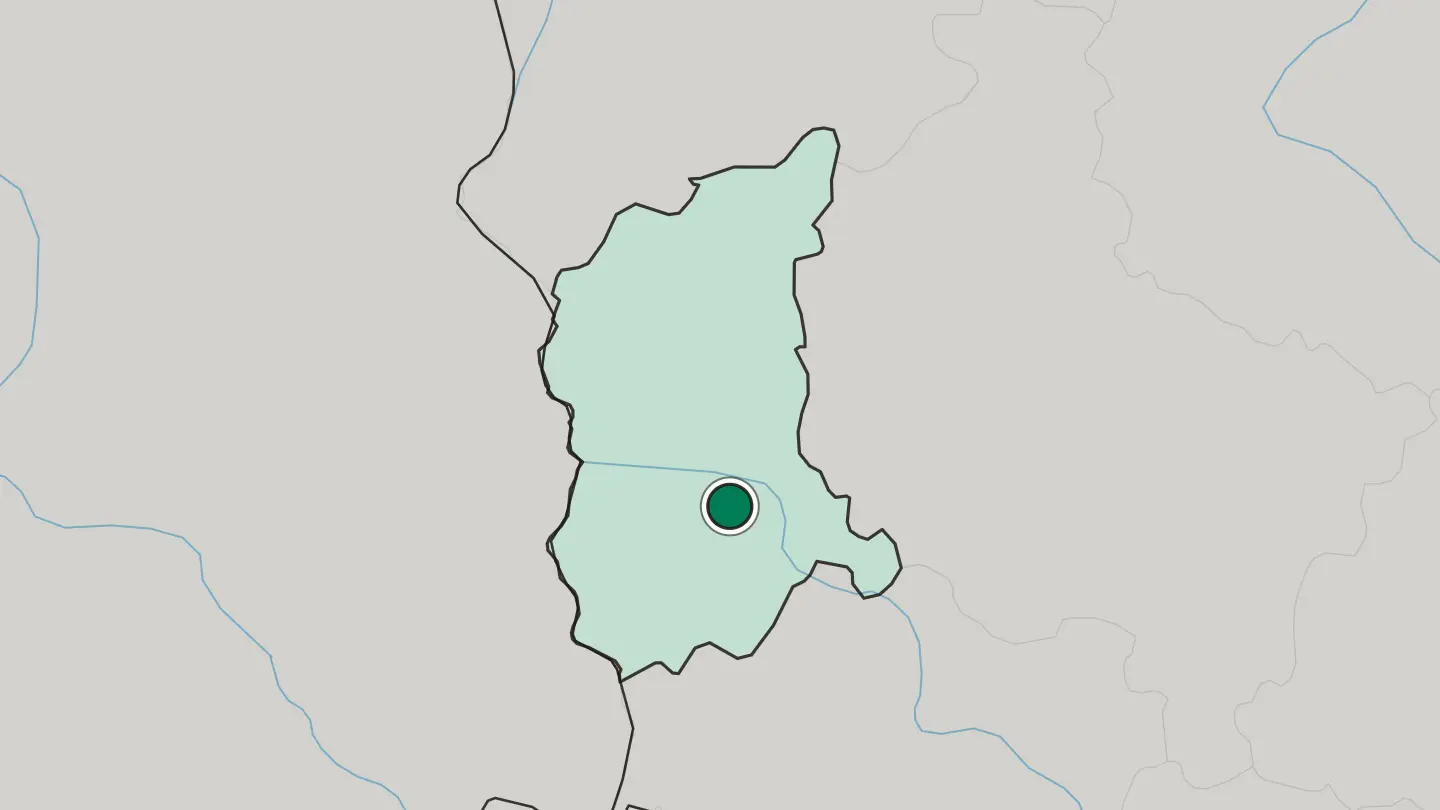
 Poland
Gorzów Wielkopolski
Gorzów Wielkopolski is a city on the Warta in western Poland, a capital of Lubusz Voivodeship gathered around St. Mary's Cathedral.Where to stay →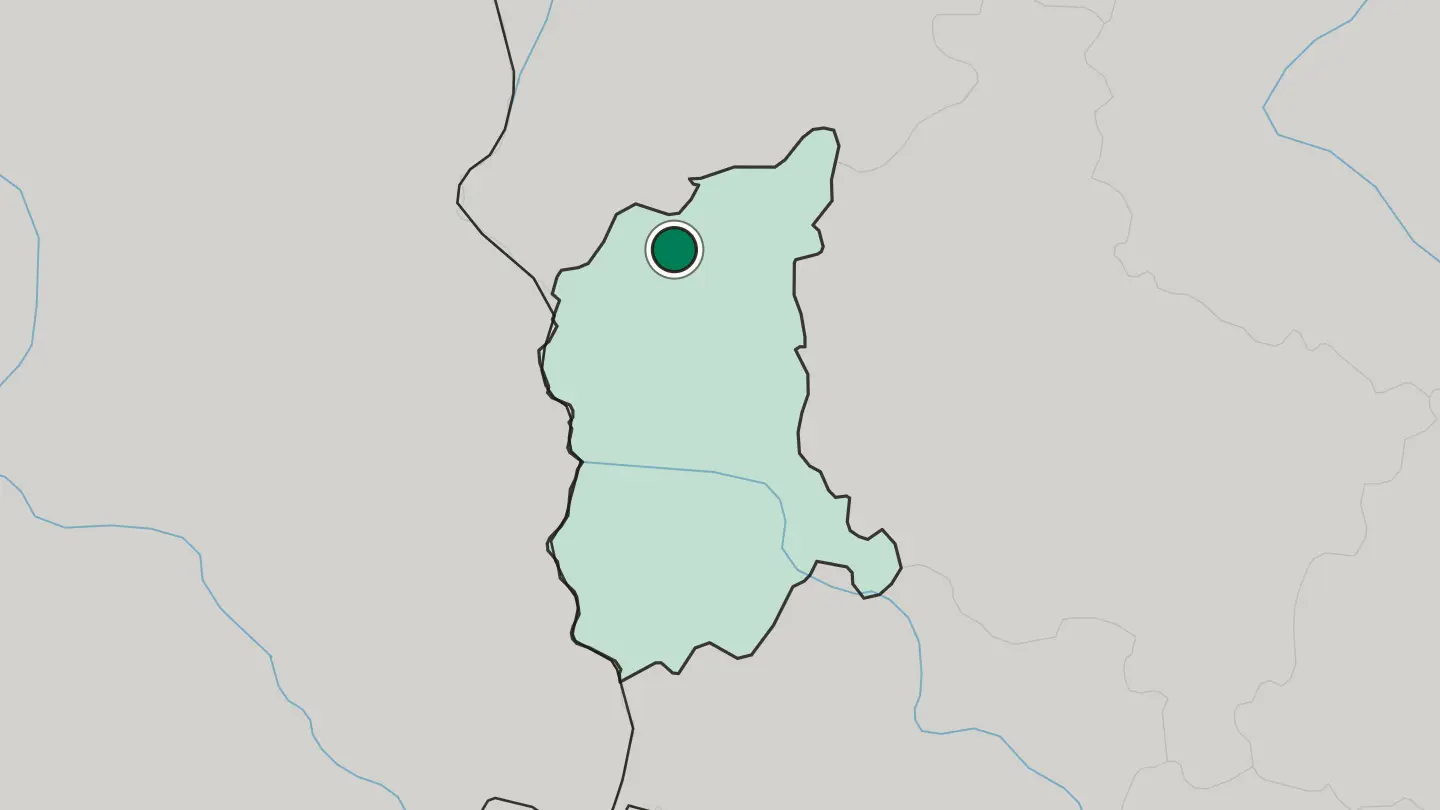
Hotel links are affiliate links: booking through them may earn us a commission, at no extra cost to you. It never affects how places are ranked. How this works
About Lubusz Voivodeship
Trees, water and wine.
What is Lubusz Voivodeship known for?
Nearly half of Lubusz Voivodeship is forest, the highest share of any region in Poland, and campers and mushroom-pickers come for exactly that. The Oder marks its western edge against Germany, and the Warta cuts across it toward the German border. Zielona Góra is the wine town, the one place in Poland with a real vineyard tradition and its own autumn grape harvest.
Where is Lubusz Voivodeship?
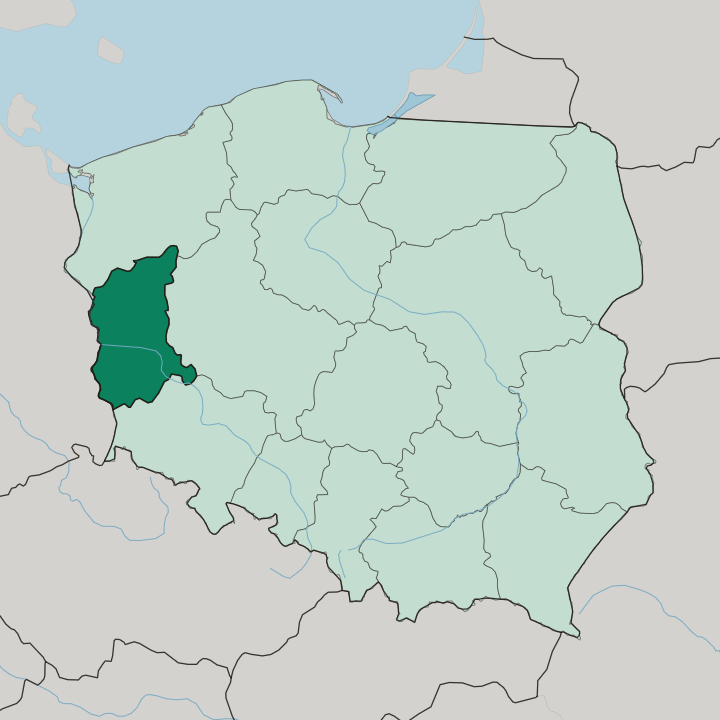
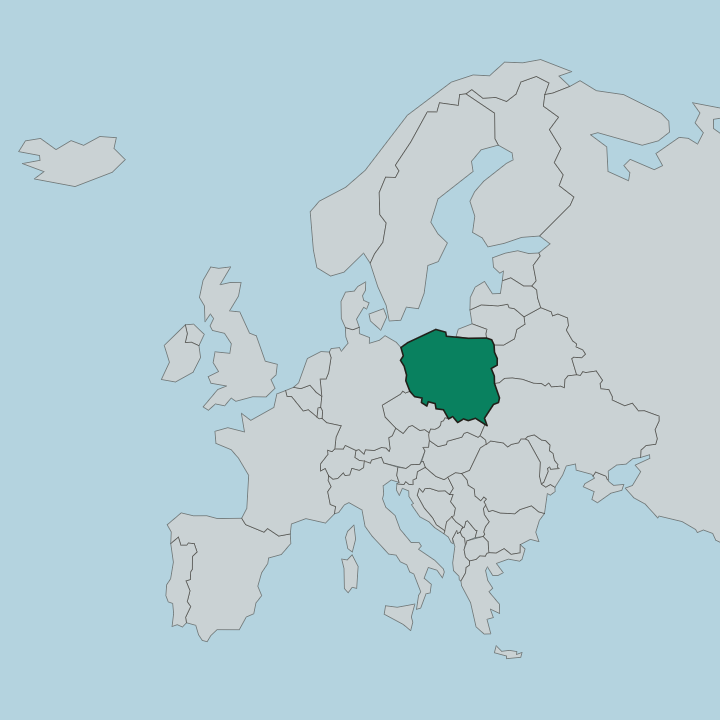
Lubusz Voivodeship fills the western edge of Poland, pressed up against Germany. The Oder river draws much of that western border, and beyond it lie the German states of Brandenburg and Saxony. This is low, level country.
Morainal hills, shallow lake basins and old glacial stream valleys ripple across a land that never rises far, with the Gorzów Plain spread across the north and the Zielona Góra rampart lifting gently in the south. Forest covers close to half of it, more than anywhere else in Poland, so that pine and beech stand between the towns rather than open field. Water ties the region together.
The Warta runs west across the north to meet the Oder near the German border, and the Oder itself keeps some of the last broadleaf floodplain woods left on any large European river. Hundreds of lakes dot the centre, gathered thickest in the Lubusz Lake District around Łagów. To the east and south the land climbs away toward the neighbouring Polish voivodeships, but the defining direction here is always west, toward the river and the frontier with Germany.
What is Lubusz Voivodeship like?
Lubusz Voivodeship wears its history lightly, and much of its character was made after 1945. The German population that had lived here for centuries left as the border shifted, and Poles resettled from the east took their place, so the towns carry old German brick under new Polish life. Zielona Góra keeps the oldest thread unbroken.
Wine has been grown on its slopes since the Middle Ages, and every autumn the city throws the Winobranie, a grape-harvest festival that fills the streets and pours the year's vintage. The rest is outdoor and slow. This is a place for the forest floor.
Families come out with baskets for the mushroom season, kayakers work the rivers and lakes, and the sandy shores around Łagów fill with swimmers through the warm months. On the far south-western corner the landscape park at Muskau spills across the Neisse into Germany, a UNESCO-listed garden shared by two countries. Polish is the everyday tongue, but the German past is never quite out of sight.
What is the history of Lubusz Voivodeship?
The name reaches back to the medieval Lubusz Land, a small territory on the Oder that belonged to the early Polish state by the year 1002. Brandenburg took it in 1250, and for the better part of seven centuries the country west of the Oder was German, folded into the Neumark, then Prussia. The Second World War undid that.
When the border was redrawn along the Oder and the Neisse in 1945, the land passed to Poland and its German population was expelled. The modern voivodeship itself is young, stitched together in 1999 from the earlier Gorzów and Zielona Góra provinces.
What is the climate of Lubusz Voivodeship?
Lubusz Voivodeship has one of the mildest climates in Poland. Its western position, low ground and blanket of forest soften the seasons, and the long warm autumns are exactly what let vines ripen on the Zielona Góra slopes when they struggle further east. Summers suit the lakes.
Winters stay comparatively gentle for this part of central Europe, with less of the hard cold that grips the country's eastern side, though frost and snow still settle over the woods.
How do you get to Lubusz Voivodeship?
No airport of its own. Most travellers reach Lubusz Voivodeship overland, and it straddles the main routes between Berlin and Poland's interior, so trains and motorways from the German capital run straight through on their way to Poznań and Warsaw. Zielona Góra and Gorzów Wielkopolski are the two rail hubs.
Because the Oder forms the western border, several road and rail crossings link the region directly to Germany, and larger airports at Berlin, Poznań and Wrocław all sit within easy reach.
Common questions
What is the best area to stay in Lubusz Voivodeship?
Zielona Góra: wine slopes and the autumn grape harvest. Gorzów Wielkopolski: the Warta river and the northern wetlands. Łagów: lakeside swimming and kayaking under a knights' castle.
Good for
More regions in Poland
Updated September 2026