Poland · Masovian Voivodeship
Where to Stay in Płock, Masovian Voivodeship
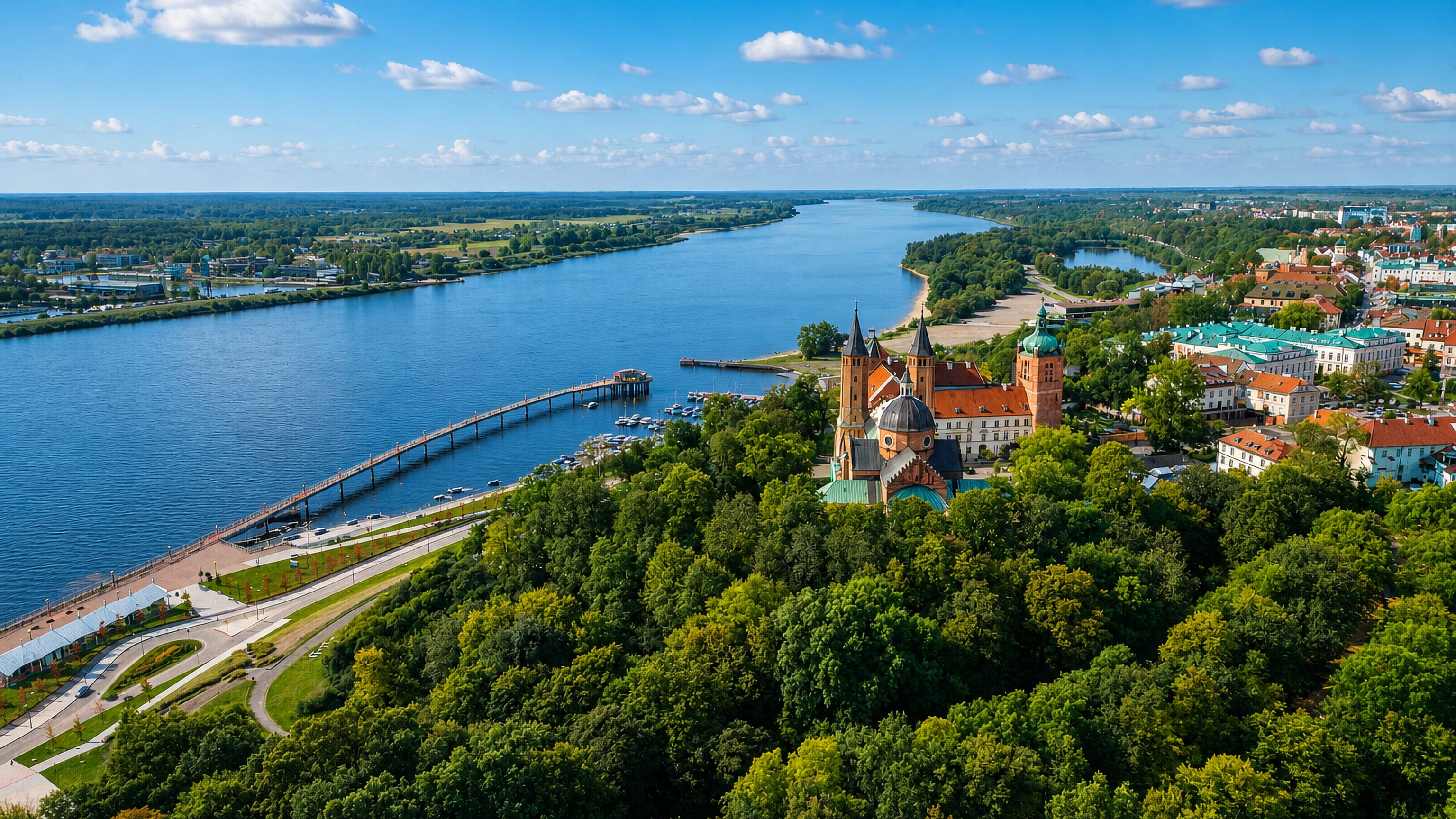
Płock is one of the oldest cities in Poland, set on a high bluff above the Vistula in the Mazovia region.
Hotel links are affiliate links: booking through them may earn us a commission, at no extra cost to you. It never affects how places are ranked. How this works


Where to stay in Płock
Where visitors usually base themselves, and why.
In Płock, the choice of base comes down to the old town on the bluff. The streets around the cathedral and the old market keep the museums, the churches, and the bluff views within a walk, and staying in the centre suits anyone here for the old city. The market square quiets after dark.
Rooms sit near the cathedral and the hill. Out toward the newer districts and the river, the town spreads into quieter streets. A room away from the centre trades the old town for parking, space, and a walk along the Vistula below the bluff.
The great river runs wide past the town. If you want the cathedral and the museums, stay in the centre; if you want the river, take a room toward the water. Either way, the old bluff is close at hand.
Find hotels in Płock
Direct booking searches for these neighbourhoods.
The old town
Around the Płock Cathedral and the old market on the bluff, within a walk of the museumsFind hotels in The old townStays wanting the river and easy parkingRiverside and newer districts
Toward the Vistula below the bluff, with riverside walks and calmer streetsFind hotels in Riverside and newer districtsHotel links are affiliate links: booking through them may earn us a commission, at no extra cost to you. It never affects how places are ranked. How this works
Things to do in Płock
Ranked by global recognition; descriptions from Wikidata (CC0).
Museums & Galleries
3- Masovian Museum in Płock
- Muzeum Małachowianki w Płocku
- Muzeum św. Faustyny w Płocku
Churches & Religious Sites
8- Płock Cathedral Heritage
- Temple of Mercy and Charity Heritage
- Saint Bartholomew church in Płock Heritage
- Saint John the Baptist church in Płock Heritage
- Small Synagogue in Płock Heritage
Show 3 more →
- Dominican Abbey in Płock Heritage
- Tower of the Saint Benedict church in Płock Heritage
- Saint Alexius church in Płock Heritage
Castles & Historic Sites
3- Castle of the Masovian Dukes in Płock Heritage
- Bolesław III Wrymouth Monument in Płock
- Jakub Chojnacki Bench in Płock
Landmarks & Notable Places
5- 1 Mostowa Street in Płock Heritage
- Clock tower in Płock Heritage
- 1 Bielska Street in Płock Heritage
- Tower of Saint Michael church in Płock Heritage
- 3 Bielska Street in Płock Heritage
worth knowingacross 4 categories in Płock
About Płock
Płock is an ancient seat of Polish kings.
What is Płock known for?
On a bluff above the Vistula stand the Romanesque Płock Cathedral and the old Castle of the Masovian Dukes, where two early rulers of Poland lie buried. The Masovian Museum holds a rich store of Art Nouveau. History crowns the river bluff.
What are the main landmarks in Płock?
The Płock Cathedral crowns Tumskie Hill. Its Romanesque towers rise over the Vistula bluff, the great sight of the city, and the old Castle of the Masovian Dukes stands beside it above the river. Old streets fill the hill.
The Bolesław Wrymouth Monument marks the founding age, while the Masovian Museum and the Diocesan Museum gather the treasures of Mazovia.
What is the history of Płock?
Płock was a cradle of the Polish state. In the eleventh century it served for a time as the capital of the whole kingdom, and its rulers raised a stone cathedral and a castle on the bluff above the Vistula. Kings were buried in the crypt.
Two of Poland's early rulers, Władysław Herman and Bolesław the Wrymouth, lie in the Płock Cathedral among the tombs of the Masovian dukes. The city stayed a seat of church and power. As the capital moved away, Płock remained the heart of Mazovia, its bishops and dukes ruling from the Castle of the Masovian Dukes on Tumskie Hill.
Trade climbed the river to the town. Grain and timber floated down the Vistula from the port below the bluff, and a fine old market grew among the churches. In the modern age the Masovian Museum filled with treasures, and oil refineries rose on the plains around.
The old cathedral still crowns the bluff above the river.
Where is Płock?
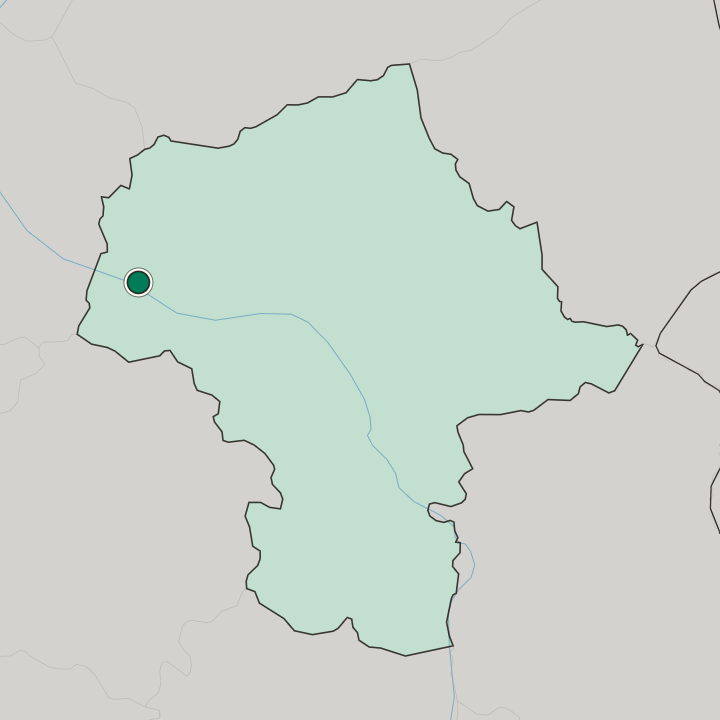
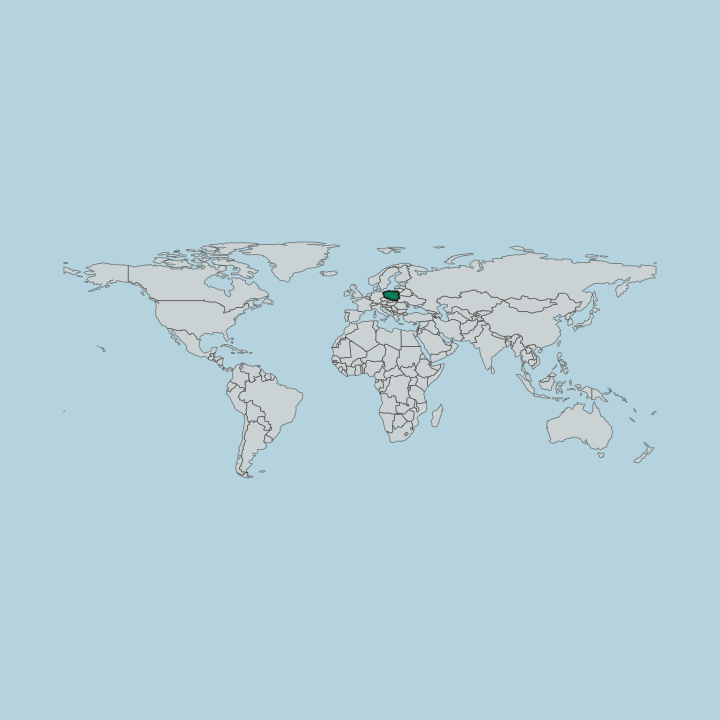
Płock rises on a bluff over the Vistula. The old city crowns a high bank above Poland's great river in western Mazovia, looking out over the water and the plains beyond. Steep slopes fall to the riverside below.
The Vistula sweeps in a wide curve past the town.
What is the climate of Płock?
Płock has a cool continental climate. Cold, snowy winters settle over the river plain, and the warm summers bring storms across the open country, with rain spread through the year. Mist rises off the Vistula on autumn mornings.
The seasons swing clear and wide.
How do you get to Płock?
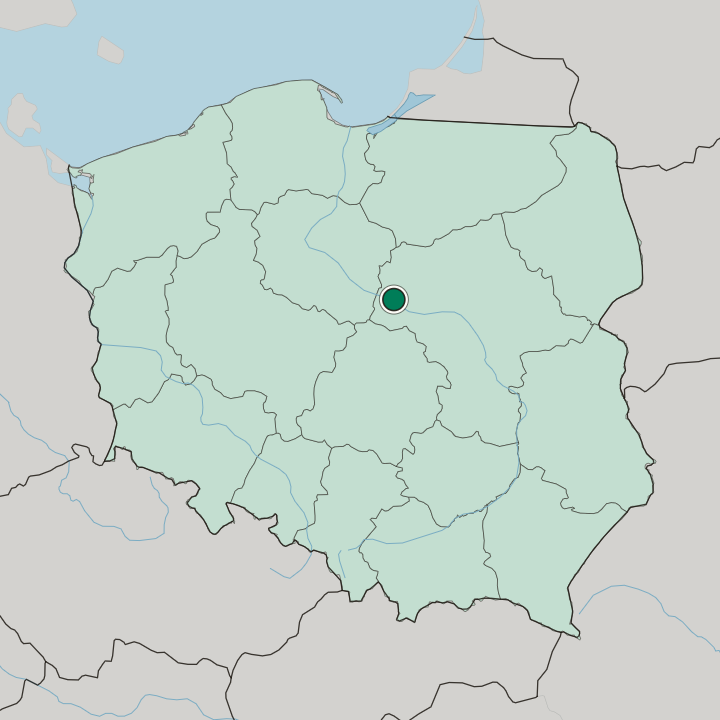
Płock lies on the Vistula west of Warsaw. Roads run to it across the Mazovian plain from the capital in about two hours, and buses cross the river country. No fast railway reaches the town.
Most arrive by road along the Vistula.
Common questions
What is the best area to stay in Płock?
The old town: Visitors here for the cathedral, castle, and museums. Riverside and newer districts: Stays wanting the river and easy parking.
Good for
More cities in Masovian Voivodeship
Updated October 2026