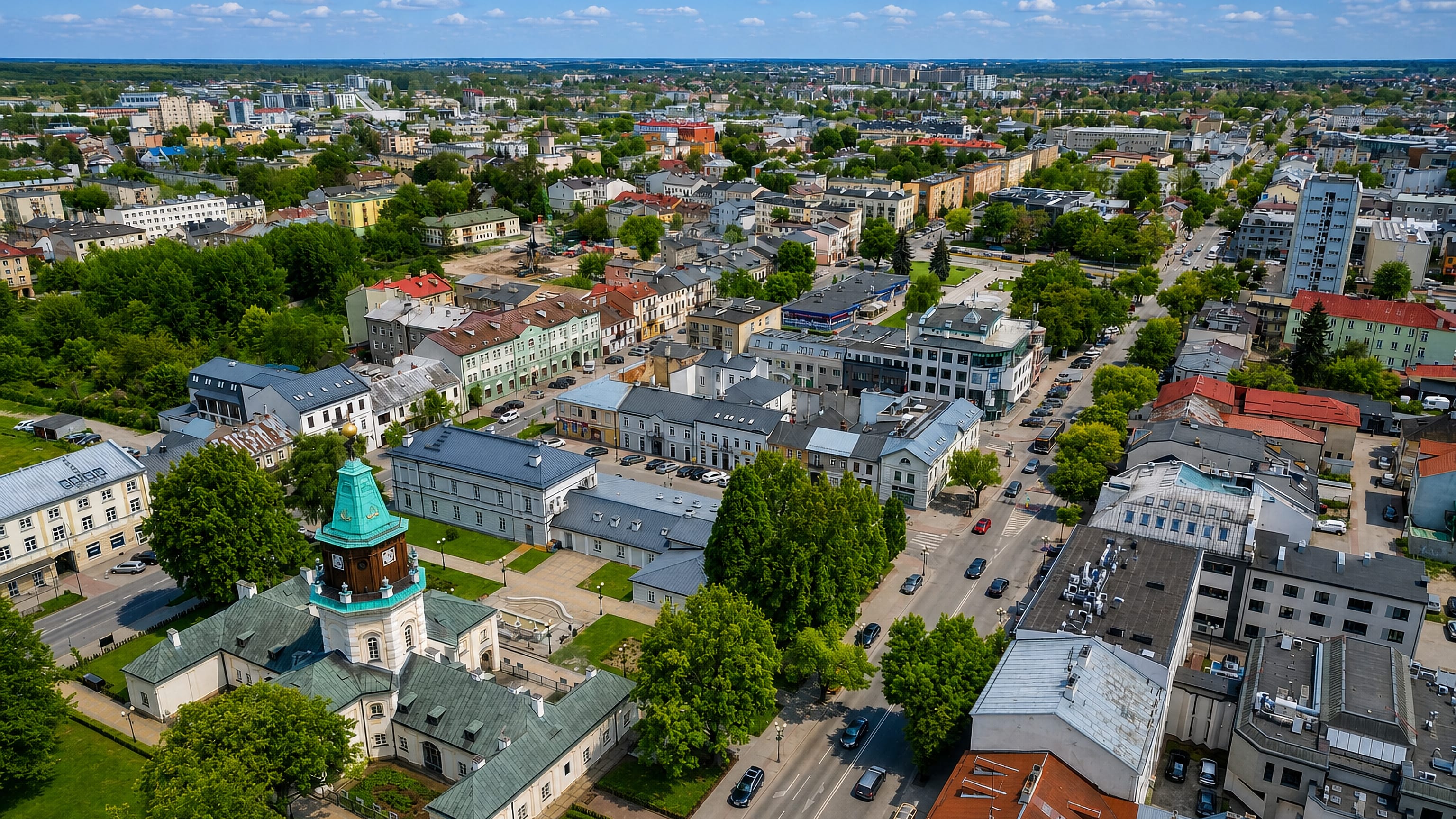
Poland · Masovian Voivodeship
Where to Stay in Siedlce, Masovian Voivodeship
Siedlce dates from 1448, a Masovian Voivodeship city with a cathedral, the Aleksandria Park and a monument to Aleksandra Ogińska.
Hotel links are affiliate links: booking through them may earn us a commission, at no extra cost to you. It never affects how places are ranked. How this works


Where to stay in Siedlce
How the choice of base plays out on the ground.
Siedlce Cathedral marks the obvious quarter. Staying near it puts the Muzeum Diecezjalne w Siedlcach, the Regional Museum of Siedlce and the listed fronts of Floriańska Street inside a single walk, which covers most of a short visit. Siedlce keeps its centre tight.
Aleksandria Park lies close to that same centre, so the green side of Siedlce is not a separate trip. Bema Street offers the quieter alternative. You will want that side if the visit runs longer than a night, since the streets around 4a Bema Street and Sienkiewicza 33 are residential rather than administrative and the walk back to Siedlce Cathedral is short.
Nights there are still. The Kościół Ducha Świętego w Siedlcach and the Kościół Bożego Ciała w Siedlcach both serve that part of the city, and the Lapidarium in Siedlce is within the same reach. Two ends, one centre.
The cathedral side takes the museums and the Monument of Tadeusz Kościuszko in Siedlce, while the Aleksandria Park side takes the Monument of Aleksandra Ogińska in Siedlce and the open ground the city keeps around it. Masovian Voivodeship has larger cities. Siedlce repays a night for the register it carries, not for its size.
Find hotels in Siedlce
Direct booking searches for these neighbourhoods.
The cathedral quarter
The few streets around Siedlce Cathedral, with the listed fronts of Floriańska Street on the same walk. Few places to stay nearby — book ahead.Find hotels in The cathedral quarterLonger stays within reach of Aleksandria ParkBema Street
Residential Siedlce around 4a Bema Street and Sienkiewicza 33, away from the cathedral offices. Lodging is scarce in this area; reserve in advance.Find hotels in Bema StreetHotel links are affiliate links: booking through them may earn us a commission, at no extra cost to you. It never affects how places are ranked. How this works
Things to do in Siedlce
Ranked by global recognition; descriptions from Wikidata (CC0).
Museums & Galleries
1- Museum of John Paul II in Siedlce
Churches & Religious Sites
3- Siedlce Cathedral Heritage
- Saint Stanislaus church in Siedlce Heritage
- Kościół Bożego Ciała w Siedlcach
Castles & Historic Sites
2- Monument of Aleksandra Ogińska in Siedlce
- Monument of Tadeusz Kościuszko in Siedlce
Nature & Outdoors
1- Aleksandria Park in Siedlce Heritage
Landmarks & Notable Places
3- Guardhouse of Siedlce Heritage
- 5 Floriańska Street in Siedlce Heritage
- 4a Bema Street in Siedlce Heritage
worth knowingacross 5 categories in Siedlce
About Siedlce
The cathedral fixes the centre.
What is Siedlce known for?
Siedlce Cathedral and the Muzeum Diecezjalne w Siedlcach give the city its church weight, and the Regional Museum of Siedlce and the Museum of John Paul II in Siedlce carry the rest of what is kept indoors. Aleksandria Park supplies the green. Its founding year is 1448, which makes Siedlce older than most of what survives on its streets.
What are the main landmarks in Siedlce?
Churches and monuments dominate. Siedlce Cathedral leads, with Saint Stanislaus church in Siedlce and its belfry gate, the Kościół Bożego Ciała w Siedlcach and the Kościół Ducha Świętego w Siedlcach filling out the parishes. Three museums stand behind them.
The Muzeum Diecezjalne w Siedlcach, the Regional Museum of Siedlce and the Museum of John Paul II in Siedlce are joined by Aleksandria Park, the Lapidarium in Siedlce and the Guardhouse of Siedlce.
What is the history of Siedlce?
The founding year is 1448. Siedlce grew from that into a city with a cathedral of its own, and Siedlce Cathedral anchors a diocese that keeps the Muzeum Diecezjalne w Siedlcach beside it. Saint Stanislaus church in Siedlce carries its own belfry gate.
The Saint Stanislaus belfry gate in Siedlce and the parish presbytery are both listed, as are the Kościół Bożego Ciała w Siedlcach and the Kościół Ducha Świętego w Siedlcach. A monument marks Aleksandra Ogińska. The Monument of Aleksandra Ogińska in Siedlce stands in a city whose main green space is Aleksandria Park, and the Monument of Tadeusz Kościuszko in Siedlce gives the other name the streets commemorate.
Civic buildings followed. The old District Office, the Guardhouse of Siedlce and the post office are all on the register, together with the tenements at 5 Floriańska Street and 4a Bema Street. The railway arrived in its turn.
A railway water tower stands among the listed structures of Siedlce, which is the plainest evidence the register keeps of the line running through the city. Two museums close the account. The Regional Museum of Siedlce holds the civic record and the Museum of John Paul II in Siedlce a later one, while the Lapidarium in Siedlce keeps the stones that outlasted their buildings.
Where is Siedlce?
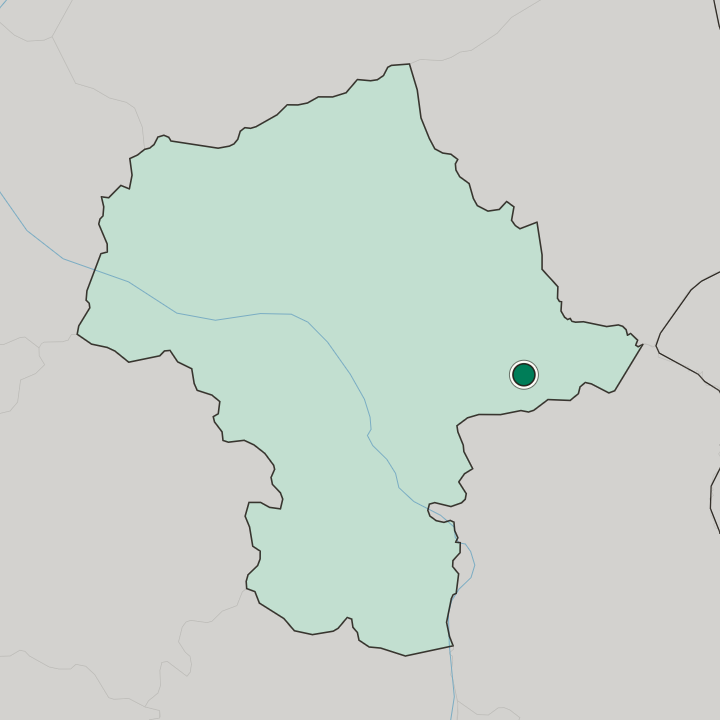
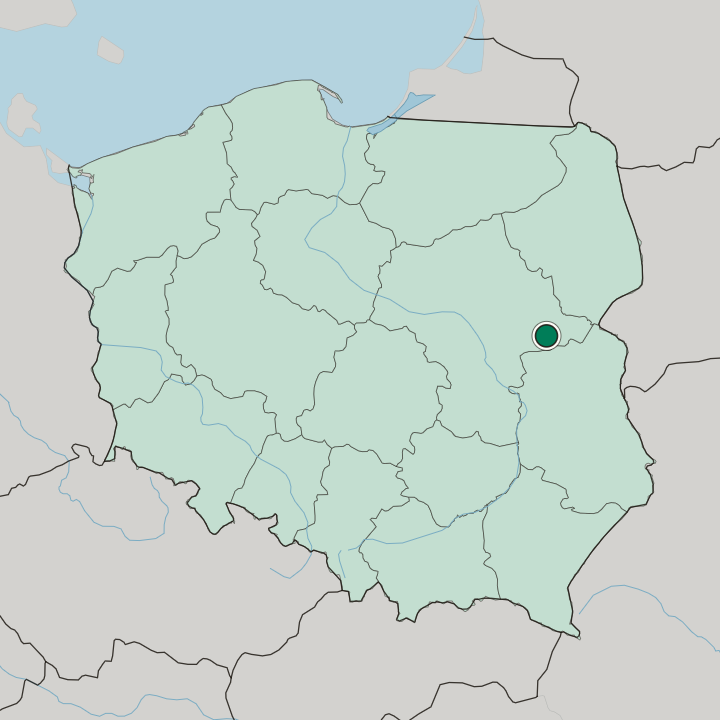
Thirty-two square kilometres make up the city. Siedlce lies within Masovian Voivodeship, and Aleksandria Park takes a visible share of that ground while the streets around Floriańska carry the older fabric. The park is the largest open piece.
Bema Street and Floriańska Street both appear on the heritage register, along with a tenement at Sienkiewicza 33.
What is the climate of Siedlce?
Temperate is all it is. Siedlce runs through the same year as the rest of Masovian Voivodeship, and Aleksandria Park is where the change from one season to the next actually registers on the eye. The churchyards do the same work.
Siedlce Cathedral, the Kościół Bożego Ciała w Siedlcach and the Kościół Ducha Świętego w Siedlcach all keep ground around them that marks the year.
How do you get to Siedlce?
The railway water tower gives the clue. Siedlce sits on a line important enough to have needed one, and rail is still the ordinary way into the city from the rest of Masovian Voivodeship. Roads cover the county traffic.
The post office and the old District Office sit in the same central few streets, with Floriańska Street among them.
Common questions
What is the best area to stay in Siedlce?
The cathedral quarter: Short visits taking in the Muzeum Diecezjalne w Siedlcach and the Regional Museum of Siedlce. Bema Street: Longer stays within reach of Aleksandria Park.
Good for
More cities in Masovian Voivodeship
Updated September 2026