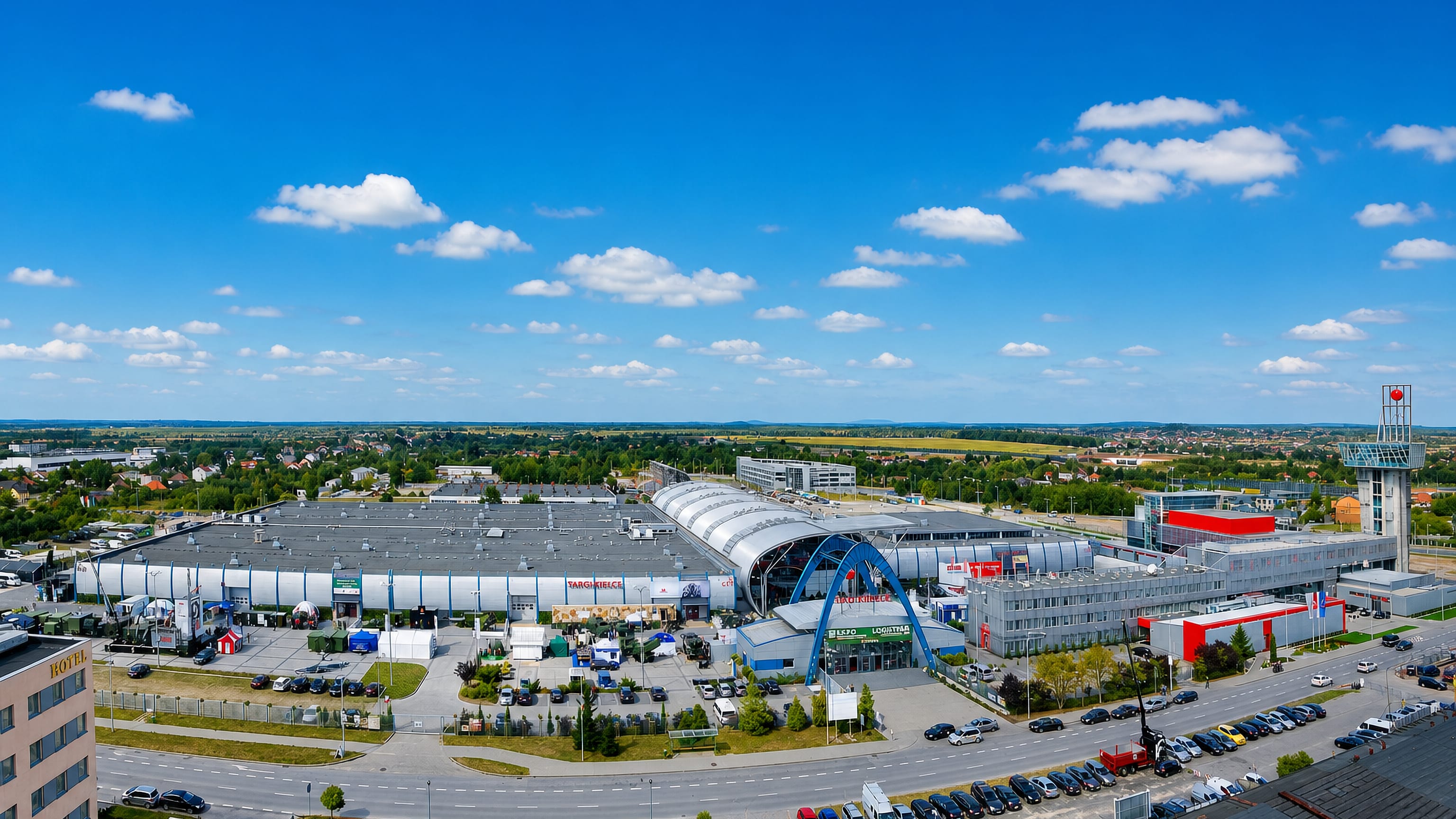
Poland · Świętokrzyskie Voivodeship
Where to Stay in Kielce, Świętokrzyskie Voivodeship
Kielce rings the Silnica River in the Świętokrzyskie Mountains, capital of the Świętokrzyskie Voivodeship, Poland, with the Palace of the Kraków Bishops.
Hotel links are affiliate links: booking through them may earn us a commission, at no extra cost to you. It never affects how places are ranked. How this works


Where to stay in Kielce
Where visitors usually base themselves, and why.
Kielce keeps most of its lodging in and around the pedestrian old core near the Silnica River. Sienkiewicza Street is the spine. It runs through the centre as a long pedestrian promenade, close to the Palace of the Kraków Bishops and the Basilica of the Assumption of the Blessed Virgin Mary at the top of the hill.
Stay here to reach the museums and the palace gardens on foot. Streets around the palace put the National Museum in Kielce and the Garden of the Bishops Palace within a short walk. Pick this for the historic quarter.
Greener, calmer beds sit toward the wooded edges where the Świętokrzyskie Mountains meet the town and the Karczówka Monastery crowns its hill. Rail and road tie Kielce into the Świętokrzyskie Voivodeship around it. Choose the promenade for the sights; choose the hill edges for quiet.
Find hotels in Kielce
Direct booking searches for these neighbourhoods.
Sienkiewicza promenade
The long pedestrian spine of Kielce, running below the Palace of the Kraków Bishops and the Basilica of the Assumption of the Blessed Virgin Mary.Find hotels in Sienkiewicza promenadeThe historic core and palace gardensPalace hill quarter
The streets around the National Museum in Kielce and the Garden of the Bishops Palace, at the foot of the hill the Baroque residence crowns.Find hotels in Palace hill quarterHotel links are affiliate links: booking through them may earn us a commission, at no extra cost to you. It never affects how places are ranked. How this works
Things to do in Kielce
Ranked by global recognition; descriptions from Wikidata (CC0).
Museums & Galleries
1- National Museum in Kielce
Churches & Religious Sites
8- Basilica of the Assumption of the Blessed Virgin Mary in Kielce Heritage
- Church of Saint Adalbert in Kielce Heritage
- Exaltation of the Holy Cross church in Kielce Heritage
- Holy Virgin Mary Queen of Poland church in Kielce Heritage
- Karczówka Monastery in Kielce Heritage
Show 3 more →
- Evangelic Church in Kielce Heritage
- Holy Trinity church in Kielce Heritage
- Church of the Assumption in Kielce Heritage
Castles & Historic Sites
3- Palace of the Kraków Bishops in Kielce Heritage
- Zieliński Palace in Kielce Heritage
- Homo Homini
Parks & Gardens
1- Garden of the Bishops Palace in Kielce Heritage
worth knowingacross 4 categories in Kielce
About Kielce
What is Kielce known for?
Kielce is known as the capital of the Świętokrzyskie Voivodeship and the largest city set among the Świętokrzyskie Mountains. Its centrepiece is the Palace of the Kraków Bishops, a Baroque residence beside the Basilica of the Assumption of the Blessed Virgin Mary that once housed the church's rulers. Museums fill the old core.
The Karczówka Monastery watches from a nearby hill. The city sits in the historical province of Lesser Poland, on the Silnica River.
What are the main landmarks in Kielce?
Kielce's landmarks centre on the bishops' hill. The Palace of the Kraków Bishops, a Baroque residence with its formal Garden of the Bishops Palace, stands beside the Basilica of the Assumption of the Blessed Virgin Mary. The National Museum in Kielce occupies the palace itself.
On a wooded height above the city, the Karczówka Monastery marks the skyline. The Zieliński Palace and the Muzeum Historii Kielc add to the built heritage of the centre.
What is the history of Kielce?
Kielce grew up in the Świętokrzyskie Mountains as a possession of the bishops of Kraków, who held the town and the surrounding country for centuries. Their presence defined it. They raised the Palace of the Kraków Bishops on the hill above the Silnica River and set the Basilica of the Assumption of the Blessed Virgin Mary beside it as the seat of church power in the region.
Mining and ironworking in the ore-rich hills around the town shaped its early economy. Monasteries such as the Karczówka Monastery rose on the heights, tied to that mineral wealth. Partition and war later passed through the province of Lesser Poland.
The town endured. Kielce became the capital of the Świętokrzyskie Voivodeship and the largest urban centre of the Holy Cross region, its old bishops' quarter still crowning the ground above the Silnica River.
Where is Kielce?
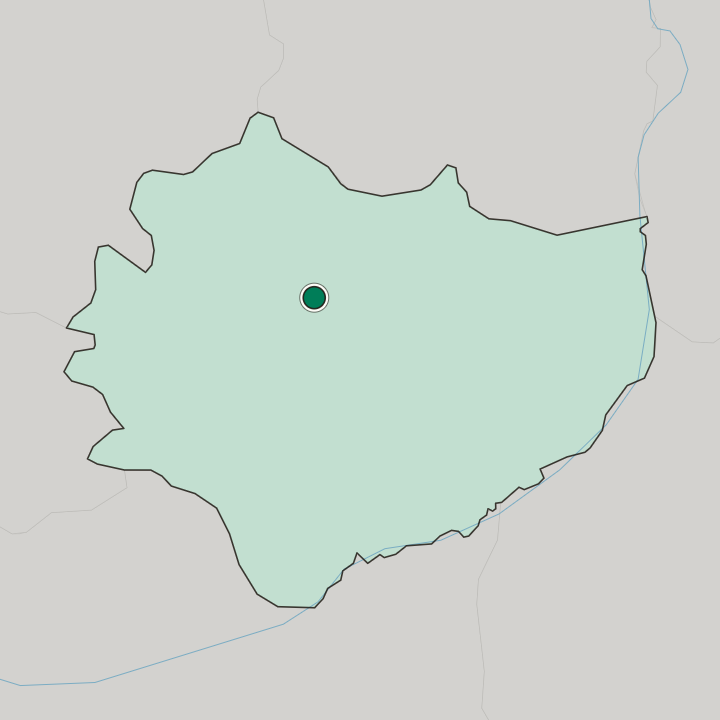
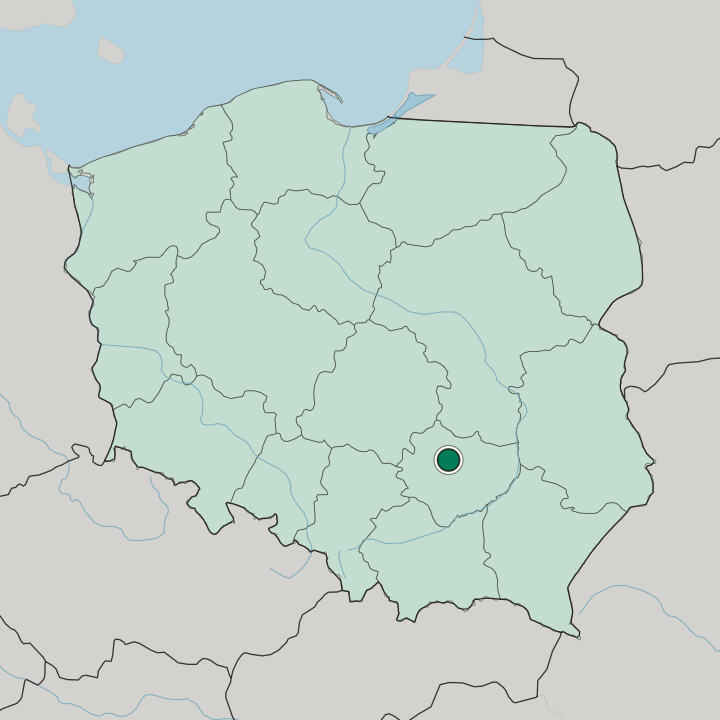
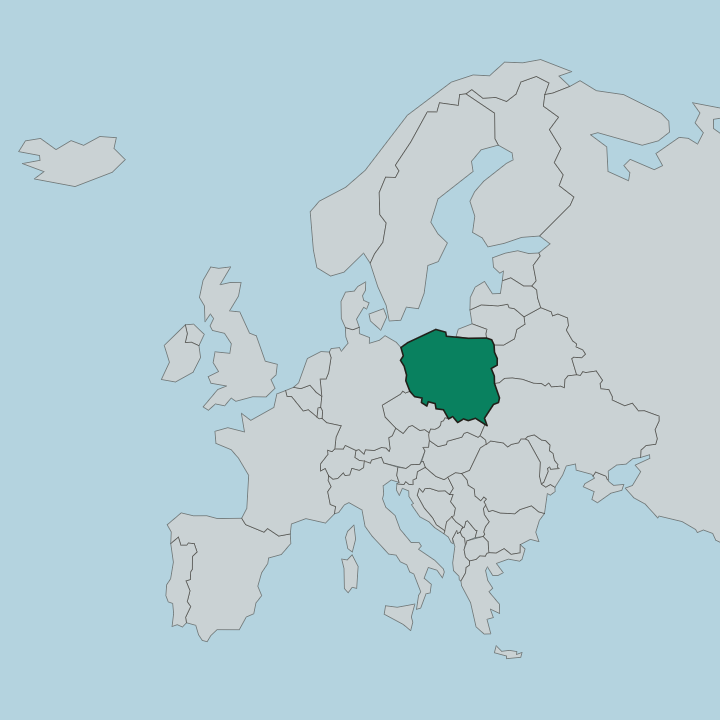
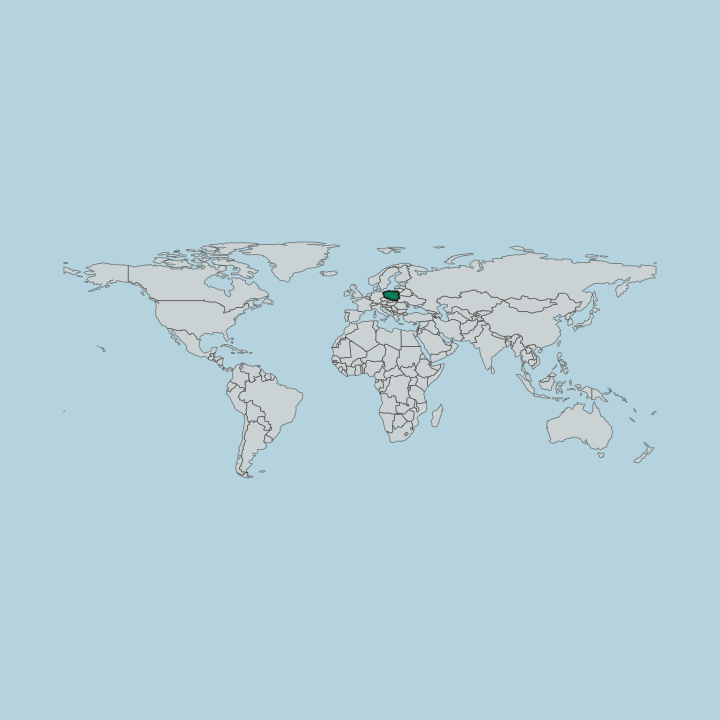
Kielce lies in the middle of the Świętokrzyskie Mountains, on the banks of the Silnica River in south-central Poland. Wooded ridges of this old, low range surround the city on most sides, and the built-up area follows the valley of the river between them. It falls within the historical province of Lesser Poland.
Hills rise close to the centre. The setting places Kielce at the heart of its Świętokrzyskie Voivodeship.
What is the climate of Kielce?
Kielce has a temperate continental climate shaped by its position among the Świętokrzyskie Mountains. Winters are cold. Ringed by wooded hills and set well inland, the city sees snowy, frost-prone winters and warm summers, with the surrounding ridges cooling the nights above the Silnica River.
Rain is heaviest in summer. Spring and autumn stay cool and often overcast.
How do you get to Kielce?
Kielce sits on the road and rail routes crossing south-central Poland between Warsaw and Kraków. Trains stop at the central station near the old town, linking the city north and south across the Świętokrzyskie Voivodeship and beyond. The nearest major airports lie in the larger cities to either side.
Roads wind out through the Świętokrzyskie Mountains. A trunk route running the length of the country passes close to Kielce.
Common questions
What is the best area to stay in Kielce?
Sienkiewicza promenade: Palace and museums on foot. Palace hill quarter: The historic core and palace gardens.
Good for
More cities in Świętokrzyskie Voivodeship
Updated October 2026