Poland
Świętokrzyskie Voivodeship, Poland — Towns & Travel Guide
Świętokrzyskie is a province of south-eastern Poland built around Poland's oldest mountains, with Kielce at its heart.
Hotel links are affiliate links: booking through them may earn us a commission, at no extra cost to you. It never affects how places are ranked. How this works


Towns & cities in Świętokrzyskie Voivodeship
Pick a town or city — each links to where to stay.
 Poland
Kielce
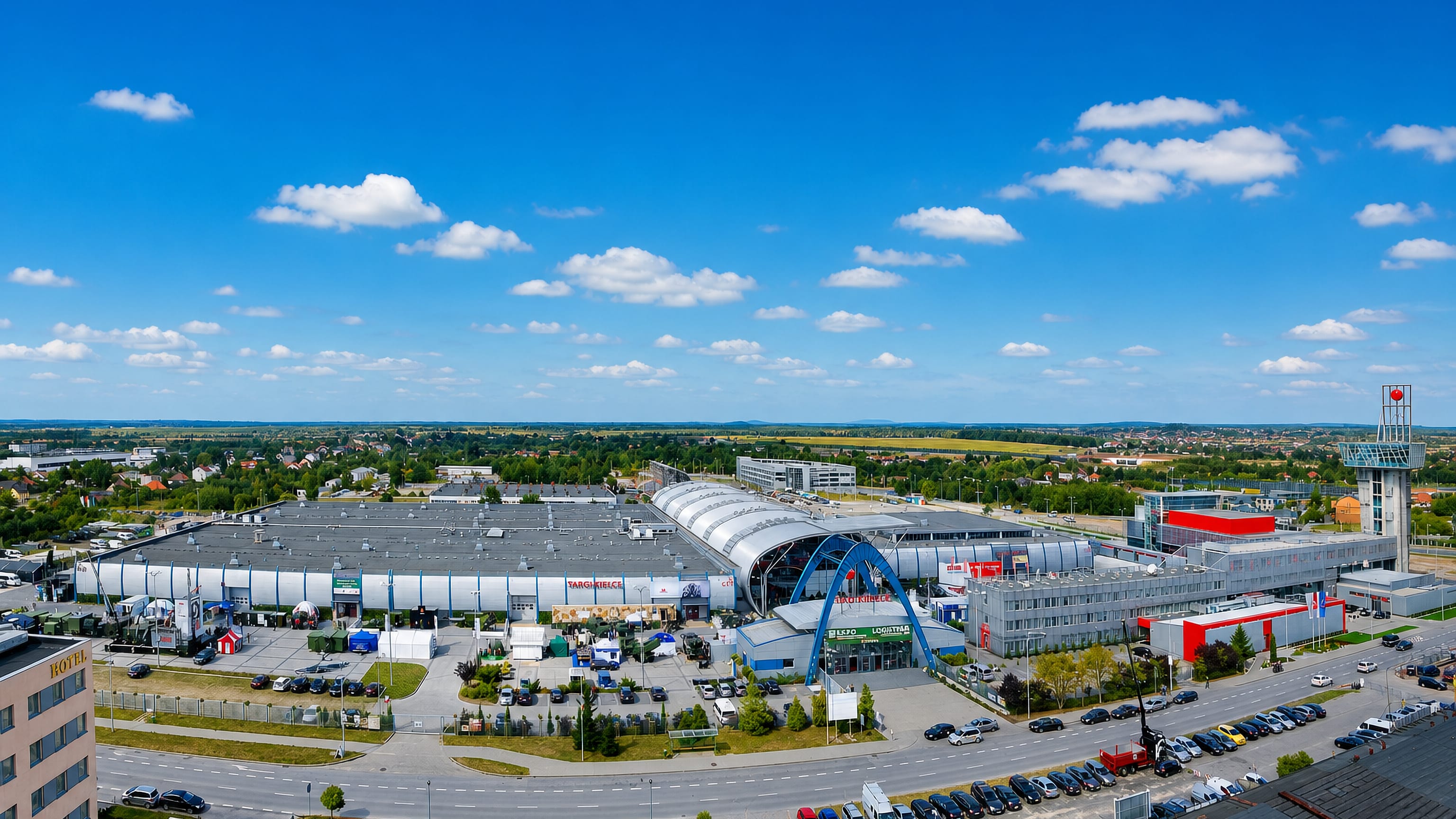
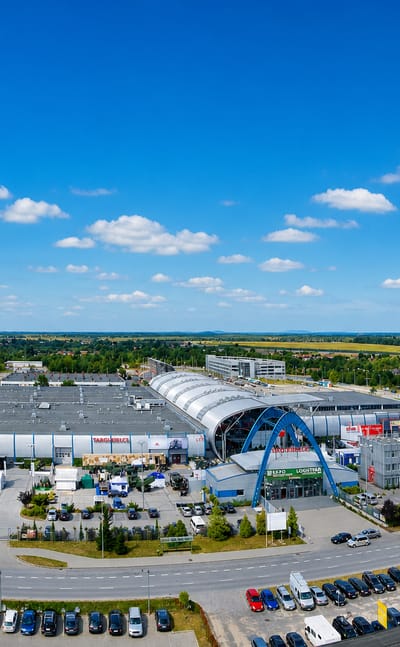
Kielce rings the Silnica River in the Świętokrzyskie Mountains, capital of the Świętokrzyskie Voivodeship, Poland, with the Palace of the Kraków Bishops.Where to stay →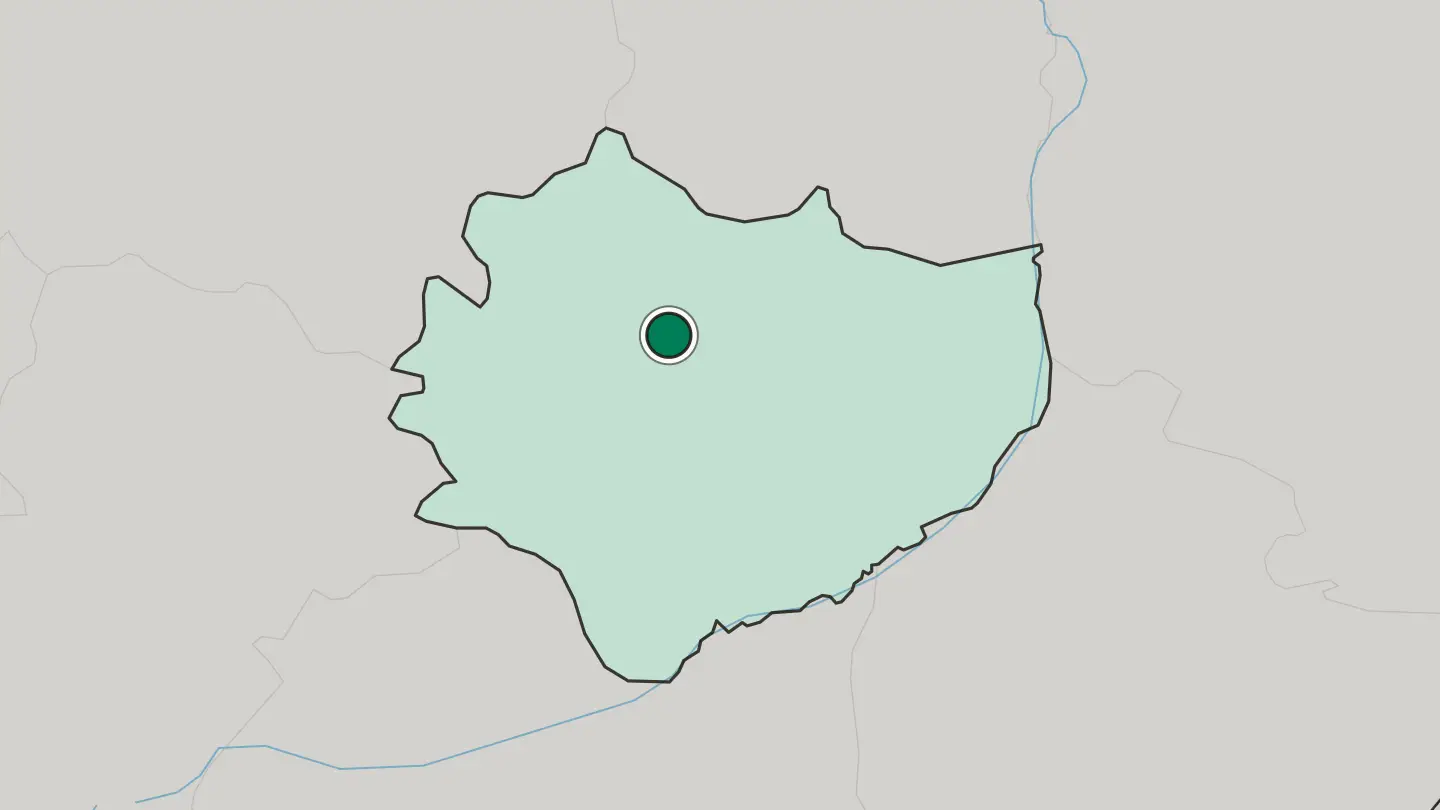
 Poland
Ostrowiec Świętokrzyski
Ostrowiec Świętokrzyski is a metalworking city of Świętokrzyskie Voivodeship, chartered in 1597 inside the historical region of Lesser Poland.Where to stay →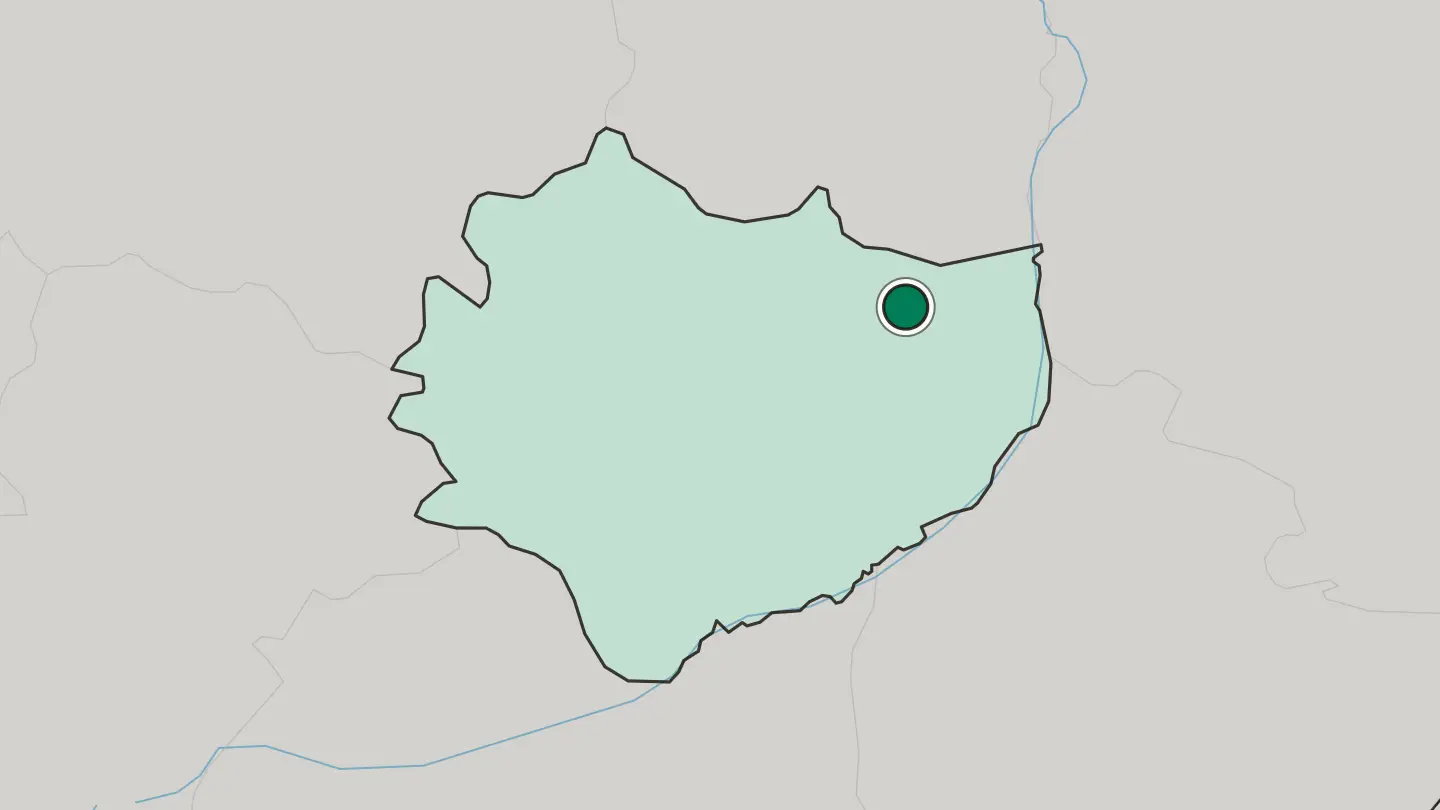
 Poland
Starachowice
Starachowice lies on the River Kamienna among hills and forest, capital of Starachowice County in Świętokrzyskie Voivodeship.Where to stay →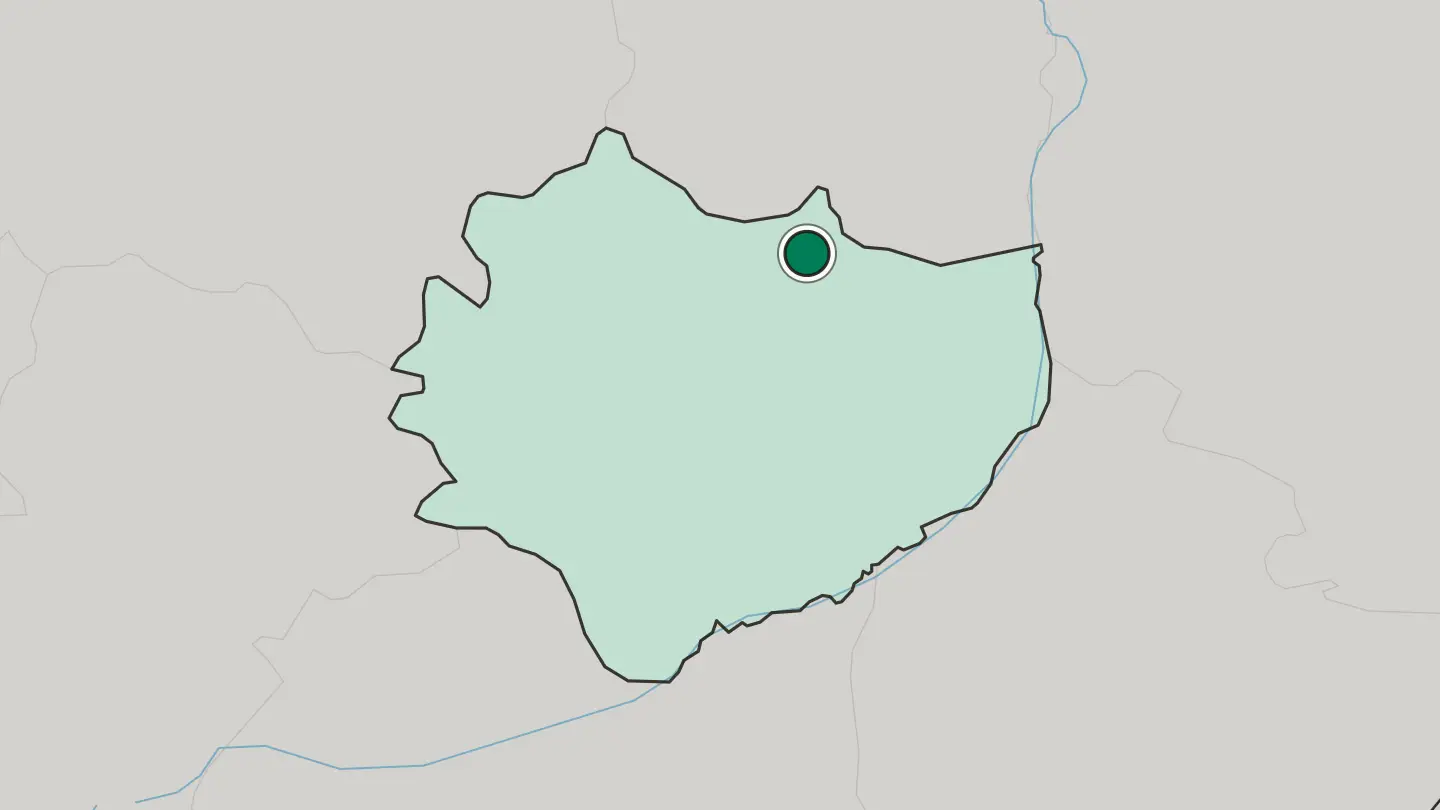
Hotel links are affiliate links: booking through them may earn us a commission, at no extra cost to you. It never affects how places are ranked. How this works
About Świętokrzyskie Voivodeship
What is Świętokrzyskie Voivodeship known for?
The Świętokrzyskie Mountains give the province its name and its identity. They are the oldest range in Poland, worn down to gentle wooded ridges rather than jagged peaks. The name means Holy Cross, taken from the Benedictine monastery on Łysa Góra where relics of the True Cross drew pilgrims from the fourteenth century.
Kielce sits among these hills as the capital and largest city. Beyond the ridges lie the Devonian limestone caves, the royal castle at Chęciny, and the old Vistula trading town of Sandomierz. Fossils and geology are half the appeal.
Where is Świętokrzyskie Voivodeship?
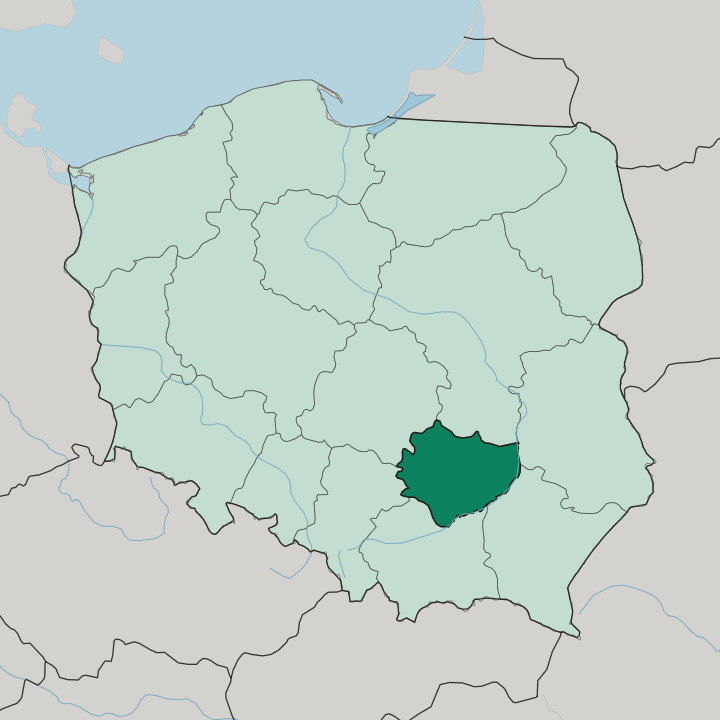
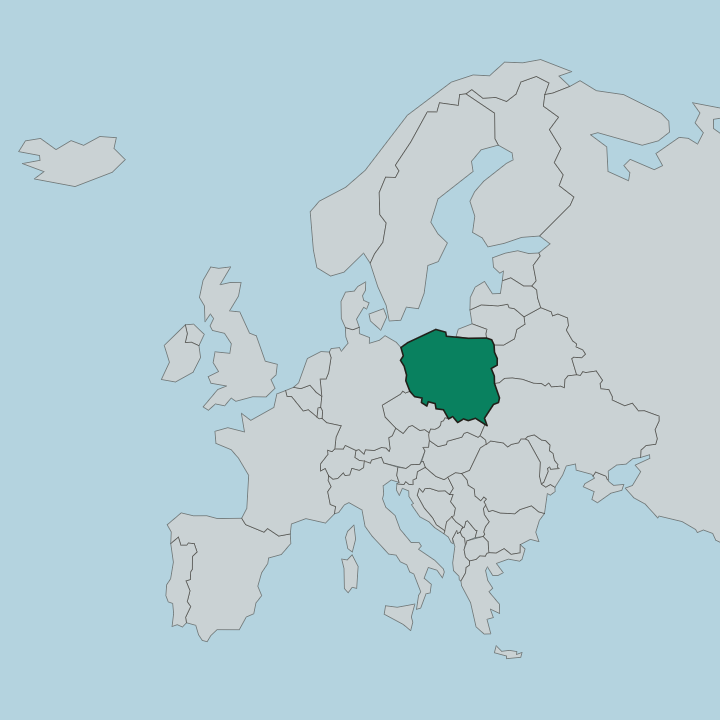
Świętokrzyskie lies in south-eastern Poland, part of the historical region of Lesser Poland. It is a landlocked province, bordered by six others and reaching no coast on any side. The land belongs to the Lesser Poland Upland, a plateau of rolling hills and river valleys rather than lowland plain.
Running through its centre are the Świętokrzyskie Mountains, the range that gives the province its name. These are old hills. Worn to low wooded ridges, the highest is Łysica, which reaches 612 metres in the Łysogóry range east of Kielce.
Rivers drain the whole province toward the Vistula, which forms the eastern edge past Sandomierz and gathers the Nida, the Kamienna and the Czarna as it goes. Kielce stands near the middle, ringed by the hills. The Nida winds south-west through a broad trough of meadows and gypsum before it reaches the great river.
Nowhere here is more than a short drive from a wooded ridge or a river valley, and that upland terrain, neither mountain nor plain, is what sets the province apart from its flatter neighbours.
What is Świętokrzyskie Voivodeship like?
Faith and folklore sit close together in these hills. The Benedictine monastery on Łysa Góra held Poland's first relics of the Holy Cross and grew into the country's greatest sanctuary before the seventeenth century, drawing pilgrims up the ridge from Nowa Słupia. Yet the same summit carries a pagan past.
Stone ramparts still ring the mountaintop, and Łysa Góra survives in Polish legend as a gathering place of witches, a story that predates the monks who built above it. Outside the mountains the culture turns to stone and craft. Chęciny and Kielce were carved from the local marble and limestone that quarrymen have worked here for centuries.
Sandomierz keeps the memory of a merchant town on the Vistula, its brick Gothic churches and cellars carrying the trade that once ran along the river. Folk museums and open-air villages preserve the timber cottages of the countryside. Kielce anchors the modern life of the province, holding its universities, its theatres, and the trade fairs that fill its exhibition halls.
The language is Polish throughout.
What is the history of Świętokrzyskie Voivodeship?
This corner of Lesser Poland was settled long before the Benedictines climbed Łysa Góra in the twelfth century to found their monastery of the Holy Cross. Sandomierz was already a seat of ducal power, one of medieval Poland's principal towns above the Vistula. The hills fed early industry: iron was smelted here from Roman times, and the ore and forests later drew the ironworks strung along the Kamienna valley.
The modern province is young. It took its present shape and name only in 1999, when Poland redrew its regions and made Kielce the capital of a voivodeship named for its mountains.
What is the climate of Świętokrzyskie Voivodeship?
Świętokrzyskie has a temperate continental climate, colder in winter and warmer in summer than the coast far to the north. The upland setting shows in the weather. The Świętokrzyskie Mountains catch more rain and hold snow later into spring than the surrounding valleys, and Łysica stays cool and often cloud-wrapped when the Nida lowlands are warm.
Winters bring frost and snow to the ridges. Summers are green and mild across the hills, the best season for the trails, while the river valleys around Sandomierz run warmer and drier than the wooded heights.
How do you get to Świętokrzyskie Voivodeship?
Most visitors reach Świętokrzyskie by road or rail rather than by air, since the province has no major international airport of its own. Kielce is the hub. Trains and the S7 express road run north to Warsaw and south toward Kraków, linking the capital to both.
The nearest airports lie beyond the province, at Kraków and Radom, each within a couple of hours by car or connecting train. Once here, a car helps most. The mountain villages, the caves, and Sandomierz on the Vistula are spread across the hills, and buses reach them but the roads reward driving.
Common questions
What is the best area to stay in Świętokrzyskie Voivodeship?
Kielce: a first base among the Holy Cross hills. Sandomierz: riverside history and the underground tourist route. Święta Katarzyna and Nowa Słupia: hikers heading for the Łysogóry ridge.
Good for
More regions in Poland
Updated September 2026