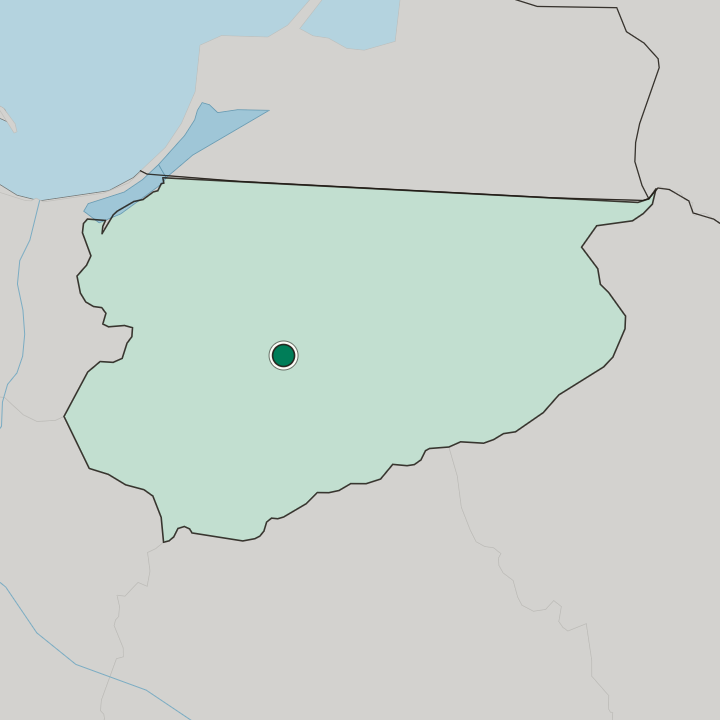
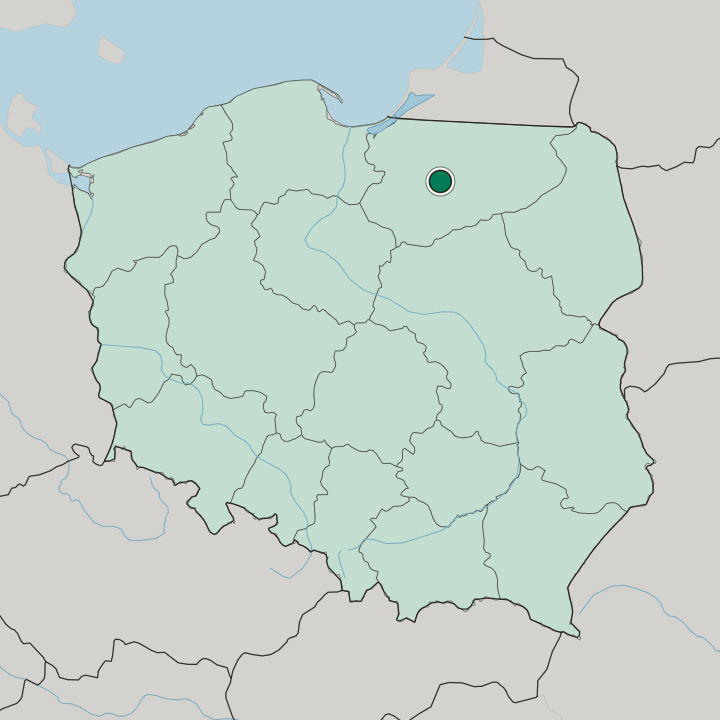
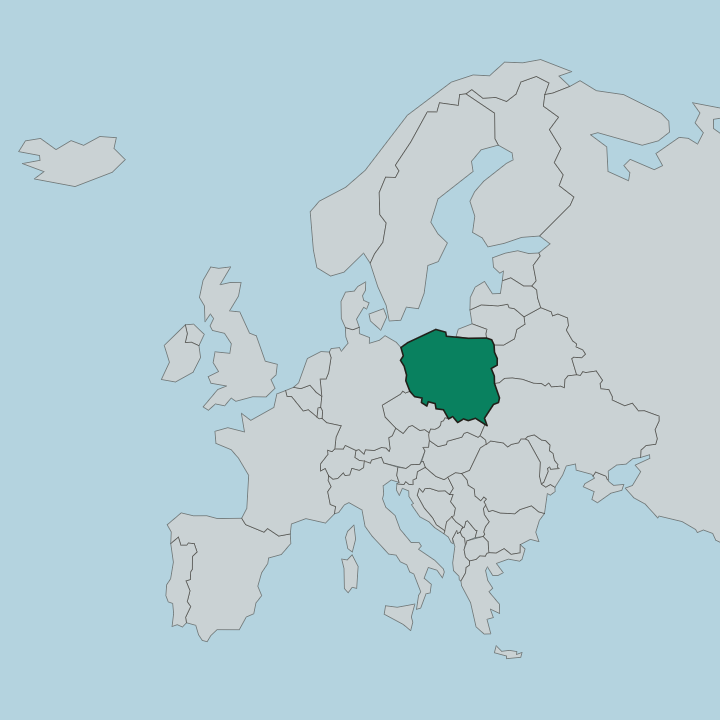
Poland · Warmian-Masurian Voivodeship
Where to Stay in Olsztyn, Warmian-Masurian Voivodeship
The Łyna River threads Olsztyn, a Gothic-cored city in northern Poland ringed by Masurian lakes, capital of the Warmian-Masurian Voivodeship.
Hotel links are affiliate links: booking through them may earn us a commission, at no extra cost to you. It never affects how places are ranked. How this works


Where to stay in Olsztyn
Where the beds are, and what that means for the visit.
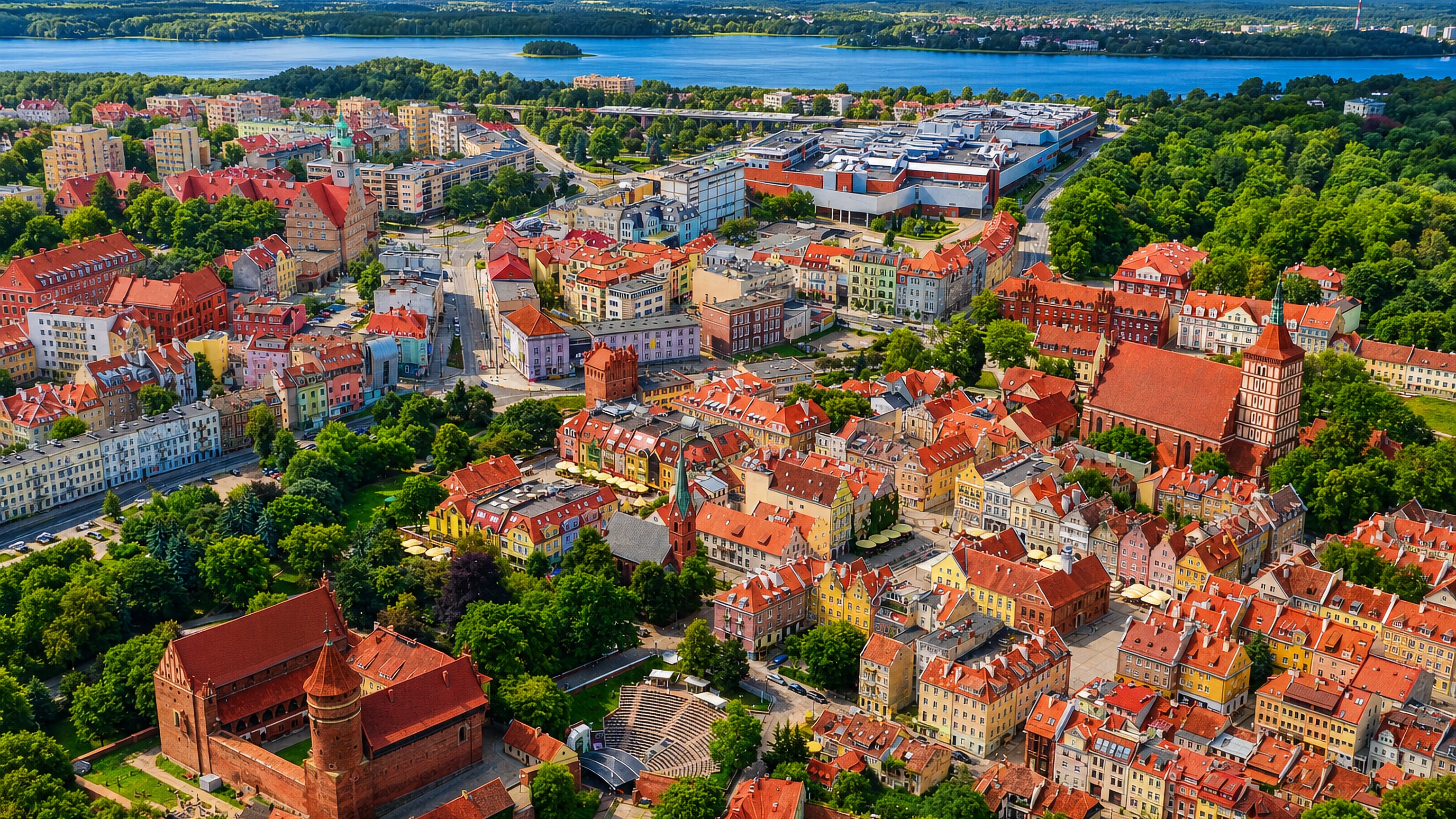
Olsztyn gathers most of its lodging in and around the Gothic old town by the Łyna River. The market square sits at its centre. Beds cluster near the square and the Olsztyn Town Hall, within a short walk of the Castle of Warmian Bishops and the medieval High Gate that marks the old entrance to the walls.
Stay here to reach the castle and the museums on foot. Streets just outside the walls put the Olsztyn Cathedral and the Museum of Warmia and Masuria within easy reach. Pick this for the historic core.
Quieter, greener beds sit toward the wooded shores where the Masurian lakes edge the city and forest trails begin. Rail and road tie Olsztyn into the Warmian-Masurian Voivodeship around it. Choose the square for the sights; choose the lakeshore for calm.
Find hotels in Olsztyn
Direct booking searches for these neighbourhoods.
Gothic old town
The walled heart of Olsztyn around the market square and the Olsztyn Town Hall, steps from the Castle of Warmian Bishops and the medieval High Gate.Find hotels in Gothic old townForest trails and quiet nightsLakeshore edges
The wooded margins of Olsztyn where the Masurian lakes meet the city and paths lead out along the Łyna River into the forest.Find hotels in Lakeshore edgesHotel links are affiliate links: booking through them may earn us a commission, at no extra cost to you. It never affects how places are ranked. How this works
Things to do in Olsztyn
Ranked by global recognition; descriptions from Wikidata (CC0).
Museums & Galleries
3- Tartak Raphaelsohnów in Olsztyn Heritage
- Museum of Warmia and Masuria
- 5 Metalowa Street in Olsztyn
Churches & Religious Sites
8- Olsztyn Cathedral Heritage
- Sacred Heart church in Olsztyn Heritage
- Our Lady Queen of Poland church in Olsztyn Heritage
- Salvator church in Olsztyn Heritage
- Holy Cross chapel in Olsztyn Heritage
Show 3 more →
- Saint Joseph church in Olsztyn Heritage
- Christ the King and Saint Francis church in Olsztyn Heritage
- Orthodox church of the Pokrov in Olsztyn Heritage
Castles & Historic Sites
3- Castle of Warmian Bishops in Olsztyn Heritage
- Pomnik Wyzwolenia Ziemi Warmińsko-Mazurskiej w Olsztynie Heritage
- 5 Staszica Street in Olsztyn Heritage
Stadiums & Sports
1- Urania Hall
Landmarks & Notable Places
1- FM- and TV-mast Olsztyn-Pieczewo
worth knowingacross 5 categories in Olsztyn
About Olsztyn
What is Olsztyn known for?
Olsztyn is known for its Gothic old town and its lakeside setting in the Warmian-Masurian Voivodeship. The Castle of Warmian Bishops guards the historic core, where Nicolaus Copernicus once administered the surrounding lands for the Warmian church. Woods crowd the edges.
The medieval High Gate still frames the way into the old town, and the Masurian lakes press close to the streets. The Łyna River winds through it all.
What are the main landmarks in Olsztyn?
Olsztyn's landmarks crown the Gothic old town. The Castle of Warmian Bishops, where Nicolaus Copernicus once worked, stands above the Łyna River, while the brick Olsztyn Cathedral rises over the roofs nearby. Through the walls runs the medieval High Gate, and the Olsztyn Town Hall anchors the market square.
Nearby, the Museum of Warmia and Masuria sets out the region's story. The Mendelsohn House adds a later chapter to the city's heritage.
What is the history of Olsztyn?
Olsztyn was established in 1353 as a town of the Warmian church, laid out around a castle on a bend of the Łyna River. Bishops held the land. They built the Castle of Warmian Bishops to defend and govern the territory, and Nicolaus Copernicus later administered the region from within its walls, organising its defence in his time there.
The town rose behind brick walls pierced by the High Gate, with the Olsztyn Cathedral and a market square at its heart. Warmia changed hands between powers over the following centuries, and the German name Allenstein marked one long era. War and shifting borders reshaped it.
Olsztyn recovered. It became the capital of the Warmian-Masurian Voivodeship, the largest city among the Masurian lakes, its Gothic core still standing above the Łyna River.
Where is Olsztyn?
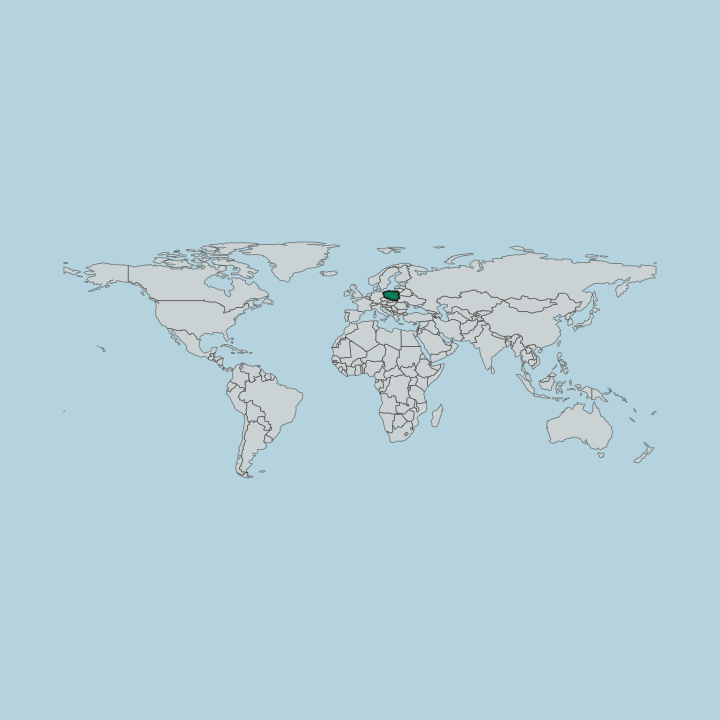
Olsztyn stands on the Łyna River in northern Poland, at the western edge of the Masurian lakes. The city grew up among woods and water, and several lakes lie within its bounds where the built-up area wraps around their shores. Forests of the Warmian-Masurian Voivodeship surround it.
Low moraine hills roll through. The river cuts a green corridor clean across the built-up centre.
What is the climate of Olsztyn?
Olsztyn has a temperate climate on the cooler, more continental side, set among the woods and Masurian lakes. Winters are cold and snowy. Away from the moderating sea and ringed by forest and water, the city runs colder than the coast, with frost common through the dark months and warm, green summers along the Łyna River.
Rain and snow are spread across the year. Spring and autumn are cool and often damp.
How do you get to Olsztyn?
Olsztyn is the transport hub of the Warmian-Masurian Voivodeship in northern Poland. Trains reach it from Warsaw and Gdańsk, meeting at the central station near the old town and linking the city across the region. A regional airport lies outside the city and serves the lake district around it.
Roads run out toward the Masurian lakes. Highways from the south connect Olsztyn to the rest of the country.
Common questions
What is the best area to stay in Olsztyn?
Gothic old town: The castle and museums on foot. Lakeshore edges: Forest trails and quiet nights.
Good for
More cities in Warmian-Masurian Voivodeship
Updated October 2026