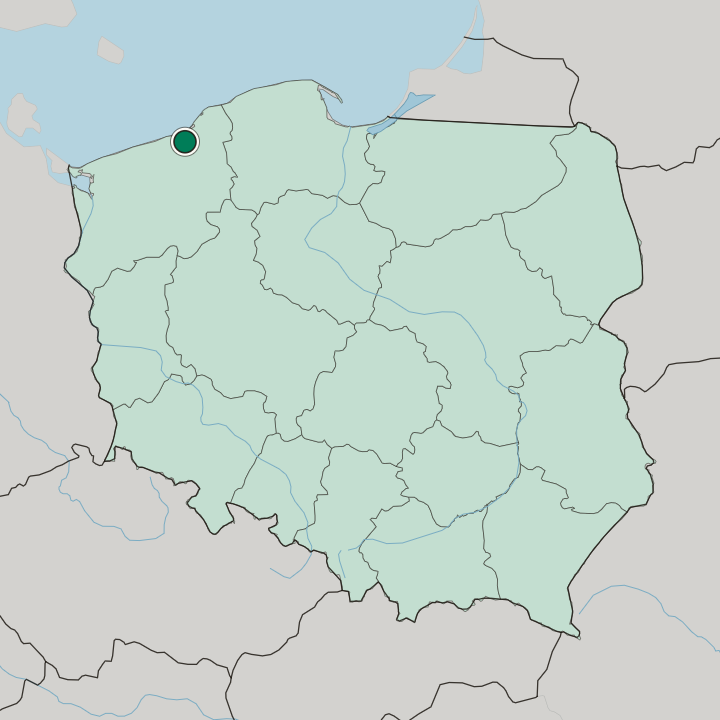
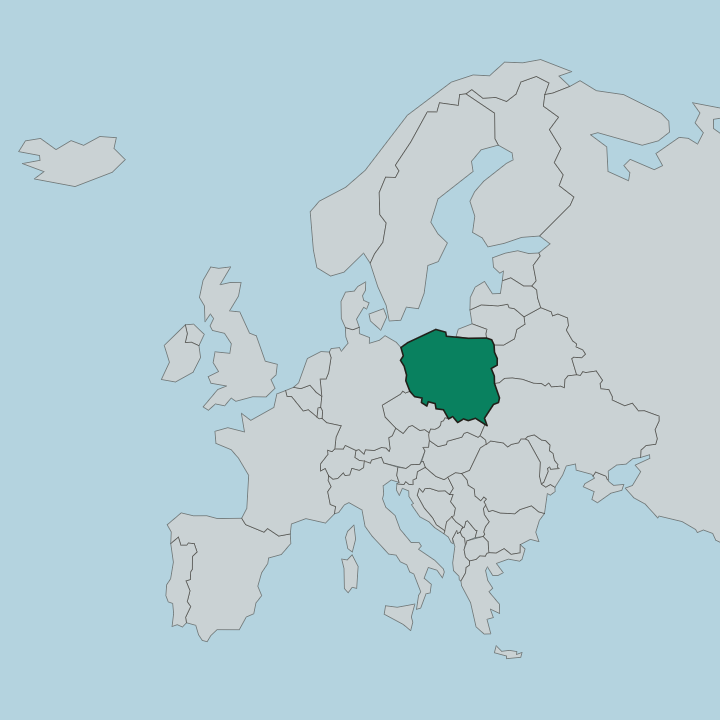
Poland · West Pomeranian Voivodeship
Where to Stay in Koszalin, West Pomeranian Voivodeship
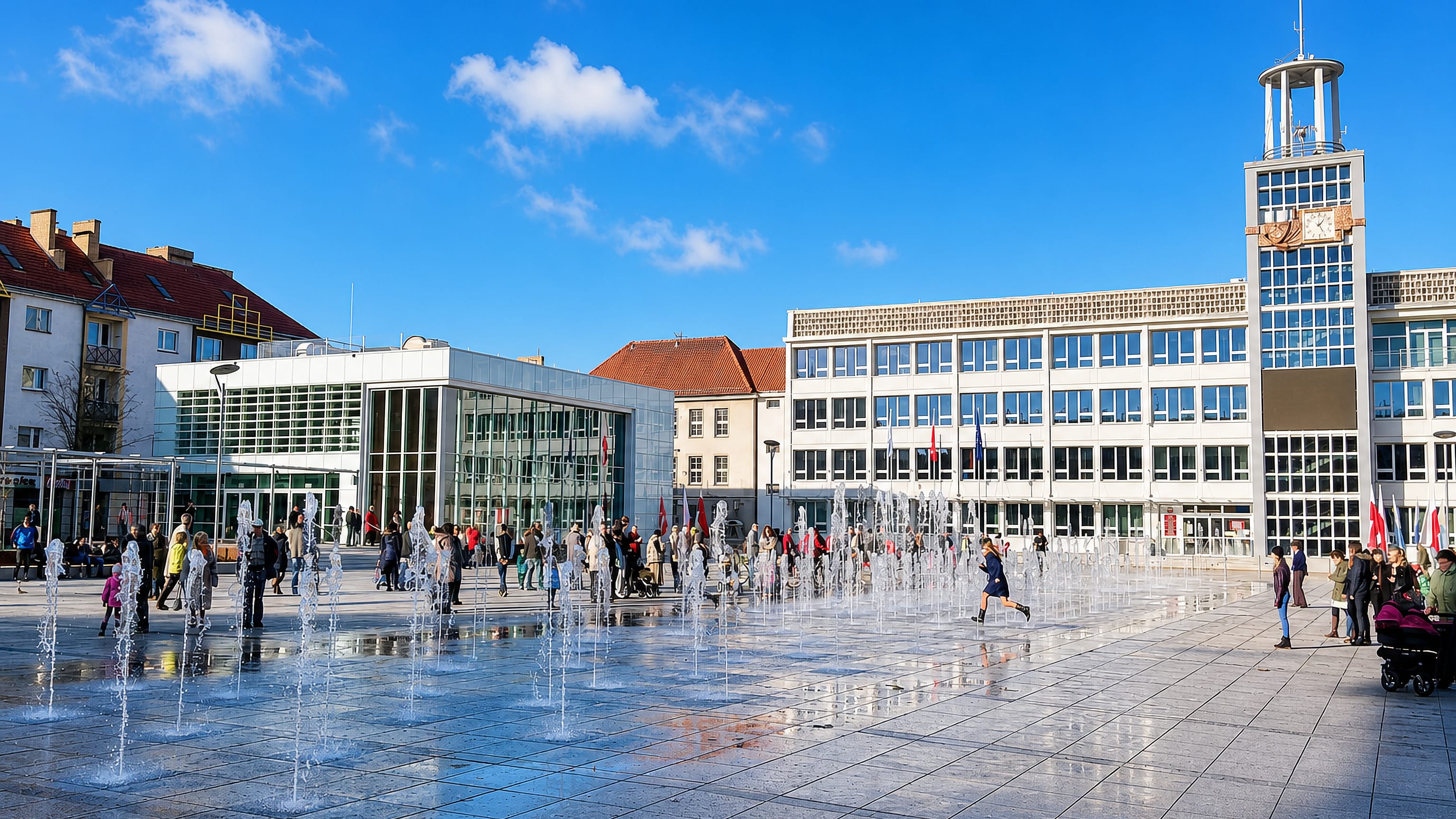
Koszalin is a West Pomeranian city on the Dzierżęcinka, inland from the Baltic Sea, with a Gothic cathedral and Góra Chełmska rising behind it.
Hotel links are affiliate links: booking through them may earn us a commission, at no extra cost to you. It never affects how places are ranked. How this works


Where to stay in Koszalin
Where the beds are, and what that means for the visit.
Koszalin Cathedral and Góra Chełmska mark the two ends of the choice, and the ground between them is short enough that a bed at either end still reaches the other on foot inside an hour. Grodzka Street cuts through the older half. A room by the cathedral puts the Muzeum w Koszalinie, the Wedding Palace in Koszalin and what is left of the Defensive walls in Koszalin within a few minutes' walk, with Książąt Pomorskich Park closing the eastern edge of it.
The circuit takes one morning. Góra Chełmska suits anyone who intends to walk, because the hill carries a viewing tower and the climb begins more or less where the last streets stop. Kościuszki Park breaks the distance up.
The third option is the Mielno road, where rooms swap the museums for an early start towards the Baltic Sea and the resort at the end of it. Parking stops being an argument. A second morning in Koszalin fills easily with the Muzeum Wody w Koszalinie, the Muzeum Radia w Koszalinie and the Skansen Kultury Jamneńskiej, none of which asks for a car, and the St. Gertrude Chapel in Koszalin sits close enough to the route to be worth the detour.
Find hotels in Koszalin
Direct booking searches for these neighbourhoods.
Around the cathedral
Koszalin Cathedral, the Wedding Palace in Koszalin and Grodzka Street sit inside one short circuitFind hotels in Around the cathedralClimbs to the viewing tower on Góra Chełmska before breakfastThe Góra Chełmska side
Góra Chełmska begins where the housing stops, and Kościuszki Park carries the walk back inFind hotels in The Góra Chełmska sideEarly runs out to Mielno and the Baltic Sea with the car outsideThe Mielno road
Rooms on the Mielno road trade the Koszalin museums for parking and a clean exit north. Rooms are few around here — worth securing early.Find hotels in The Mielno roadHotel links are affiliate links: booking through them may earn us a commission, at no extra cost to you. It never affects how places are ranked. How this works
Things to do in Koszalin
Ranked by global recognition; descriptions from Wikidata (CC0).
Museums & Galleries
3- Muzeum w Koszalinie Heritage
- Skansen Kultury Jamneńskiej
- Muzeum Wody w Koszalinie
Churches & Religious Sites
3- Koszalin Cathedral Heritage
- St. Gertrude Chapel in Koszalin Heritage
- Saint Joseph church in Koszalin Heritage
Castles & Historic Sites
2- Zamek Książąt Pomorskich w Koszalinie
- Pomnik gen. Władysława Sikorskiego w Koszalinie
Nature & Outdoors
3- Książąt Pomorskich Park in Koszalin Heritage
- Kościuszki Park in Koszalin Heritage
- Przy Amfiteatrze Park in Koszalin Heritage
Landmarks & Notable Places
5- 3 Grodzka Street in Koszalin Heritage
- Wieża widokowa na Górze Chełmskiej Heritage
- Wedding Palace in Koszalin Heritage
- Elewacja domu Heritage
- Dom, XVII/XVIII Heritage
worth knowingacross 5 categories in Koszalin
About Koszalin
What is Koszalin known for?
Koszalin Cathedral holds the Gothic centre of the city, and the Muzeum w Koszalinie, the Muzeum Wody w Koszalinie and the Museum of Vladimir Vysotsky in Koszalin between them give a place of this size an unusually long list of collections. Museums account for much of it. Koszalińska Kolej Wąskotorowa still works out of Koszalin Wąskotorowy, and the Museum of Pomeranian Narrow Gauge Railways keeps the record of the lines that once crossed West Pomerania.
Mielno and the Baltic Sea lie a short run north.
What are the main landmarks in Koszalin?
Koszalin Cathedral is the oldest thing standing, and the Defensive walls in Koszalin and the St. Gertrude Chapel in Koszalin survive from roughly the same medieval stretch of building. Saint Joseph church in Koszalin came later. The Zamek Książąt Pomorskich w Koszalinie carries the ducal name into the modern street plan, while Galeria Scena, the Muzeum Sztuki Książki and the Museum of Vladimir Vysotsky in Koszalin cover the smaller collections.
Parks fill the gaps: Książąt Pomorskich Park in Koszalin, Kościuszki Park in Koszalin and Przy Amfiteatrze Park in Koszalin.
What is the history of Koszalin?
The charter is dated 1266, and the fabric that follows it is brick: Koszalin Cathedral, the fragments called the Defensive walls in Koszalin, and the St. Gertrude Chapel in Koszalin standing apart from the walled ground as such chapels usually did. Ducal Pomerania left its mark on the names. The Zamek Książąt Pomorskich w Koszalinie and Książąt Pomorskich Park in Koszalin both carry the title of the Pomeranian dukes, whose lands ran across the ground that later became West Pomerania.
Trade went north to the Baltic Sea. Narrow-gauge track changed the reach of the place. Koszalińska Kolej Wąskotorowa worked out of Koszalin Wąskotorowy and tied the town to the villages and the coast around it, and the Museum of Pomeranian Narrow Gauge Railways holds what remains of that system.
The twentieth century left its own monuments in the street: the Pomnik gen. Władysława Sikorskiego w Koszalinie, the Wedding Palace in Koszalin, and a set of institutions - the Muzeum w Koszalinie, the Muzeum Radia w Koszalinie, the Muzeum Wody w Koszalinie - that between them record the technical and civic sides of the same period. Older village life is kept separately.
The Skansen Kultury Jamneńskiej preserves the material culture of Jamno, the settlement absorbed into the city, and Koszalin itself became the seat of Koszalin County within the West Pomeranian Voivodeship.
Where is Koszalin?
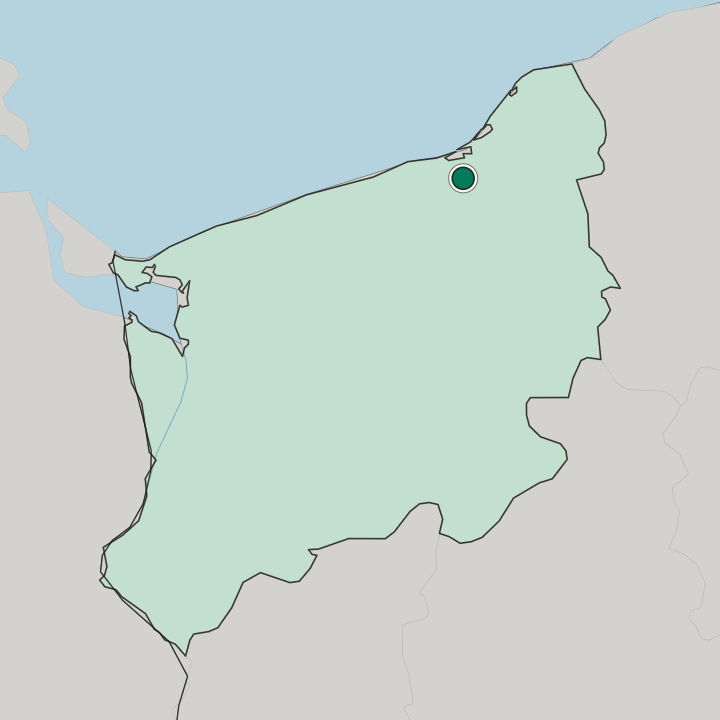
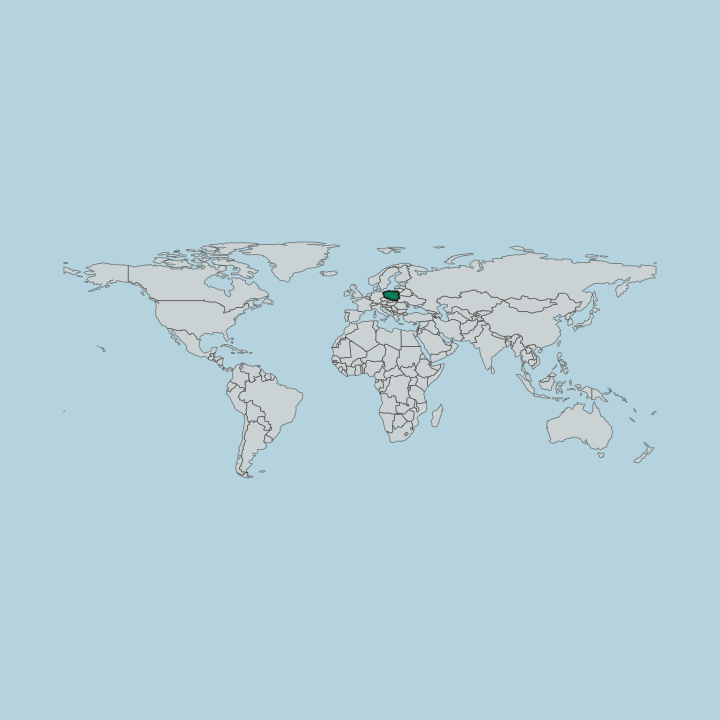
The Dzierżęcinka cuts through Koszalin, and the Baltic Sea coast lies about 12 kilometres north of the built-up ground, close enough that Mielno counts as a beach for the city rather than a separate trip. Góra Chełmska breaks the skyline. Roughly 105 square kilometres of West Pomeranian ground fall inside the city limits, most of it low, with the hill and its viewing tower giving the only real height.
Parks take up the rest.
What is the climate of Koszalin?
The Baltic Sea sets the terms here, holding the edge off the cold season and keeping the warm months short of anything fierce, since 12 kilometres is not far enough inland for Koszalin to escape the water's influence. Temperate northern seasons follow. Daylight swings hard between midsummer and midwinter, which matters to anyone planning a climb up Góra Chełmska or a run out to Mielno.
The shoulder months walk best.
How do you get to Koszalin?
Traffic reaches Koszalin mainly by highway. The coastal corridor of West Pomerania carries traffic past Koszalin towards Mielno and the Baltic Sea, and the same roads bring in the county traffic that the seat of Koszalin County generates on a working day. Koszalin Wąskotorowy is the narrow-gauge terminus.
Once inside, the cathedral, the Muzeum w Koszalinie and Książąt Pomorskich Park in Koszalin can all be reached on foot from one another.
Common questions
What is the best area to stay in Koszalin?
Around the cathedral: Walking mornings between Koszalin Cathedral and the Defensive walls in Koszalin. The Góra Chełmska side: Climbs to the viewing tower on Góra Chełmska before breakfast. The Mielno road: Early runs out to Mielno and the Baltic Sea with the car outside.
Good for
More cities in West Pomeranian Voivodeship
Updated October 2026