Poland · West Pomeranian Voivodeship
Where to Stay in Szczecin, West Pomeranian Voivodeship
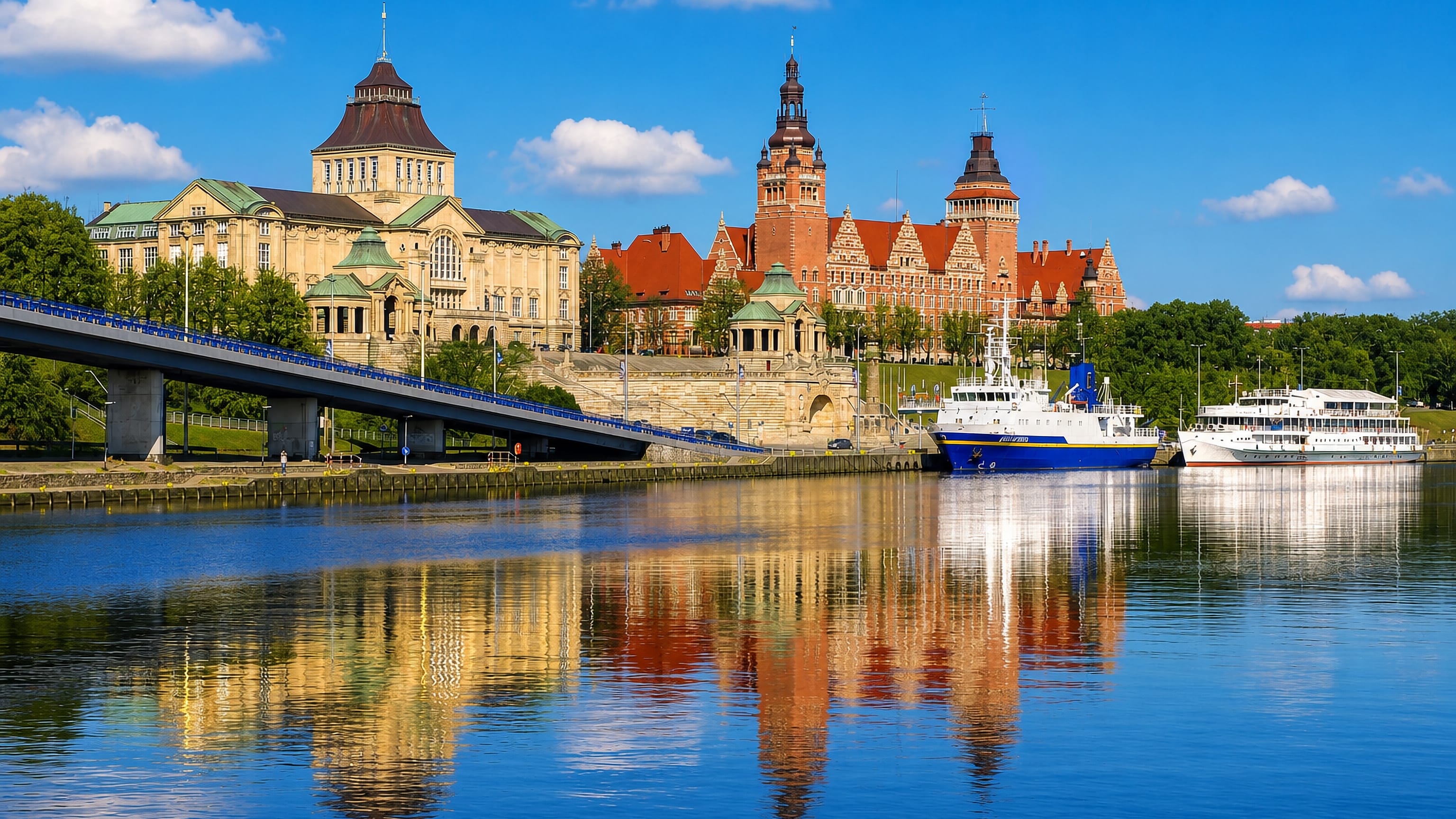
Ships work the Oder at Szczecin, the largest city of northwestern Poland and capital of West Pomeranian Voivodeship, a seaport known for its Ducal Castle.
Hotel links are affiliate links: booking through them may earn us a commission, at no extra cost to you. It never affects how places are ranked. How this works


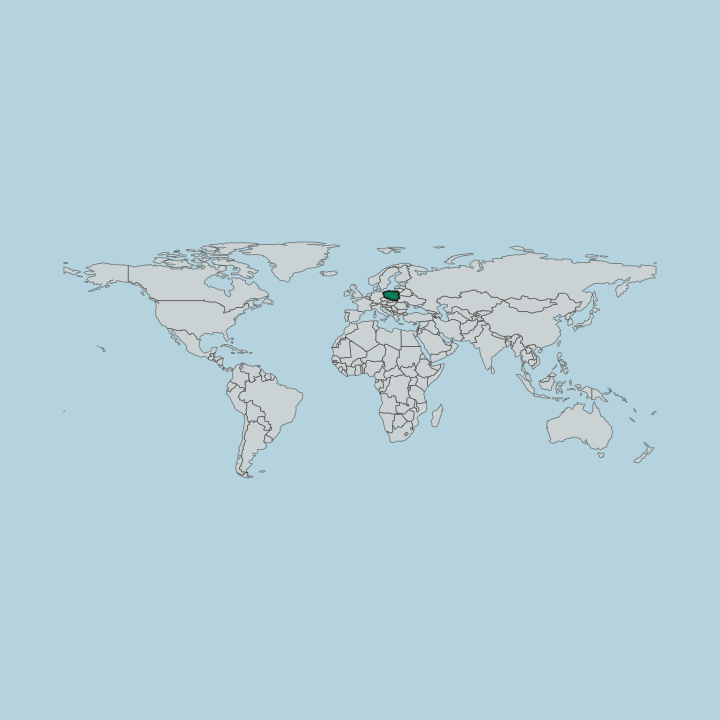
Where to stay in Szczecin
Where you base yourself shapes the visit — here's the character of each area.

 SzczecinPoland
Drzetowo-Grabowo
Drzetowo-Grabowo is a Szczecin neighbourhood inside the Śródmieście district, made from the two older quarters of Drzetowo and Grabowo.Drzetowo-Grabowo → SzczecinPoland
Świerczewo
Świerczewo is a Szczecin neighbourhood of mid-rise housing in the West district, holding the Central Cemetery in Szczecin within its bounds.Świerczewo → SzczecinPoland
Pogodno
Low-rise streets of detached houses make up Pogodno, the Szczecin neighbourhood that holds Kasprowicz Park and the lawns of Jasne Błonia.Pogodno → SzczecinPoland
Pomorzany
Pomorzany is a mid-rise housing neighbourhood of Szczecin, tenement blocks and working factories inside the city's West district.Pomorzany →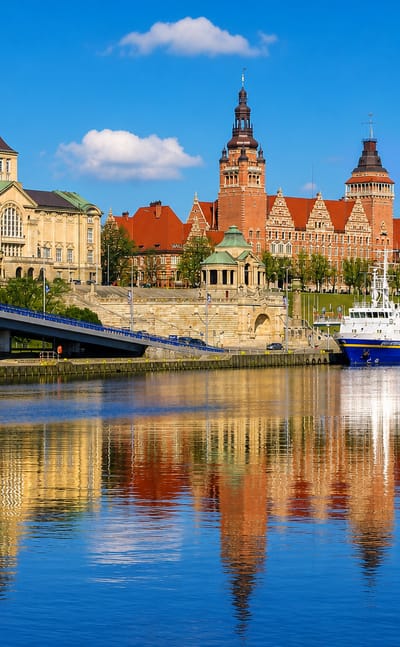 SzczecinPoland
Żelechowa
Two parish churches and a Carmelite convent mark Żelechowa, a municipal neighbourhood of Szczecin on the left bank of the Oder.Żelechowa → SzczecinPoland
Warszewo
Warszewo mixes single-family houses with multifamily blocks in Szczecin's North district, and holds the Saint Anthony of Padua Church of 1874.Warszewo → SzczecinPoland
Zdroje
Zdroje stands on the right bank of the East Oder, a Szczecin neighbourhood south-east of the Szczecin Old Town and south-west of Dąbie.Zdroje →SzczecinPolandPodjuchy
Podjuchy is a Szczecin neighbourhood on the right bank of the East Oder, marked by a lifting railway bridge span over the Regalica.Podjuchy →SzczecinPolandDąbie
Dąbie is a former town on the south coast of Dąbie Lake, taken into Szczecin as a neighbourhood on the right bank of the Oder.Dąbie →SzczecinPolandStołczyn
Stołczyn is a Szczecin neighbourhood on the west coast of the West Oder, with its own railway station and a Gothic church of the 13th century.Stołczyn →SzczecinPolandŻydowce-Klucz
Żydowce-Klucz occupies 10.3 square kilometres of right-bank Oder ground in Szczecin, Poland, well out from the Middle Town.Żydowce-Klucz → SzczecinPoland
Skolwin
Skolwin is a neighbourhood of Szczecin between the West Oder and the Przęsocin Plateau, with a parish church first built in the 13th century.Skolwin →SzczecinPolandZałom
Załom is an administrative neighbourhood of Szczecin, named Załom-Kasztanowe since 2012 and ringed by the forests of the Puszcza Goleniowska.Załom →Hotel links are affiliate links: booking through them may earn us a commission, at no extra cost to you. It never affects how places are ranked. How this works
Things to do in Szczecin
Ranked by global recognition; descriptions from Wikidata (CC0).
Museums & Galleries
2- National Museum in Szczecin
- Muzeum Techniki w Szczecinie
Churches & Religious Sites
8- Cathedral Basilica of St. James the Apostle Heritage
- Saints Peter and Paul church in Szczecin Heritage
- Church of Holy Heart of Jesus in Szczecin Heritage
- Saint John the Baptist church in Szczecin Heritage
- Church of the Holy Family in Szczecin Heritage
Show 3 more →
- Saint Andrew Bobola church in Szczecin Heritage
- Maximilian Kolbe church in Szczecin Heritage
- Our Lady of Jasna Góra church in Szczecin Heritage
Castles & Historic Sites
3- Ducal Castle Heritage
- Velthusen Palace in Szczecin Heritage
- Monument to Polish Endeavor
Nature & Outdoors
2- Kasprowicz Park in Szczecin Heritage
- Stefan Żeromski Park in Szczecin Heritage
Landmarks & Notable Places
8- Loitz house Heritage
- Dom ogrodnika, Szczecin Heritage
- Budynek gospodarczy, ob. dom mieszkalny i magazyn Heritage
- Dom KAROLAKÓW Heritage
- Dom diakonis, ob. dom mieszkalny Heritage
Show 3 more →
- Dom dyrektora, ob. apteka Heritage
- Dom pracowników kolejowych II Heritage
- Pastorówka, ob. dom parafialny Heritage
worth knowingacross 5 categories in Szczecin
About Szczecin
What is Szczecin known for?
Szczecin is known as the largest city and seaport of northwestern Poland and the capital of West Pomeranian Voivodeship. The port makes the city. It stands on the Oder south of the Baltic Sea, its docks handling one of Poland's largest cargo ports, while broad boulevards laid out on the pattern of Baron Haussmann fan out from the Ducal Castle.
Stettin was its older name.
What are the main landmarks in Szczecin?
Szczecin gathers its landmarks around the Ducal Castle and the boulevards above the Oder. The old stones stand close. The Ducal Castle and the Cathedral Basilica of St. James mark the historic heart, while the King's Gate and the Old City Town Hall recall the town's fortified past.
Parks open the modern centre. Jasne Błonia stretches out below the avenues, and the National Museum holds the record of Szczecin and the wider West Pomeranian Voivodeship.
What is the history of Szczecin?
Szczecin grew as a port on the Oder in northwestern Poland, long known in English as Stettin. The Oder gave rise to the town. Standing where the Oder runs down toward the Baltic Sea, the settlement rose as a Pomeranian trading and shipbuilding centre, and the dukes of Pomerania raised the Ducal Castle over the water as the seat of their rule.
Merchant houses and gates ringed the old quarter. The Loitz family banked here. Later rulers reshaped the whole city from its walls outward.
Prussia rebuilt the plan. Under Prussian and then German hands the fortified town was opened out into broad boulevards laid on the pattern of Baron Haussmann, and Stettin swelled into a major seaport serving Berlin and the Baltic trade. The Cathedral Basilica of St. James and the King's Gate came through those centuries into the modern city.
War later shattered the port, and the rebuilt streets of Szczecin now carry both the German past and the Polish present of West Pomeranian Voivodeship across the Oder.
Where is Szczecin?
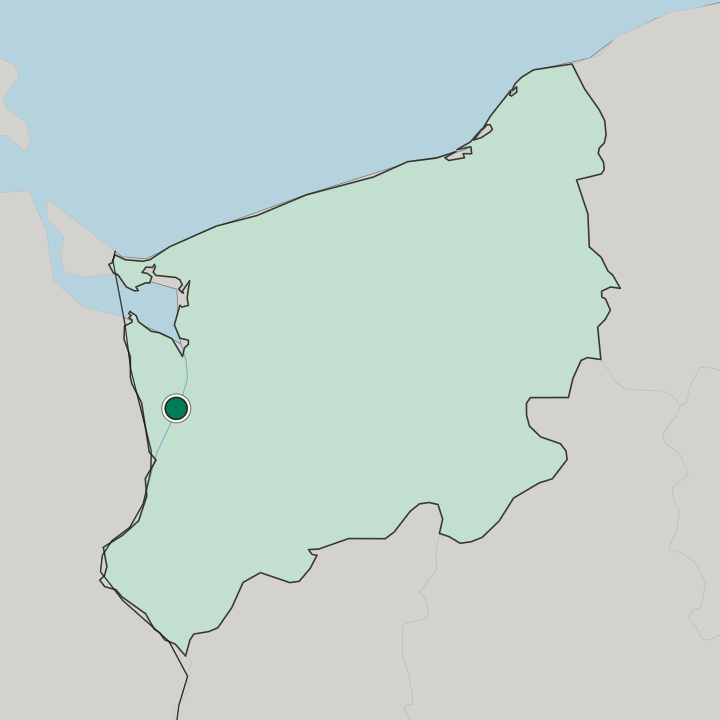
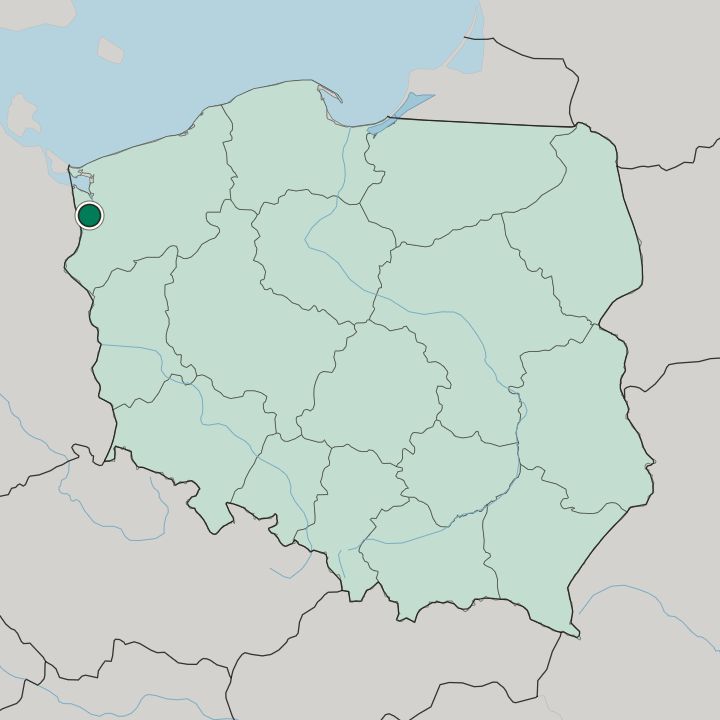
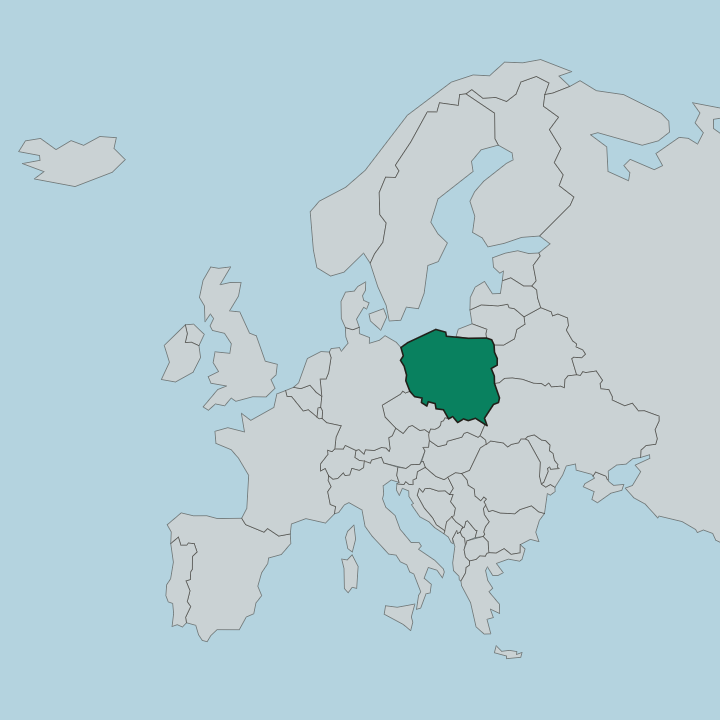
Szczecin lies on the Oder in northwestern Poland, near the German border and south of the Baltic Sea. The river shapes the city. The centre and the Ducal Castle stand on the western bank, while the docks and outer districts of Szczecin spread across the water and the wider lowland of West Pomeranian Voivodeship toward the coast.
What is the climate of Szczecin?
Szczecin has a temperate climate softened by the Baltic Sea, milder than the interior of northwestern Poland. The coast tempers the year. Winters run cool and damp along the Oder rather than deeply frozen, while summers stay warm and changeable across West Pomeranian Voivodeship, the nearby sea keeping the swing between them gentler than inland.
How do you get to Szczecin?
Szczecin is reached by road, by rail, and by water from across northwestern Poland and over the nearby German border. The routes converge on the port. Trains and roads run into the centre from Berlin and from the rest of West Pomeranian Voivodeship, and cargo and ferries work the Oder down toward the Baltic Sea, carrying travellers in toward the Ducal Castle.
Good for
More cities in West Pomeranian Voivodeship
Updated October 2026