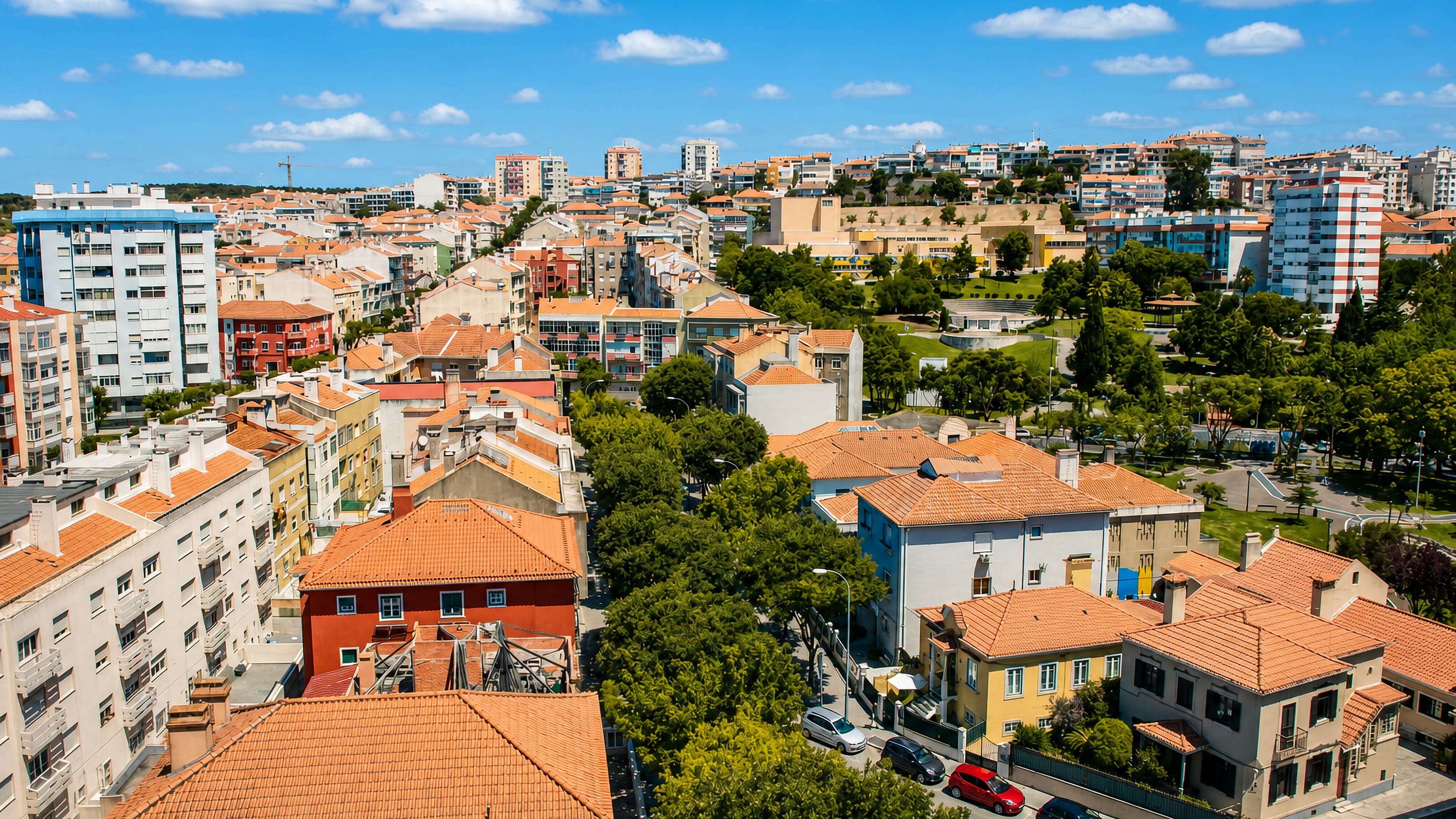
Portugal · Distrito de Lisboa
Where to Stay in Amadora, Distrito de Lisboa
Amadora sits in the Distrito de Lisboa, its record running from the Necropolis of Carenque to the Casa Roque Gameiro and a municipal gallery.
Hotel links are affiliate links: booking through them may earn us a commission, at no extra cost to you. It never affects how places are ranked. How this works


Where to stay in Amadora
Where visitors usually base themselves, and why.
The parish church fixes the middle. Igreja de Nossa Senhora do Amparo gives Amadora a centre to orient a stay around, and the Monumento ao Bombeiro and the Statue of Maria I of Portugal stand within the same walkable few streets. Queluz lies to one side.
Torre do Relógio marks it, and a room over there swaps the middle of town for a quieter address with a landmark of its own. Belas is the other named alternative. Igreja de Nossa Senhora da Misericórdia is its matriz church, and the ground around it carries an older feel than the streets nearer the centre of Amadora.
Carnide keeps its own parish church. Igreja Paroquial de Carnide anchors that side and Igreja de São Romão adds a third, so the choice being made here is really one between parishes rather than between districts. Quiet costs distance.
A base out at the Casal da Falagueira end keeps the Núcleo Museográfico do Casal da Falagueira and the Galeria Municipal Artur Bual within reach, but it leaves the Necropolis of Carenque and the surviving estates, Quinta do Ferreira among them, as separate errands on separate days.
Find hotels in Amadora
Direct booking searches for these neighbourhoods.
Around the Igreja de Nossa Senhora do Amparo
The middle of Amadora, where the Igreja de Nossa Senhora do Amparo and the Monumento ao Bombeiro stand together.Find hotels in Around the Igreja de Nossa Senhora do Amparoa base beside the Torre do RelógioQueluz
The Queluz side, marked by the Torre do Relógio and quieter than the streets around the Amparo church.Find hotels in Queluzolder ground by the matriz church of BelasBelas
Belas and its matriz church, the Igreja de Nossa Senhora da Misericórdia, out past the built-up part of Amadora. Lodging is scarce in this area; reserve in advance.Find hotels in BelasHotel links are affiliate links: booking through them may earn us a commission, at no extra cost to you. It never affects how places are ranked. How this works
Things to do in Amadora
Ranked by global recognition; descriptions from Wikidata (CC0).
Museums & Galleries
3- Casa Aprígio Gomes Heritage
- Galeria Municipal Artur Bual
- Núcleo Museográfico do Casal da Falagueira
Churches & Religious Sites
3- Igreja Paroquial de Carnide Heritage
- Igreja de Nossa Senhora da Misericórdia, matriz de Belas, incluindo o património móvel integrado e o adro Heritage
- Igreja de São Romão Heritage
Castles & Historic Sites
3- Necropolis of Carenque Heritage
- Monumento ao Bombeiro
- Statue of Maria I of Portugal
Landmarks & Notable Places
5- Torre do Relógio (Queluz) Heritage
- Casa da Quinta do Assentista Heritage
- Casa da antiga Quinta Grande Heritage
- Neo-Romantic House Facade in Amadora Heritage
- Quinta do Ferreira Heritage
worth knowingacross 4 categories in Amadora
About Amadora
Two names recur across the town.
What is Amadora known for?
Alfredo Roque Gameiro is commemorated twice over, in the Monumento a Alfredo Roque Gameiro and in the Casa Roque Gameiro, while the Galeria Municipal Artur Bual attaches a second artist to the municipal list. Firefighters have their own monument. The Monumento ao Bombeiro stands alongside the Statue of Maria I of Portugal and Aos Pioneiros da Aviação in a body of public sculpture that covers a queen, a trade and the first years of flight.
What are the main landmarks in Amadora?
Churches come first in number. The Igreja de Nossa Senhora do Amparo, the Igreja Paroquial de Carnide, the Igreja de São Romão and the Igreja de Nossa Senhora da Misericórdia at Belas make up the ecclesiastical half of the register. Sculpture makes up the rest.
The Monumento ao Bombeiro, the Statue of Maria I of Portugal, Aos Pioneiros da Aviação and the Monumento a Alfredo Roque Gameiro are all public, and the Torre do Relógio at Queluz stands apart from either group.
What is the history of Amadora?
Burial came before building. The Necropolis of Carenque is the oldest thing on the municipal register, and a burial site of that kind implies people working this ground long before any of the churches on the list were raised. Farms held the land next.
Quinta do Ferreira, the Casa da Quinta do Assentista and the Casa da antiga Quinta Grande are estate houses whose survival inside a built-up municipality shows what stood here before the streets arrived. Parish churches mark the older cores. Igreja de São Romão, Igreja Paroquial de Carnide and the Igreja de Nossa Senhora da Misericórdia at Belas each served a separate community, and the growth of Amadora eventually drew those communities into one municipality.
Then came the monuments. The Statue of Maria I of Portugal, Aos Pioneiros da Aviação and the Monumento ao Bombeiro belong to a civic phase of commemoration, while the Casa Aprígio Gomes and the Neo-Romantic House Facade in Amadora carry the domestic architecture of a comparable period. Art closed the sequence.
The Casa Roque Gameiro, the Galeria Municipal Artur Bual and the Núcleo Museográfico do Casal da Falagueira turn parts of that inheritance into places that can be visited.
Where is Amadora?
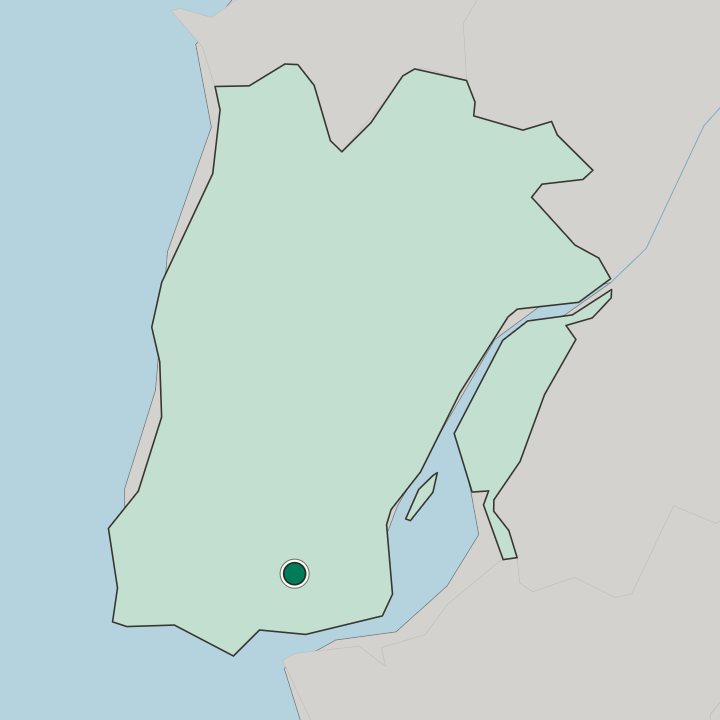
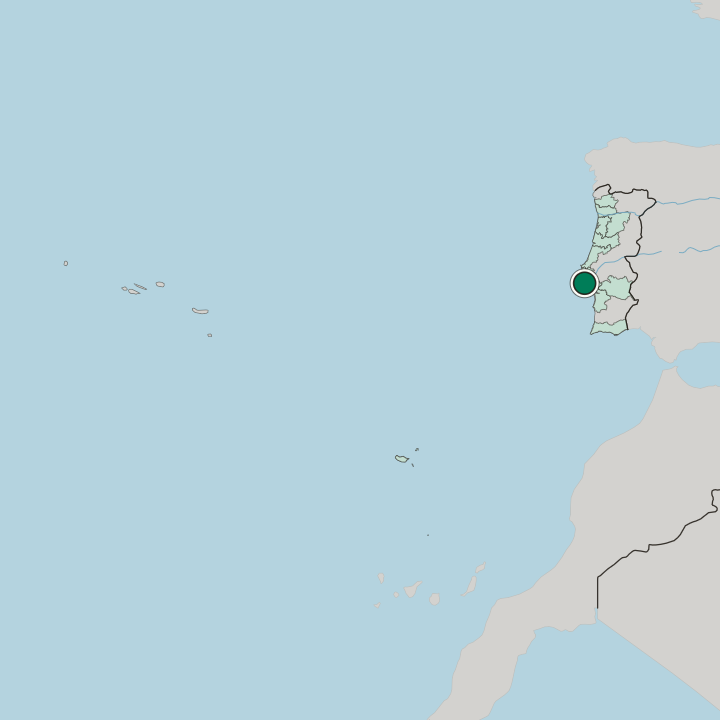
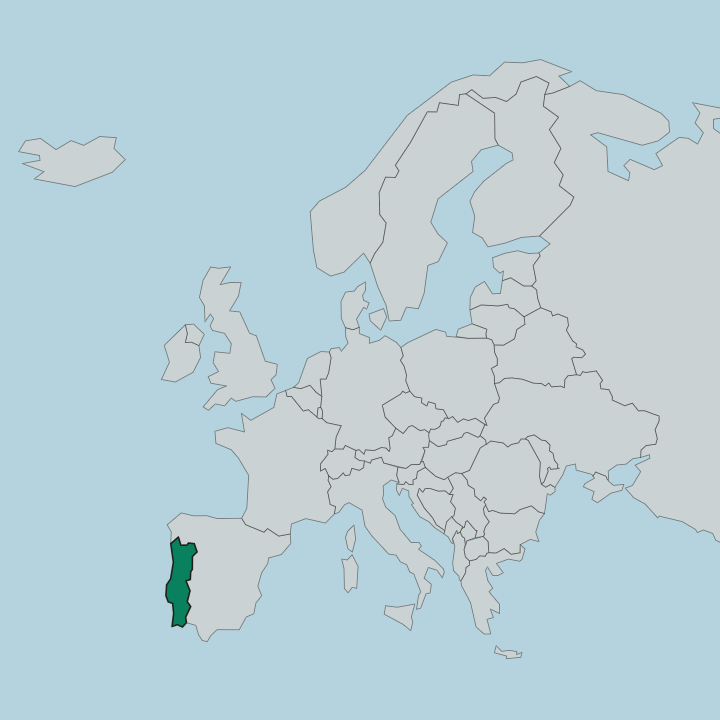
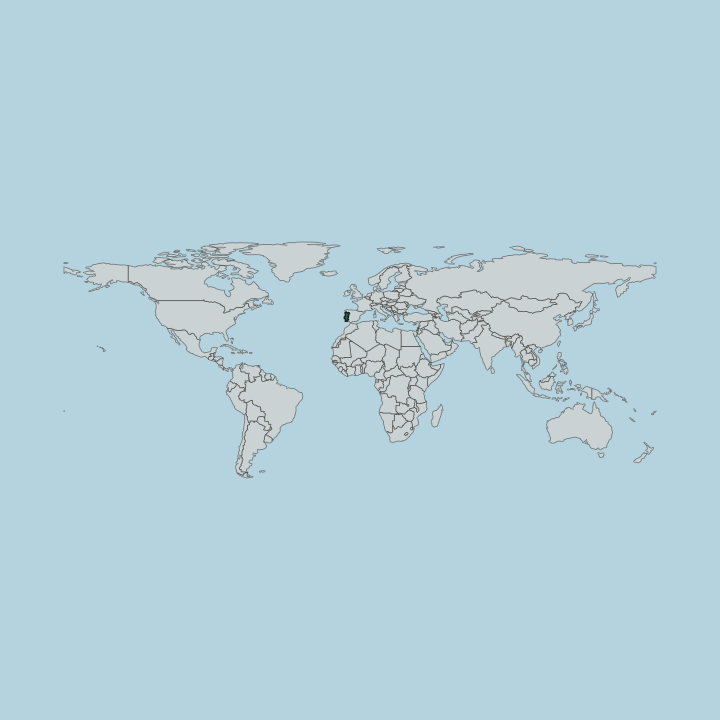
Amadora belongs to the Distrito de Lisboa. The municipality runs together with Carnide, Queluz and Belas, so its limits are marked by parish churches and by the Torre do Relógio rather than by any belt of open country. A temperate climate sits over Amadora.
Quinta do Ferreira and the other surviving estates show how far farmland reached before the streets closed over it, and the Necropolis of Carenque lies on that same ground.
What is the climate of Amadora?
The old estates explain the year. Ground like Quinta do Ferreira was farmed on a temperate calendar of mild wet winters and dry summers, and that pattern still shapes how the open parts of Amadora look from one season to the next. Summers run dry.
Rain belongs to the winter months, and a wet afternoon here is spent inside the Galeria Municipal Artur Bual or the Núcleo Museográfico do Casal da Falagueira rather than out at the Necropolis of Carenque.
How do you get to Amadora?
Arrival comes through the district. Amadora lies inside the Distrito de Lisboa with Carnide, Queluz and Belas among its neighbours, so an approach runs over continuous built-up ground rather than across any gap of open country. Torre do Relógio marks the Queluz approach.
Anyone going on to the Necropolis of Carenque or to the old quinta houses makes a second and shorter move once the middle of town is reached.
Common questions
What is the best area to stay in Amadora?
Around the Igreja de Nossa Senhora do Amparo: an evening walk past the Monumento ao Bombeiro. Queluz: a base beside the Torre do Relógio. Belas: older ground by the matriz church of Belas.
Good for
Another city in Distrito de Lisboa
Updated October 2026