Portugal · Distrito de Lisboa
Where to Stay in Lisbon, Distrito de Lisboa
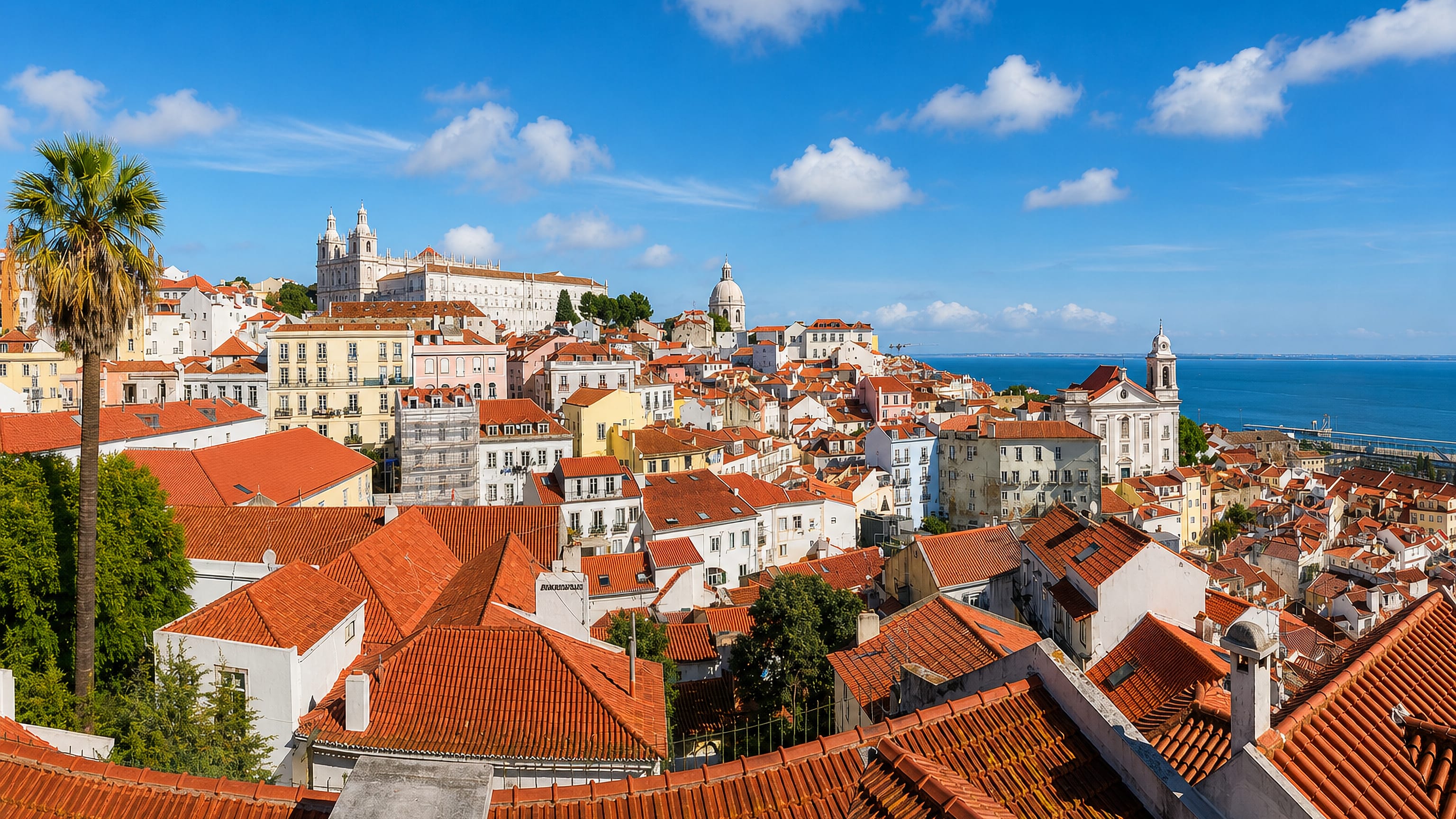
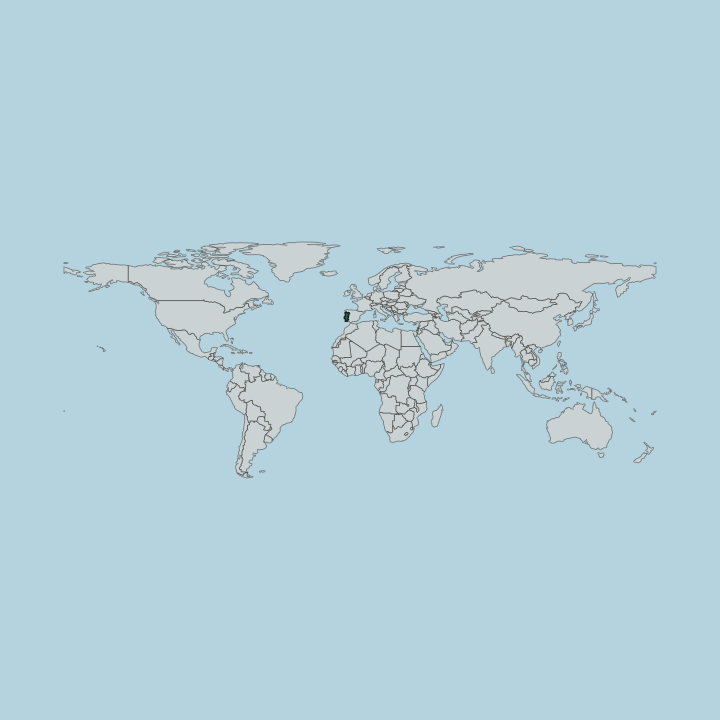
Lisbon is the capital of Portugal, a city set across seven hills at the wide mouth of the river Tagus on the western Iberian Peninsula.
Hotel links are affiliate links: booking through them may earn us a commission, at no extra cost to you. It never affects how places are ranked. How this works


Where to stay in Lisbon
Where you base yourself shapes the visit — here's the character of each area.

 LisbonPortugal
Santa Maria Maior
Santa Maria Maior is the historic core of Lisbon, the Baixa grid and Alfama hillside under the Castle of Saint George. Praça do Comércio meets the Tagus.Where to stay → LisbonPortugal
Campo de Ourique
Campo de Ourique is a residential parish on a plateau in west-central Lisbon, inland from the Tagus. Estrela, Alcântara and Campolide wrap around it.Where to stay → LisbonPortugal
Alcântara
Alcântara is a west Lisbon freguesia, a valley to the Tagus between Belém and Campo de Ourique, the Museum of the Orient at the Doca de Alcântara.Where to stay → LisbonPortugal
Avenidas Novas
Avenidas Novas is a central Lisbon parish where Avenida da República runs from Saldanha to Campo Pequeno, anchored by the Calouste Gulbenkian Museum.Where to stay → LisbonPortugal
Alvalade
Alvalade is a Lisbon parish laid out to a 1940s plan by the architect Faria da Costa, its name probably from the Arabic Al Balade, a walled place.Where to stay → LisbonPortugal
São Domingos de Benfica
São Domingos de Benfica, Sete Rios to Campo Grande: Calouste Gulbenkian Foundation, Lisbon Zoo, Campo Pequeno bullring, Torre do Tombo National Archive.Where to stay →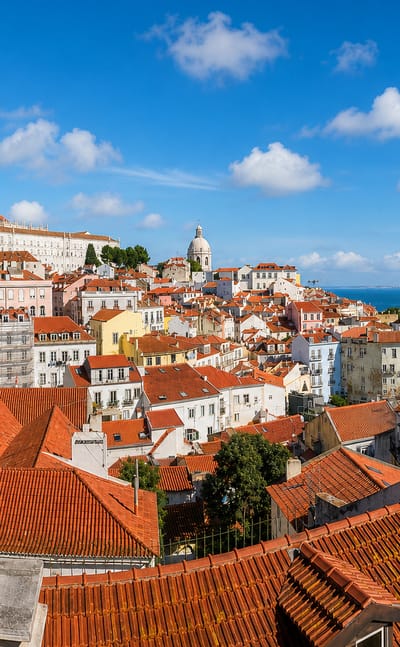 LisbonPortugal
Ajuda
Ajuda is a Lisbon parish that grew around a shrine to Our Lady of Help and became home to the royal court after the earthquake of 1755.Where to stay → LisbonPortugal
Belém
Belém is a west Lisbon parish on the Tagus, from the Jerónimos Monastery to the Padrão dos Descobrimentos. Portugal's Age of Discoveries set out here.Where to stay → LisbonPortugal
Lumiar
Lumiar sits on Lisbon's northern rim, an old village of walled quintas, holding the National Museum of Costume and the National Theatre and Dance Museum.Where to stay → LisbonPortugal
Santa Maria dos Olivais
Santa Maria dos Olivais, simply Olivais since 2012, is a Lisbon parish of 8.09 square kilometres, much of its western ground taken by Lisbon Airport.Where to stay → LisbonPortugal
Benfica
Benfica is a freguesia of northwest Lisbon by Amadora, its Luz corner around the Convento de Nossa Senhora da Luz. Sport Lisboa e Benfica took the name.Where to stay → LisbonPortugal
Parque das Nações
Parque das Nações is a freguesia on Lisbon's eastern edge, its riverfront holding the Lisbon Oceanarium, MEO Arena and Vasco da Gama Tower.Where to stay →Hotel links are affiliate links: booking through them may earn us a commission, at no extra cost to you. It never affects how places are ranked. How this works
Find hotels in Lisbon
Direct booking searches for these neighbourhoods.
The old hills around the Castle of Saint George
The high ground of Lisbon around the Castle of Saint George and the Graça Convent, its miradouros looking down over the river Tagus.Find hotels in The old hills around the Castle of Saint Georgethe flatter shopping streets and the museumsThe Chiado quarter and central slopes
The central hill of Lisbon around the Igreja de São Roque and the Carmo Archaeological Museum, holding the Chiado quarter and the level shopping streets.Find hotels in The Chiado quarter and central slopesthe open Atlantic west of the capitalThe Portuguese Riviera
The western reach of Lisbon's metro area running out to Cabo da Roca, where the coast faces the open Atlantic Ocean.Find hotels in The Portuguese RivieraHotel links are affiliate links: booking through them may earn us a commission, at no extra cost to you. It never affects how places are ranked. How this works
Things to do in Lisbon
Ranked by global recognition; descriptions from Wikidata (CC0).
Museums & Galleries
7- National Museum of Ancient Art Heritage
- National Archaeology Museum Heritage
- Pavilhão do Conhecimento - Ciência Viva Science Centre Heritage
- Dr. Anastácio Gonçalves House-Museum Heritage
- National Museum of Costume Heritage
Show 2 more →
- Rafael Bordalo Pinheiro Museum Heritage
- Casa Aprígio Gomes Heritage
Churches & Religious Sites
8- Jerónimos Monastery UNESCO
- Church of Santa Engrácia Heritage
- Monastery of São Vicente de Fora Heritage
- Igreja de São Domingos Heritage
- Igreja de São Roque Heritage
Show 3 more →
- Igreja de Santo António de Lisboa Heritage
- Graça Convent Heritage
- Church of Nossa Senhora da Conceição Velha Heritage
Castles & Historic Sites
5- Castle of Saint George Heritage
- Padrão dos Descobrimentos Heritage
- São Bento Palace Heritage
- Tejo Power Station Heritage
- Monumento a Camões Heritage
Stadiums & Sports
2- Campo Pequeno Bullring Heritage
- MEO Arena Heritage
Landmarks & Notable Places
2- Casa da Quinta de São José Heritage
- Casa da Quinta do Assentista Heritage
worth knowingacross 5 categories in Lisbon
About Lisbon
What is Lisbon known for?
Lisbon is the capital and most populous city of Portugal, set on seven hills above the river Tagus. The old city climbs steeply from the water. Its white limestone buildings and narrow alleyways run between viewpoints and churches, with the Castle of Saint George crowning the highest ground.
West of the centre the metro area reaches the Portuguese Riviera, which runs out to Cabo da Roca. The Atlantic Ocean lies beyond.
What are the main landmarks in Lisbon?
Lisbon's landmarks climb the seven hills above the river Tagus. The Castle of Saint George holds the highest ground, its walls looking down over the old city and the estuary. Below it stand the tiled Igreja de São Roque, the domed Church of Santa Engrácia and the Monastery of São Vicente de Fora, with São Bento Palace on the slopes to the west.
Art fills the Calouste Gulbenkian Museum and the National Azulejo Museum, while the Fado Museum keeps the city's own song. Viewpoints crown it all.
What is the history of Lisbon?
Lisbon grew up on the seven hills at the mouth of the river Tagus, where the estuary opens toward the Atlantic Ocean. The hills gave the old city its defences and its shape. The Castle of Saint George crowns the highest of them, the fortified heart from which the settlement spread down the slopes toward the water.
Around it the old city took form in white limestone, a tight weave of alleyways and stairways climbing between the churches. The river made the place. Sitting where the Tagus widens to meet the Atlantic, Lisbon became the capital of Portugal and its window on the ocean, a port looking west from the Iberian Peninsula.
That seaward outlook runs through its built heritage. The Monastery of São Vicente de Fora and the Church of Santa Engrácia rose on the hills above the harbour, and the Fado Museum keeps the song the city made by the water. The Tagus and the seven hills remain the frame of it all.
Where is Lisbon?
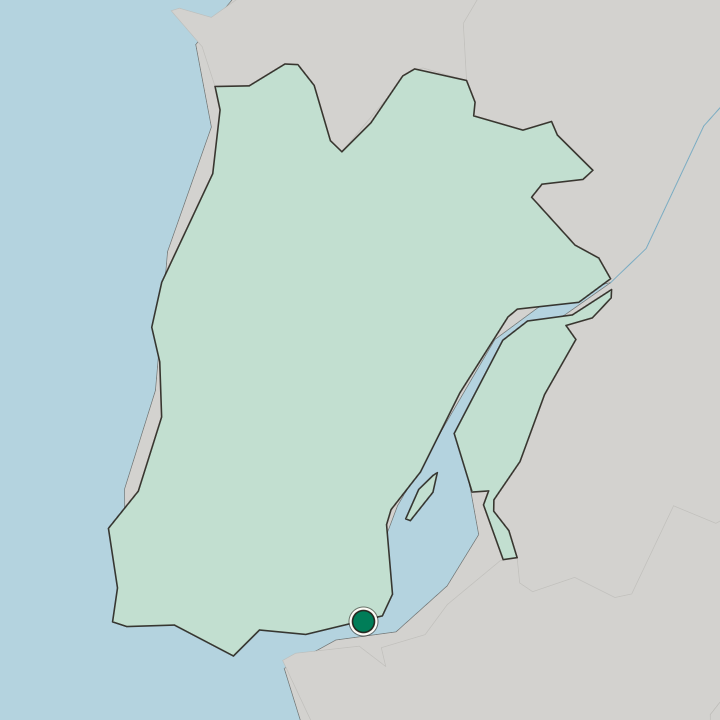
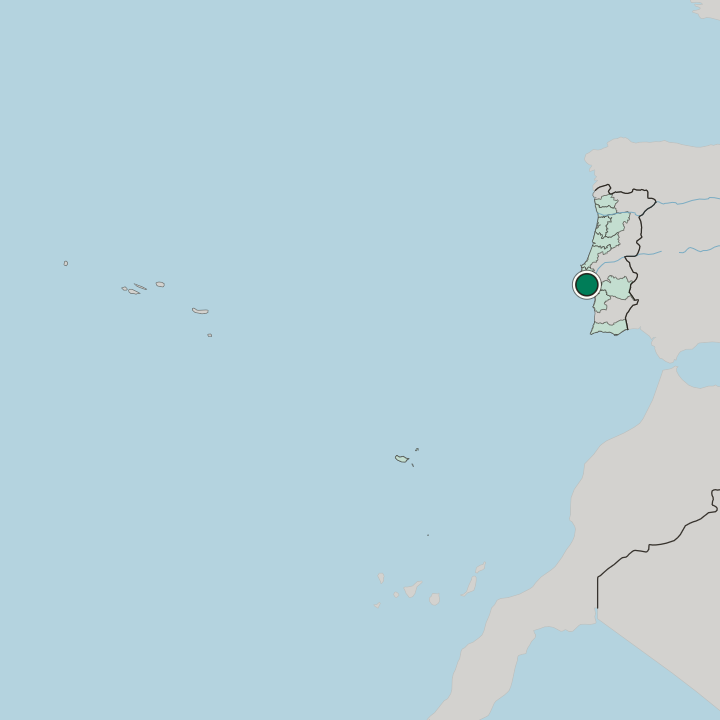
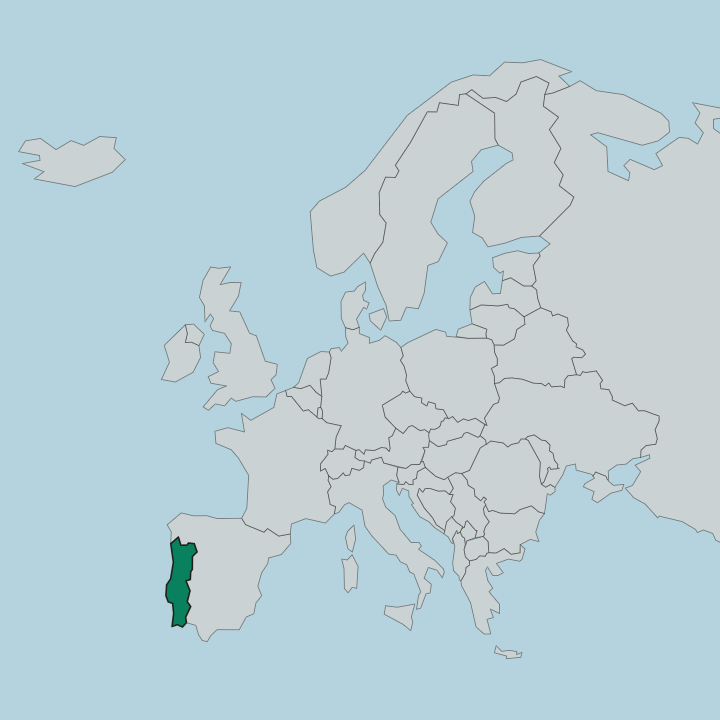
Lisbon lies in the western part of the Iberian Peninsula, on the northern shore of the river Tagus. The city rises from the water across seven hills. Its estuary widens below the slopes and opens west to the Atlantic Ocean, and the Portuguese Riviera carries the metro area on to Cabo da Roca, the westernmost point of continental Europe.
The Tagus sets the southern edge. Every hill looks down toward the river.
What is the climate of Lisbon?
Lisbon has a mild, temperate climate, warmed by its position on the river Tagus near the Atlantic Ocean. Summers run long, warm and dry. Winters stay soft and wetter, with rain arriving off the ocean rather than falling through the whole year, and the sea air reaching the seven hills from the estuary below.
The Tagus keeps the city even. Grey stretches are brief.
How do you get to Lisbon?
Lisbon is the main gateway of Portugal, reached most easily by air into the capital. Most visitors arrive that way. From the city, roads and rail run out along the river Tagus and west across the metro area toward the Portuguese Riviera and Cabo da Roca on the Atlantic Ocean.
The seven hills make the centre a place for walking once you arrive. The Tagus frames every approach.
Common questions
What is the best area to stay in Lisbon?
The old hills around the Castle of Saint George: hilltop views and the tiled churches of the old city. The Chiado quarter and central slopes: the flatter shopping streets and the museums. The Portuguese Riviera: the open Atlantic west of the capital.
Good for
Another city in Distrito de Lisboa
Updated October 2026