Portugal
Distrito de Lisboa, Portugal — Towns & Travel Guide
Distrito de Lisboa runs along the western coast of Portugal, a district built around the city of Lisbon at the wide mouth of the river Tagus.
Hotel links are affiliate links: booking through them may earn us a commission, at no extra cost to you. It never affects how places are ranked. How this works


Towns & cities in Distrito de Lisboa
Pick a town or city — each links to where to stay.
 Portugal
Lisbon
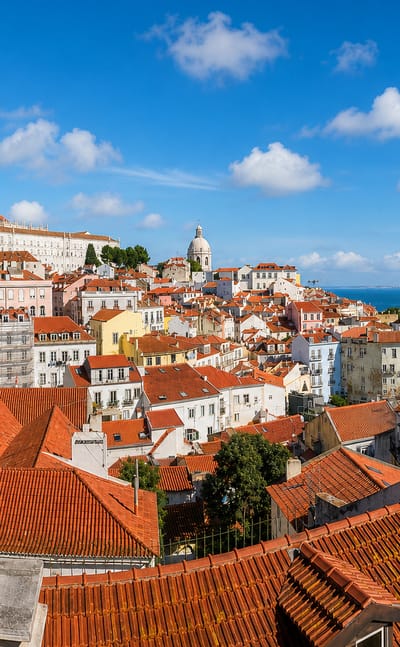
Lisbon is the capital of Portugal, a city set across seven hills at the wide mouth of the river Tagus on the western Iberian Peninsula.Where to stay →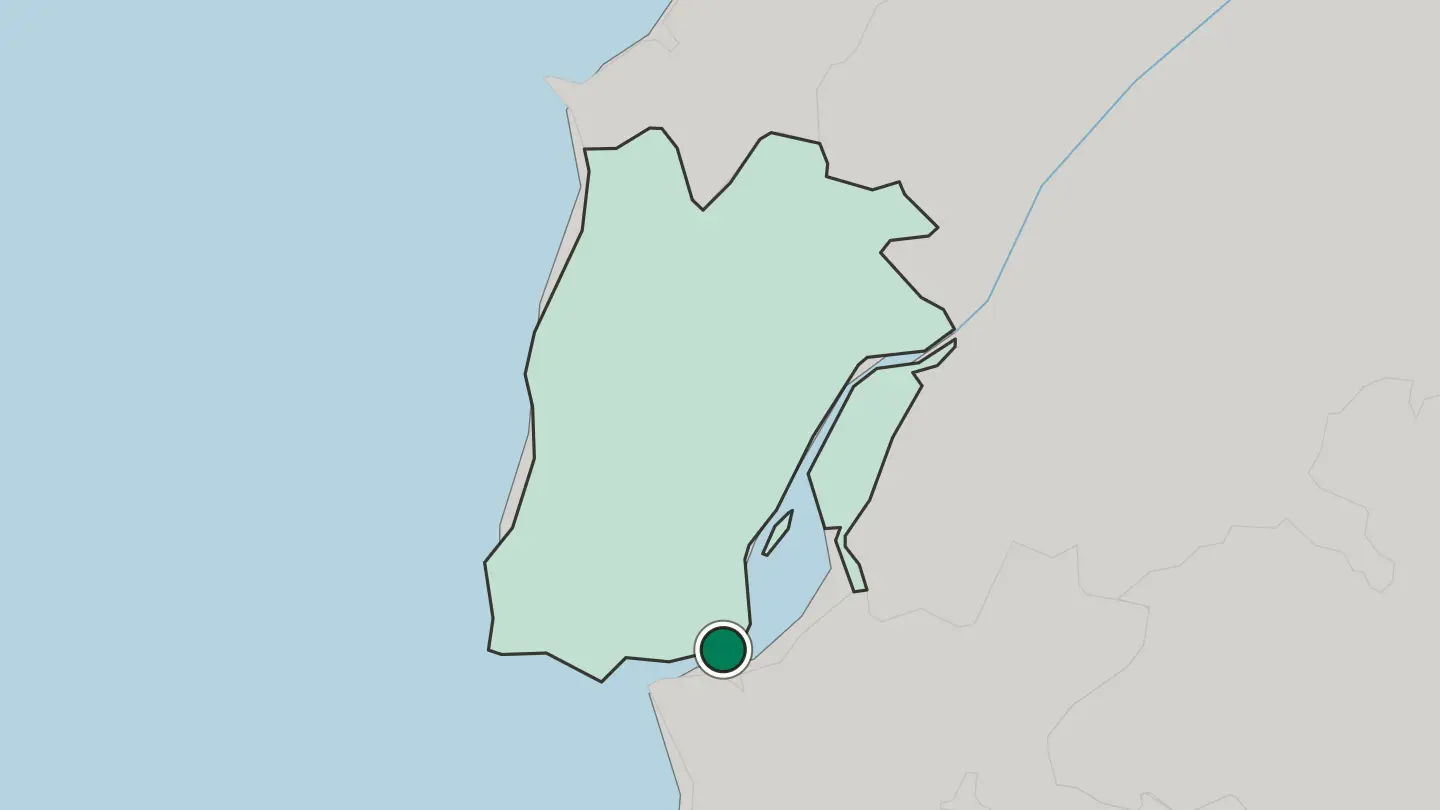
 Portugal
Amadora
Amadora sits in the Distrito de Lisboa, its record running from the Necropolis of Carenque to the Casa Roque Gameiro and a municipal gallery.Where to stay →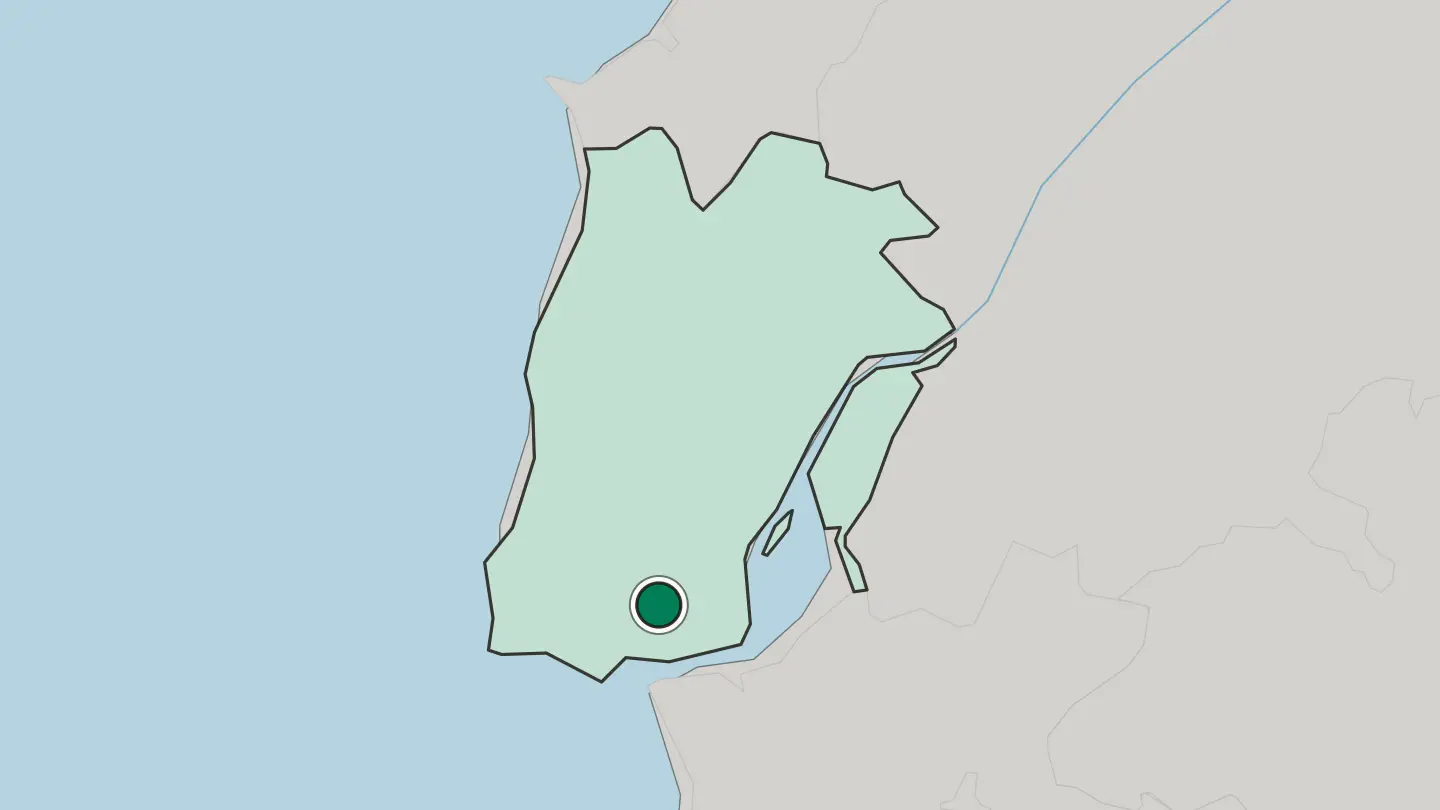
Hotel links are affiliate links: booking through them may earn us a commission, at no extra cost to you. It never affects how places are ranked. How this works
About Distrito de Lisboa
What is Distrito de Lisboa known for?
Distrito de Lisboa is known above all for its capital, the city of Lisbon, which is also the national capital of Portugal. The district sits on the western coast, where the river Tagus widens toward the Atlantic Ocean. Lisbon spreads across seven hills above that estuary.
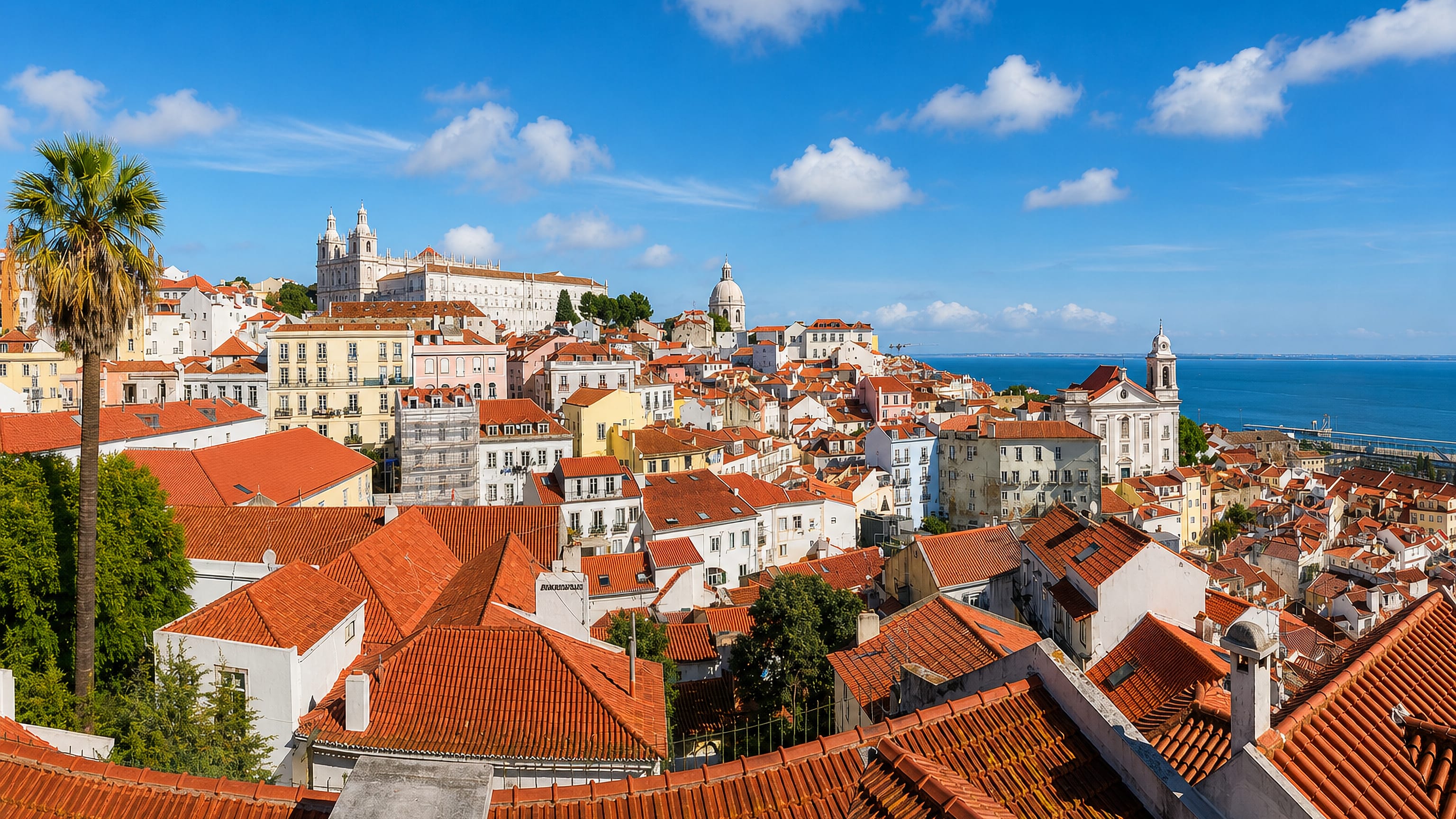
Its white limestone buildings and narrow alleyways give the district its familiar look. The Atlantic frames the whole western edge.
Where is Distrito de Lisboa?
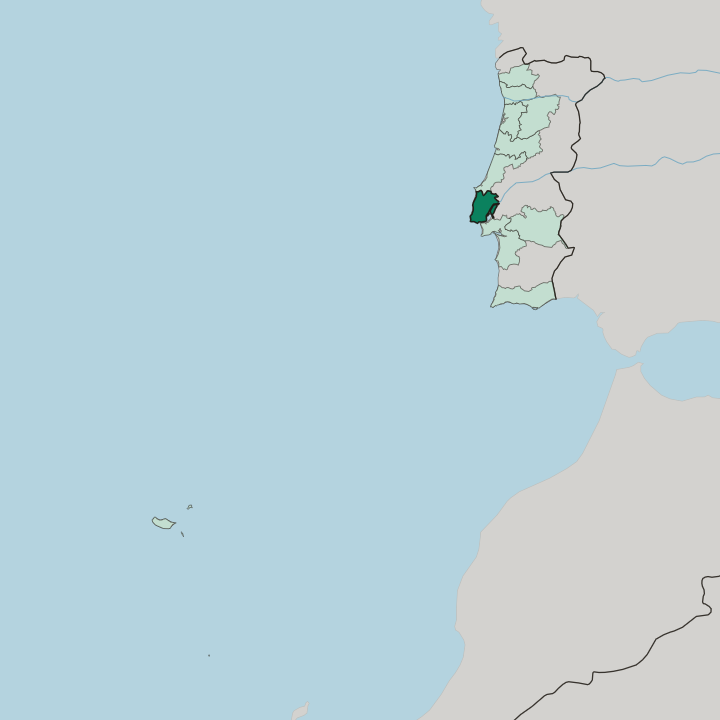
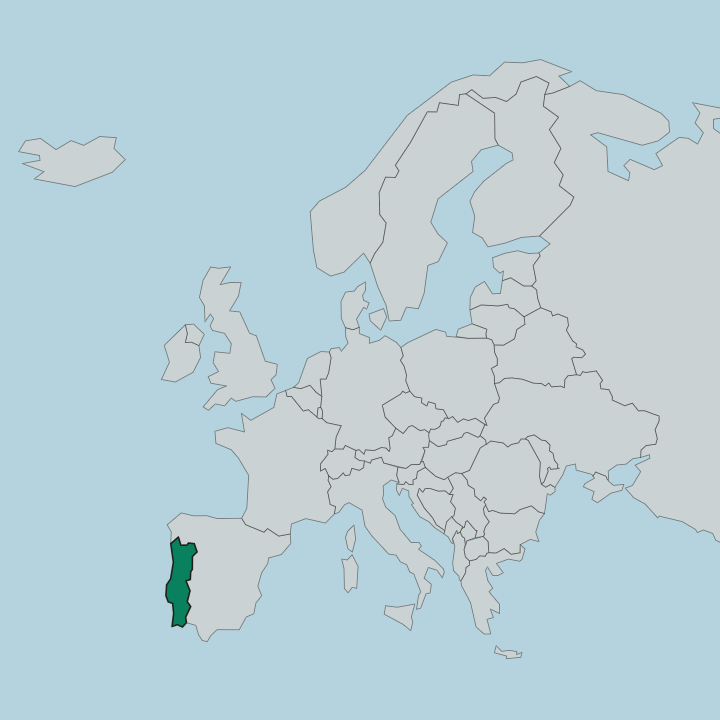
Distrito de Lisboa lies along the western coast of Portugal, where the river Tagus reaches the sea. Its capital, the city of Lisbon, stands at the wide mouth of that river. Water defines it.
The Tagus, known in Portuguese as the Tejo, widens into a broad estuary before it meets the Atlantic Ocean, and the old city rises from the north bank across a run of seven hills above the tide. Along the whole western edge, the Atlantic Ocean shapes an exposed coast open to the sea. This land is coastal and temperate, tied to the estuary and the ocean rather than to any inland range.
Lisbon holds the centre of it. Between the river mouth and the Atlantic shore, the district takes its name and its focus from that one city on the Tagus.
What is Distrito de Lisboa like?
Distrito de Lisboa carries the culture of its capital, the city of Lisbon, out across the district. The look of the place is unmistakable. White limestone buildings climb the seven hills above the river Tagus, and narrow alleyways thread between them down toward the water.
That mix of old fabric and everyday street life gives the district its character, the enduring identity of a Portuguese city that grew up facing the Atlantic Ocean. The district speaks Portuguese, the language of the country it sits within. Its life leans toward the sea.
Sitting where the Tagus meets the Atlantic, Lisbon has long looked outward from the western coast, a habit written into the trade and the traditions of the district around it. The estuary and the ocean remain the frame for how the place lives, and the capital sets the tone for the whole of Distrito de Lisboa.
What is the history of Distrito de Lisboa?
Distrito de Lisboa was created in 1835 as one of the administrative districts of Portugal, drawn around the city of Lisbon on the river Tagus. Its early bounds were larger than they are now. From its creation until 1926 the district also took in the area of the present Setúbal District, on the far side of the estuary.
That southern territory was later split away. The district then kept the country around Lisbon on the western coast.
What is the climate of Distrito de Lisboa?
Distrito de Lisboa has a mild, temperate climate, tempered by the Atlantic Ocean along its western coast. The sea keeps it even. Summers on the Tagus estuary run warm and largely dry, while winters stay soft and wetter, the rain arriving off the ocean rather than falling year round.
The open Atlantic shore feels the sea air most directly. It is a coastal climate, shaped by the water that frames the district.
How do you get to Distrito de Lisboa?
Distrito de Lisboa is reached first through its capital, the city of Lisbon on the river Tagus. Flights into Lisbon account for most arrivals. Lisbon is the main gateway of Portugal's western coast, and the district around it fans out from there toward the estuary and the Atlantic Ocean.
From the capital, roads and rail carry on across the Tagus and along the shore. The sea and the river set the shape of every approach.
Common questions
What is the best area to stay in Distrito de Lisboa?
Lisbon on the Tagus: the district capital by the estuary. The Atlantic coast west of Lisbon: the ocean edge of Distrito de Lisboa.
More regions in Portugal
Updated September 2026