Romania · București
Where to Stay in Bucharest, București
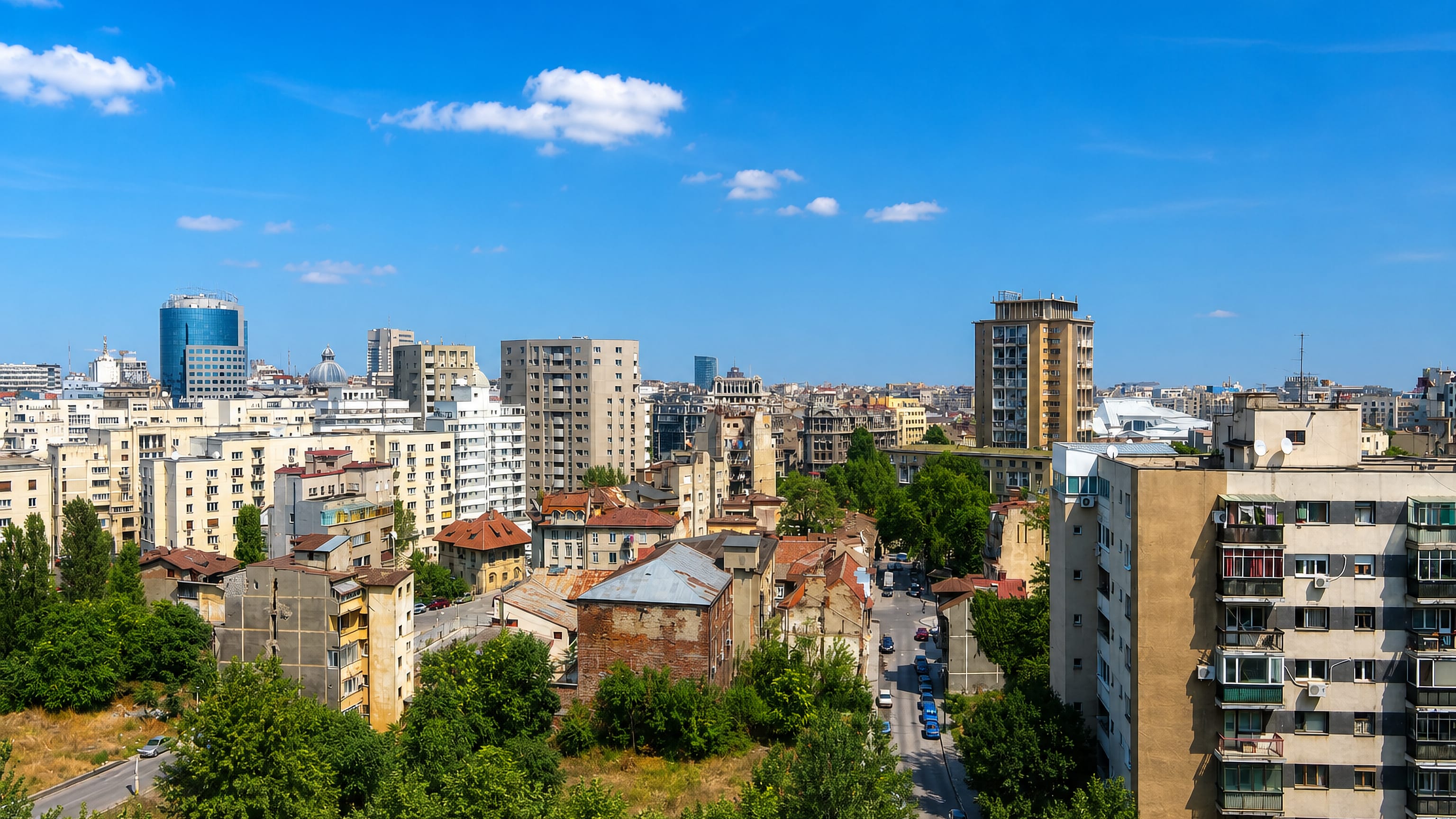
Old churches and glass towers crowd Calea Victoriei in Bucharest, the capital of România on the River Dâmbovița, known for its museums and monasteries.
Hotel links are affiliate links: booking through them may earn us a commission, at no extra cost to you. It never affects how places are ranked. How this works


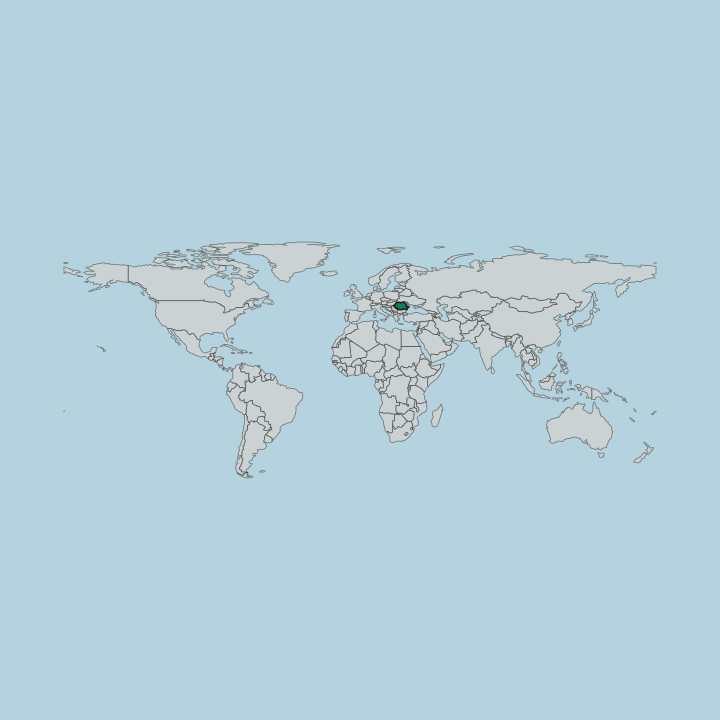
Where to stay in Bucharest
The right area depends on your trip — here's what each neighbourhood is best for.

 BucharestRomania
Dudeşti
Dudeşti is a quarter of Sector 3 in Bucharest, Romania, remembered for the Crucea de Piatră and largely demolished under the communist regime.Dudeşti → BucharestRomania
Dristor
Dristor is a neighbourhood in the southeastern part of Bucharest, Romania, gathered around a major node of the Bucharest Metro.Dristor →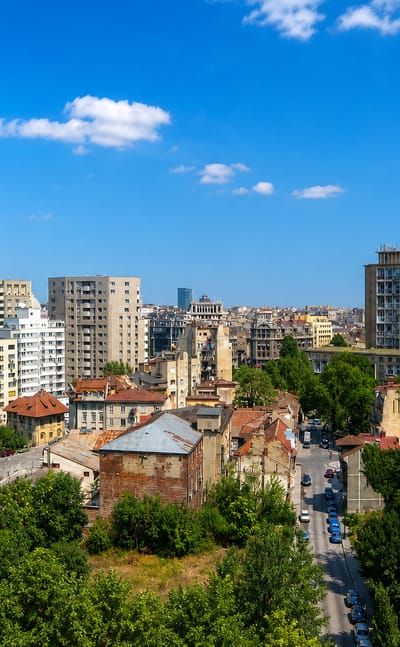 BucharestRomania
Sector 5
Sector 5 covers a central band of Bucharest, from the National Museum of Contemporary Art to the old walls of Mihai Vodă Monastery.Sector 5 →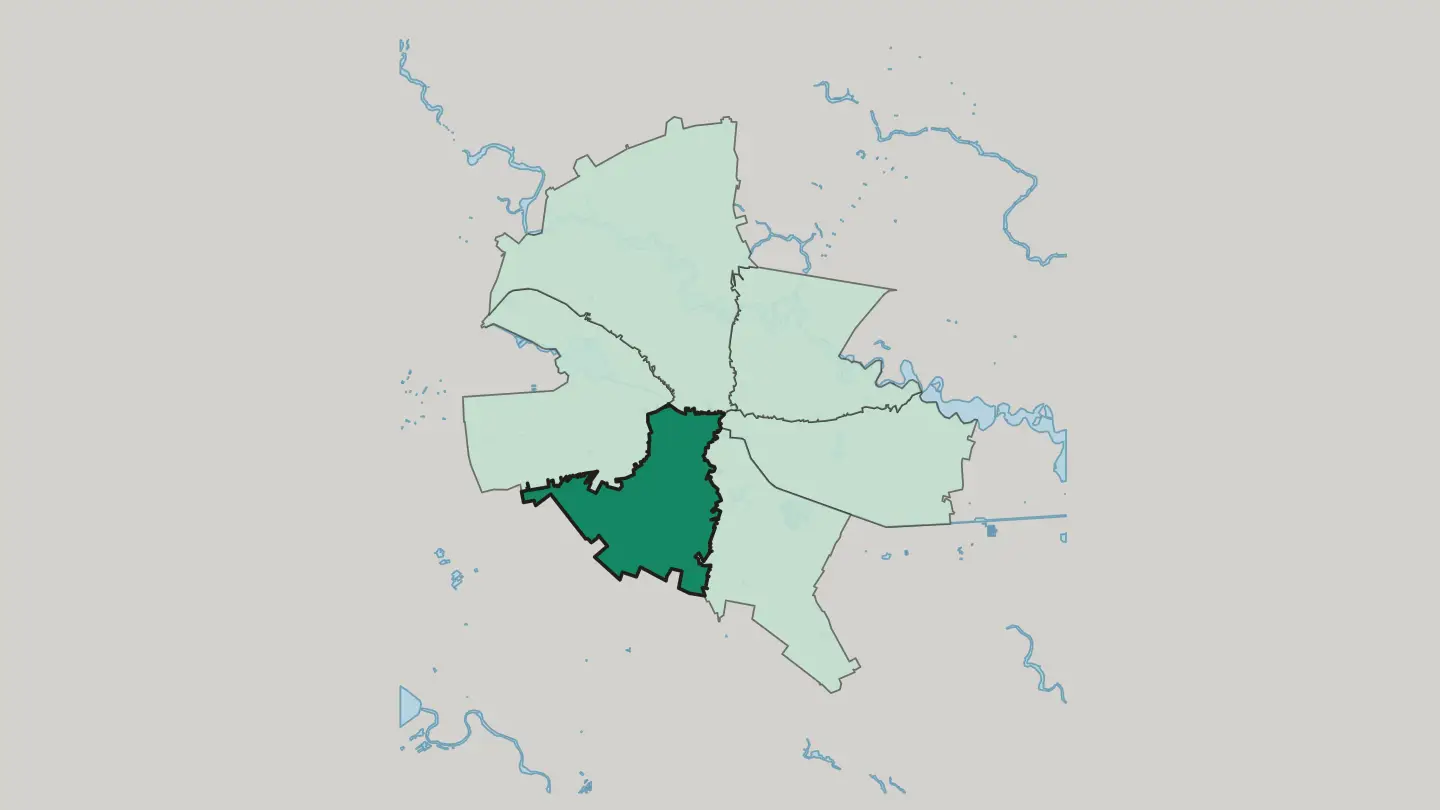
 BucharestRomania
Sector 4
Old monastery churches ring Sector 4, a part of central Bucharest that gathers Radu Vodă Monastery, Bucur Church, and Piața Unirii.Sector 4 →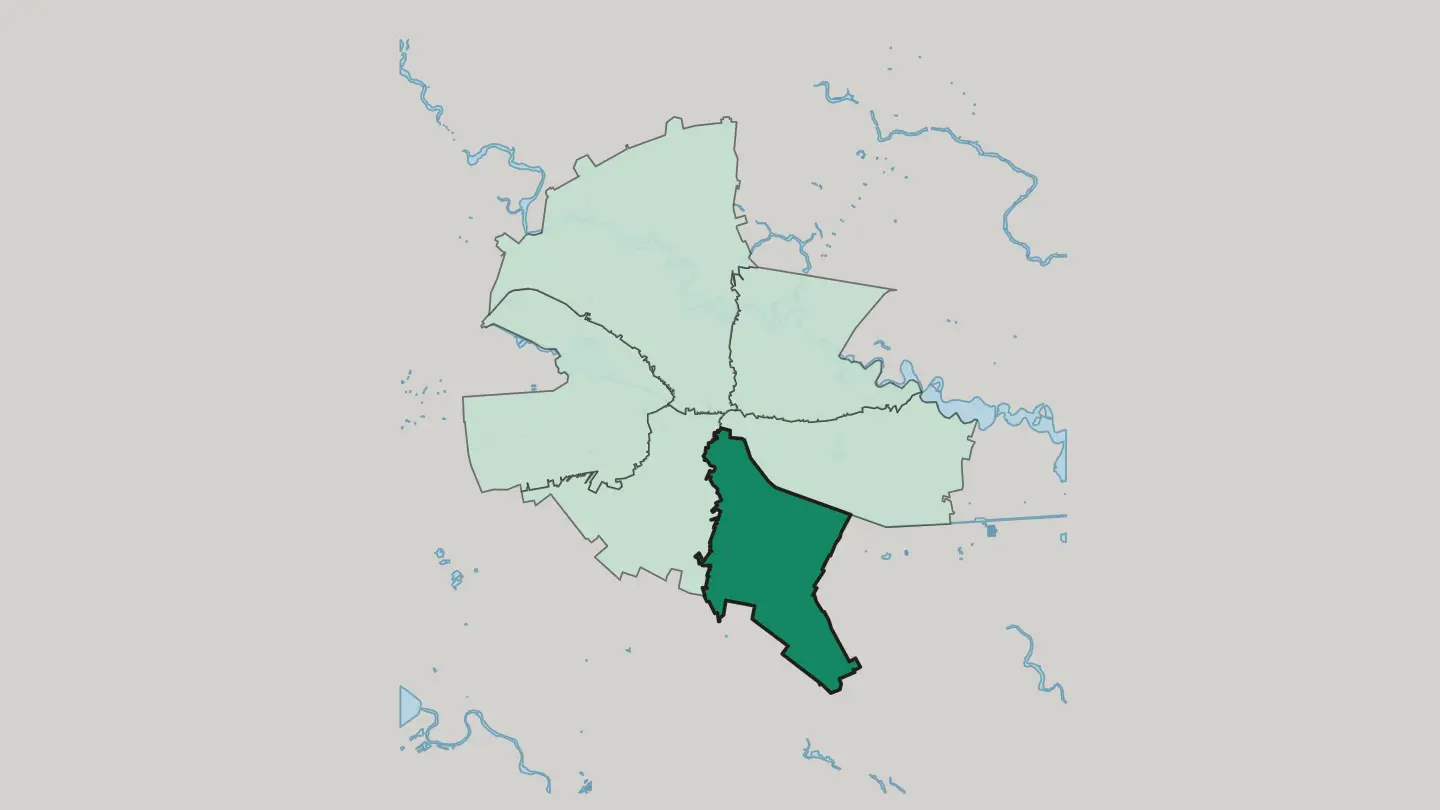
 BucharestRomania
Sector 2
Sector 2 is a district of Bucharest built around the Foișorul de Foc tower and a cluster of old parish churches.Sector 2 →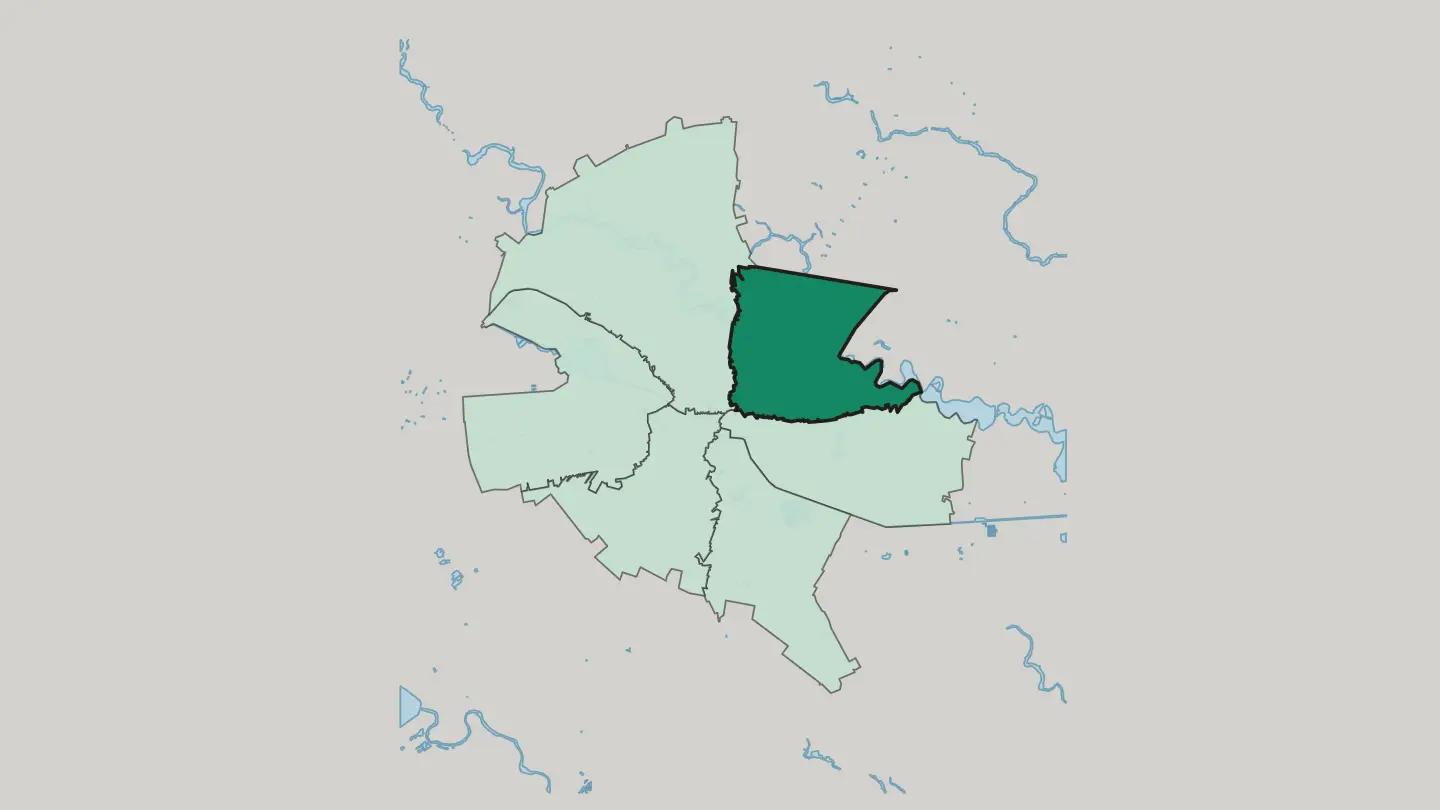
 BucharestRomania
Sector 3
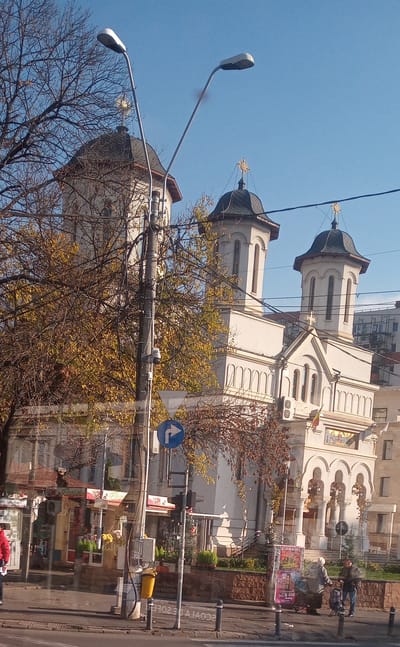
Stone monastery walls and museum halls mark Sector 3, a sector of Bucharest that takes in downtown around Stavropoleos Monastery and Piața Unirii.Sector 3 →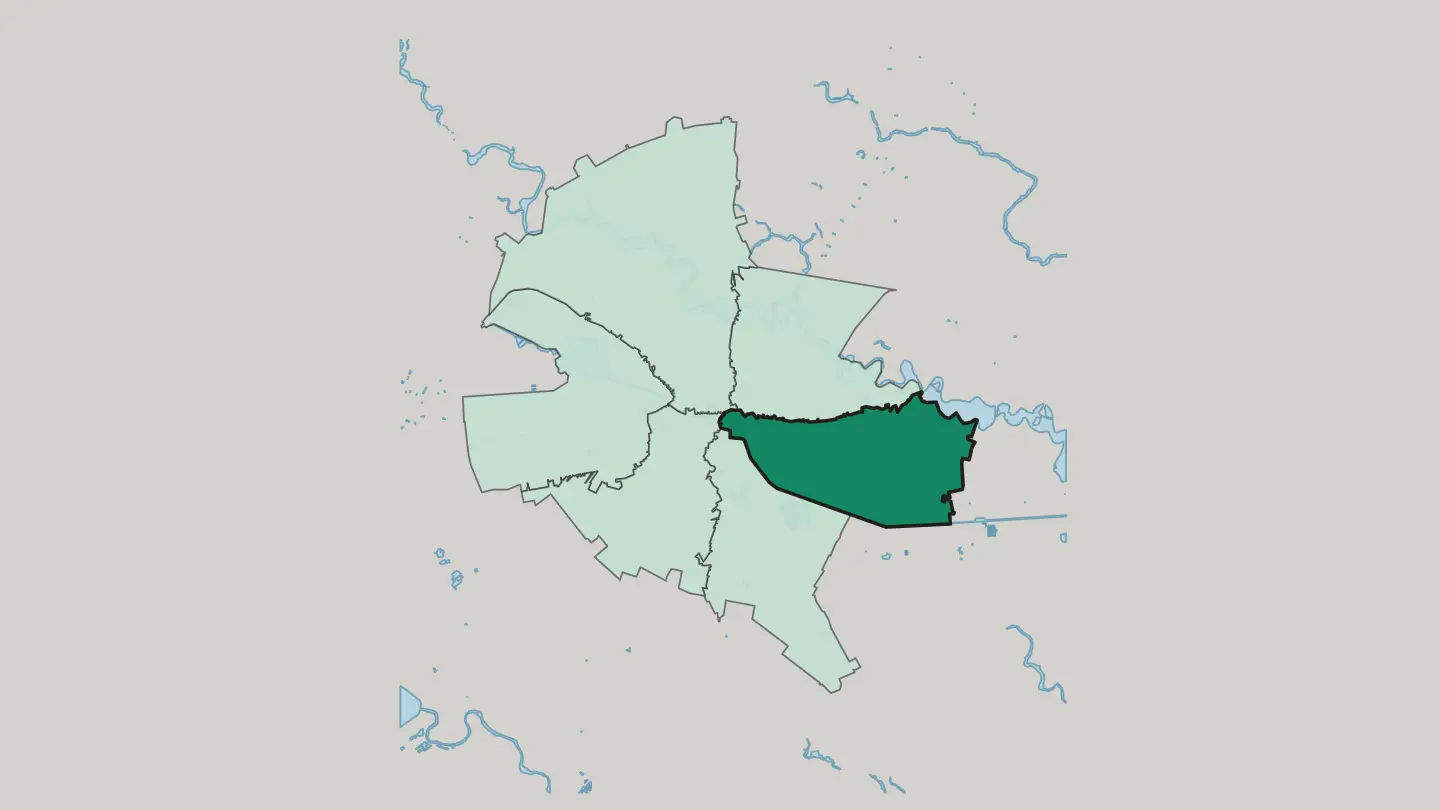
 BucharestRomania
Sector 6
Sector 6 is one of Bucharest's larger sectors by area, its landmarks reaching the central streets around Piața Unirii and Calea Victoriei.Sector 6 →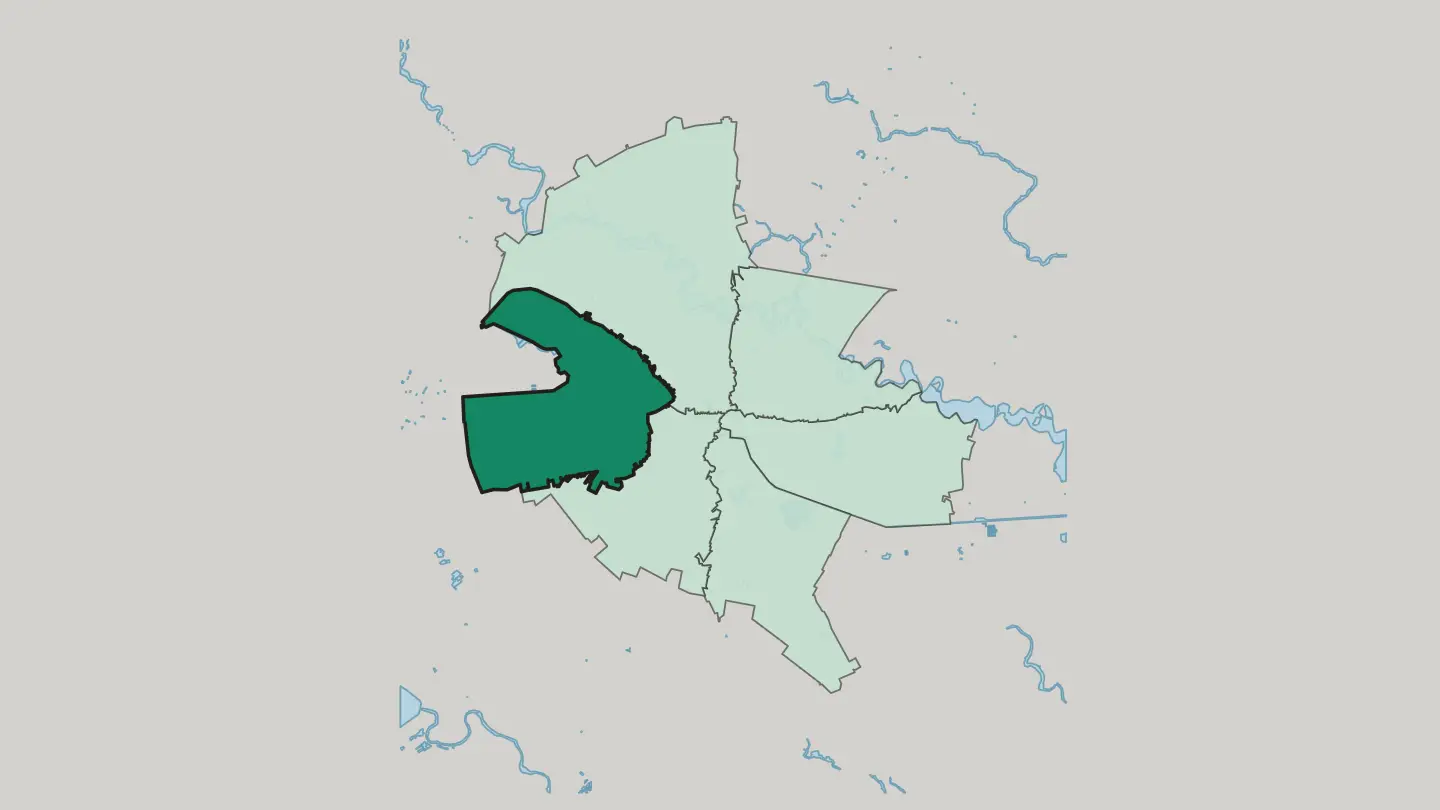
 BucharestRomania
Sector 1
Sector 1 spreads across the north of Bucharest, the city's largest sector by area, running from Calea Victoriei out to Băneasa and Pipera.Sector 1 →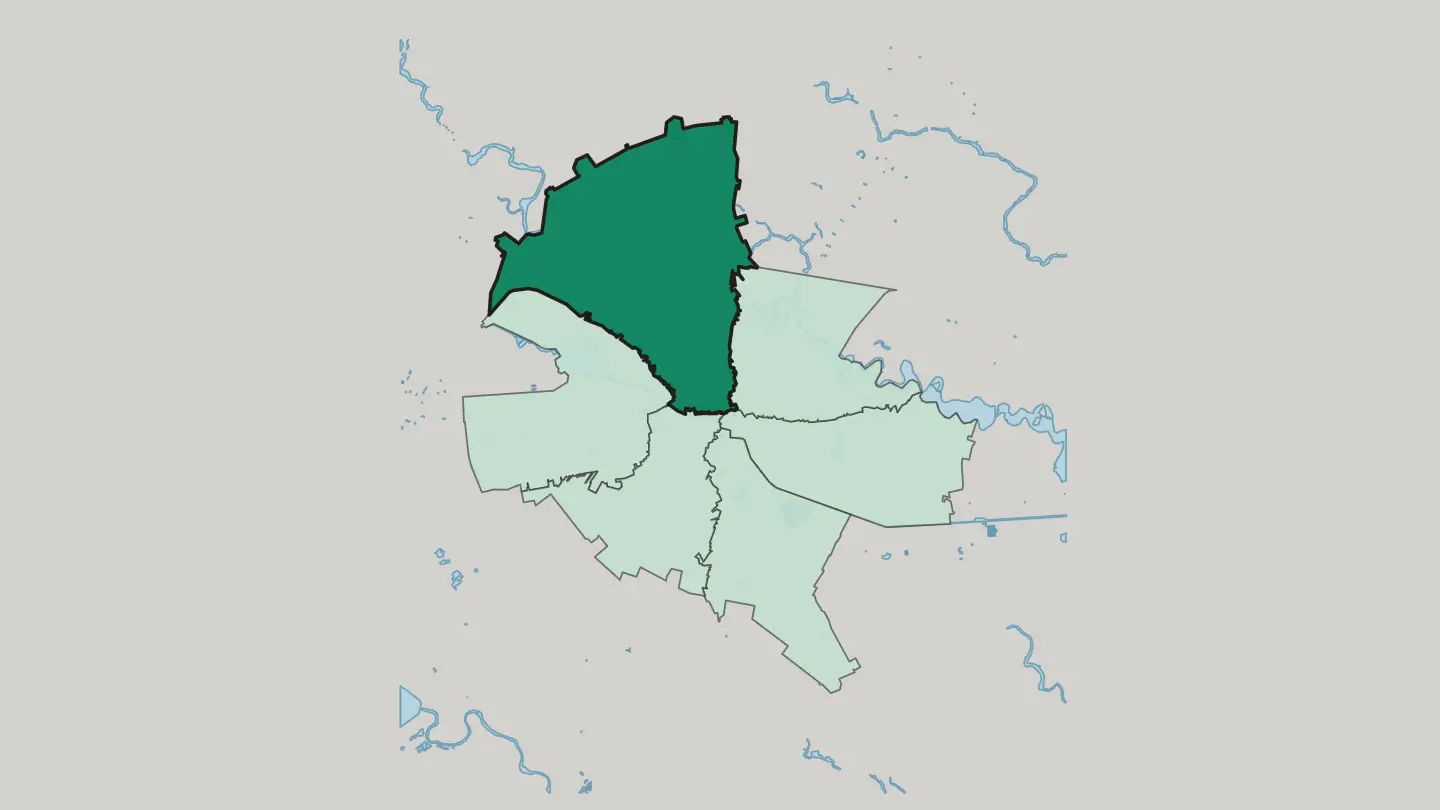
Hotel links are affiliate links: booking through them may earn us a commission, at no extra cost to you. It never affects how places are ranked. How this works
Things to do in Bucharest
Ranked by global recognition; descriptions from Wikidata (CC0).
Museums & Galleries
5- Foișorul de Foc Heritage
- Museum of Art Collections Heritage
- Jewish Museum in Bucharest Heritage
- Admiral Vasile Urseanu House, Bucharest Heritage
- Theodor Aman Museum Heritage
Churches & Religious Sites
8- Stavropoleos Monastery Heritage
- Mihai Vodă Monastery Heritage
- Antim Monastery Heritage
- Radu Vodă Monastery Heritage
- Cathedral of St Joseph Heritage
Show 3 more →
- Saint Spyridon the New Church Heritage
- Bucur Church Heritage
- Bucharest Bărăția Church Heritage
Landmarks & Notable Places
1- Casă Heritage
worth knowingacross 3 categories in Bucharest
About Bucharest
What is Bucharest known for?
Bucharest is known for its museums, its old monasteries, and the mix of eras along its streets. Calea Victoriei runs through the centre. The National Museum of Art of Romania and the National Museum of Romanian History hold the country's collections, while Stavropoleos Monastery keeps an older Bucharest alive near Piața Unirii.
Old and new stand together, and the capital wears its history in the open.
What are the main landmarks in Bucharest?
Bucharest holds monasteries, museums, and monuments across its central sectors. Stavropoleos Monastery, Antim Monastery, and Radu Vodă Monastery keep the older religious city, while the Cathedral of St Joseph and the Armenian Cathedral serve other communities. Calea Victoriei ties them together.
The National Museum of Art of Romania lines the avenue, Piața Unirii opens the great square, and the Memorial of Rebirth and Foișorul de Foc mark the modern city.
What is the history of Bucharest?
Bucharest first enters the record in 1459, a settlement on the River Dâmbovița. The town began small. Around its early monasteries, among them Mihai Vodă Monastery and Radu Vodă Monastery, the medieval city took shape on the riverbanks, and churches such as Bucur Church marked the old quarters.
Over the centuries the town grew into the capital of România and the seat of its government. Its monasteries and churches became the oldest fixed points in a city that kept rebuilding around them. The river carried it forward.
Later centuries layered a new city over the old one. Grand avenues such as Calea Victoriei were cut through the centre, and the museums that became the National Museum of Romanian History gathered the nation's past. The communist decades left their own mark, in wide boulevards and heavy blocks that still stand among the churches.
The Memorial of Rebirth records that later chapter near the old core. Through every change the monasteries held their ground, and the River Dâmbovița kept its old line through the middle of Bucharest. The many eras still share the same streets.
Where is Bucharest?
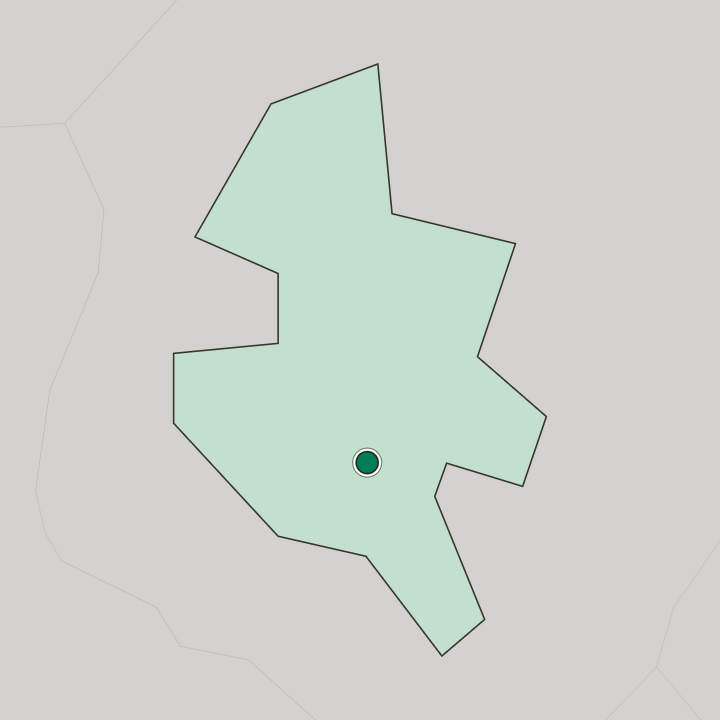
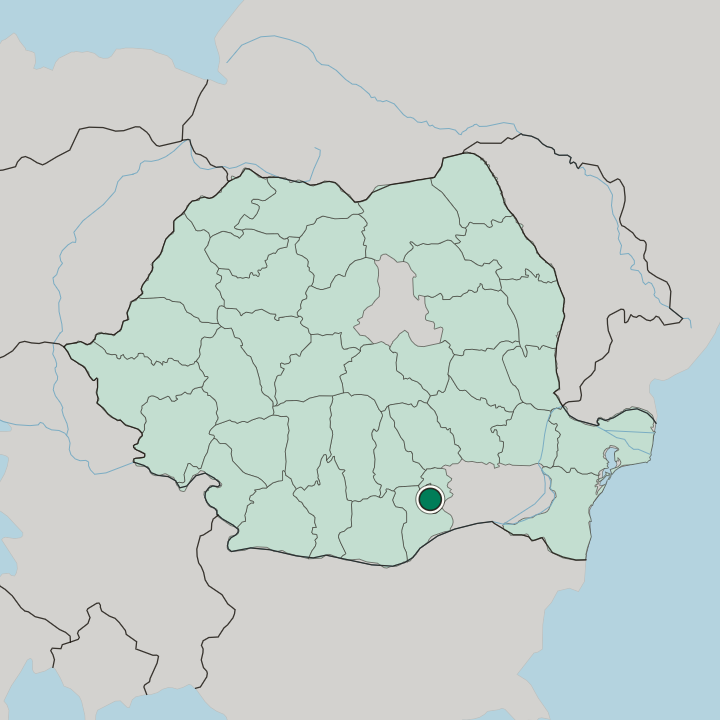
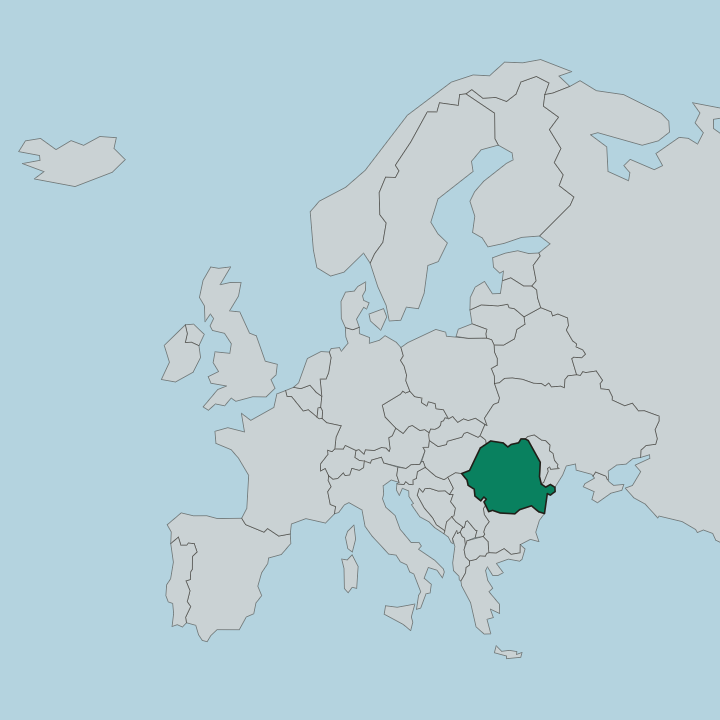
Bucharest stands on the River Dâmbovița, the capital of România and the centre of its own region, București, ringed on every side by Ilfov County. The river crosses the city. Flat, low ground spreads on either bank, and the six sectors of Bucharest reach outward from the old core.
Beyond the county line opens the wider Muntenia region.
What is the climate of Bucharest?
Bucharest has a temperate climate, marked by the strong seasonal swings of inland România. Winters turn cold and grey. Frost and snow settle over the city through the coldest months, and the River Dâmbovița can freeze at its edges.
Summers turn hot and dry over the streets, with warm spells settling on the low ground. Between them, spring and autumn are short in Bucharest.
How do you get to Bucharest?
Bucharest draws travel from across România as the country's capital. Most journeys end here. Roads and rail lines run in through Ilfov County, crossing the county ring to reach the sectors and the centre on the River Dâmbovița.
Inside the city, wide boulevards carry people between Piața Unirii, Calea Victoriei, and the outer sectors. Every route leads back to the middle.
Good for
Updated October 2026