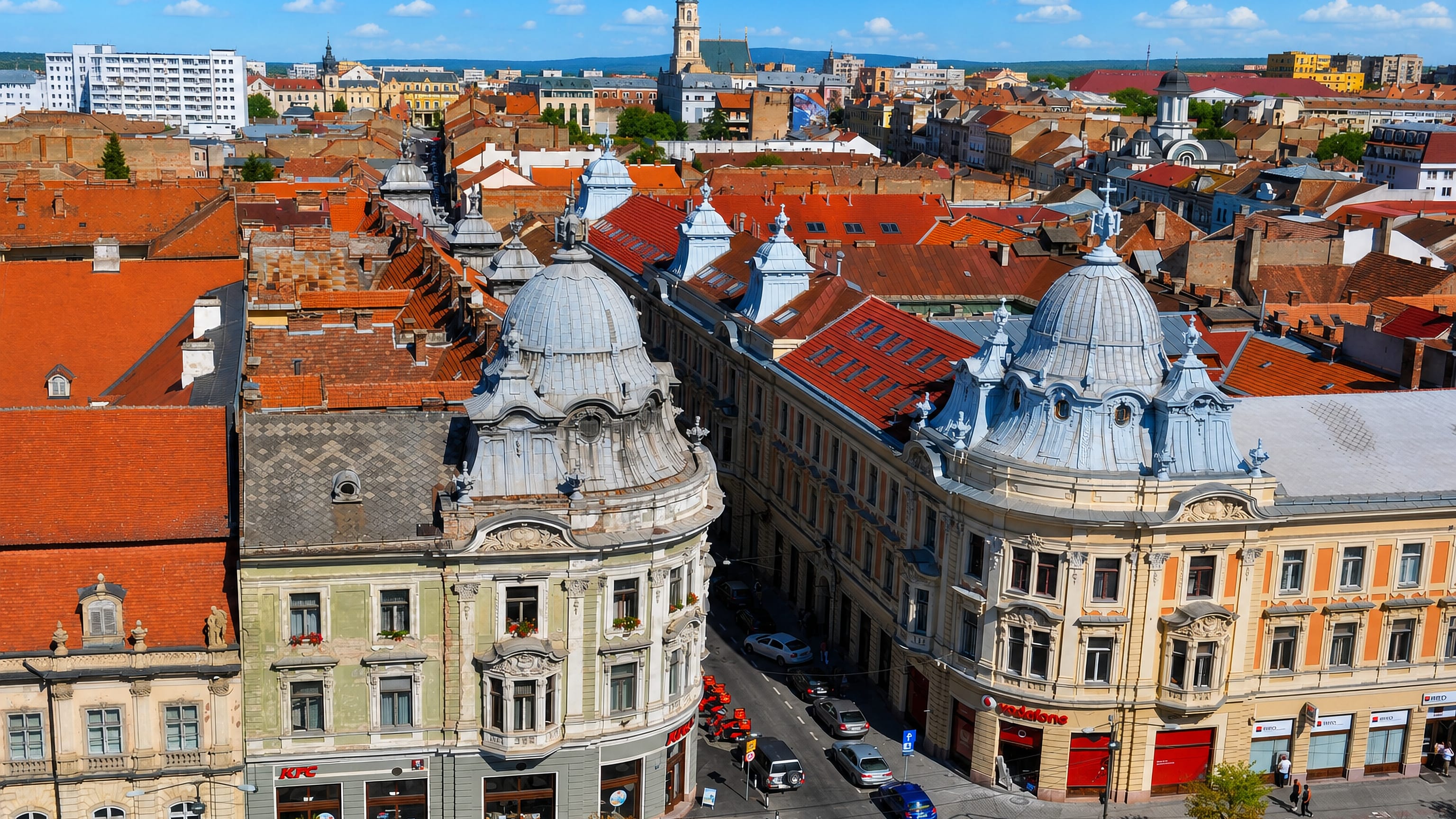
Romania · Cluj
Where to Stay in Cluj-Napoca, Cluj
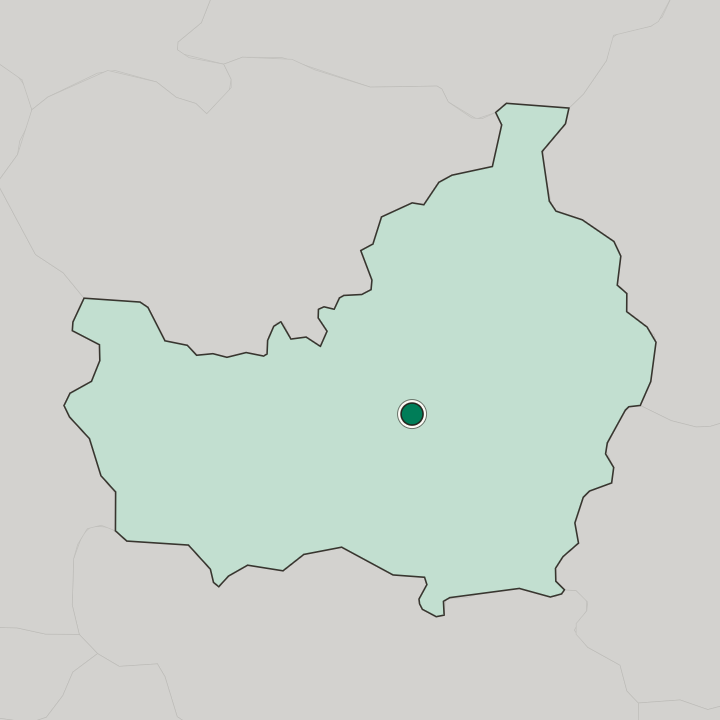
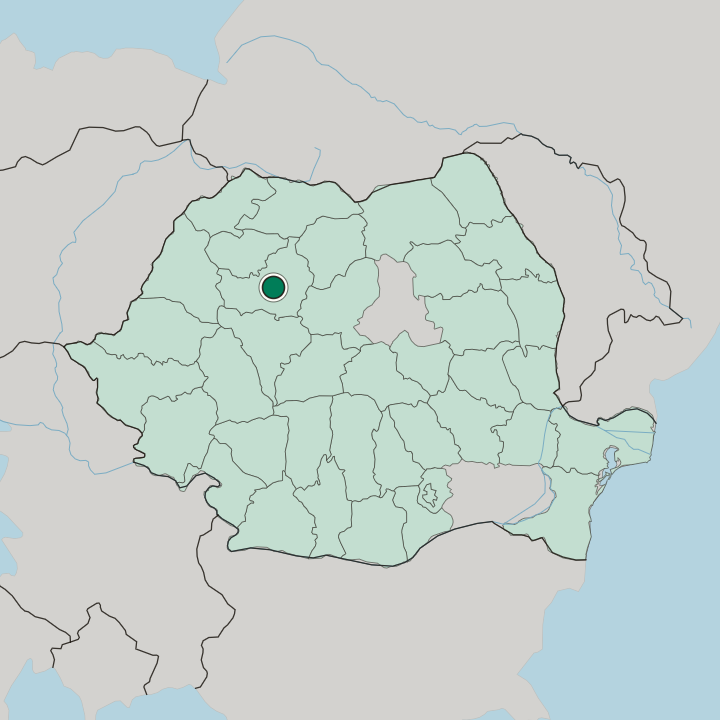
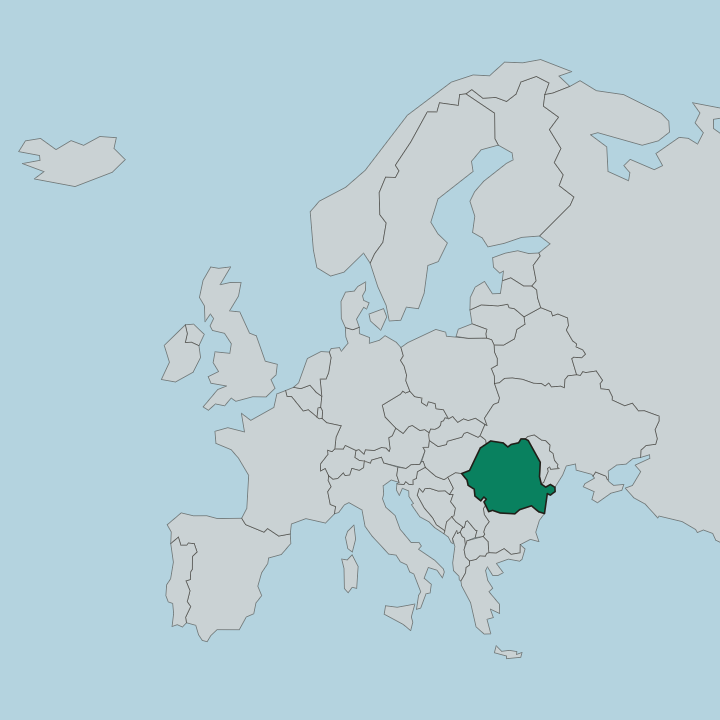
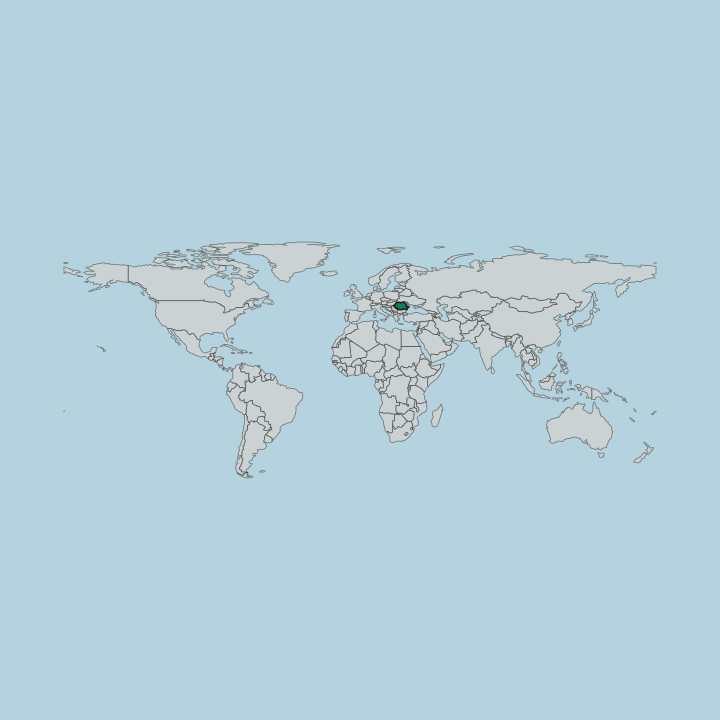
Cluj-Napoca sits in the Someșul Mic valley of northwestern Romania, the unofficial capital of Transylvania and seat of Cluj County.
Hotel links are affiliate links: booking through them may earn us a commission, at no extra cost to you. It never affects how places are ranked. How this works


Where to stay in Cluj-Napoca
The right area depends on your trip — here's what each neighbourhood is best for.
 Cluj-NapocaRomania
Andrei Mureșanu
Andrei Mureșanu spreads across the south-east of Cluj-Napoca, a Romanian district named for the poet and revolutionary Andrei Mureșanu.Where to stay → Cluj-NapocaRomania
Gruia
Gruia sits north-west of the centre of Cluj-Napoca, a Romanian district also called Fellegvár and named after the hajduk Gruia Novac.Where to stay → Cluj-NapocaRomania
Someşeni
Someşeni is a largely residential neighbourhood of Cluj-Napoca, in Romania, with two settlement sites recorded in the local heritage register.Where to stay →Hotel links are affiliate links: booking through them may earn us a commission, at no extra cost to you. It never affects how places are ranked. How this works
Find hotels in Cluj-Napoca
Direct booking searches for these neighbourhoods.
Historic core
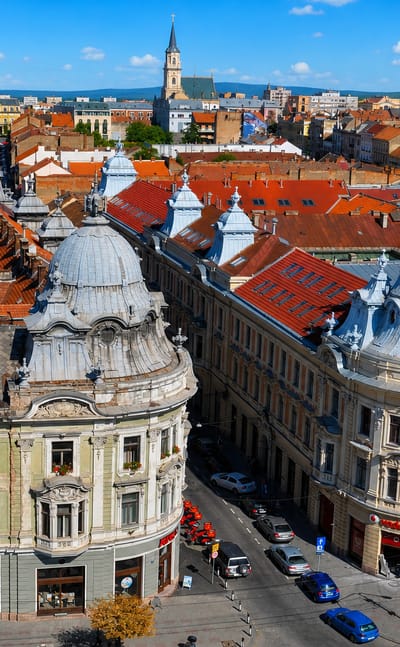
The north-bank grid ties the Cluj-Napoca Hintz House, the Firemen's tower, and the National Museum of Transylvanian History into one walkable centre.Find hotels in Historic coreQuieter nights near Kolozsmonostor Abbey and the Ethnographic Park Romulus VuiaKolozsmonostor edge
West of the core, the residential slopes above the Someșul Mic sit beside the open-air farmsteads of the Ethnographic Park Romulus Vuia.Find hotels in Kolozsmonostor edgeHotel links are affiliate links: booking through them may earn us a commission, at no extra cost to you. It never affects how places are ranked. How this works
Things to do in Cluj-Napoca
Ranked by global recognition; descriptions from Wikidata (CC0).
Museums & Galleries
3- Cluj-Napoca Hintz House Heritage
- National Museum of Transylvanian History
- Ethnographic Museum of Transylvania
Churches & Religious Sites
3- Transfiguration Cathedral Heritage
- Jesuit monastery in Cluj-Napoca Heritage
- Mănăstirea minoriților Heritage
Castles & Historic Sites
3- Saint Mary the Protector monument in Cluj-Napoca Heritage
- Așezare Heritage
- Situl arheologic de la Cluj-Napoca, punct „Parcul arheologic Piața Cipariu” Heritage
Stadiums & Sports
1- BTarena
Landmarks & Notable Places
6- Birthplace of Stephen Bocskay Heritage
- Teleki Palace, Cluj-Napoca Heritage
- Casa parohială a bisericii romano-catolice Heritage
- Turn și fragment din zidul primei incinte a orașului medieval Heritage
- Casă Heritage
Show 1 more →
- Birthplace of Sándor Szilágyi Heritage
worth knowingacross 5 categories in Cluj-Napoca
About Cluj-Napoca
What is Cluj-Napoca known for?
Cluj-Napoca is known as the unofficial capital of Transylvania. The second-most populous city in Romania, it fills the Someșul Mic valley with museums, spires, and university life. The Transfiguration Cathedral crowns the centre.
Around it stand the National Museum of Transylvanian History, the Art Museum of Cluj-Napoca, and the Ethnographic Museum of Transylvania, a spread of collections that gives the seat of Cluj County a cultural weight matched by few cities its size in Romania.
What are the main landmarks in Cluj-Napoca?
The Transfiguration Cathedral and the Saint Mary the Protector monument mark the ceremonial heart of Cluj-Napoca. Nearby, the Cluj-Napoca Hintz House and the Firemen's tower carry the old town's civic history, while the Jesuit monastery and the Teleki Palace add Baroque weight. Museums cluster tight.
The National Museum of Transylvanian History, the Ethnographic Museum of Transylvania, and the Art Museum of Cluj-Napoca sit within a few streets, and westward the Kolozsmonostor Abbey and the Ethnographic Park Romulus Vuia extend the city's heritage toward the edge of the Someșul Mic valley.
What is the history of Cluj-Napoca?
Cluj-Napoca carries a Roman name grafted onto a medieval town. The settlement is first recorded in 1213, and it grew through the Middle Ages into one of the leading towns of Transylvania, known in Hungarian as Kolozsvár and in German as Klausenburg. Walls once ringed the core.
Fragments of that first medieval enclosure survive among the later streets, alongside the Jesuit monastery and the Teleki Palace that mark the city's Baroque centuries. For some decades before the Austro-Hungarian Compromise of 1867, the city served as the official capital of the Grand Principality of Transylvania, a rank that left it with the museums, cathedrals, and grand houses of an administrative seat. That legacy still fills the centre.
The National Museum of Transylvanian History and the Ethnographic Museum of Transylvania gather the record of the wider province, while the Kolozsmonostor Abbey to the west traces the church's long presence in the Someșul Mic valley. The seat of Cluj County still keeps its old role as the unofficial capital of Transylvania, and its Roman-rooted name binds the ancient and the medieval city into one.
Where is Cluj-Napoca?
Cluj-Napoca lies in the valley of the Someșul Mic, in northwestern Romania. The river threads the city between low hills, and its floor holds the historic core while the slopes rise toward Kolozsmonostor Abbey on the western edge. The setting places the city roughly equidistant from Bucharest, Budapest, and Belgrade, a crossing point of routes through Transylvania that has long made the seat of Cluj County a hub for the northern half of the province.
What is the climate of Cluj-Napoca?
Cluj-Napoca has a temperate inland climate shaped by its position in the Someșul Mic valley of northwestern Romania. Summers are warm and moderately wet, with green hills closing around the city, while winters turn cold and often snowy as air pools on the valley floor. Spring comes gradually.
The shoulder seasons bring clear light over the Transfiguration Cathedral and the old town, and the river keeps a band of green through the centre when the surrounding slopes below Kolozsmonostor Abbey dry in high summer.
How do you get to Cluj-Napoca?
Cluj-Napoca sits at a crossing of routes through Transylvania, roughly equidistant from Bucharest, Budapest, and Belgrade. Rail and road lines follow the Someșul Mic valley into the city from the wider network of Romania, meeting at the historic core beside the Transfiguration Cathedral. Arrivals converge on the centre.
From the main squares the museums, the Firemen's tower, and the western slopes toward Kolozsmonostor Abbey all lie within a short ride, and trams and buses work the valley floor between the districts.
Common questions
What is the best area to stay in Cluj-Napoca?
Historic core: First-timers who want the Transfiguration Cathedral and museum squares on foot. Kolozsmonostor edge: Quieter nights near Kolozsmonostor Abbey and the Ethnographic Park Romulus Vuia.
Good for
Updated October 2026