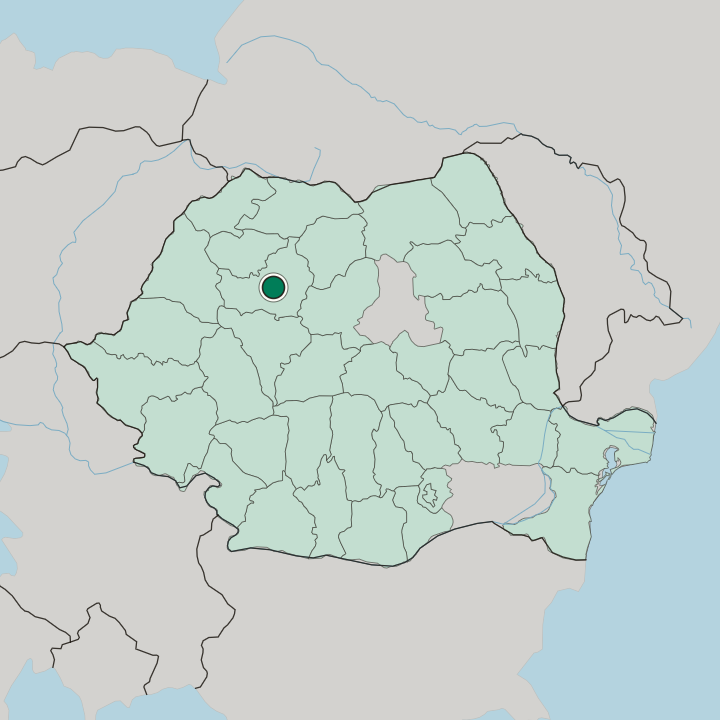
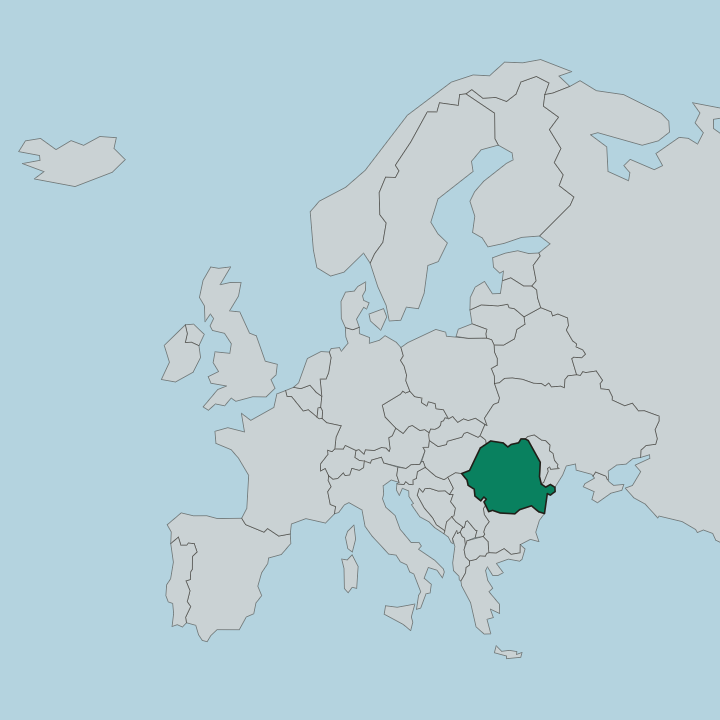
Romania · Cluj · Cluj-Napoca
Gruia, Cluj-Napoca — Area Guide & Where to Stay
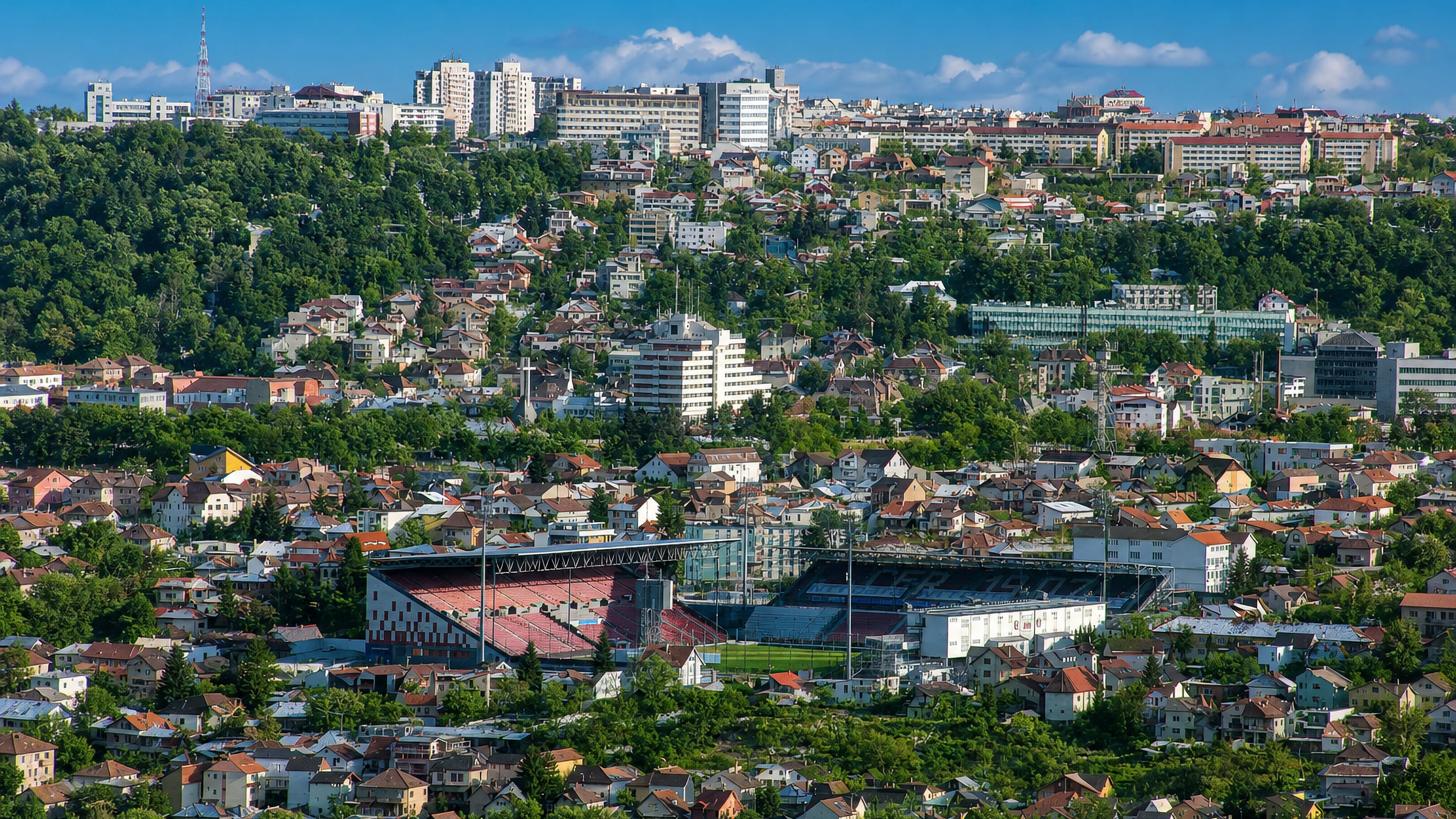
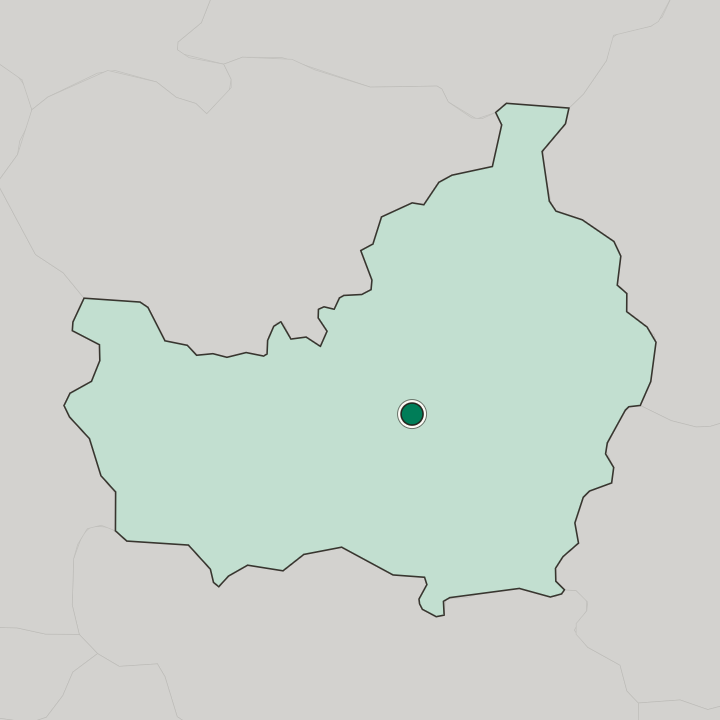
Gruia sits north-west of the centre of Cluj-Napoca, a Romanian district also called Fellegvár and named after the hajduk Gruia Novac.
Hotel links are affiliate links: booking through them may earn us a commission, at no extra cost to you. It never affects how places are ranked. How this works


Where to stay in Gruia
How the choice of base plays out on the ground.
Rooms in Gruia put the BTarena and the Ethnographic Park Romulus Vuia within easy reach, while the older museum streets of Cluj-Napoca sit back towards the centre and take only a short bus ride. Two very different evenings. Event nights at the BTarena bring crowds, so quieter beds sit back from the arena approaches, nearer the Ethnographic Park Romulus Vuia and the lanes around it.
Find hotels in Gruia
Direct booking searches for these neighbourhoods.
BTarena side
The BTarena end of Gruia suits anyone booking around an event, with the arena doors close enough to walk back from once the crowd thins.Find hotels in BTarena sidemuseum mornings on the Gruia edge of Cluj-NapocaEthnographic Park Romulus Vuia
Beds near the Ethnographic Park Romulus Vuia trade arena traffic for a quieter corner of Gruia, still inside the district rather than out in the Cluj-Napoca suburbs.Find hotels in Ethnographic Park Romulus VuiaHotel links are affiliate links: booking through them may earn us a commission, at no extra cost to you. It never affects how places are ranked. How this works
Things to do in and around Cluj-Napoca
Ranked by global recognition; descriptions from Wikidata (CC0).
Museums & Galleries
3- Cluj-Napoca Hintz House Heritage
- National Museum of Transylvanian History
- Ethnographic Museum of Transylvania
Castles & Historic Sites
2- Orașul antic și medieval Heritage
- Zid de incintă-orașul antic și medieval Heritage
Stadiums & Sports
1- BTarena
Landmarks & Notable Places
5- Birthplace of Stephen Bocskay Heritage
- Casa parohială a bisericii romano-catolice Heritage
- Turn și fragment din zidul primei incinte a orașului medieval Heritage
- Casă Heritage
- Rácz-ház Heritage
worth knowingacross 4 categories in and around Cluj-Napoca
About Gruia
What are the main landmarks in Gruia?
The landmark list recorded for Gruia reaches into the historic core of Cluj-Napoca, taking in the National Museum of Transylvanian History, the Ethnographic Museum of Transylvania and the Cluj-Napoca Hintz House. The Firemen's tower stands among them. So does the Art Museum of Cluj-Napoca, along with surviving stretches of the wall that once ringed the medieval town.
The BTarena and the Ethnographic Park Romulus Vuia round out the set, both on the Gruia side rather than in the old streets at the centre.
What is the history of Gruia?
Gruia took its present name in 1923, after the Romanian hajduk Gruia Novac, and the older Hungarian name Fellegvár stayed in use alongside it. Two names, one district. The medieval town at the centre is recorded in the same landmark set, with a tower and a fragment of its first ring of walls still standing in Cluj-Napoca.
The Birthplace of Stephen Bocskay belongs to that older core too.
Where is Gruia?
The district holds the north-western approaches to Cluj-Napoca, with the BTarena and the Ethnographic Park Romulus Vuia standing on this side of the city.
Common questions
What is the best area to stay in Gruia?
BTarena side: match nights and concerts at the BTarena. Ethnographic Park Romulus Vuia: museum mornings on the Gruia edge of Cluj-Napoca.
Good for
More areas in Cluj-Napoca
Updated October 2026