Romania
Cluj, Romania — Towns & Travel Guide
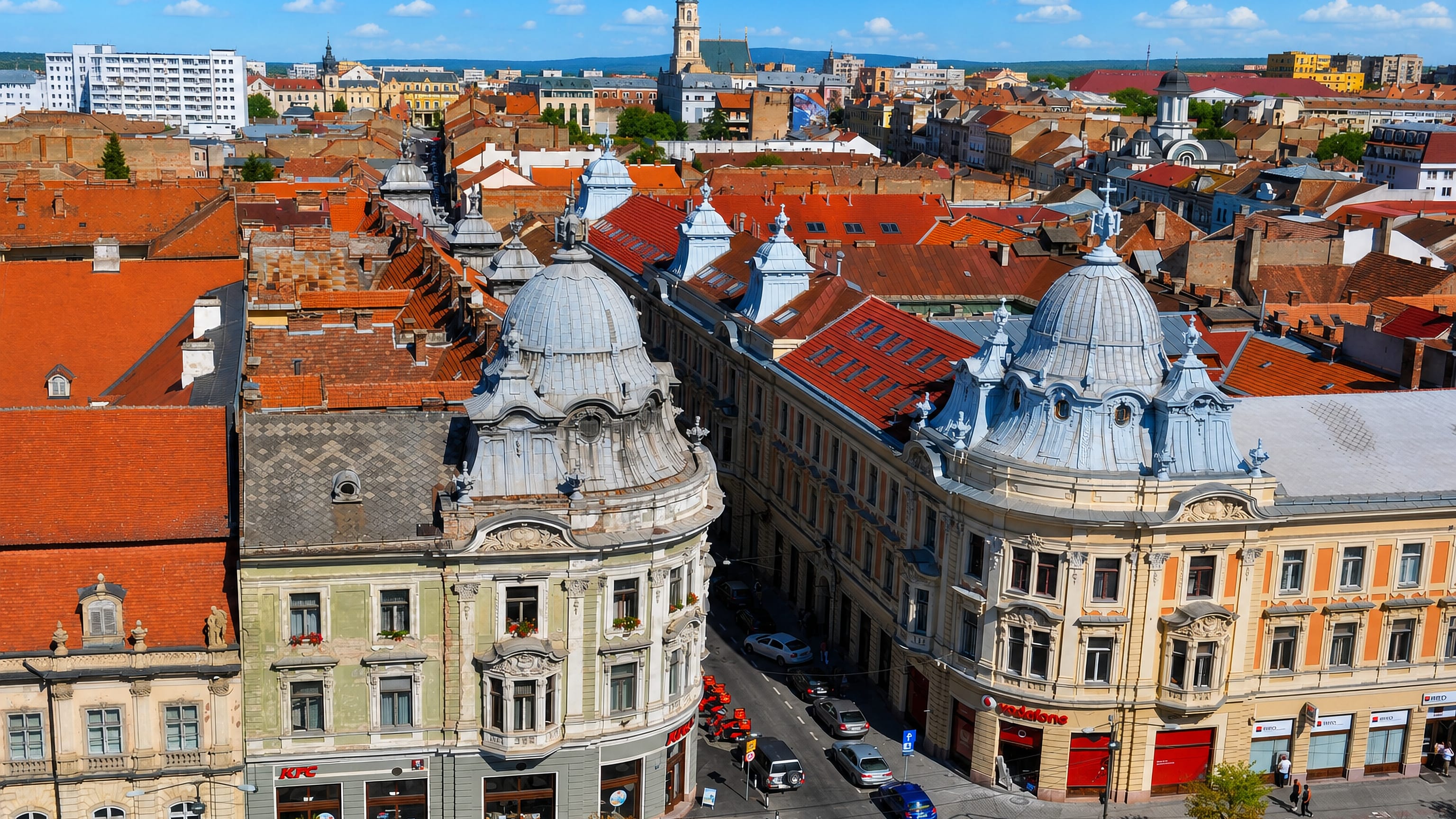
Cluj is a county of northwestern Romania, built around Cluj-Napoca in the Someșul Mic valley, Transylvania's unofficial capital.
Hotel links are affiliate links: booking through them may earn us a commission, at no extra cost to you. It never affects how places are ranked. How this works


Towns & cities in Cluj
One town here has its own guide — it links to where to stay.
 Romania
Cluj-Napoca
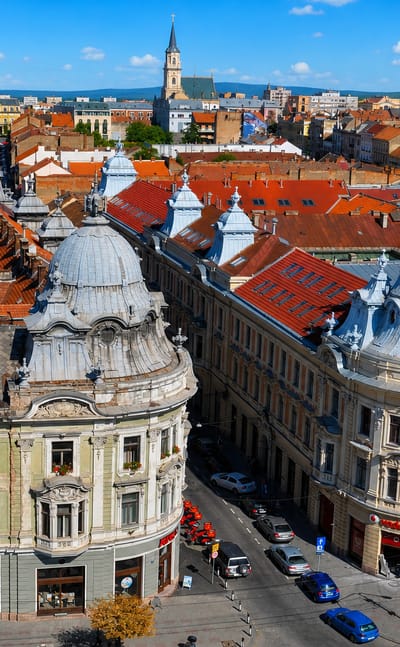
Cluj-Napoca sits in the Someșul Mic valley of northwestern Romania, the unofficial capital of Transylvania and seat of Cluj County.Where to stay →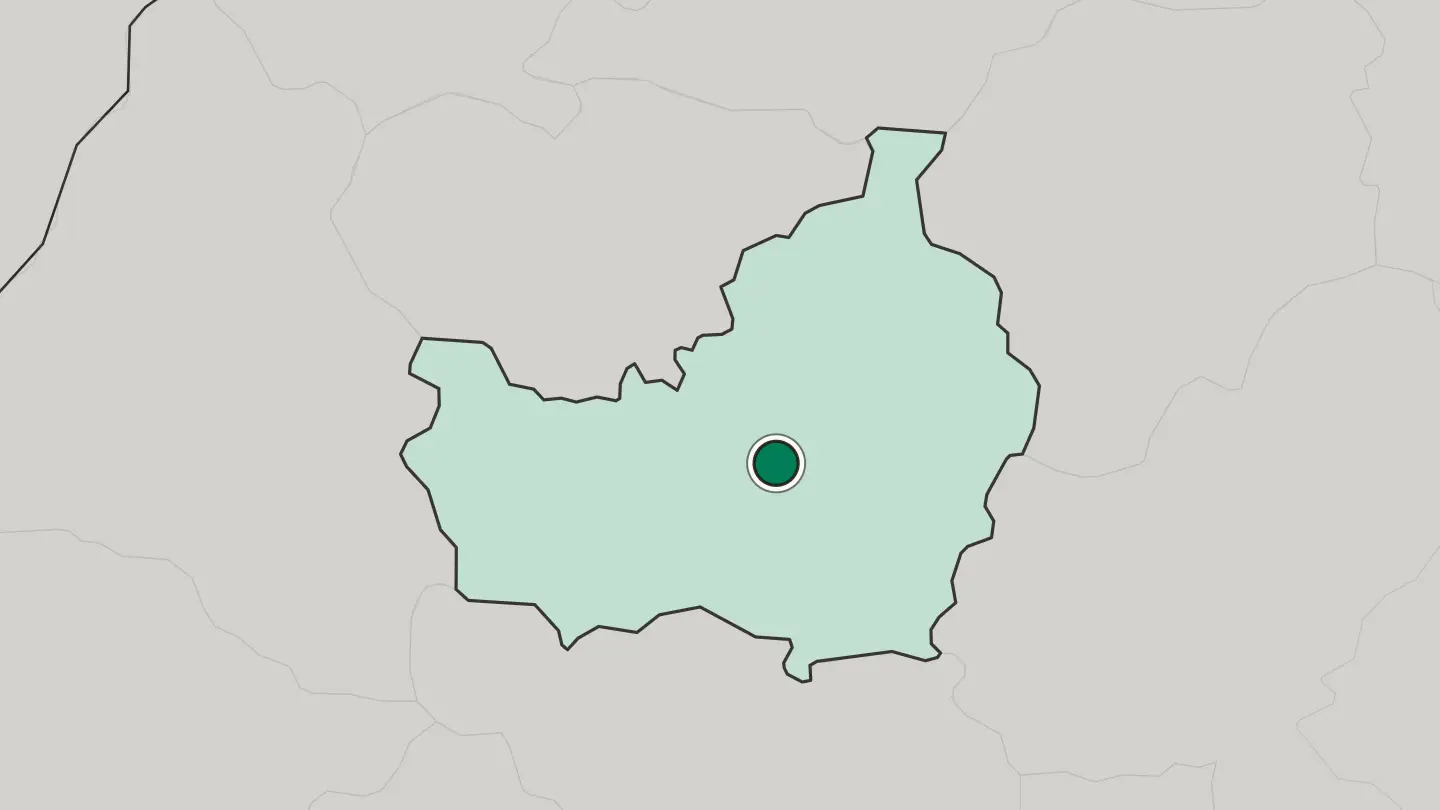
Hotel links are affiliate links: booking through them may earn us a commission, at no extra cost to you. It never affects how places are ranked. How this works
About Cluj
Cluj means Cluj-Napoca first.
What is Cluj known for?
The county seat holds Babeș-Bolyai University and fills every August with the UNTOLD music festival, which pulls crowds into the streets around the Someșul Mic. Beyond the city, the draw turns underground and upland: the Salina Turda salt mine at Turda descends more than a hundred metres below the surface, and the Apuseni Mountains close the county's south-western edge with limestone and caves. It is the heart of Transylvania.
Travellers use it as the base for the whole region.
Where is Cluj?
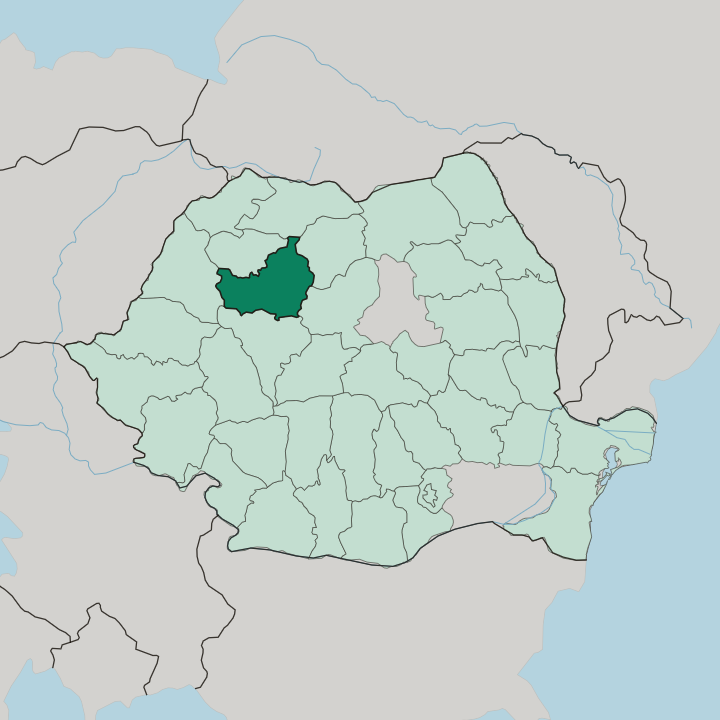
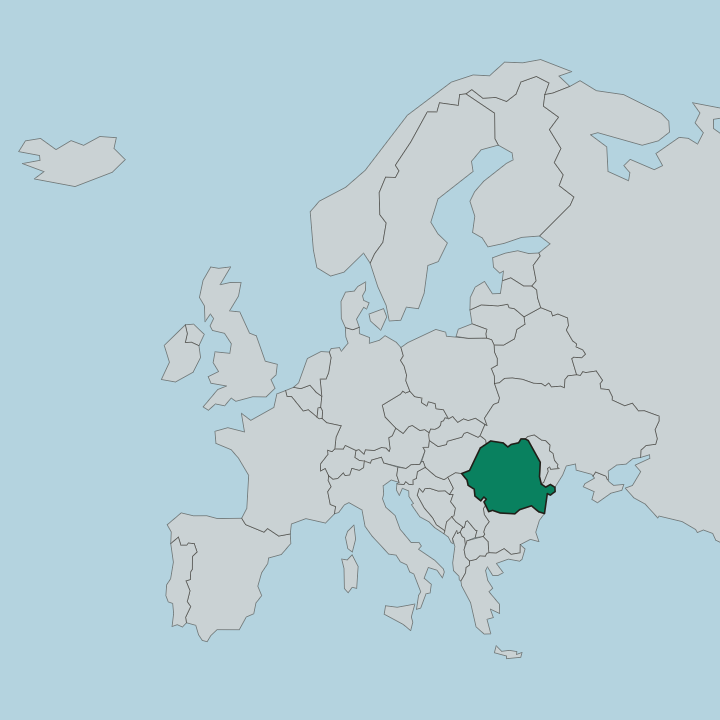
Cluj lies in northwestern Romania, one of its counties and a slice of the historical region of Transylvania. Three landforms meet inside it. The Apuseni Mountains, a group of the Western Carpathians, close the south-western corner and rise to the Vlădeasa massif at 1,836 metres.
To the north spreads the Someș Plateau, a country of rounded hills, and to the east opens the Transylvanian Plain. The county's water is the Someșul Mic. It forms in the Apuseni Mountains from two headwaters, the Someșul Cald and the Someșul Rece, that join near Gilău, then runs east and north through Cluj-Napoca and on past Gherla to Dej, joining the Someșul Mare at the county's northern edge.
Cluj-Napoca sits in that valley, roughly equidistant from Bucharest, Budapest and Belgrade. Turda stands south of it, on the edge of the plain. The land is rarely flat.
Hills and river valleys make up most of the county, with the true mountains held to the west. Cluj borders Bihor and Sălaj to the west, Maramureș and Bistrița-Năsăud to the north-east, Mureș to the east, and Alba to the south. That meeting of mountain, hill and plain gives the county its shape.
What is Cluj like?
Cluj is Transylvania at its most layered. The county seat carries three names, Cluj-Napoca in Romanian, Kolozsvár in Hungarian, Klausenburg in German, and the mix of Romanian, Hungarian and Saxon history still marks its squares and churches. It is a student city above all.
Babeș-Bolyai University, the largest in Romania, fills Cluj-Napoca with tens of thousands who study in Romanian, Hungarian and German, and that youth feeds a dense calendar of festivals. UNTOLD takes over the stadium and streets each summer; the Transilvania International Film Festival brings screenings across the city; Electric Castle sets up on a country estate outside town. Beyond the capital the culture turns rural and older.
Villages of the Someș Plateau and the Apuseni Mountains keep wooden churches, folk craft and pastoral life that predate the festivals by centuries. Gherla was laid out by Armenian settlers in the eighteenth century and still shows their Baroque plan. Turda grew rich on salt long before it grew on tourists.
One county, many pasts. Romanian is the common language across the region, spoken here alongside a strong and enduring Hungarian presence that reaches back centuries.
What is the history of Cluj?
The county's story starts under a different name. Cluj-Napoca stands on the Dacian settlement of Napoca, which the Romans made a municipium after the conquest of Dacia. Medieval Cluj grew as a Saxon and Hungarian town, granted city status in 1316, and rose to become the capital of the autonomous Principality of Transylvania in the sixteenth century.
Salt made Turda rich. With the rest of Transylvania, the county passed to Romania in 1920, and the modern county was drawn three years later in 1925.
What is the climate of Cluj?
Cluj has a temperate continental climate, shaped by its inland Transylvanian setting away from any sea. Cluj's winters bring cold and steady snow. Snow lies on the ground in Cluj-Napoca for roughly two months of the year, and freezing nights are the norm from late autumn into spring.
Summers turn warm, sometimes hot, and carry most of the county's rain in afternoon storms over the hills. The Apuseni Mountains in the south-west stay cooler and wetter than the valleys, holding snow well after the Someșul Mic has thawed below.
How do you get to Cluj?
Most visitors fly into Cluj-Napoca. The Avram Iancu International Airport sits a few kilometres east of the city and carries direct flights from London, Paris, Frankfurt and other European hubs, plus domestic links from Bucharest. Trains and roads climb into the county from across Romania, though the Apuseni Mountains slow the western approaches.
Once here, the county seat makes the obvious hub. Turda, Gherla and Dej all lie within a short drive of Cluj-Napoca along the Someșul Mic.
Common questions
What is the best area to stay in Cluj?
Cluj-Napoca: a first base in Transylvania. Turda: the salt mine and the gorge. The Apuseni Mountains: caves and mountain walking. Dej and the Someș valley: the county's quiet north.
Good for
More regions in Romania
Updated September 2026