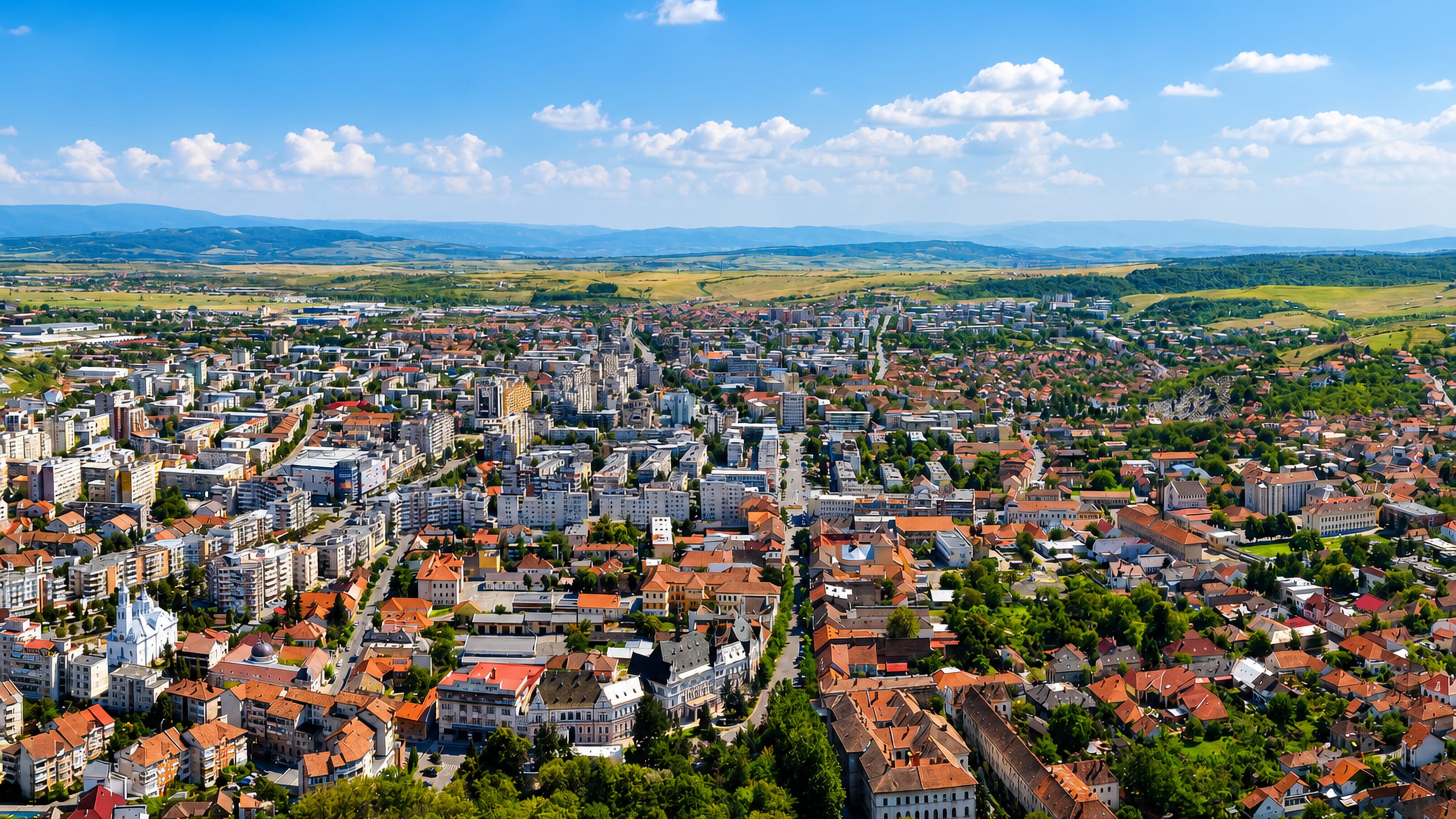
Romania · Hunedoara
Where to Stay in Deva, Hunedoara
Deva heads Hunedoara County, a Transylvanian city holding the Fortress of Deva and Magna Curia. Its museum carries the Dacian record.
Hotel links are affiliate links: booking through them may earn us a commission, at no extra cost to you. It never affects how places are ranked. How this works


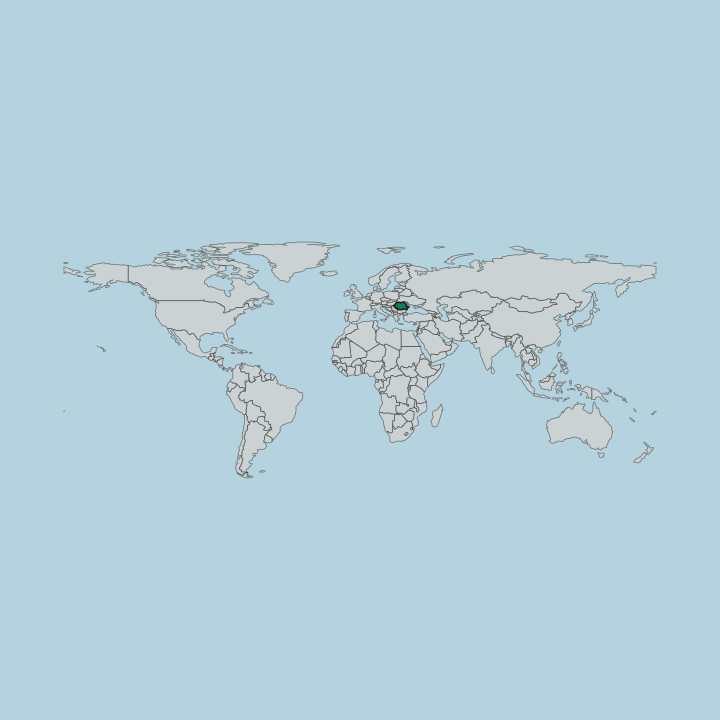
Where to stay in Deva
The practical side of choosing where to sleep.
Most of Deva's rooms stand within the compact centre, close enough that Magna Curia, the Museum of Dacian and Roman Civilisation, and the Reformed church can be reached on foot in a morning. Staying central covers most of Deva on foot. The Hunedoara County Prefecture and Teatrul de Artă sit on the same central ground, so a room there covers both the administrative city and its evenings.
The Franciscan monastery belongs to the same short list. Magna Curia anchors the older end of that walk. Deva's centre is walkable end to end, and the Fortress of Deva serves as the fixed point of reference for anyone working out where they are.
Outer Deva is a different proposition. Streets beyond the centre give more room and easier parking for anyone driving on through Hunedoara County, at the cost of a walk or a short ride back to the museum. The scale rewards walking.
If you plan to spend the day among Dacian and Roman finds, the central streets save the most time. Quiet arrives quickly away from the middle, where the blocks give way to the county roads that carry traffic out through Hunedoara County.
Find hotels in Deva
Direct booking searches for these neighbourhoods.
Compact centre by Magna Curia
The heart of Deva keeps Magna Curia, the Museum of Dacian and Roman Civilisation, and the Reformed church inside a single walk.Find hotels in Compact centre by Magna CuriaStays that mix county business with an evening at Teatrul de ArtăPrefecture and theatre streets
The Hunedoara County Prefecture and Teatrul de Artă stand on the same central ground, which keeps working days and evenings in one place.Find hotels in Prefecture and theatre streetsDrivers touring Hunedoara County who would rather park outside the middleOuter blocks toward the county roads
Past the core of Deva the buildings loosen, parking gets easier, and the roads out through Hunedoara County start at once.Find hotels in Outer blocks toward the county roadsHotel links are affiliate links: booking through them may earn us a commission, at no extra cost to you. It never affects how places are ranked. How this works
Things to do in Deva
Ranked by global recognition; descriptions from Wikidata (CC0).
Museums & Galleries
1- Museum of Dacian and Roman Civilisation
Churches & Religious Sites
1- Reformed church in Deva Heritage
Castles & Historic Sites
1- Fortress of Deva Heritage
Landmarks & Notable Places
2- Magna Curia Heritage
- Hunedoara County Prefecture Heritage
worth knowingacross 4 categories in Deva
About Deva
The Fortress of Deva does the advertising.
What is Deva known for?
Administration follows: the Hunedoara County Prefecture sits here, and the Museum of Dacian and Roman Civilisation gives the city a collection covering Dacian and Roman antiquity. Magna Curia holds the older architecture. Teatrul de Artă covers the stage side of city life.
What are the main landmarks in Deva?
The Fortress of Deva outranks everything. Magna Curia carries the older civil architecture, while the Museum of Dacian and Roman Civilisation lays out the antiquities that set Deva within the archaeology of Transylvania. Churches divide by tradition, from the Reformed church to the Franciscan monastery.
Two civic buildings complete it. Teatrul de Artă and the Hunedoara County Prefecture stand for the cultural and administrative halves of a county seat.
What is the history of Deva?
Antiquity comes first. The Museum of Dacian and Roman Civilisation exists because this part of Transylvania sits on Dacian and Roman ground, and the collection is the city's main link to that period. Deva itself enters the record in 1269.
The medieval centuries left the Fortress of Deva, which remains the structure by which the city is recognised. Transylvania is the frame for all of it, and Hunedoara County is the smaller unit that Deva leads. Museums keep what the streets lost.
Magna Curia followed as the principal civil building, and its architecture speaks for a period when Deva already served as the administrative centre of Hunedoara County. Confessional history shows in the churches. The Reformed church and the Franciscan monastery record two traditions in one small Transylvanian town.
Magna Curia, the Reformed church, and the Franciscan monastery survive from separate phases, so a walk through the centre reads as a sequence of periods rather than as one. County status did the rest: Deva became the seat of Hunedoara County, and the Hunedoara County Prefecture, Teatrul de Artă, and the museum are the institutions that status brought.
Where is Deva?
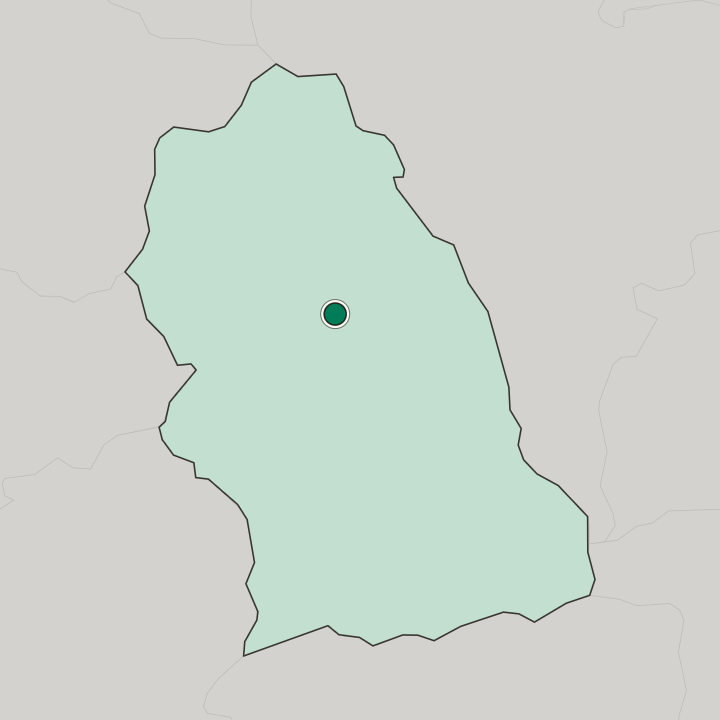
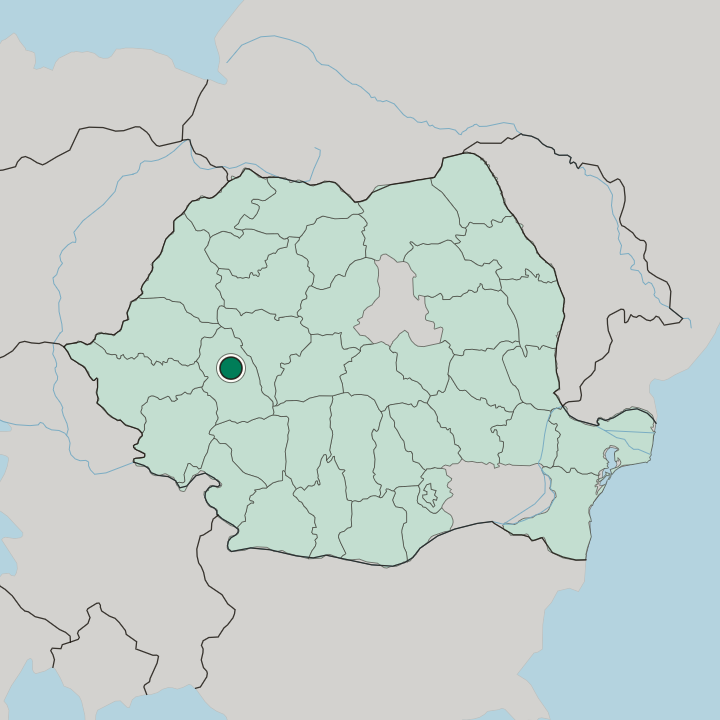
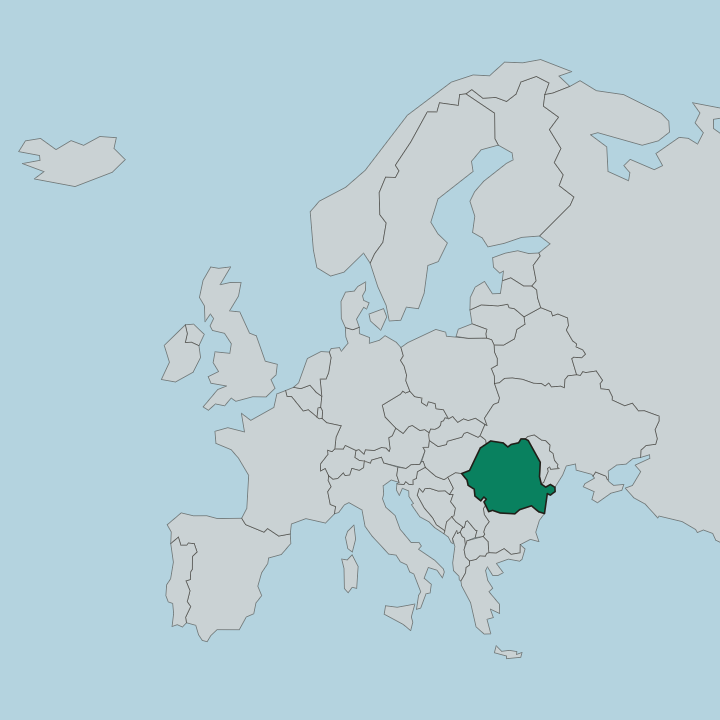
Deva is a small municipality by area, holding a tight built-up centre inside Hunedoara County rather than sprawling across it. The Fortress of Deva marks the centre. Hunedoara County lies within Transylvania, and the city's position inside that historical region shapes its roads, its administration, and the archaeology its museum collects.
What is the climate of Deva?
Deva sits inland, and the seasons follow the temperate pattern of the Transylvanian interior: warm summers, cold winters, and two short shoulders between them. Nothing coastal softens the swing. Winter cold holds over Hunedoara County longer than it does on the coast, which pushes most visits to the Fortress of Deva into the warmer half of the year.
How do you get to Deva?
Deva's role as county seat puts it on the routes that link the towns of Hunedoara County, which is why many visitors reach it before going anywhere else in the county. The centre is small enough to cross on foot. Arrival is simple.
From the central streets the Fortress of Deva, Magna Curia, and the Museum of Dacian and Roman Civilisation all sit within a short walk of one another.
Common questions
What is the best area to stay in Deva?
Compact centre by Magna Curia: Visitors who want Magna Curia and the Dacian collection on foot. Prefecture and theatre streets: Stays that mix county business with an evening at Teatrul de Artă. Outer blocks toward the county roads: Drivers touring Hunedoara County who would rather park outside the middle.
Good for
Another city in Hunedoara
Updated October 2026